



Architectural Column Plinths
Architectural column plinths raise sculpture and ornament with classical composure, drawing the eye upward in any room.
Architectural Column Plinths
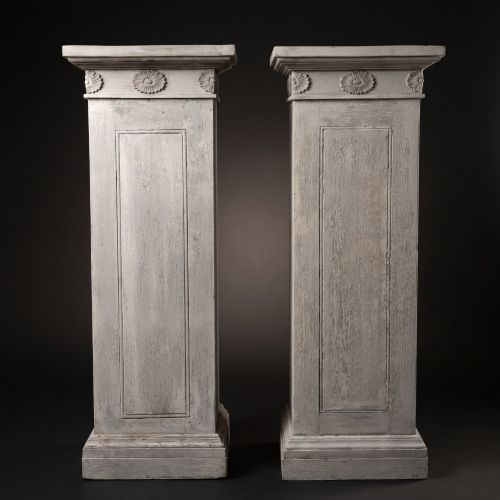
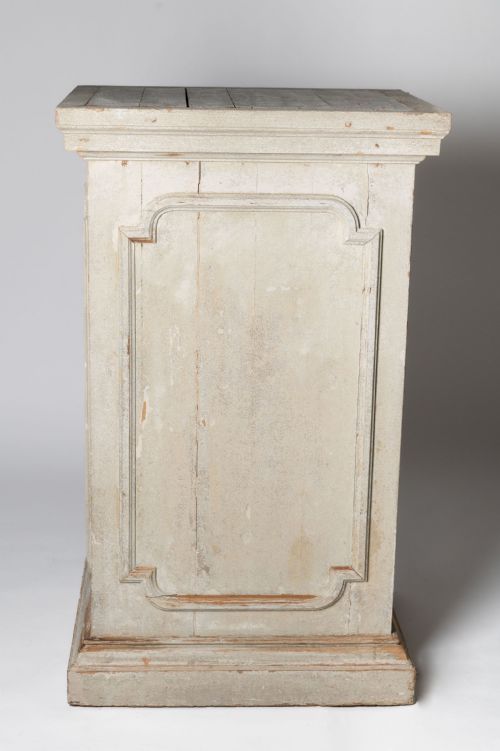
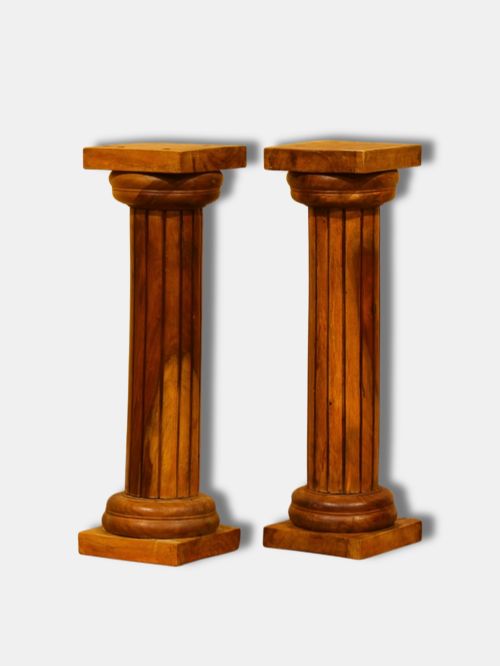
Architectural column plinths take the form of pedestals, columns, and display stands designed to elevate objects, drawing inspiration from classical orders. When you search for architectural column plinths, you meet objects intended to support busts, urns, or figures in domestic interiors and gardens.
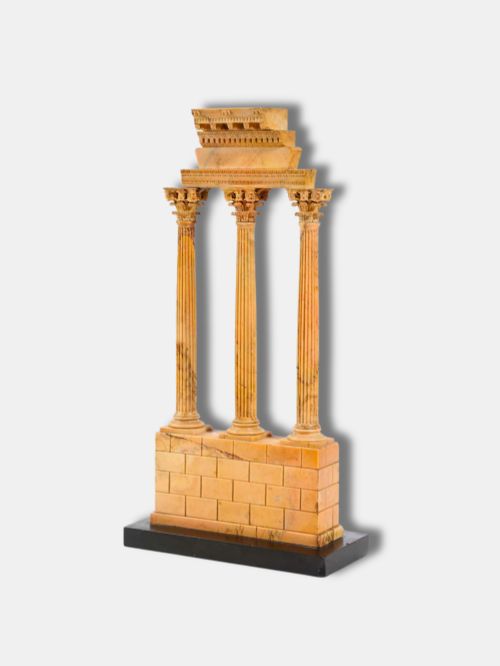
The pieces appearing on this page span from the eighteenth century through the mid twentieth century, encompassing Victorian, Gothic Revival, and Neoclassical styles. French and English country house aesthetics sit alongside Grand Tour models and Scandinavian designs.
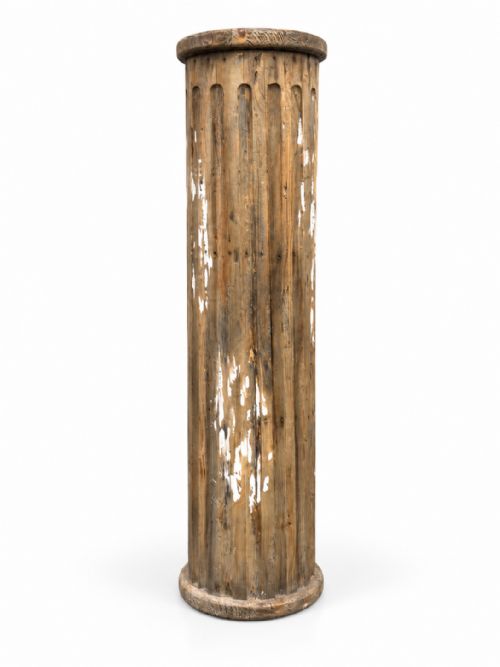
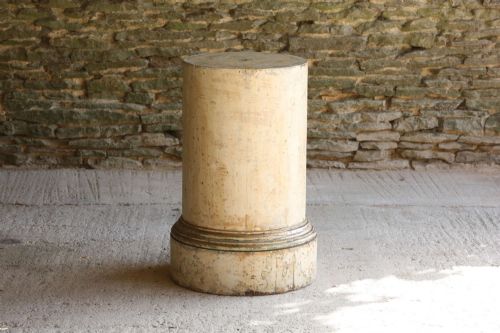
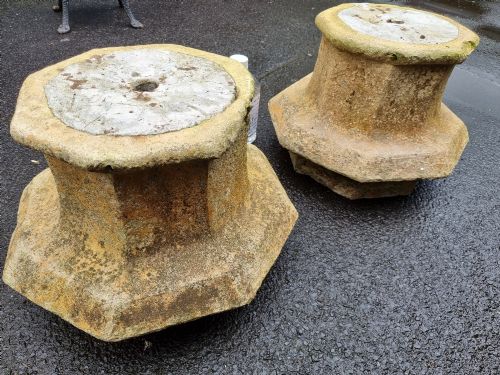
Formations range from single display columns to pairs of carved wood pedestals, portico tables, and limestone capitals. Wooden display columns, painted plaster pedestals, and stone garden plinths populate the current selection.
Construction and Materials
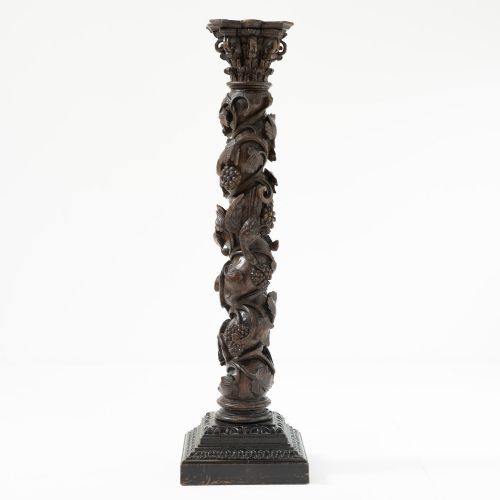
Makers shaped these pieces from timber such as oak, mahogany, beech, and hardwood, often employing carving techniques for fluted shafts and decorative capitals. Paint, gesso, and parcel gilt surface treatments frequently finish the wood, while faux marble finishes simulate costly stones.
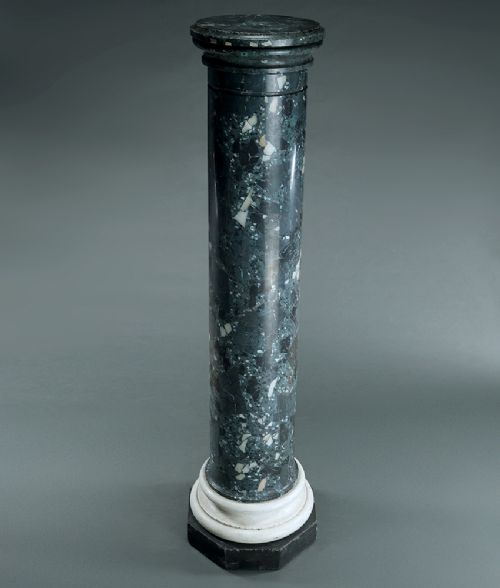
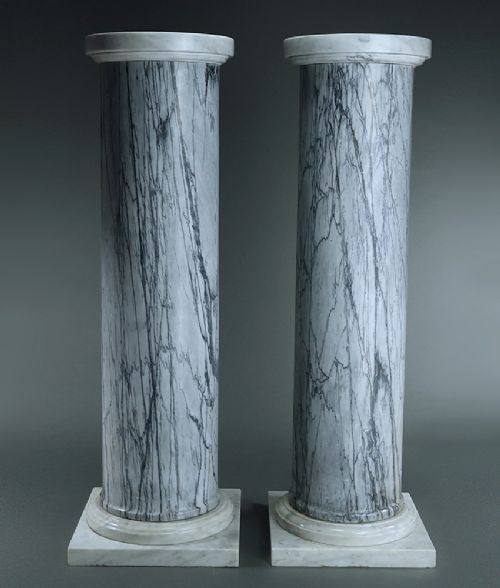
Masonry and mineral compositions include marble varieties like Carrara, Bardiglio, Giallo Antico, and Verde Antico, alongside scagliola, alabaster, composite stone, and limestone. Plaster and cast iron provide further mediums for architectural models, garden planters, and caryatids.
Architectural Column Plinths Retail Price Guide 2026
Typical asking prices for architectural column plinths among the pieces listed under this phrase on Sellingantiques today, from the lower quarter to the upper quarter. They describe what is for sale here now, not the wider market.
One set of nineteenth-century carved wood pedestals hides a secret compartment within its classical structure.
Judging Quality
Quality rests in the crispness of the carved detail upon capitals and bases, and in the fidelity of simulated finishes such as painted faux marble and scagliola. Weight and material density separate solid stone and hardwood examples from lighter plaster or softwood constructions.
Proportion and scale dictate visual success, where well-balanced shafts and stable socle bases support heavy display pieces without listing. The execution of parcel gilding and hand-painted decoration determines the refinement of decorative wooden surfaces.
Marguerite
The Architectural Column Plinths Glossary
- Plinth
- A heavy rectangular block forming the base of a column or pedestal. It provides structural stability and visual grounding to the architectural element above.
- Scagliola
- A composite material made from selenite, glue, and pigments, beaten and plastered onto a core to imitate marble. Artisans polished the surface to achieve a convincing stone lustre.
- Corinthian
- A classical order of architecture distinguished by ornate capitals decorated with acanthus leaves. This style appears on both full columns and architectural capitals.
- Solomonic
- A column shape characterised by a helical twist along the shaft. Carved oak examples demonstrate this energetic, spiralling form.
- Socle
- A short plinth or pedestal serving as a flat base for a column, bust, or statue. It lifts the primary object slightly above the floor or main surface.
- Caryatid
- A sculpted female figure serving as an architectural support taking the place of a column. They often appear paired with pedestals in interior decorative schemes.
Architectural Column Plinths: Frequently Asked Questions
What were architectural column plinths used for?
These pieces served to elevate sculptures, architectural models, and display items within grand rooms and galleries. They placed art at eye level to aid viewing.
In gardens, stone and iron versions supported planters and busts while withstanding outdoor conditions. Inside, wooden and marble variants anchored the decor of country houses.
How do I style a column plinth at home?
Place a single column in a corner to support a heavy ceramic urn, a bronze figure, or a table lamp. Their height introduces verticality to empty spaces.
Pairs can flank doorways, fireplaces, or sideboards to create symmetry. Ensure the weight of the placed object matches the load-bearing capacity of the material.
How do I identify Neoclassical pieces?
Neoclassical pieces draw directly upon ancient Greek and Roman architectural vocabulary, featuring straight fluted shafts, clean lines, and restrained ornament. Look for classical capitals and proportions.
Materials like marble, scagliola, and painted pine often reinforce this academic aesthetic. These designs became particularly popular during the Grand Tour period.
What is the difference between marble and scagliola?
Marble is a natural metamorphic rock quarried from the earth, prized for its veining and cool, dense weight. It appears in high-status Grand Tour columns and display pieces.
Scagliola is an artificial composite made from pigmented plasters and glues, hand-polished to mimic natural stone. It offered makers a versatile way to achieve rich polychrome effects.