




French Decorative Plinth
These french decorative plinth pieces elevate sculpture and display items with classic continental proportion and presence.
French Decorative Plinth
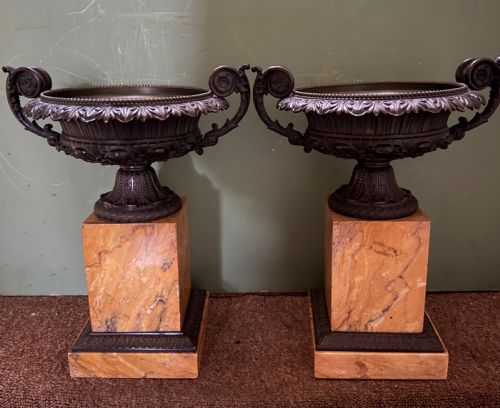
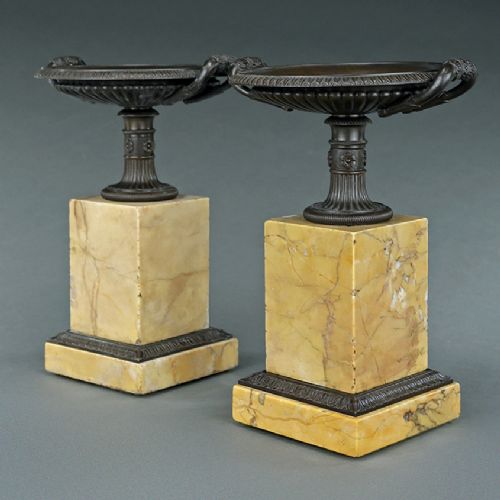
A french decorative plinth serves as an elevated platform for display, taking forms such as pedestals, columns, and stepped bases that support objects like urns, vases, and sculptures. These pieces originate across the nineteenth and early twentieth centuries, spanning periods from the French Empire and Neoclassical styles through to Art Nouveau and Art Deco.
The items you encounter here range from substantial marble columns and walnut pedestals to smaller bronze and spelter plinth bases integrated into clocks, candelabra, and night lights. Each version brings a distinct continental aesthetic to interior spaces, designed primarily to lift decorative arts into clear view.
Makers and artisans constructed these supports in various stylistic revivals, notably Rococo and Louis XVI, incorporating classical motifs and architectural proportions. Whether standing independently on the floor or sitting as a base on a table, every french decorative plinth anchors its display with architectural weight.
Materials and construction
Makers utilised a combination of natural stone, cast metals, and carved woods to build these display supports. Marble and granite provide weighty, durable foundations for columns and bases, while gilt-bronze, ormolu, and spelter offer detailed cast ornamentation.
Surface decoration often involves gold leaf, gesso, paint, and hand-painting techniques applied to wood, plaster, or metal substrates. Carved walnut and gilded surfaces appear frequently, reflecting the cabinetmaker and metalworker skills of the nineteenth and early twentieth centuries.
French Decorative Plinth Retail Price Guide 2026
Typical asking prices for french decorative plinth among the pieces listed under this phrase on Sellingantiques today, from the lower quarter to the upper quarter. They describe what is for sale here now, not the wider market.
Object forms range from floor-standing columns and pedestals to table clocks, wall brackets, and campana urns.
What separates the finest examples
The quality of a piece rests upon the precision of its casting, the depth of its carving, and the selection of materials. Fine marble columns show careful mineral grain and exact turning, while superior bronze and gilt mounts display sharp chasing and clean definition without soft edges.
Proportion and structural integrity distinguish exceptional examples from simpler utilitarian supports. Balanced weight distribution, refined surface finishes such as genuine gold leaf, and harmonious integration between the display base and its architectural details mark the upper tier of these works.
Marguerite
The French Decorative Plinth Glossary
- Ormolu
- Gilded bronze produced through a mercury amalgamation process, common in decorative mounts on nineteenth-century furniture and bases. This technique yields a rich, durable metallic finish.
- Spelter
- A zinc alloy used as a cost-effective alternative to bronze for cast figures and decorative elements. It takes patination and paint well, often mimicking heavier metals.
- Campana
- A bell-shaped urn or vessel form originating in classical antiquity, frequently mounted on plinth bases during the nineteenth century. The flared rim and deep bowl define the silhouette.
- Vert De Patricia
- A descriptive term for green marble varieties featuring characteristic mottled or veined patterns. It was favoured for columns and architectural pedestals.
- Rococo Revival
- A nineteenth-century design movement drawing on eighteenth-century French asymmetry, C-scrolls, and naturalistic plant motifs. It appears across pedestals, clocks, and wall brackets.
French Decorative Plinth: Frequently Asked Questions
What supported a french decorative plinth?
These pieces generally stand directly on the floor as architectural columns or pedestals, or rest on furniture surfaces as smaller bases for clocks and urns.
Their weight and construction ensure stable support for the decorative objects placed upon them.
How do I date a french decorative plinth?
Dating relies on identifying stylistic markers such as Neoclassical proportions, Empire ornamentation, Art Nouveau curves, or Art Deco geometric lines.
Material choices, including nineteenth-century marbles, spelter, and cast bronze, also help establish the period of manufacture.
Where should I place a plinth?
Columns and pedestals suit corners, entryways, or focal points in a room where they can elevate sculptures, vases, or urns to eye level.
Smaller plinth bases integrate naturally onto mantelpieces, sideboards, or library tables alongside associated decorative objects.
What is the difference between spelter and bronze?
Bronze is a heavy copper alloy known for durability and sharp cast detail, whereas spelter is a softer zinc alloy used as an economical alternative.
Bronze generally accepts finer chasing and patination, while spelter often carries applied paint or lighter metallic finishes.