
Antique Display Stands
These antique display stands elevate treasures and elevate rooms, ranging from sturdy plant holders to glass-paned cabinets.
Antique Display Stands
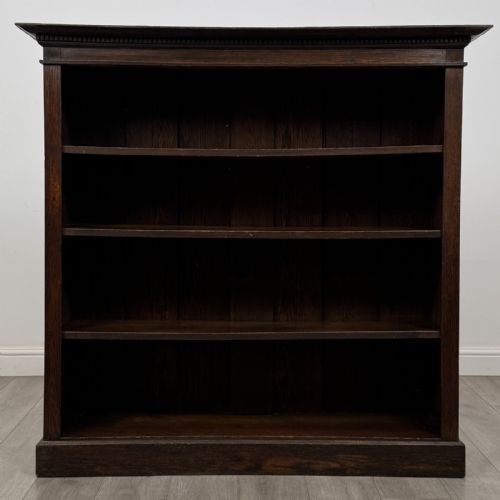
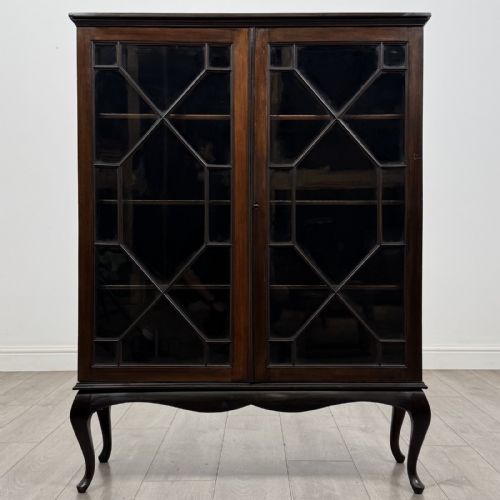
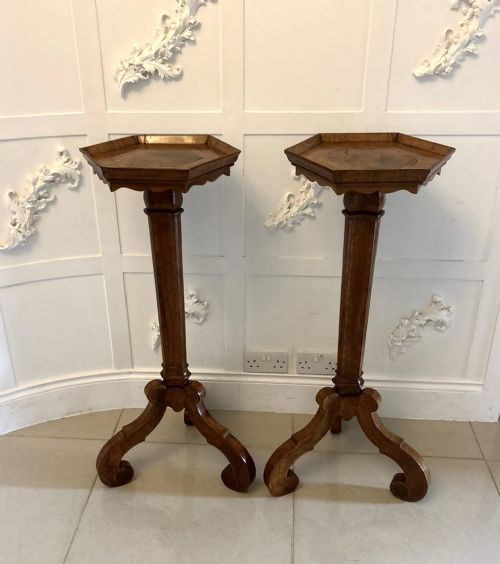
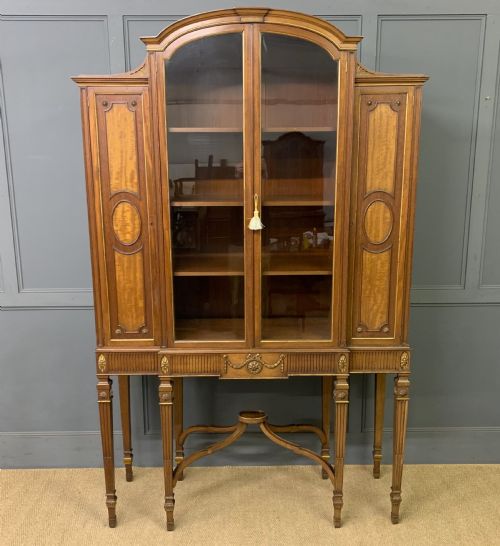
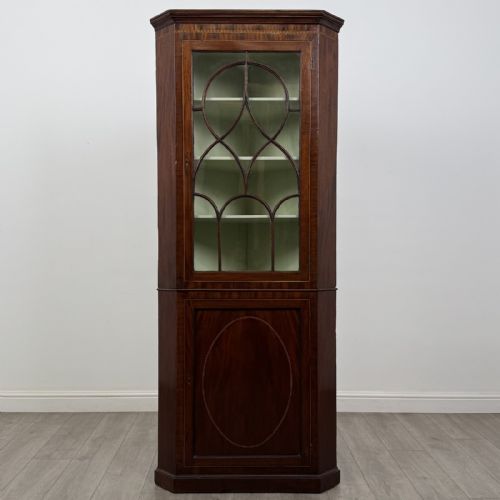
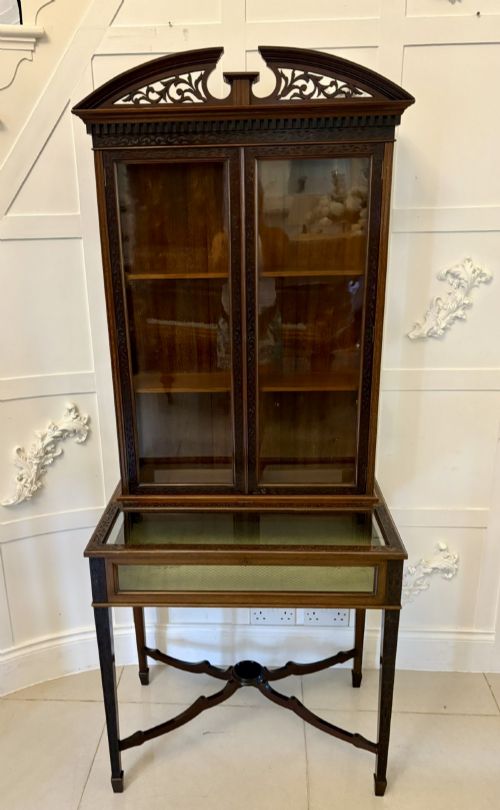
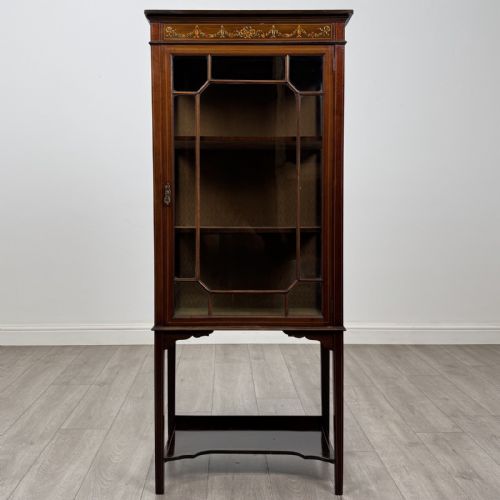
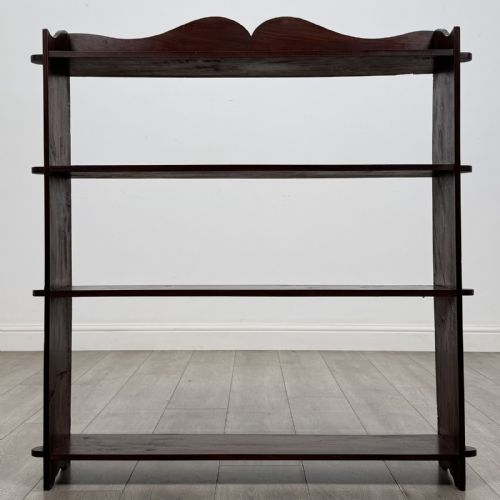
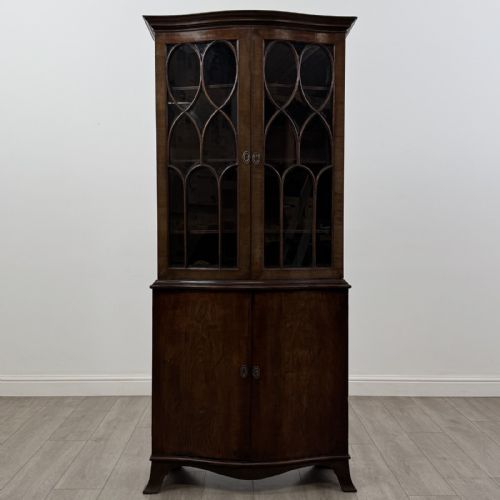
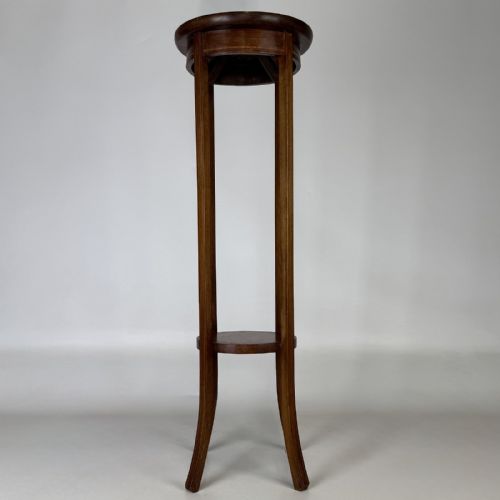
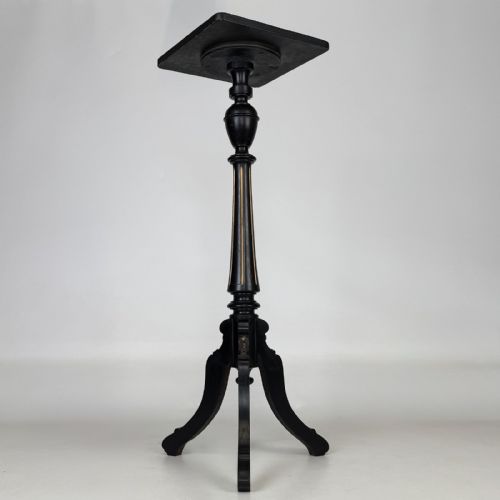
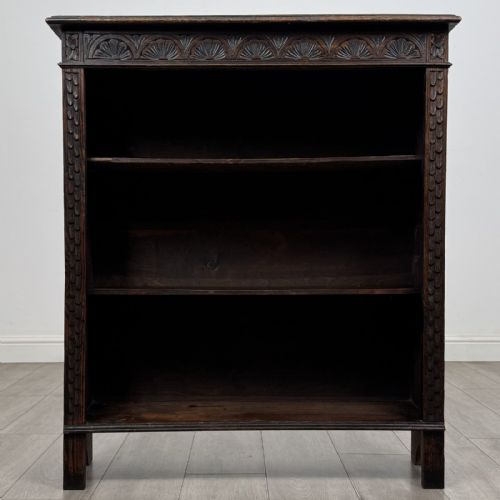
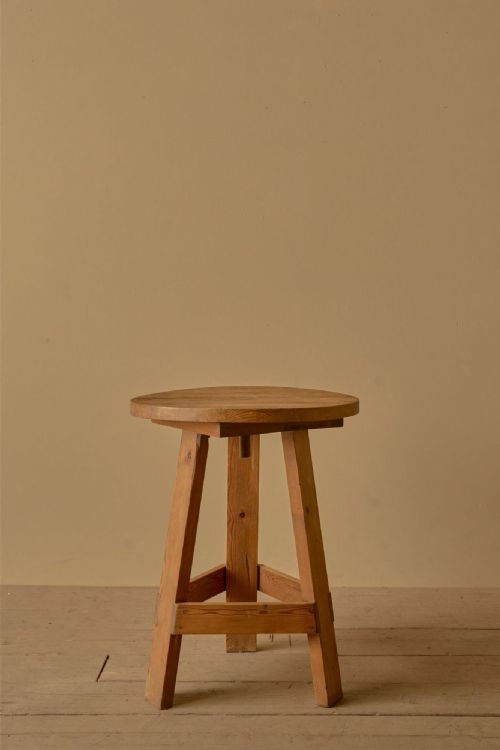
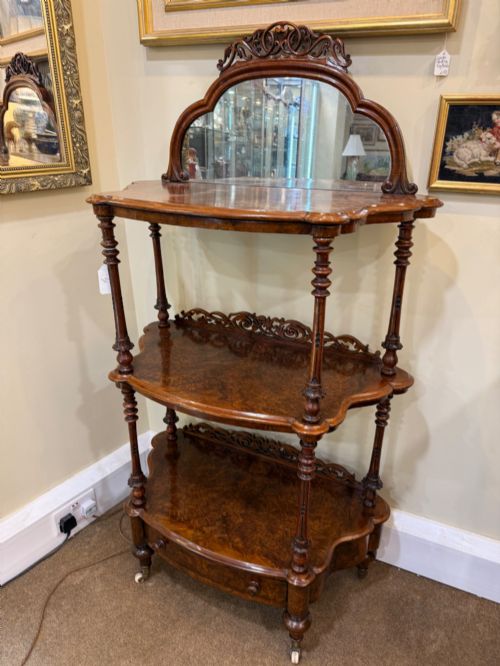
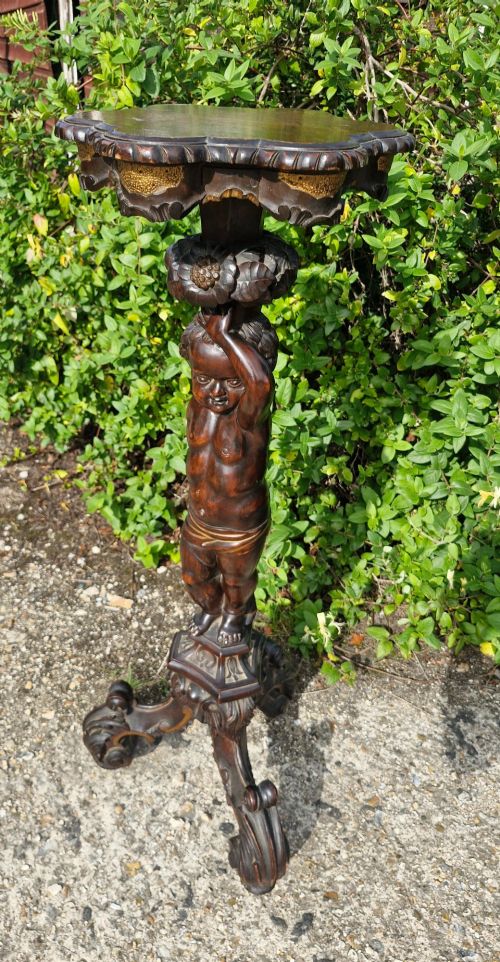
When searching for antique display stands, buyers encounter a diverse selection of furniture designed to showcase decorative objects, books, and plants. The pieces on this page span several centuries and styles, taking the form of multi-tiered whatnots, glazed cabinets, plant stands, and carved pedestals.
The most common items meeting this description include Edwardian mahogany plant stands, Victorian burr walnut whatnots, and various open bookcases or side tables. Origins range from British workshops to French ateliers, Italian carvers, and East Asian cabinets.
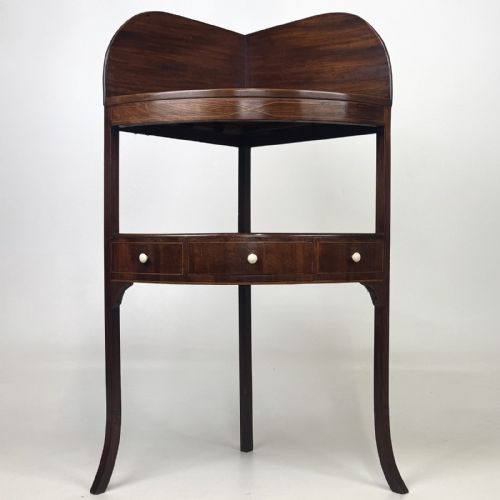
Forms adapt to specific domestic needs, from corner stands utilising awkward spaces to revolving bookcases and tall pedestals designed to lift sculptures into view. Each category serves to organise and present objects within a room.
How they were made
Cabinetmakers utilised robust hardwoods such as mahogany, oak, walnut, and satinwood, often embellishing surfaces with burr veneer, marquetry inlay, or mother of pearl. Brass fixtures, glass panels, and fabric linings appear frequently across the varied forms.
Construction techniques include hand-carved detailing on tripod bases, claw and ball feet, and structural joinery suited to multi-tiered shelving and revolving mechanisms. Finishes range from ebonised treatments to polished natural wood grains.
Object forms include display cabinets, bookcases, side tables, plant stands, whatnots, occasional tables, pedestals, and plinths.
What varies in quality
Distinctions in quality rest upon the selection of timber, such as highly figured burr walnut or fine satinwood, paired with the precision of hand-carved ornamentation. Pieces marked as exhibition quality or featuring elaborate inlay demonstrate superior craftsmanship.
Structural integrity, the finesse of glazing bars, and the harmony of proportion separate standard utility items from finer examples produced during the Victorian and Edwardian periods.
The Antique Display Stands Glossary
- Whatnot
- A moveable set of open shelves, typically with three or more tiers, designed for displaying ornaments or books. These pieces gained immense popularity during the Victorian period.
- Étagère
- A French term for a piece of furniture consisting of a set of open shelves for holding small objects. They often feature delicate satinwood or inlaid timbers.
- Vitrine
- A glass-fronted cabinet or display case specifically designed for exhibiting fine porcelain, glass, or curiosities. They protect delicate items while offering all-round visibility.
- Astragal
- A small convex moulding used to hold the glass panes within cabinet doors. These form the delicate wooden lattice work seen on Georgian and later bookcases.
- Pedestal
- A support or base for a statue, urn, or plant stand. They lift objects to eye level and often feature square or column-like proportions.
Antique Display Stands: Frequently Asked Questions
What is an antique whatnot?
An antique whatnot is a multi-tiered shelving unit designed specifically to hold small ornaments, books, and decorative objects.
First appearing in the Georgian era and flourishing through the Victorian period, these pieces served as functional display furniture in drawing rooms.
How do I choose a plant stand?
Selecting a plant stand involves considering the weight and footprint of the plant alongside the stability of the base. Tripod bases and lower shelves offer added balance for heavier pots.
Materials range from carved mahogany to ebonised wood and brass, allowing the stand to match existing interior furnishings.
Where should I place a display cabinet?
Display cabinets work best in rooms with natural light where glass panels can showcase contents effectively without direct sun damage. Corner cabinets utilise empty wall junctions, while freestanding vitrines anchor larger spaces.
Ensure the floor is level, particularly with antique pieces featuring delicate legs or historical joinery.
What is the difference between a whatnot and an étagère?
A whatnot typically refers to a multi-tiered shelving unit of British origin with structural uprights, used for general display and storage. An étagère is often a lighter, more decorative French form of tiered shelving.
Both serve the same primary function of elevating and organising household objects.