





Walnut Sculpture Stand
A walnut sculpture stand gives any room a focal point, lifting art off the floor with heavy carving and rich dark timber.
Walnut Sculpture Stand
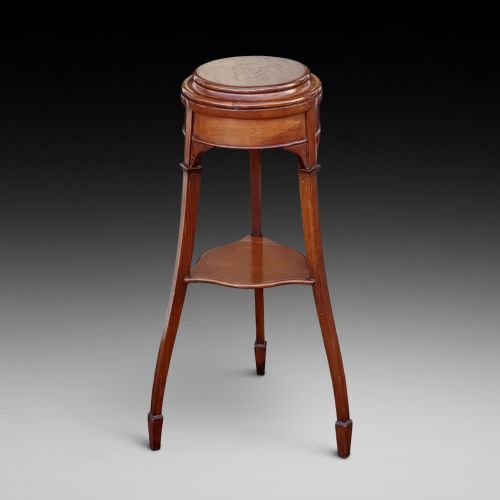
A walnut sculpture stand elevates decorative objects, figures, and urns to eye level in a room. These pieces take various forms, including torcheres, pedestals, columns, and console tables designed to display three-dimensional works.
Most examples found here date from the nineteenth century, though the selection reaches back to the seventeenth century and forward into the Art Deco period. Continental workshops dominate the origins, with Italian, French, and Black Forest makers creating ornate supports.
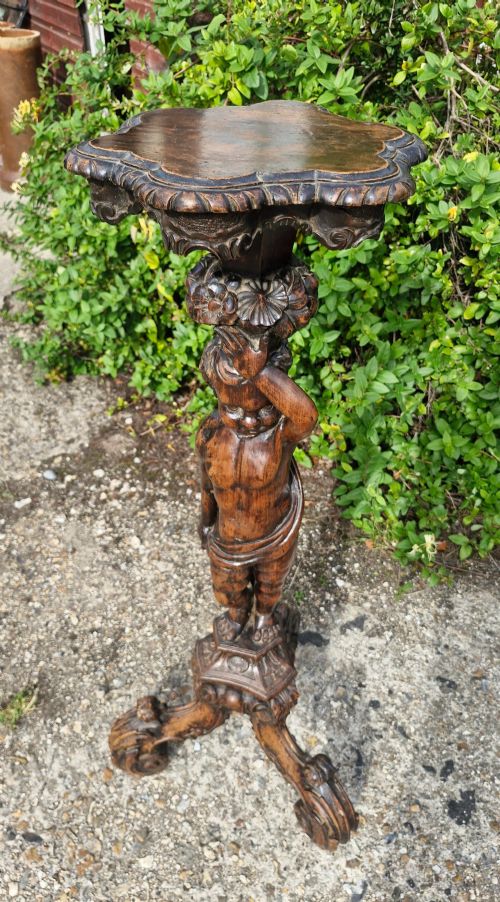
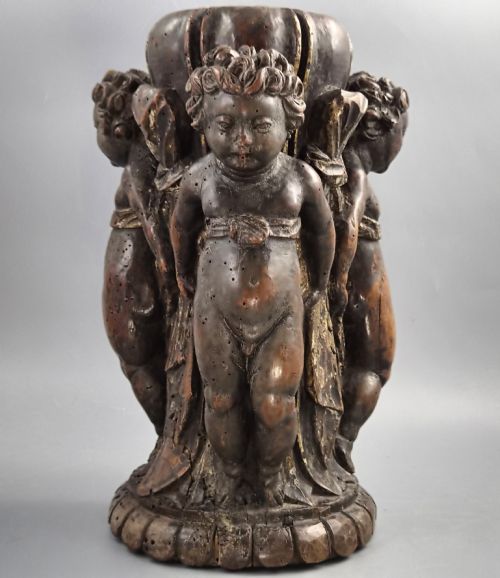
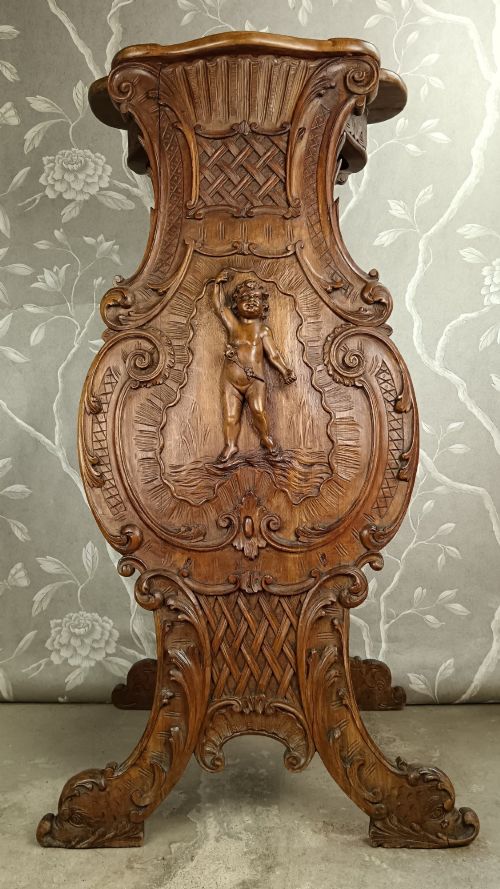
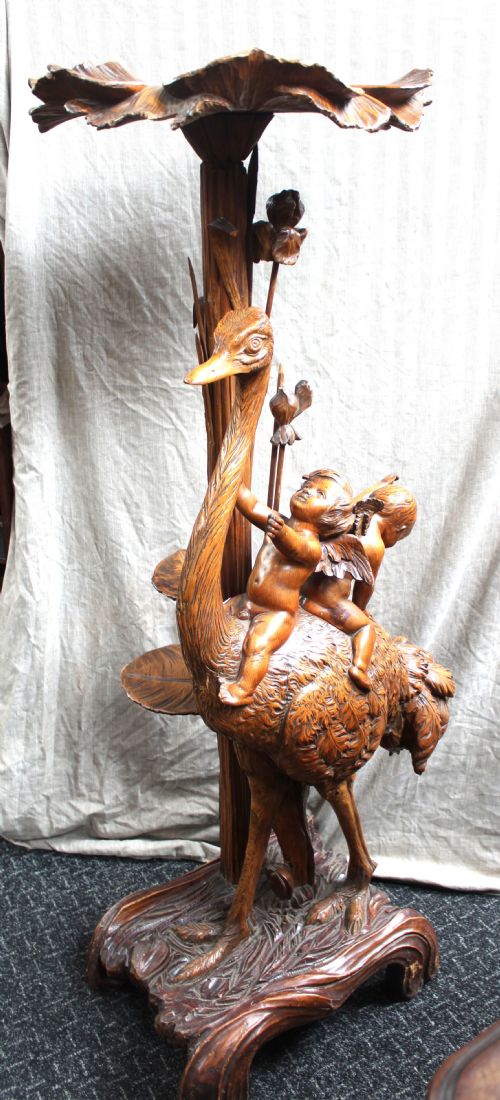
Forms range from classical fluted columns to figurative stands carved with putti, bears, or eagles. Buyers encounter both utilitarian display surfaces and highly sculptural bases where the stand itself rivals the art it carries.
What varies in quality
The depth and ambition of the carving separate standard turned columns from sculptural masterworks featuring figures, animals, or complex architectural motifs. Precision in the anatomical rendering of putti or wildlife marks the upper tier of production.
The choice of timber creates further distinction, particularly where burr walnut or Macassar ebony is employed to pattern the surfaces. Integration of secondary materials like marble tops or ormolu mounts indicates a higher workshop expenditure.
Walnut Sculpture Stand Retail Price Guide 2026
Typical asking prices for walnut sculpture stand among the pieces listed under this phrase on Sellingantiques today, from the lower quarter to the upper quarter. They describe what is for sale here now, not the wider market.
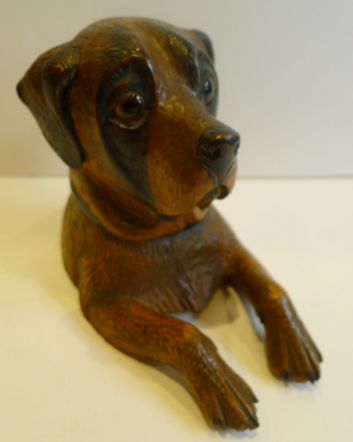
A carved bear holds up the weight of the room in several Black Forest pieces.
Gillow & Co.
The Walnut Sculpture Stand Glossary
- Torchiere
- A tall stand or floor lamp designed to hold a light or a small sculpture. These slender supports often feature column or figurative bases.
- Burr walnut
- A prized wood veneer showing swirling, knotty grain patterns formed by growths on the tree. It adds rich texture to flat surfaces on pedestals and tables.
- Ormolu
- Gilded bronze mounts applied to furniture and stands for decorative accent. This technique adds metallic highlights to carved wooden frames.
- Putto
- A chubby male child figure, often winged, carved into baroque and revival furniture. These figures frequently support the upper platform of Italian stands.
- Ebonised wood
- Timber stained or painted black to imitate ebony. This finish provides sharp contrast against natural walnut grain and gilt details.
Walnut Sculpture Stand: Frequently Asked Questions
What holds heavy sculptures safely?
Stands with broad tripod bases or heavy timber columns provide the necessary stability for dense marble or bronze pieces.
Heavier console designs and solid walnut pedestals distribute weight evenly across the floor surface.
How do I date a stand?
Stylistic cues such as Rococo curves, Baroque putti, or geometric Art Deco lines reveal the period of manufacture.
Wood types and the sharpness of the hand carving further indicate whether a piece originates in the seventeenth or the twentieth century.
Where should I place one?
These pieces suit corners, hallways, or focal points against living room walls where vertical display draws the eye upward.
Placement depends on the reach of the carving, as figures and torcheres demand enough surrounding space to be viewed from multiple angles.
Are these stands purely decorative?
While many function as sculpture bases, specific variations like hall stands incorporate practical storage elements for everyday use.
Console tables and plant stands combine decorative carving with usable flat surfaces for holding objects.