




Gilt Mounted Display Stand
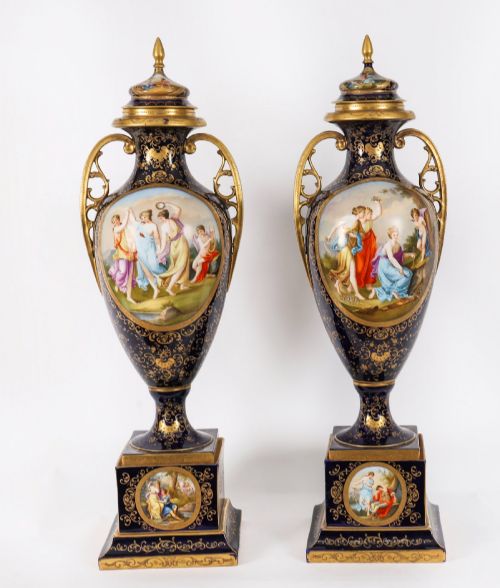
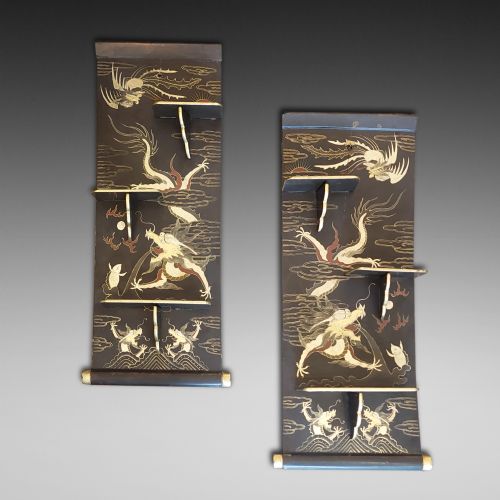
These gilt mounted display stand pieces bring period architectural presence to interiors through carved timber and metal mountings.
Gilt Mounted Display Stand
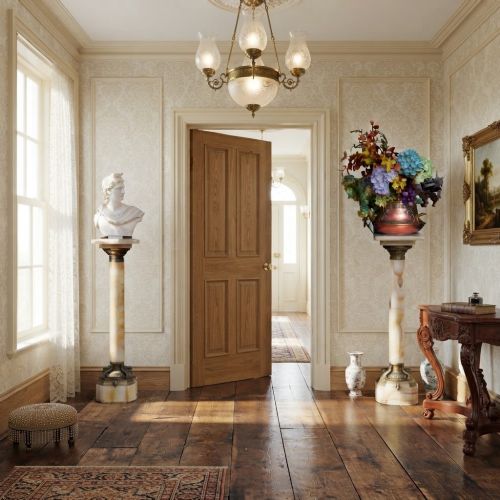
When you search for a gilt mounted display stand, you are looking at tall columnar supports, etageres, cabinets on stands, and occasional tables designed to elevate objects of curiosity. These pieces serve to lift sculptures, clocks, and decorative items to eye level within a room.
The most common forms on this page include marble and onyx columns fitted with metal collars, alongside walnut, mahogany, and kingwood etageres. You will also encounter occasional tables and pedestals ranging from the eighteenth century through to the Edwardian period.
Origins stretch across French workshops and British Victorian cabinet makers, displaying styles from French Rococo and Louis XV to Neoclassical and Chinoiserie. Each form balances a solid structural core with decorative metalwork to catch the light.
How they were made
Timbers such as mahogany, walnut, kingwood, and satinwood form the structural carcasses, often enhanced by intricate marquetry, parquetry, or lacquering. Cabinet makers applied these veneers over sturdy secondary woods to create rich patterned surfaces on etageres and cabinets.
Mounts of ormolu, gilt bronze, brass, and gilt metal provide the characteristic metallic highlights around collars, feet, and corners. These cast and chased bronze elements were secured to stone columns, marble tops, and wooden stands to reinforce corners and frame panels.
Gilt Mounted Display Stand Retail Price Guide 2026
Typical asking prices for gilt mounted display stand among the pieces listed under this phrase on Sellingantiques today, from the lower quarter to the upper quarter. They describe what is for sale here now, not the wider market.
Listings feature pieces spanning the eighteenth century, the Victorian era, and the Edwardian period.
What varies in quality
The precision of the metal casting and the crispness of the chasing separate standard items from finer workshop pieces. Superior mounts show sharp detail in the foliage and scrollwork rather than soft, smoothed edges from worn moulds.
The selection of timber veneers and the weight of the stone, such as genuine marble or translucent onyx, dictate the physical substance of the piece. Denser marbles and finely matched parquetry patterns reflect greater labour and higher material cost during production.
Donald Ross
The Gilt Mounted Display Stand Glossary
- Ormolu
- Gilt bronze mounted on furniture or decorative objects. This technique involves applying a gold amalgam to a bronze base and heating it to drive off the mercury.
- Etagere
- A set of open shelves for displaying small ornaments. These tiered stands developed in France and became popular for holding porcelain and bric-a-brac.
- Parquetry
- Geometric patterns formed by inlaid wood veneers. Craftsmen arranged contrasting timbers like walnut and mahogany to create optical illusions of depth.
- Vernis Martin
- A type of simulated Japanese lacquer developed in France. Furniture makers used this lustrous varnish technique to decorate panels with pastoral or Asian scenes.
- Jardiniere
- A decorative stand or container designed to hold plants. These pieces often feature waterproof liners and elaborate gilt metal mounts.
Gilt Mounted Display Stand: Frequently Asked Questions
What is a gilt mounted display stand used for?
These pieces elevate sculptures, bronzes, and decorative ceramics to make them focal points in a room.
They also serve as functional surfaces for lamps or small decorative objects while adding architectural character to empty corners.
How do I identify a French nineteenth century piece?
Look for characteristic timber choices such as kingwood and mahogany combined with chased ormolu mounts.
Stylistic cues like French Rococo curves or Louis XV motifs often point to continental workshop production from this era.
Are marble and onyx columns stable?
The stone sections provide substantial weight at the top or base, keeping the centre of gravity low.
Heavier columns require flat flooring to ensure balance when supporting heavy display items.