


20th Century Pedestals
These 20th century pedestals span diverse woods and revival styles, offering sturdy support for display and work in any interior.
20th Century Pedestals
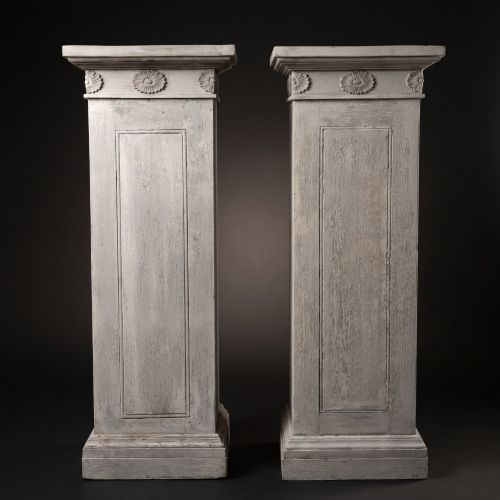
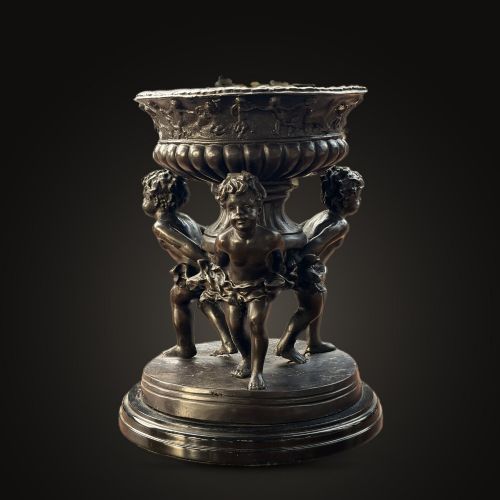
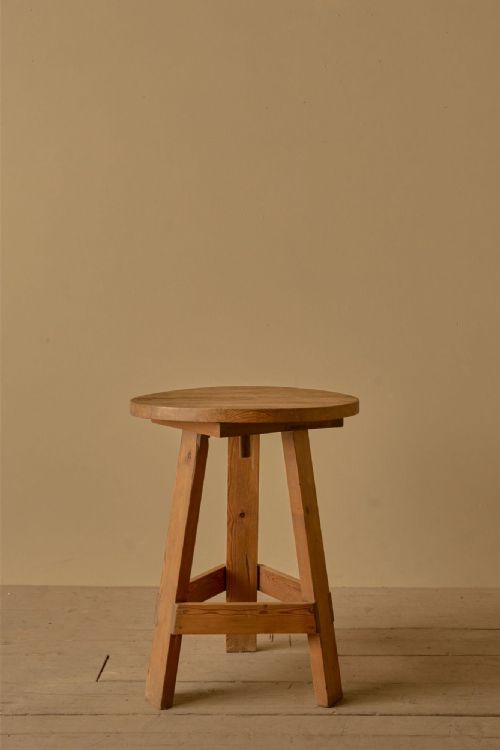
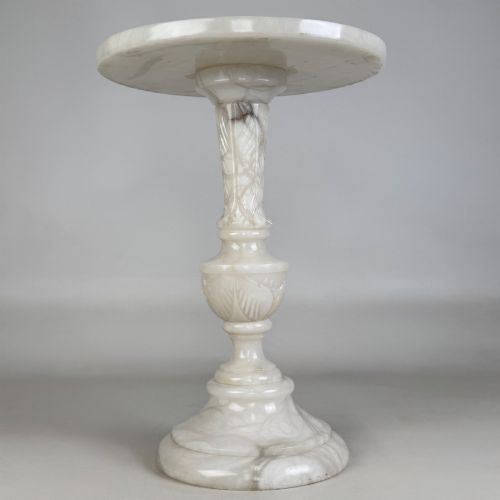
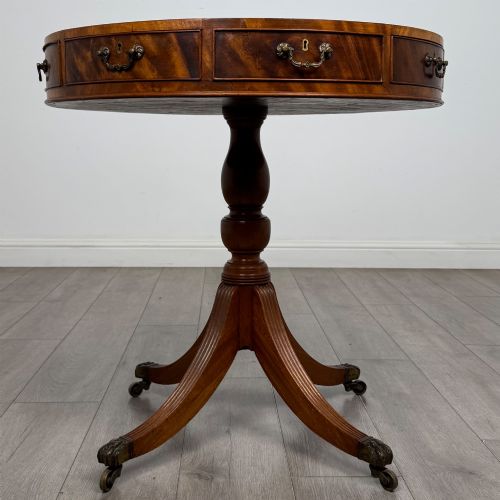
When you search for 20th century pedestals, you encounter supports, columns, and plinths designed for display, alongside heavy pedestal desks made for writing. These pieces range from the Edwardian period through the 1920s and 1930s up to later decades.
Makers and workshops constructed these items within various design revivals, drawing on French Empire, Neoclassical, and Arts and Crafts traditions. Each piece serves either a functional workspace role or a purely decorative display purpose.
Factors of quality
The refinement of carved detail and cast metal mounts separates standard items from superior examples. Finishes on woods, from polished mahogany to ebonised birch, demonstrate the care taken during production.
Structural integrity depends upon the selection of timber and the precision of the joinery. Pieces retaining original hardware and undamaged stone or brass components display higher integrity.
20th Century Pedestals Retail Price Guide 2026
Typical asking prices for 20th century pedestals among the pieces listed under this phrase on Sellingantiques today, from the lower quarter to the upper quarter. They describe what is for sale here now, not the wider market.
Listings feature items from the Edwardian era, the 1920s, and the 1930s, constructed in mahogany, oak, walnut, brass, and marble.
Maple and Co·Mappin and Webb·Nathan and Hayes·Josef Lorenzl
The 20th Century Pedestals Glossary
- Pedestal
- A structural support or base for a desk, statue, or urn. It carries weight vertically down to a stable foot.
- Plinth
- A heavy flat base or block supporting a statue, column, or vase. It sits directly on the floor to elevate display objects.
- Ormolu
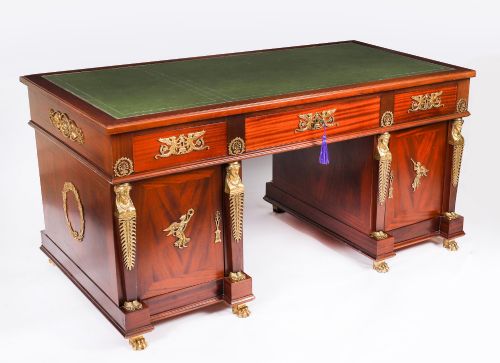
- Gilded bronze used for decorative mounts on furniture. It adds metallic lustre to timber surfaces.
- Partners desk
- A large double-sided writing table with pedestals on both sides. It allows two people to work opposite each other.
- Ebonised
- Wood finished with a dark stain or polish to imitate ebony. This treatment creates a dense black surface.
20th Century Pedestals: Frequently Asked Questions
What is a pedestal desk?
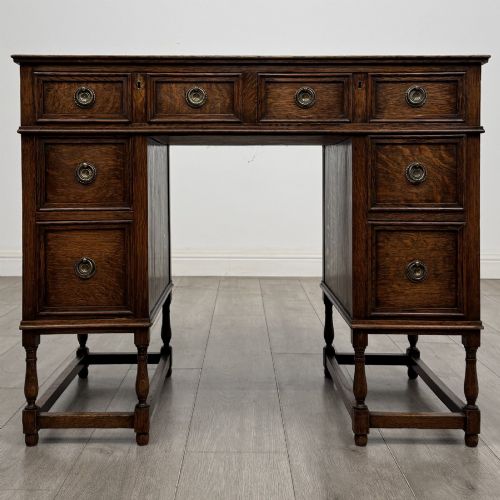
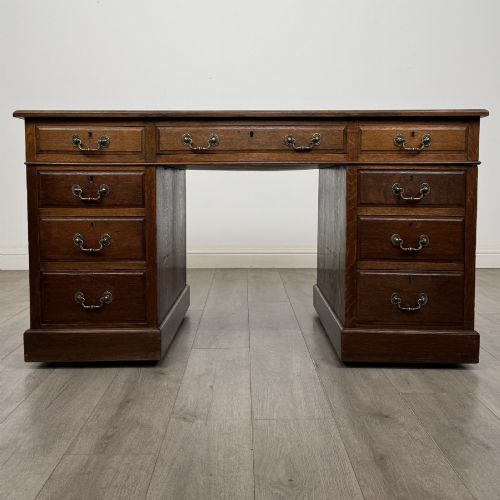
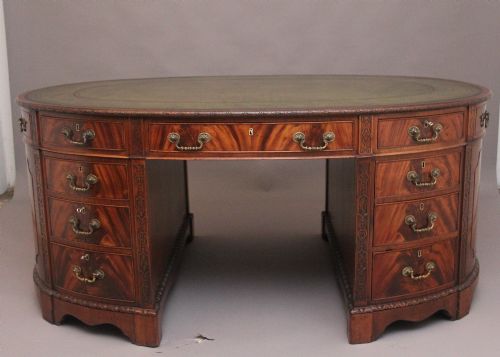
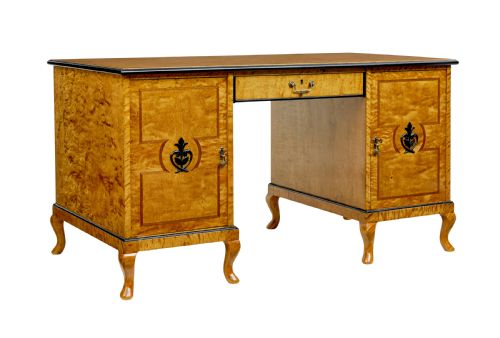
A pedestal desk is a large writing table supported by two vertical banks of drawers rather than four separate legs. This construction provides substantial storage space on both sides of the kneehole.
Such desks were common in offices and studies throughout the early decades of the century. They frequently feature leather-inset writing surfaces and detailed timber veneers.
How are wooden pedestals cleaned?
Wooden pedestals require gentle dusting with a soft, dry cloth to remove surface particles. Avoid chemical polishes that can damage historic finishes.
Periodic application of suitable wax helps nourish timber surfaces like mahogany or oak. Keep these pieces away from direct heat sources and moisture.
What styles influence these pieces?
Designs draw heavily on historical revival movements including French Empire, Neoclassical, Georgian, and Regency styles. Makers also incorporated Arts and Crafts and Art Deco aesthetics.
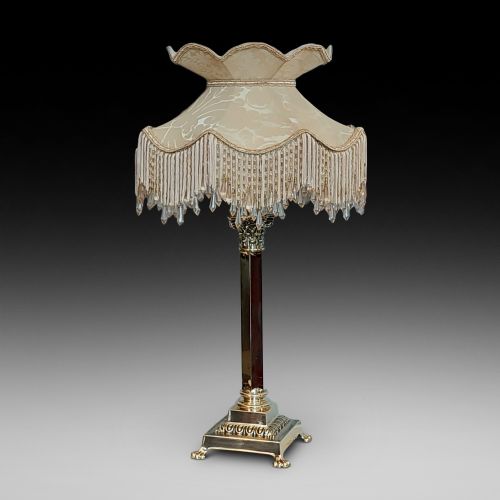
These revivals reinterpreted older architectural motifs, such as Corinthian columns and brass mounts, for twentieth-century interiors.
Where should a plinth be placed?
A plinth functions best in a room corner or against a neutral wall where it can support a sculpture, lamp, or vase. Its primary purpose is elevation and display.
Ensure the floor surface is level to maintain stability for heavier items like marble or bronze objects placed on top.