

Antique Yew Wood Chair
When you search for an antique yew wood chair, you enter the world of English vernacular seating built for comfort and durability.
Antique Yew Wood Chair
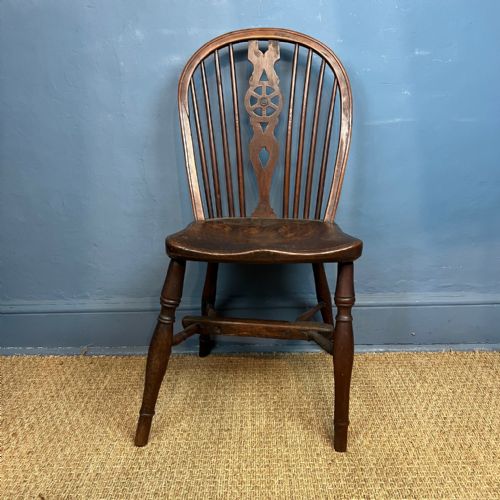
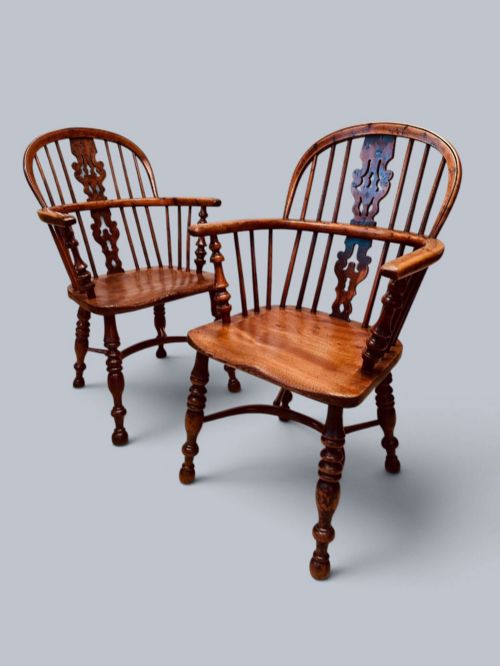
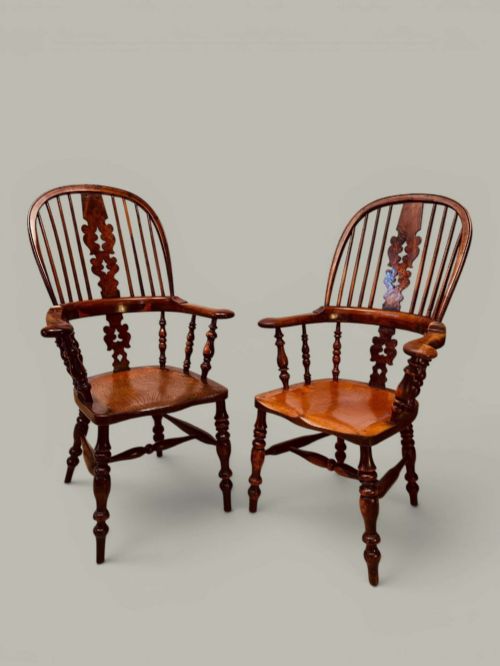
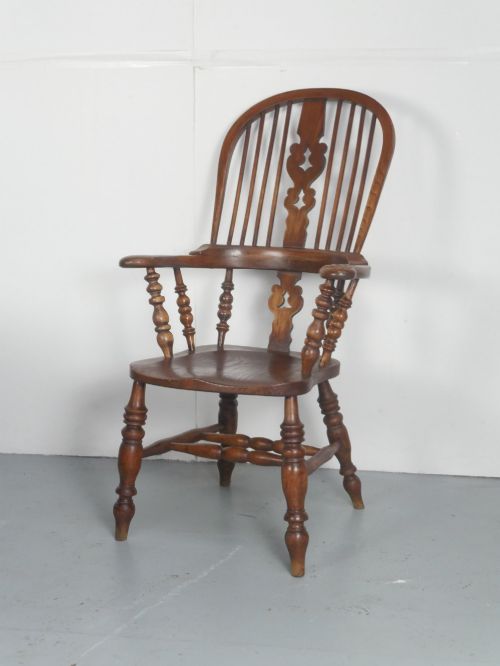
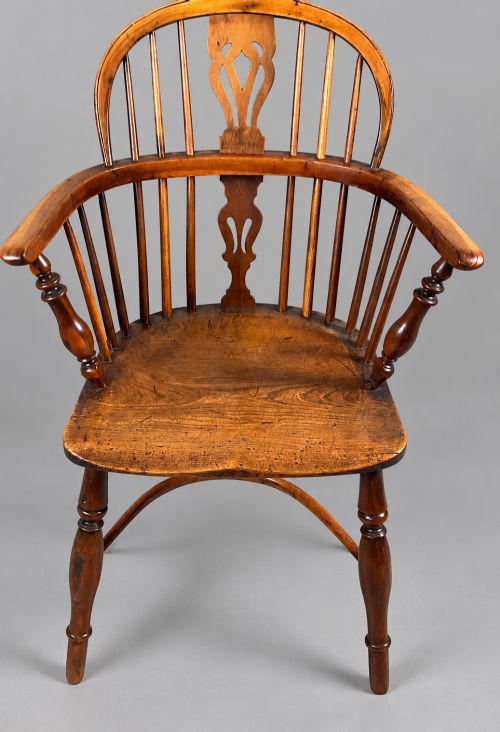
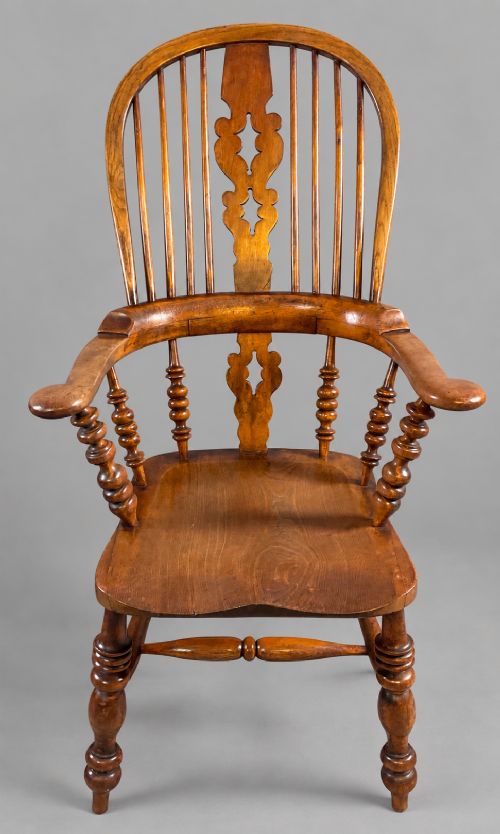
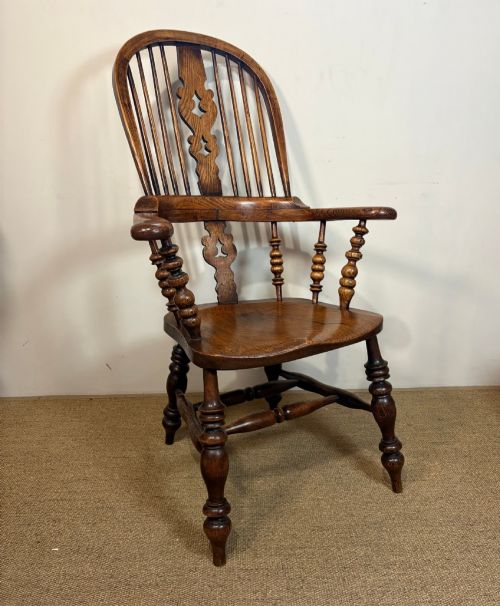
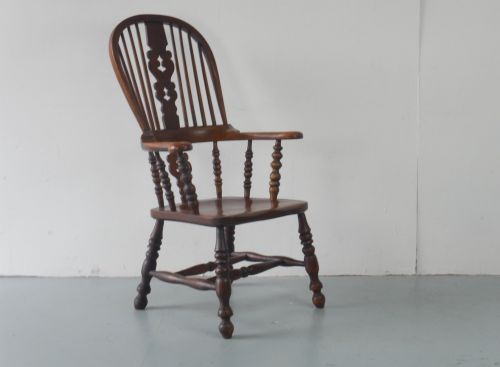
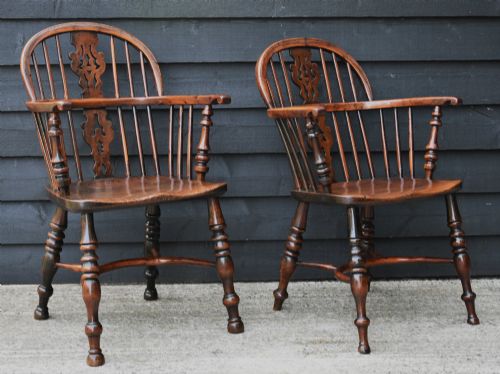
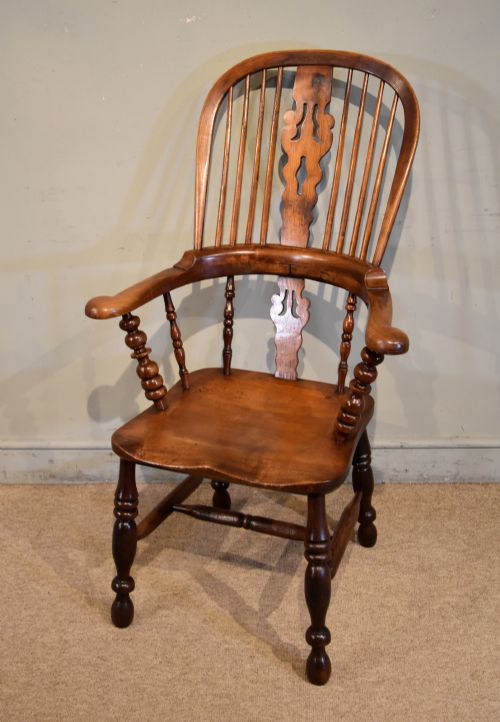
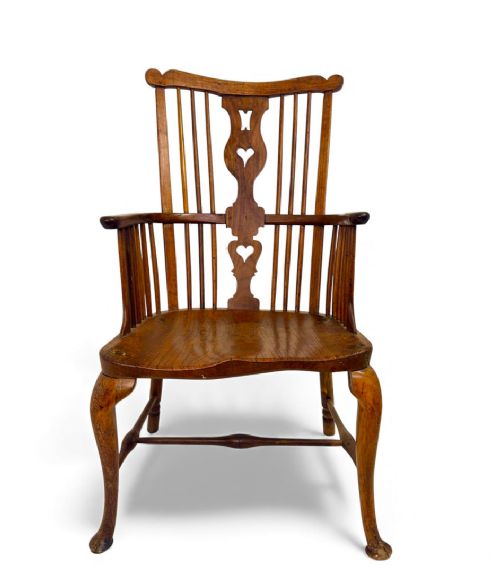
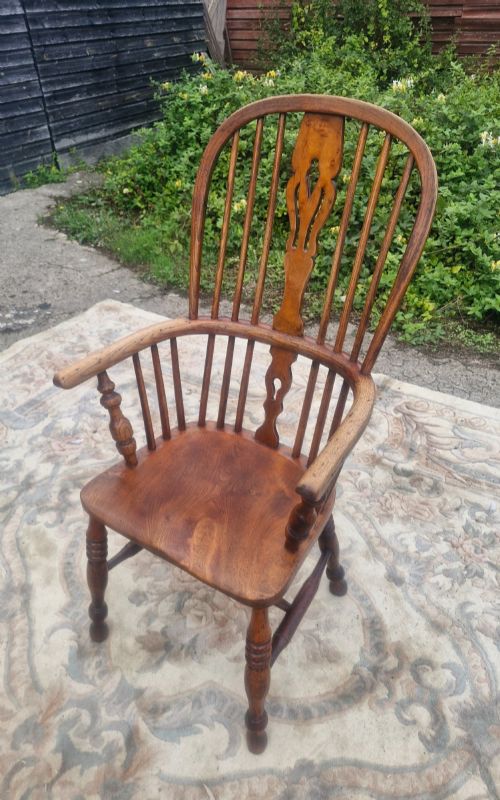
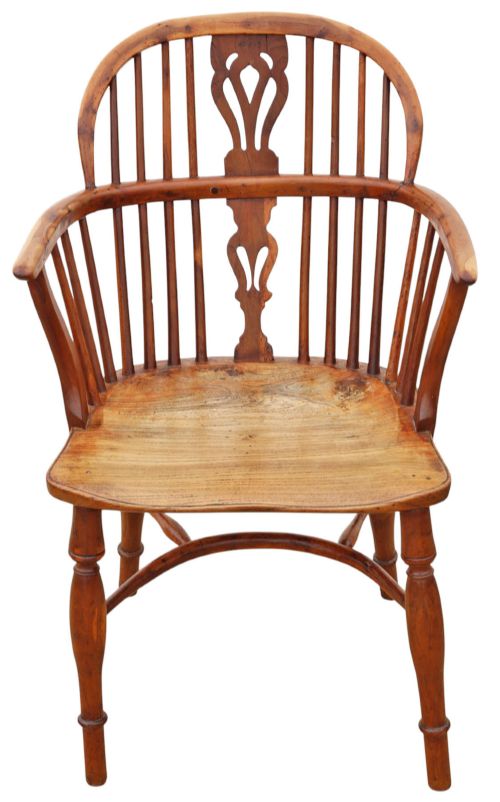
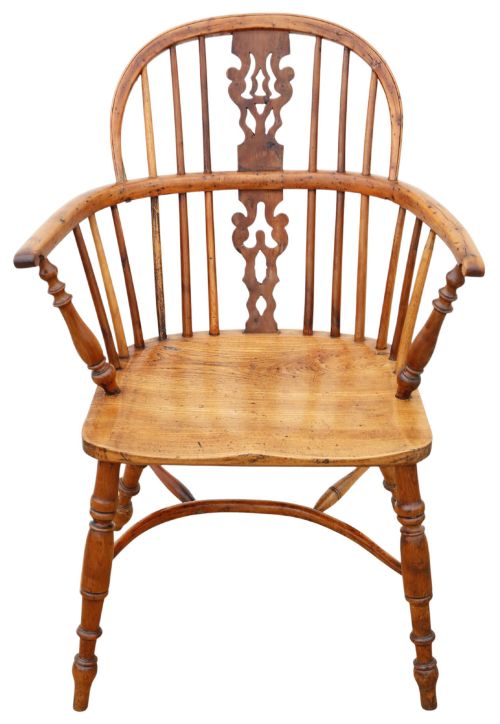
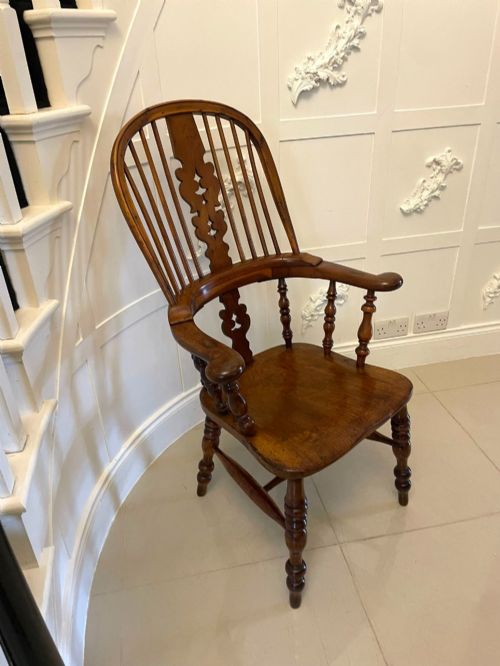
The antique yew wood chair primarily takes the form of the traditional Windsor armchair, alongside low-back, comb-back, and hoop-back variants designed in English country workshops. These pieces span from the Georgian period through the Victorian era, reflecting regional vernacular traditions particularly in the Thames Valley and Lincolnshire. Buyers most frequently encounter Windsor armchairs and carver chairs that combine robust construction with expressive grain patterns.
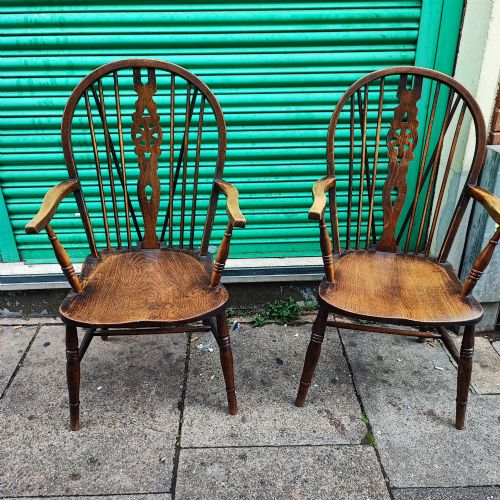
Makers often paired the rich figuring of yew with elm for the seat planks, ash for the spindles, and occasionally fruitwood or beech for structural accents. Surviving examples range from primitive farmhouse seating to refined Gothic revival and wheel-back designs created for domestic studies and country houses. The integration of local timber resources produced varied forms, from children's armchairs to matched sets of six dining chairs.
Materials and construction methods
Country joiners built these chairs using a combination of turned green wood and seasoned timber, employing cleft ash for flexible back-bows and spindles. Yew wood provided dense, highly figured material for arms and comb-backs, while thick elm served for the sculpted saddle seats. Component parts were typically fitted together using tenon joints secured with wedges, creating a rigid frame without metal fasteners.
Regional workshops relied on pole lathes to turn legs and stretchers, often incorporating crinoline stretchers for added rigidity between the legs. Makers shaped the seats using adzes and drawknives to achieve a comfortable, concave depression before inserting the upper framework. The natural oils in yew and elm allowed the exposed timber to take on a deep patina through decades of handling.
Antique Yew Wood Chair Retail Price Guide 2026
Typical asking prices for yew wood chair among the pieces listed under this phrase on Sellingantiques today, from the lower quarter to the upper quarter. They describe what is for sale here now, not the wider market.
Listings demonstrate that 18th-century and 19th-century makers frequently combined yew, elm, and ash within a single chair frame.
Distinctions in quality and origin
Quality in these pieces depends heavily on the expressiveness of the yew grain and the harmonious blending of secondary woods like ash and elm within a single frame. Superior examples display slender, well-proportioned spindles and crisply turned leg stretchers rather than heavy, clumsy replacement parts. The depth and comfort of the adzed saddle seat also separate standard utilitarian seating from finer regional work.
Attribution to known regional centres or recorded makers elevates certain examples, particularly those originating from Thames Valley or Nottinghamshire workshops. The survival of original surface finishes without excessive stripping or modern varnishing preserves the tonal contrast between the honey-coloured yew and darker elm components. Matching sets demonstrate greater scarcity than individual armchairs, influencing how collectors evaluate the grouping.
J Spencer·Gabbitass Worksop·John Brand of Sleaford·William Wheatland·Nicholson Rockley
The Antique Yew Wood Chair Glossary
- Windsor chair
- A wooden chair constructed with a thick carved seat into which the legs and back spindles are separately inserted. This design relies on a central bow or comb to support the back.
- Crinoline stretcher
- An arched wooden brace connecting the legs of a Windsor chair in a continuous horseshoe curve. It provides structural reinforcement while offering a rest for the feet.
- Comb-back
- A chair back style featuring a low, horizontal crest rail supported by vertical spindles, resembling the teeth of a comb. It typically terminates in shaped arm supports.
- Hoop-back
- A continuous bentwood bow forming both the arms and the upper back of a chair. This single piece of timber is steam-bent into a curve and tenoned directly into the seat.
- Vernacular furniture
- Domestic objects made by local rural craftsmen using regional timbers and traditional methods rather than adhering to formal metropolitan design styles.
Antique Yew Wood Chair: Frequently Asked Questions
How do I identify a Thames Valley Windsor?
Thames Valley Windsor chairs typically display refined turning, generous proportions, and the use of high-grade yew wood combined with elm seats. Makers in this region often incorporated decorative splats and crinoline stretchers into their designs.
These pieces usually date from the eighteenth or early nineteenth centuries and reflect a higher degree of urban influence in their country vernacular construction.
Can these chairs be used around a dining table?
Many of these chairs functioned as dining or carver seating historically, though individual seat heights and arm clearances can vary. Selecting matched sets or comparable single chairs ensures appropriate scaling for daily dining use.
Their sturdy construction and ergonomic saddle seats make them practical for modern seating, provided the historical joints remain stable and secure.
Why do these chairs combine different woods?
Country chairmakers utilised local timbers according to their specific mechanical properties, pairing flexible ash for bent bows with dense yew for arms. Elm was selected for seats because its interlocking grain resisted splitting when carved into a deep saddle shape.
This multi-wood construction was a practical response to material availability in rural English workshops rather than an aesthetic choice.