



Antique Worcester Porcelain Pair
An antique worcester porcelain pair brings symmetrical elegance to a room, offering matched artistry from historic English kilns.
Antique Worcester Porcelain Pair
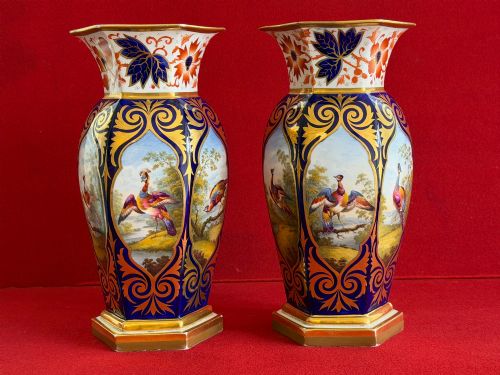
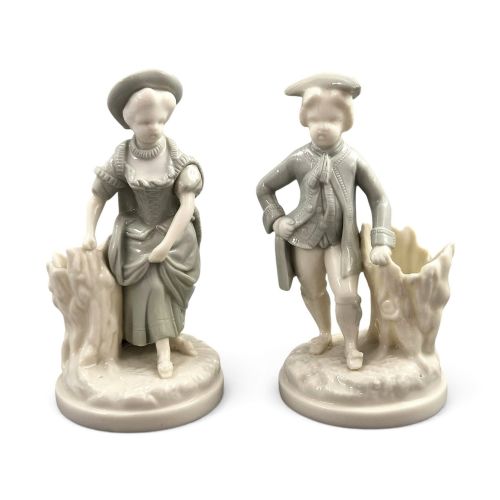
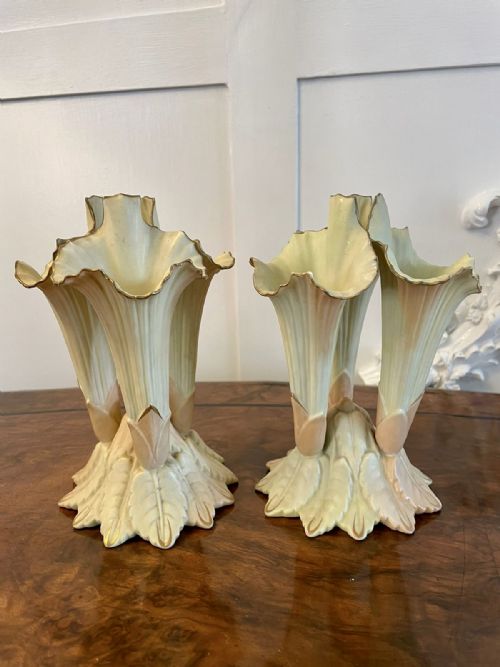
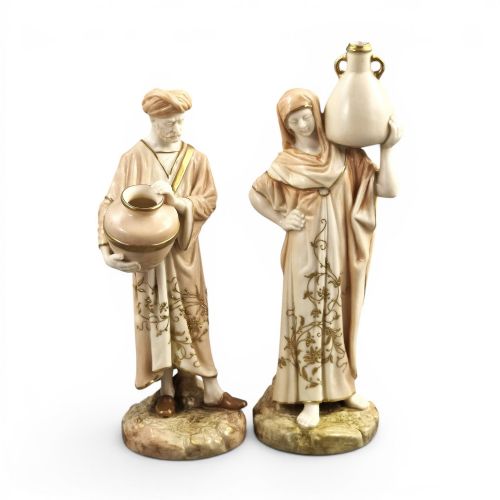
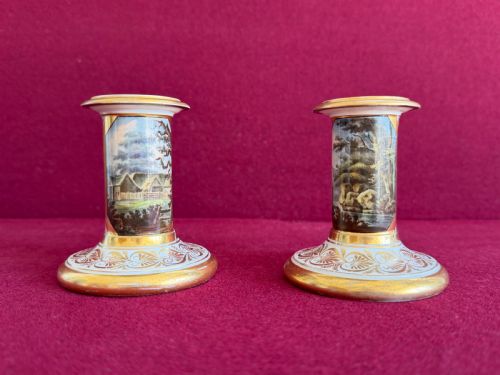
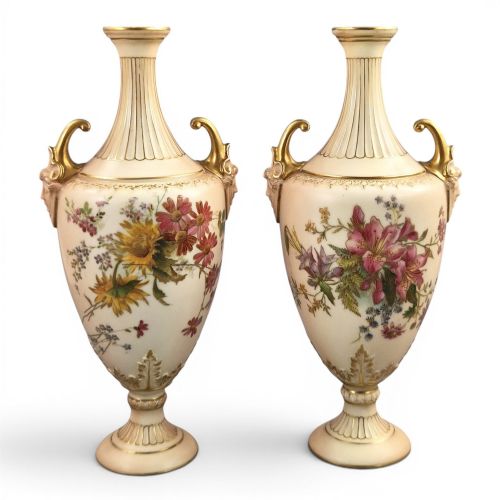
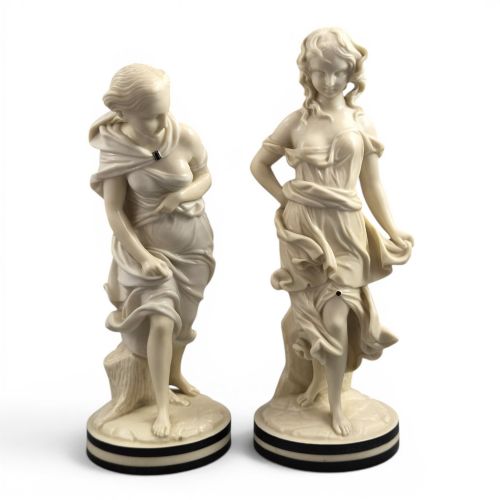
An antique worcester porcelain pair consists of balanced companion pieces, including vases, cache-pots, figures, and cabinet plates designed for symmetrical display. The evidence shows these matched sets spanning from the eighteenth century through the Georgian, Regency, and Victorian eras into the twentieth century. Buyers encounter forms ranging from practical cream tureens and ice pails to decorative spill vases and figural salts.
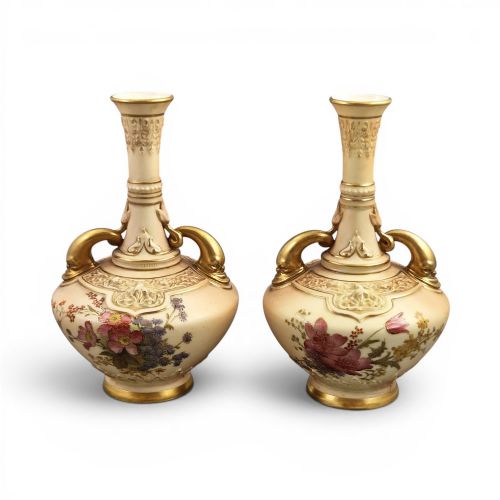
Early examples include First Period Worcester chestnut baskets and shell centrepieces, while later periods introduce blush ivory vases and painted animal scenes. Many pairs reflect specific styles such as Chinoiserie, Sevres style, and Victorian Orientalism. The grouping provides a complete decorative statement originally intended for mantelpieces, side tables, and dining room centrepieces.
Materials and Craftsmanship
The manufacture relies upon porcelain bodies, encompassing early soft-paste porcelain alongside later developments in bone china. Potters shaped these materials into intricate forms, incorporating moulded details like dolphin handles, shell motifs, and pedestal ovoid profiles. Glaze application sealed the body, creating a smooth ground for subsequent decoration.
Surface ornamentation involved hand-painted enamels, gilding with gold leaf, and rich gilt highlights. Skilled artists applied fine details, ranging from topographical views and botanical studies to painted fruit, birds, and cattle. Specialised techniques produced the distinctive blush ivory body found on many nineteenth and twentieth century pieces.
Materials recorded across the inventory include soft-paste porcelain, bone china, gold leaf, enamel, and blush ivory glaze.
Assessing Quality and Execution
Quality depends upon the crispness of the porcelain moulding and the refinement of the glaze surface. Superior pieces exhibit precise symmetry in matched pairs, ensuring that forms, handles, and proportions align harmoniously. The complexity of the underlying body, whether delicate soft-paste or fine bone china, dictates much of the physical weight and presence.
The artistry of the painted decoration elevates certain examples above standard production. Hand-painted naturalistic scenes by named artists demonstrate superior brushwork and compositional control compared to simpler patterned wares. Rich, thickly applied gilding and intricate enamel palettes further distinguish the higher tiers of factory output.
Flight Barr And Barr·Royal Worcester·Locke And Co·Chamberlain Worcester·Kerr And Binns
The Antique Worcester Porcelain Pair Glossary
- Soft-paste porcelain
- An early ceramic composition fired at lower temperatures, prized for its warm translucency and creamy glaze texture.
- Blush ivory
- A matte, cream-coloured ground introduced by Royal Worcester that mimics the appearance of real ivory, often enhanced with gilt accents.
- Gilding
- The application of gold leaf or powdered gold onto the porcelain surface to create decorative borders and highlights.
- Enamel
- Opaque glass-based pigments fused to the fired porcelain body during subsequent low-temperature kilning to introduce colour.
- Candelabra
- Branched lighting fixtures designed to hold multiple candles, frequently produced in matched pairs for formal display.
Antique Worcester Porcelain Pair: Frequently Asked Questions
What distinguishes First Period Worcester?
First Period Worcester refers to porcelain produced during the eighteenth century under the initial ownership and management of the factory. These pieces often feature early soft-paste bodies and distinctive blue and white or enamelled oriental patterns.
Collectors prize this era for its historical significance and hand-painted blue crescent or square fretted marks. The forms typically include functional tablewares and decorative baskets reflecting eighteenth-century dining customs.
How were antique Worcester pairs used?
Matched pairs served primarily as ornamental furnishings for formal reception rooms, flanking clocks or mirrors on mantelpieces. Ice pails and cream tureens fulfilled practical dining functions, while vases and spill vases held flowers or simply decorated side tables.
The symmetrical arrangement of objects formed a cornerstone of period interior design. Placing companion pieces at balanced distances created visual harmony within a room.
Who painted Royal Worcester animal scenes?
Specialised artists within the factory, such as Harry Stinton, James Stinton, and Charles Baldwyn, executed detailed naturalistic animal studies. Their work depicted subjects like highland cattle, pheasants, and swans against subtle background landscapes.
Signed pieces by these notable painters command particular interest among collectors. The artistry transforms standard decorative vases into miniature canvases showcasing nineteenth and twentieth-century wildlife painting.
How do you date nineteenth century Worcester?
Dating relies upon factory date codes impressed or printed on the base of the porcelain, alongside stylistic shifts. The Regency era favours classical shapes and topographical views, while the later Victorian period introduces blush ivory bodies and figural salts.
Changes in factory partnerships, such as Flight, Barr & Barr or Kerr & Binns, provide precise chronological markers. Examining the specific mark helps determine the exact decade of manufacture.