
Gilt Porcelain Pair Vases
These gilt porcelain pair vases bring symmetrical elegance to a mantelpiece, uniting ceramic bodies with gleaming metallic enrichment.
Gilt Porcelain Pair Vases
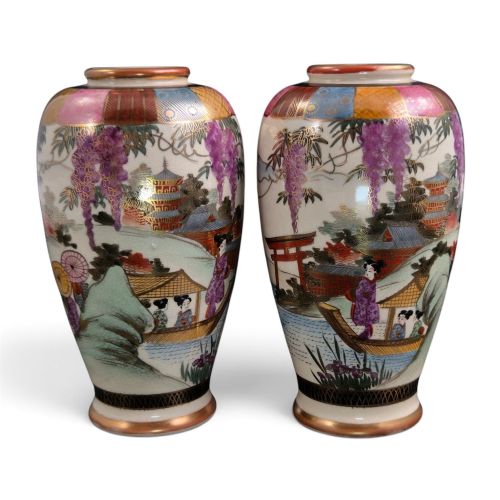
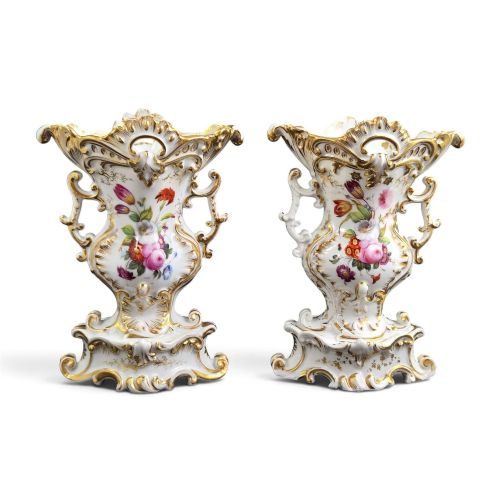
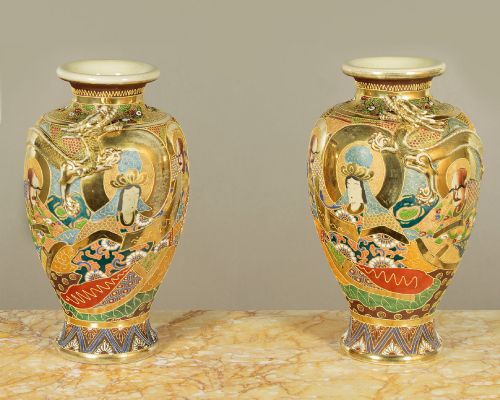
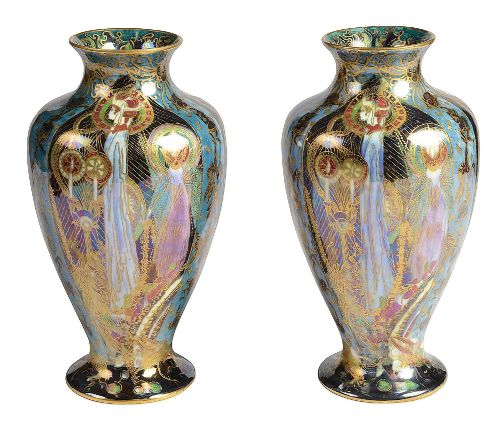
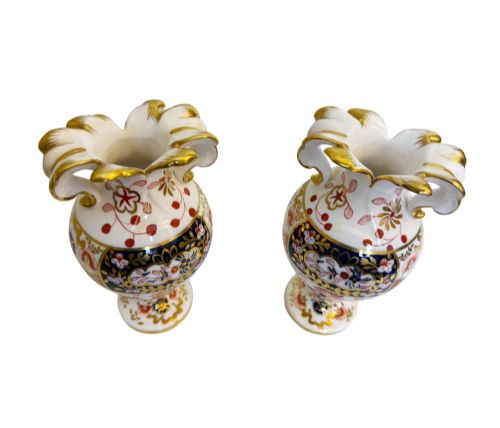
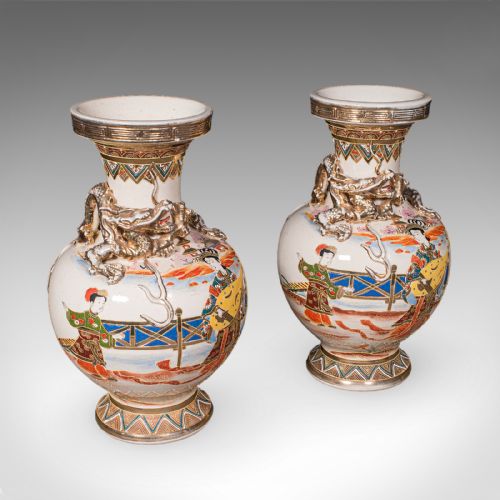
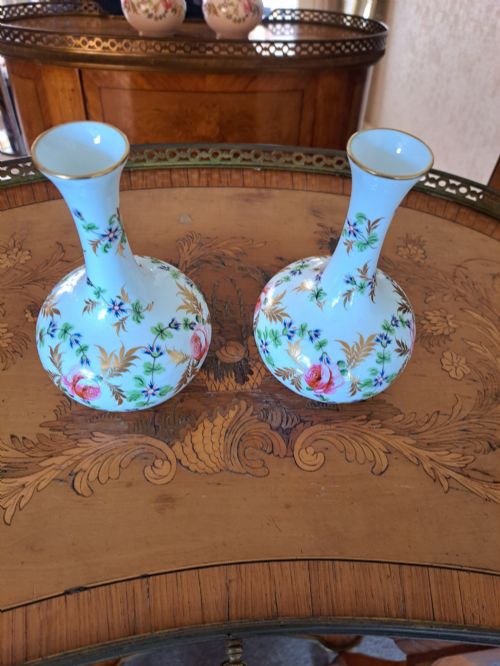
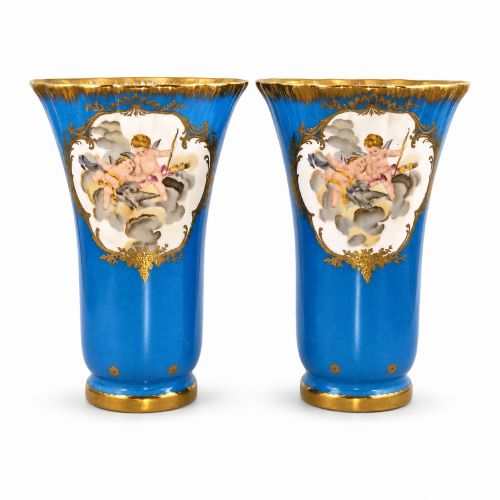
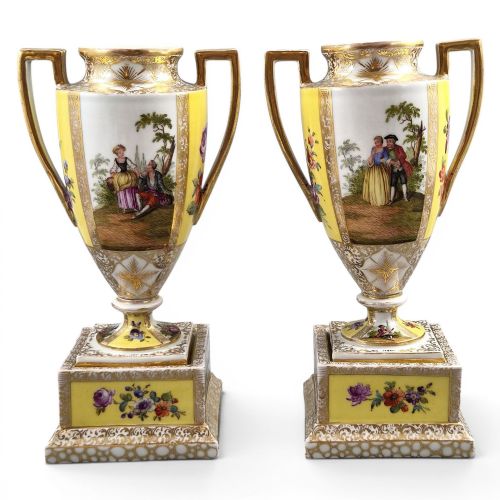
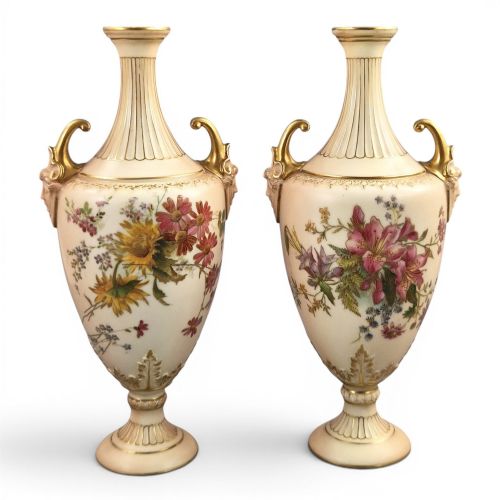
When searching for gilt porcelain pair vases, collectors encounter dual ornamental vessels fashioned from ceramic and metal across the nineteenth and early twentieth centuries. These matching items encompass continental European porcelain urns, Japanese Satsuma ceramics, and English factory productions designed for formal display.
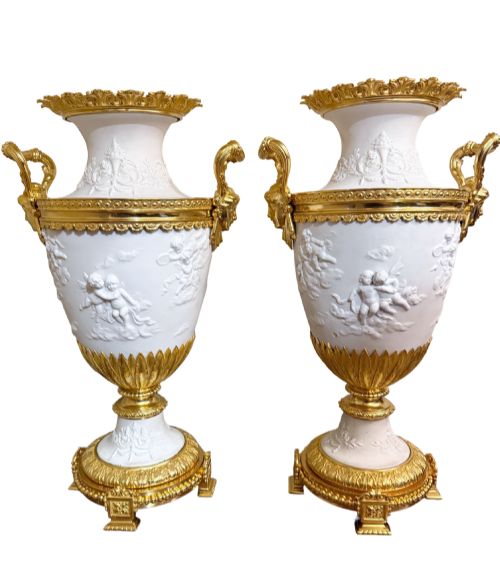
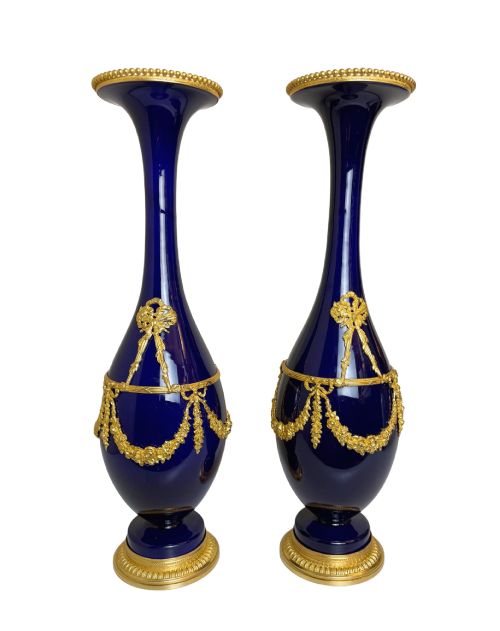
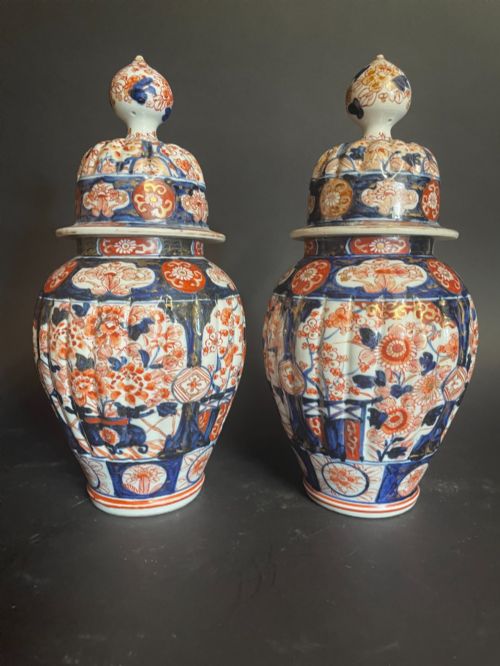
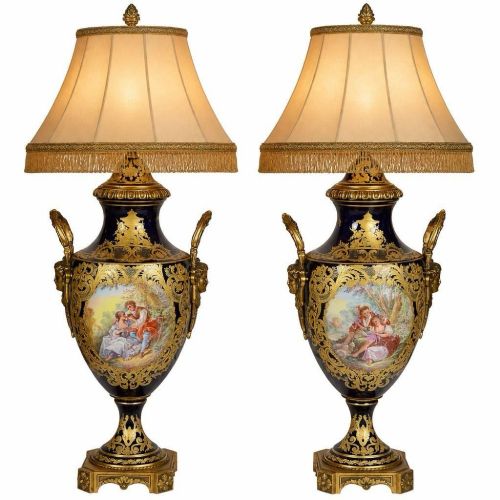
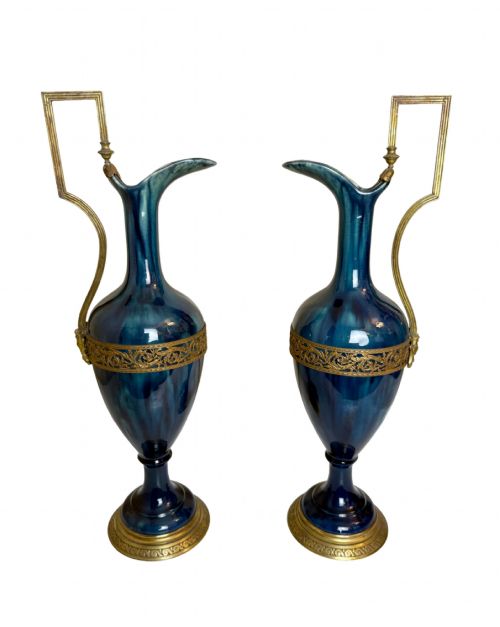
The objects most frequently met on this page span the Victorian and Edwardian eras, often taking the form of baluster vases, lidded jars, or campana shapes. Many examples incorporate mounts of gilt bronze, ormolu, or brass that frame the painted porcelain panels.
How they were made
Potters shaped the ceramic bodies using porcelain, earthenware, or ironstone before applying cobalt, enamel, or blush ivory ground colours. Artisans then hand-painted floral, landscape, or figural scenes directly onto the glazed surfaces.
Metalworkers added structural reinforcement and decorative accents by incorporating cast gilt bronze, brass, or ormolu mounts. Gold leaf and liquid gold gilding were hand-applied to highlights, handles, and rims to catch the light.
Listings feature items from the 18th century through the Edwardian period, utilising porcelain, earthenware, and ormolu mounts in diverse international styles.
What varies in quality
The distinction between standard decorative items and exhibition pieces rests upon the precision of the hand-painted brushwork and the crispness of the ceramic moulding. Maker attributions to notable studios such as Sèvres, Royal Worcester, or Kinkōzan elevate the standing of a matched pair.
Quality also manifests in the weight and detail of the metal mounts, where finely chased ormolu surpasses plain cast brass. The harmony of the matching pair and the preservation of the delicate gilding determine the desirability of the set.
Jacob Petit·Royal Worcester·Crown Derby·Helena Wolfsohn·Kinkōzan
The Gilt Porcelain Pair Vases Glossary
- Ormolu
- A gilt bronze finish applied to decorative mounts and trimmings. This technique imparts a rich golden sheen to the metal components of nineteenth-century vessels.
- Baluster
- A vase shape characterised by a rounded lower body that tapers towards a narrow neck and flared rim. It provides a balanced silhouette frequently utilised in European and Asian ceramics.
- Satsuma
- A type of Japanese earthenware featuring a crackle-glaze ivory body decorated with intricate enamel and gold motifs. These wares were widely exported during the Meiji period.
- Campana
- An antique vase form styled after classical inverted bells with flared lips and scroll handles. They were popular in Regency and Victorian interior decoration.
- Bleu Céleste
- A vibrant sky-blue enamel ground colour developed at the Sèvres porcelain factory. It forms a striking background for gilded details and painted cartouches.
Gilt Porcelain Pair Vases: Frequently Asked Questions
What are gilt porcelain pair vases?
These matching decorative vessels combine ceramic bodies with gold leaf, gilt bronze, or ormolu embellishments. They were produced in pairs to achieve symmetrical balance in formal interior displays.
Craftsmen across Europe and Japan manufactured these items in various styles ranging from Rococo revival to traditional Satsuma aesthetics.
How were these vases used?
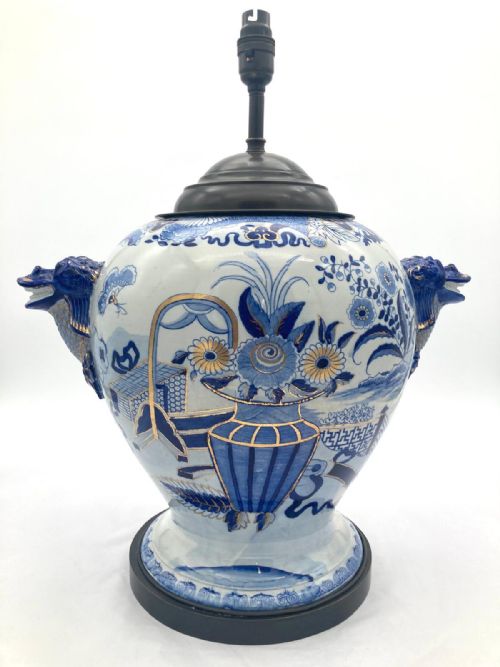
Victorian and Edwardian households placed these matching vessels on mantelpieces, pedestals, or console tables for purely decorative effect. Some larger examples functioned as lidded jars or were later converted into table lamps.
Exported Japanese pieces served to satisfy Western appetites for exotic Eastern craftsmanship during international exhibitions.
How do I live with them?
Position the pair symmetrically on a sturdy surface away from direct sunlight to protect delicate hand-painted enamels and gold leaf. Ensure they rest where foot traffic will not risk accidental contact with protruding handles or mounts.
Dust them gently with a soft, dry brush to maintain the finish without introducing moisture to vulnerable gilt surfaces.
How do I tell periods apart?
Examine the stylistic markers, such as the exuberant scrolls of nineteenth-century French revival pieces or the intricate floral motifs of Meiji period Satsuma ceramics. Factory marks, artist signatures, and underlying paste colours offer reliable clues to dating.
Cast metal mounts and glazing techniques also shift noticeably between the Regency era and the later Edwardian period.