




Antique Wool Floor Mat
An antique wool floor mat brings grounded texture and rich regional colour to a room through centuries-old nomadic and village weaving traditions.
Antique Wool Floor Mat
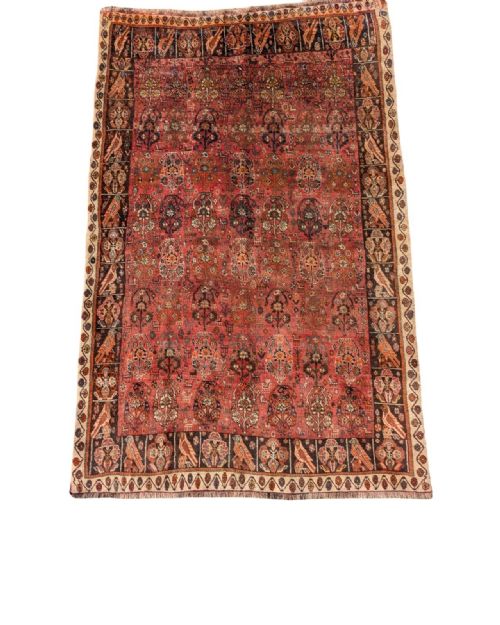
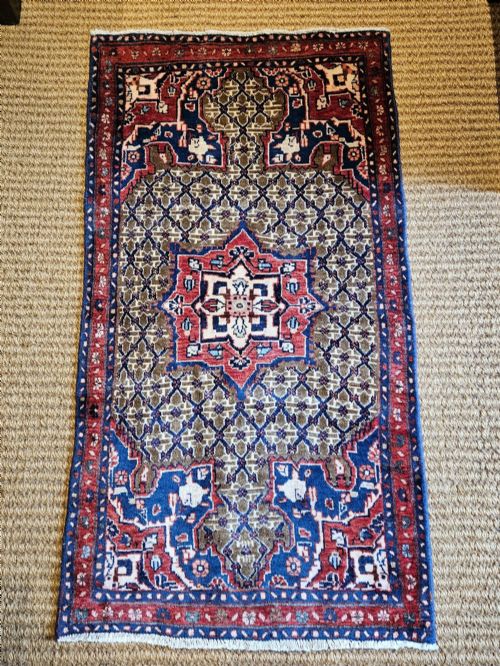
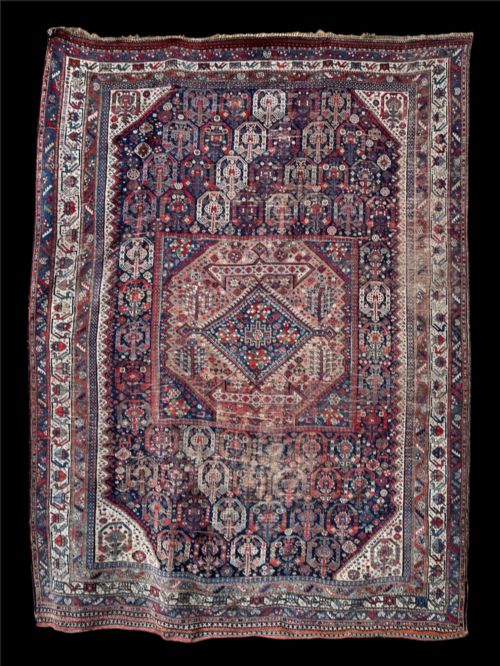
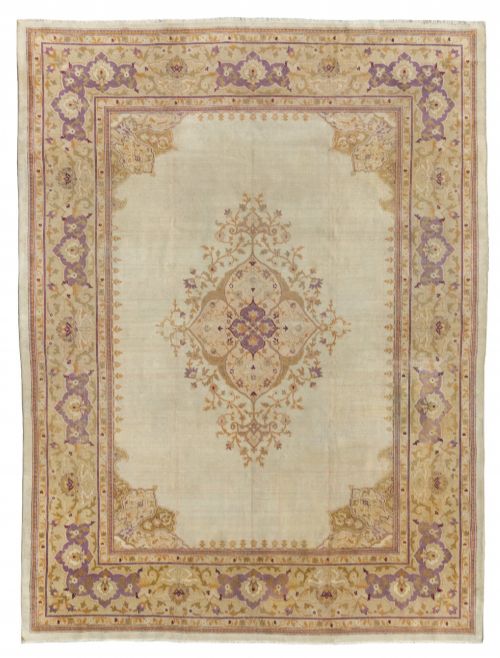
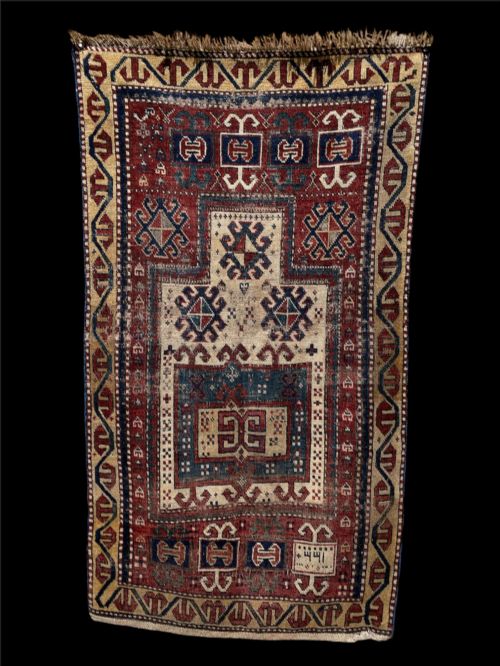
When you search for an antique wool floor mat, you encounter hand-knotted and flatwoven floor coverings originating from Persian, Caucasian, Anatolian, and Central Asian regions. These pieces span from the late nineteenth century into the early decades of the twentieth century, encompassing village and tribal artistry.
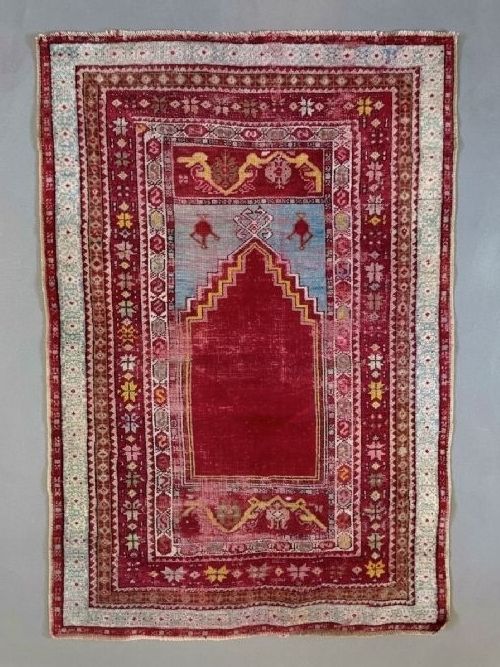
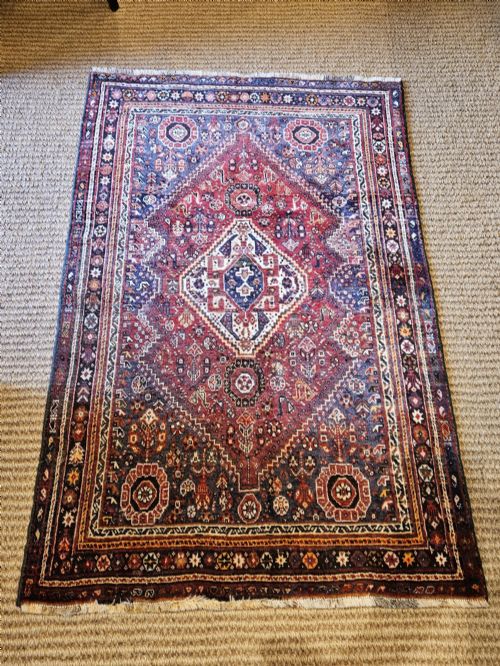
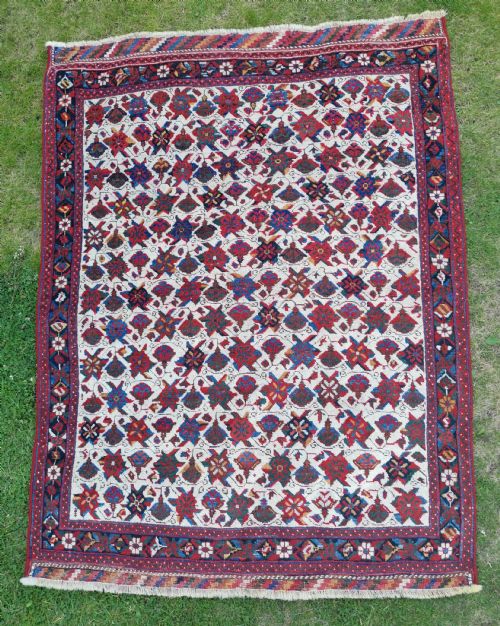
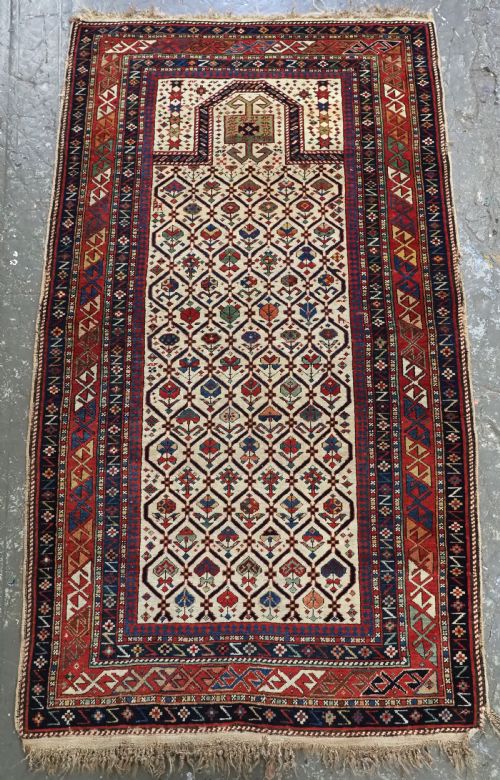
The most common formats you meet on this page are room-size carpets, area rugs, hallway runners, and prayer rugs woven by specific confederacies and tribes such as the Khamseh, Kashgai, and Yomut. Smaller utility pieces like hearth rugs and saddlebags also appear among the selection.
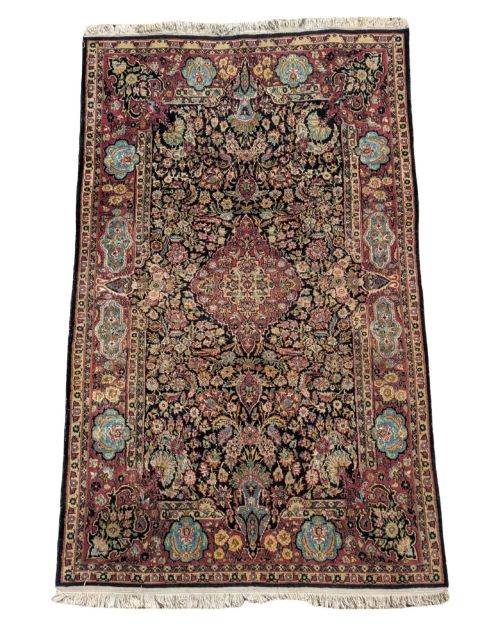
Makers ranged from settled town workshop weavers in urban centres like Heriz, Bidjar, and Kashan to nomadic women working at portable vertical looms. Each regional group utilised distinct geometric or floral layouts, passing specific tribal motifs down through generations.
Materials and construction
The primary material is wool, frequently hand-spun and paired with cotton foundations for warp and weft threads, while select specialist carpets incorporate silk highlights. Natural dyes derived from plants and minerals provide the palette, creating complex tones that age gracefully.
Weavers employed asymmetrical or symmetrical knots tied onto vertical warps, alongside flatweaving techniques seen in kilim structures and needlepoint execution. Finished edges were typically overcast by hand to secure the structure against daily wear.
Nomadic weavers sometimes inserted intentional irregularities into their geometric patterns to ward off the evil eye.
Assessing the execution
Quality rests upon the density of the knotting and the handling of the wool, where tightly packed piles and hand-spun materials yield superior resilience under foot traffic. Finer wool retains its lanolin better, producing a more tactile and luminous surface over time.
The sophistication of the natural dye palette and the crispness of tribal design execution distinguish standard pieces from exceptional examples. A well-balanced composition with saturated tones and harmonious abrash demonstrates superior workshop or nomadic craftsmanship.
The Antique Wool Floor Mat Glossary
- Abrash
- Natural variations in wool colour caused by differences in dye batches or hand-spun yarn lots. This tonal variation creates a subtle banded or streaked effect across the field of the rug.
- Gul
- An octagonal medallion or primary motif repeated across Central Asian and Turkmen carpets. Each tribal group traditionally utilised a distinct variation of this pattern.
- Prayer rug
- A specific format featuring one or more mihrab arches at one end, designed to indicate the direction of prayer. These pieces were historically used for personal devotion.
- Warp
- The stationary vertical threads stretched onto a loom that form the structural foundation of a rug. Weft threads are woven horizontally across these warps to secure the knots.
- Medallion
- A large central decorative motif placed in the middle of the rug field. Persian and Caucasian weavers frequently centred intricate geometric or floral versions of this shape.
Antique Wool Floor Mat: Frequently Asked Questions
How do I identify tribal rugs?
Tribal rugs typically display bold geometric motifs, memory-woven symbols, and abrash variations derived from nomadic production methods.
These pieces usually lack the rigid symmetry found in urban workshop carpets, reflecting the spontaneous design choices of weavers working without drawn cartoons.
Where were prayer rugs used?
Prayer rugs served both devotional purposes and domestic floor covering functions within households across Anatolia, the Caucasus, and Central Asia.
Their distinct arch designs directed the user toward Mecca during daily prayers while adding portable warmth to living spaces.
How do I care for wool rugs?
Regular gentle vacuuming without a rotating brush roll prevents dust accumulation in the wool pile without pulling at the foundation threads.
Professional washing by a specialist familiar with natural dyes and hand-spun wool ensures the longevity of the fibres and prevents colour bleeding.
What is a saddlebag?
A saddlebag is a functional utility textile woven in pairs for transport by animals during nomadic migrations across regions like Persia and Central Asia.
These smaller companion pieces often feature compressed tribal motifs and survived independently after their original connecting panels were separated.