
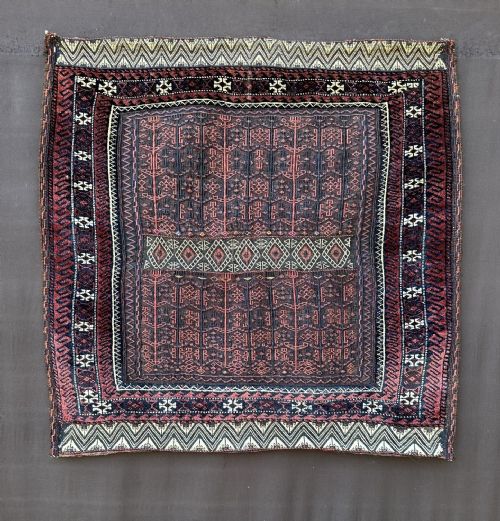


Timuri Tribal Rug
When you search for a timuri tribal rug, you uncover nomadic textiles woven by tribal groups in the borderlands of north-east Persia and west Afghanistan.
Timuri Tribal Rug
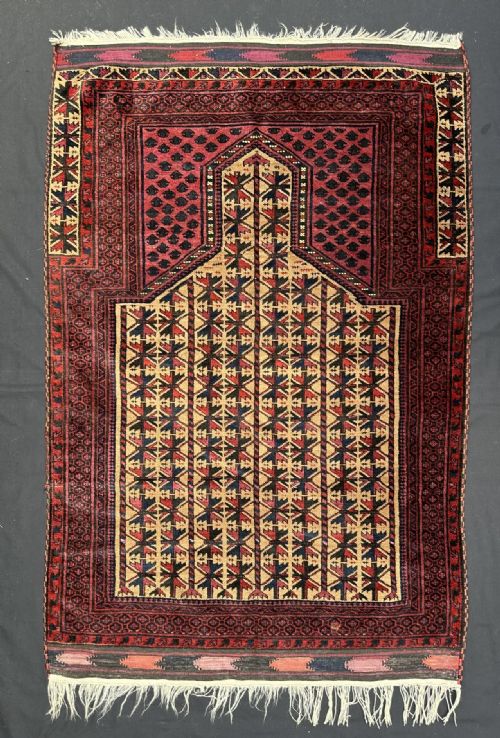
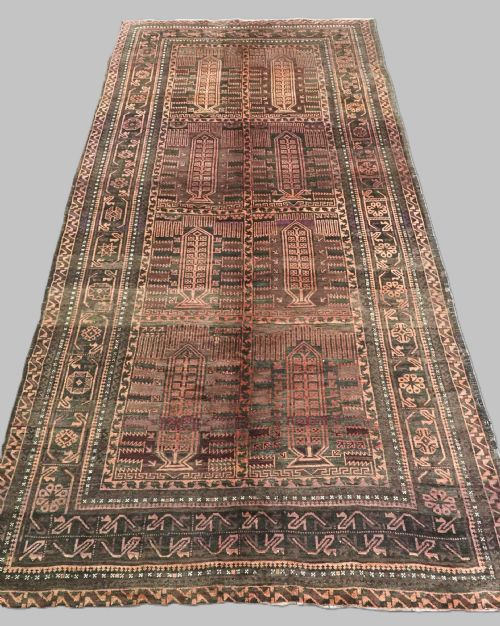
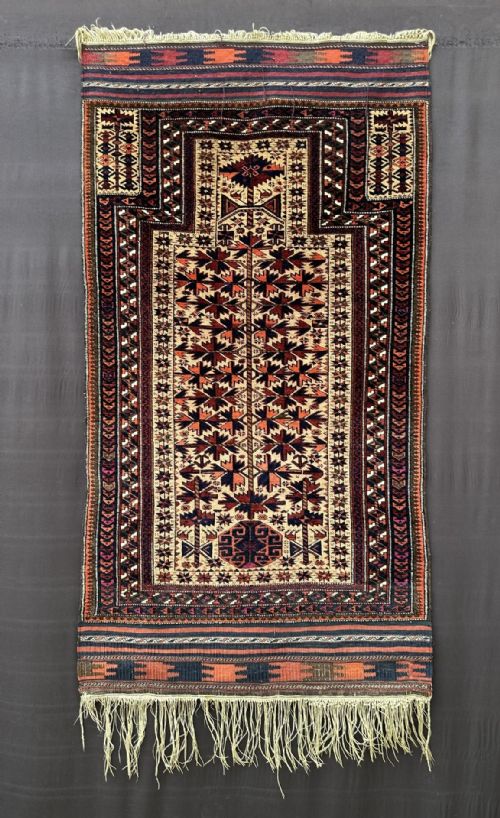
A timuri tribal rug encompasses various formats produced by nomadic and semi-nomadic groups residing in the borderlands of north-east Persia and west Afghanistan. You will find prayer rugs featuring characteristic mihrabs alongside main carpets displaying classic repeating motifs.
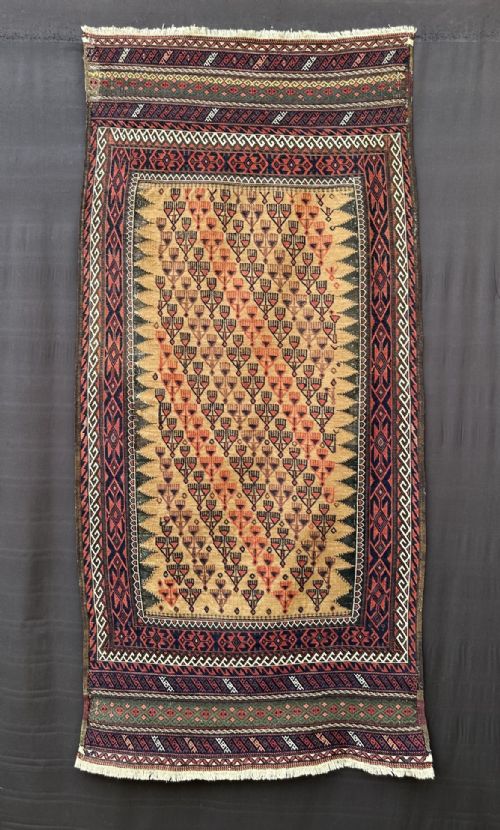
The selections span functional household textiles including bread sofreh, dining sofreh, ru korssi covers, and salt bags. Pieces frequently link to specific tribal subgroups such as the Dokhtar-e-Qazi, Yaqoub Khani, and Sangtshuli.
Most examples originate from the late nineteenth century through to the early twentieth century, reflecting traditional weaving patterns passed down through generations. These formats showcase the distinctive design vocabulary of western Afghan and eastern Persian nomadic makers.
Materials and Techniques
Weavers utilised natural materials including hand-spun wool, cotton foundations, camel hair, and goat hair to construct these durable nomadic floor coverings and utility bags. Natural dyes provide the deep, rich colour palettes seen across the grounded fields.
The construction relies on traditional knotting and flatweave techniques executed on portable vertical or horizontal looms set up in camp environments. These tactile wool structures demonstrate the practical methods employed by tribal artisans.
Timuri Tribal Rug Retail Price Guide 2026
Typical asking prices for timuri tribal rug among the pieces listed under this phrase on Sellingantiques today, from the lower quarter to the upper quarter. They describe what is for sale here now, not the wider market.
Materials recorded in the inventory include standard wool, hand-spun wool, cotton, camel hair, goat hair, and natural dyes.
Factors of Quality
Quality separates through the precision of the weave density and the handling of natural dyes, which yield deep and saturated colour variations across the wool pile. Finer knotting allows intricate patterns like the pencil box design or small shrub motifs to hold sharp definition.
The integrity of the original side cords, end finishes, and the condition of the pile heavily influence the standing of an individual piece. Early examples maintaining intact structural elements and clear tribal attributions represent the upper tier of the range.
The Timuri Tribal Rug Glossary
- Sofreh
- A flatwoven or piled cloth utilised for sharing meals, kneading bread, or serving other domestic purposes within nomadic households. These utility textiles often share design elements with smaller floor rugs.
- Mihrab
- The arched niche design depicted on prayer rugs, pointing toward Mecca during daily worship. This architectural motif is frequently centered in tribal prayer formats.
- Kalam Donneh
- A repeating pattern commonly translated as the pencil box design, featuring stacked rectangular compartments filled with stylised motifs. It appears prominently on main carpets from the region.
- Ru Korssi
- A decorative square cover placed over a low table heated by embers underneath. These textiles served both insulating and decorative functions in traditional homes.
- Dokhtar-e-Qazi
- A specific tribal design attribution associated with weavers from the borderlands, typically recognised by particular shrub or leaf arrangements. Pieces bearing this name often take the form of prayer rugs.
Timuri Tribal Rug: Frequently Asked Questions
What is a timuri tribal rug?
A timuri tribal rug is a hand-knotted textile created by nomadic and semi-nomadic weavers in the borderlands between north-east Persia and west Afghanistan.
These pieces typically date from the late nineteenth and early twentieth centuries, featuring wool piles, natural dyes, and traditional geometric or pictorial motifs.
How were these rugs used?
Nomadic families utilised these textiles primarily as floor coverings, sleeping mats, and prayer rugs inside tents and permanent dwellings.
Specialised variants like salt bags and sofreh cloths served practical domestic roles for carrying provisions and preparing communal meals.
How do I live with a tribal rug?
These robust wool and camel hair textiles suit high-traffic areas when placed over a suitable breathable underlay to prevent shifting.
Protecting the piece from prolonged direct sunlight helps preserve the natural dyes used by the original nomadic makers.
How do I identify different tribal groups?
Attributions rely on observing specific design structures, such as the pencil box motif or Dokhtar-e-Qazi shrub layouts, combined with particular regional colour palettes.
Certain formats like salt bags and prayer rugs also point toward the specific nomadic traditions of subgroups including the Yaqoub Khani and Sangtshuli.