
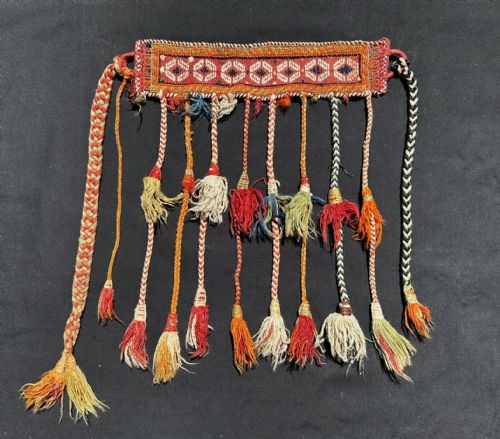
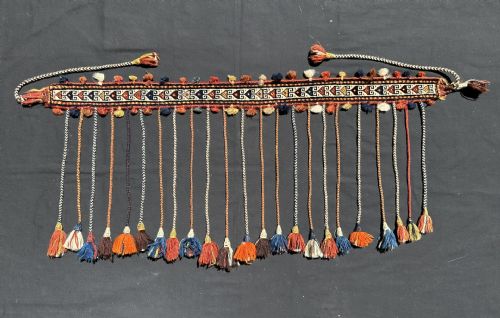
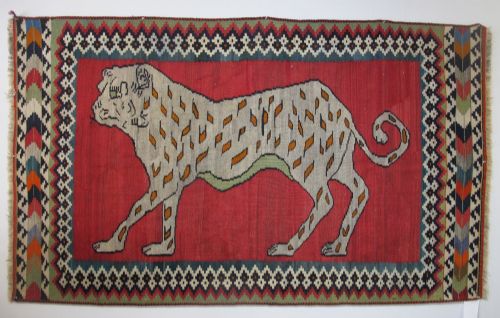

Antique Wool Flatweave
When you search for antique wool flatweave, you enter a world of nomadic tribal textiles, saddle bags, and carpets woven across Persia, the Caucasus, and Central Asia.
Antique Wool Flatweave
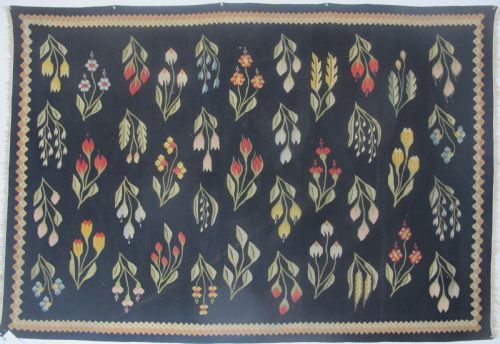
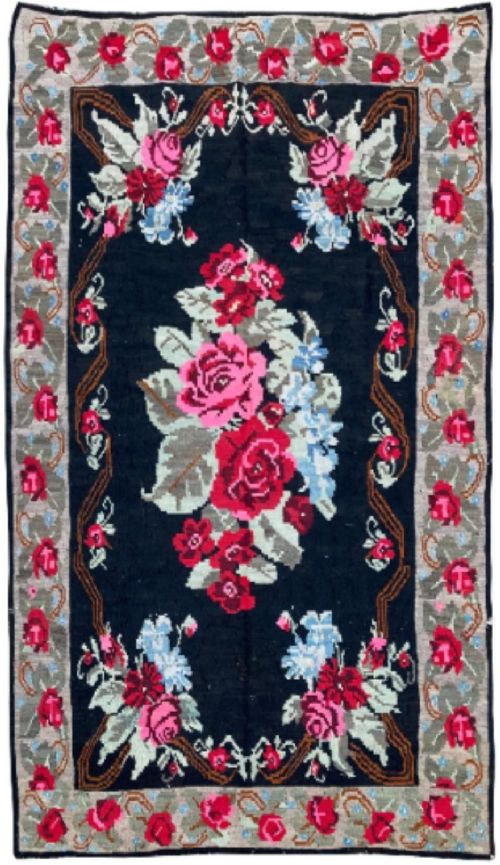
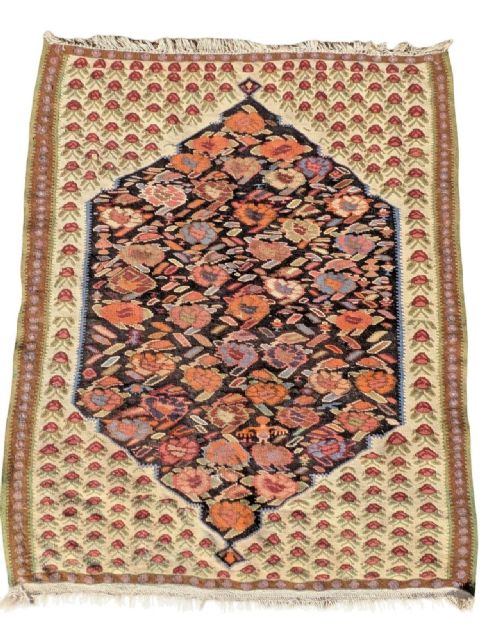
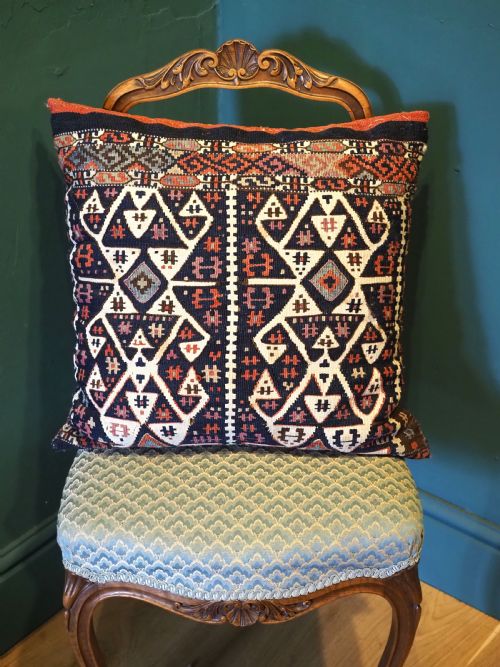
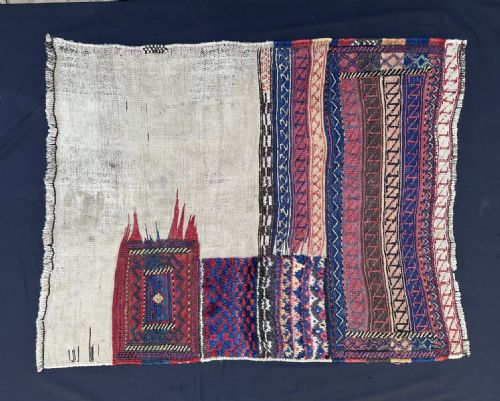
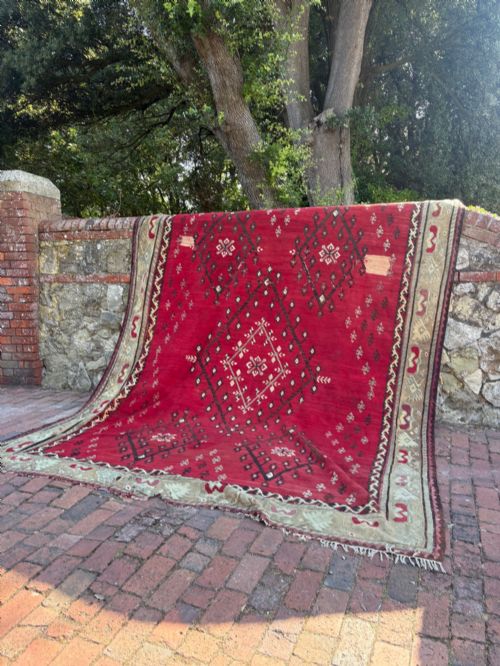
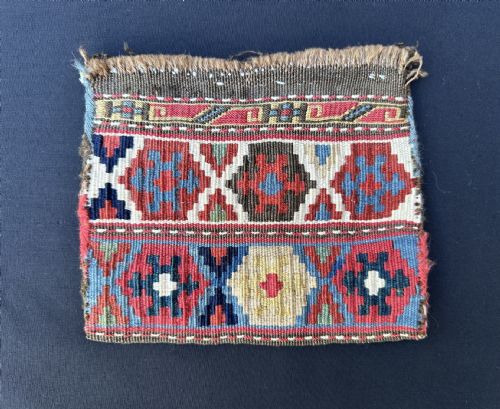
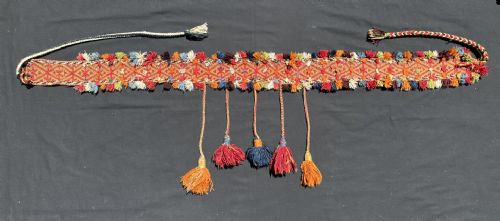
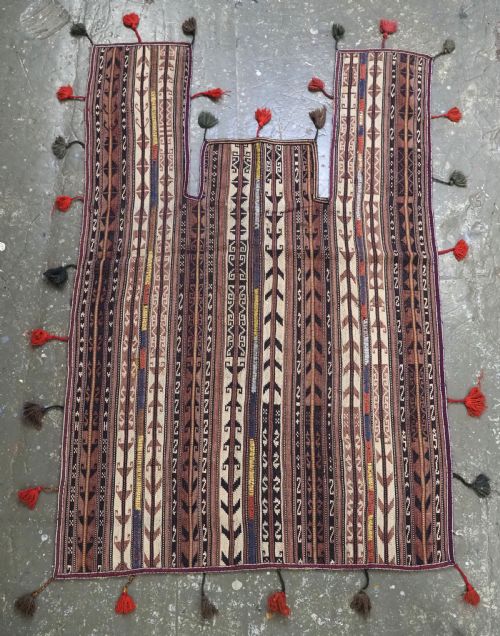
An antique wool flatweave encompasses a diverse array of tribal rugs, kelims, animal trappings, and household bread sofrehs produced by nomadic groups and regional weavers. The selections encountered span Persian tribal confederacies, Anatolian regions, and Caucasian districts, reflecting utility objects made for daily nomadic life.
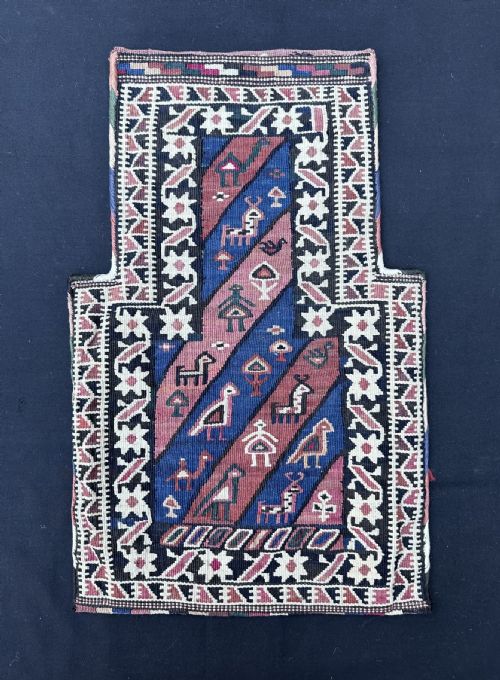
The category covers functional forms such as salt bags, vanity bags, horse blankets, and large room-sized carpets rather than static floor coverings. These textiles served specific nomadic purposes, from grain storage and animal decoration to ceremonial dining cloths.
Pieces originate from distinct cultural landscapes including the Qashqai, Afshar, Shahsevan, and Yomut Turkmen tribes, alongside regional workshops in Shirvan, Karabagh, and Bidjar. Each origin contributes specific structural traits and motifs native to its geographic sphere.
Distinctions in quality and execution
The finesse of the weave dictates the structural integrity of the textile, with tighter, finer knotting and precise geometric execution separating sophisticated village and tribal outputs from simpler utility items. The handling of natural dyes creates subtle tonal variations that distinguish accomplished colour palettes.
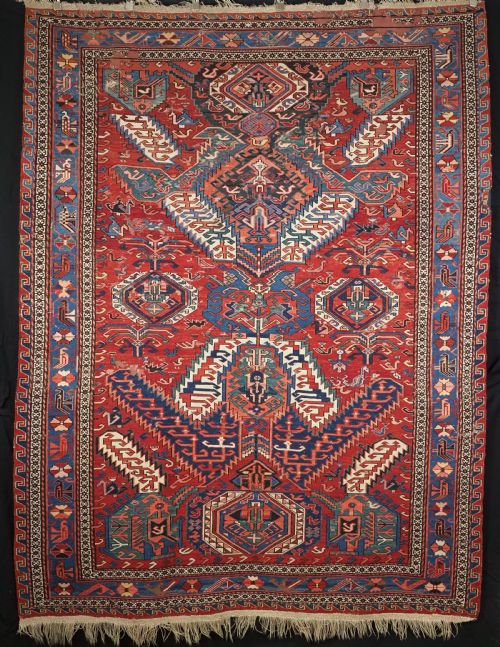
The complexity of the design layout, whether an intricate Caucasian dragon sumak or a balanced Qashqai lion kelim, demonstrates the weaver's technical proficiency and mastery of traditional iconography.
The Antique Wool Flatweave Glossary
- Sofreh
- A woven spread or cloth utilised for dining, kneading bread, or serving food within nomadic households. These items typically feature distinct central medallions or banded fields.
- Sumak
- A Near Eastern technique of supplementary weft wrapping that produces a textured surface resembling embroidery on the reverse. It adds structural strength to bags and covers.
- Chuval
- A large Turkmen storage bag face produced for household belongings and dowry display. They often exhibit repeating gul motifs in deep red tones.
- Kelim
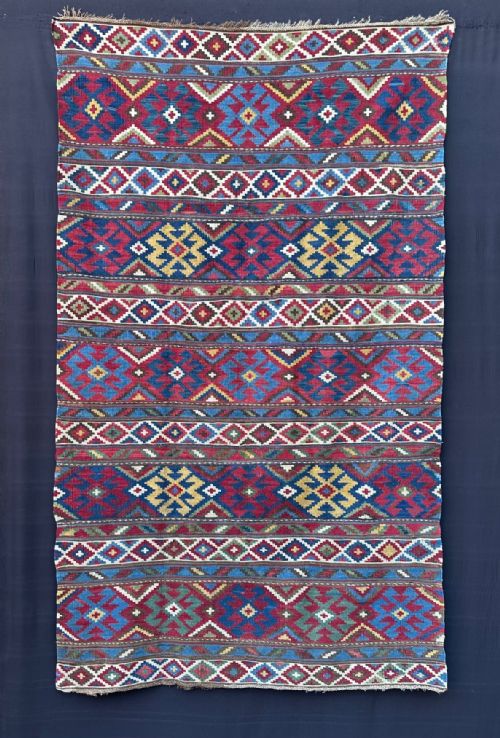
- A flat-woven carpet or rug produced by tightly interweaving warp and weft strands without a pile surface. This creates a lightweight, reversible textile.
Antique Wool Flatweave: Frequently Asked Questions
How were flatweaves used originally?
Tribal groups utilised flatweaves for numerous utilitarian tasks essential to nomadic existence. Items such as salt bags, saddle bags, and vanity bags transported personal possessions across rugged landscapes.
Larger flatweaves functioned as floor coverings, tent dividers, or dining cloths known as sofrehs. Ceremonial pieces like horse blankets and animal trappings adorned livestock during migration and communal gatherings.
Where do most flatweaves originate?
The available pieces originate from distinct tribal territories and weaving centres throughout the Middle East and Central Asia. Major geographic sources include the Fars province in south-west Persia, the Caucasus region, and Turkmen tribal lands.
Specific nomadic confederacies such as the Qashqai, Afshar, Shahsevan, and Yomut developed unique regional aesthetics. Each group imparted characteristic palettes and motifs to their woven textiles.
How do I care for a flatweave?
Proper maintenance involves gentle vacuuming without a beater bar and utilising a breathable underlay to prevent sliding. Rotating the textile periodically ensures even exposure to light and wear.
Professional cleaning suited for antique natural fibre rugs is recommended for washing. Avoiding direct, harsh sunlight preserves the integrity of the natural dyes.