
Vintage French Tapestry
These vintage french tapestry pieces bring centuries of textile artistry into a room, offering rich pastoral scenes and floral motifs.
Vintage French Tapestry
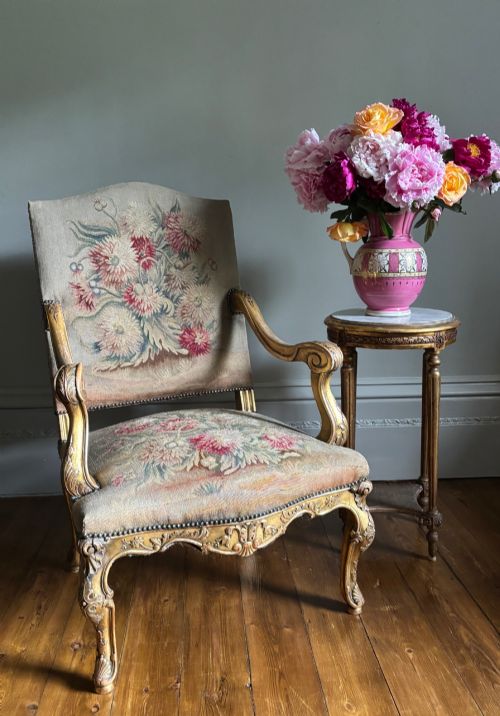
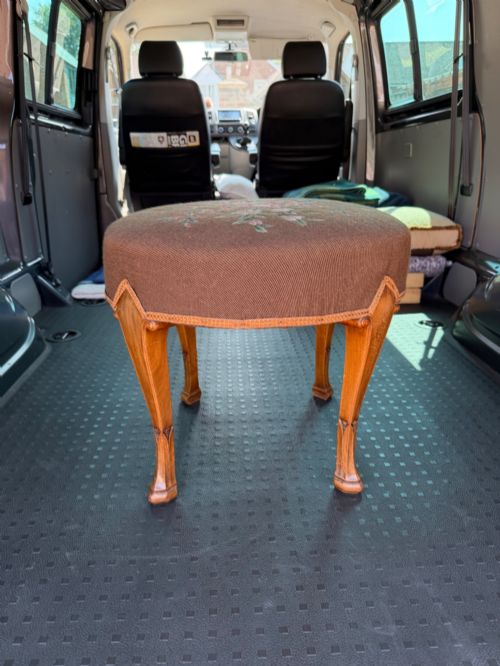
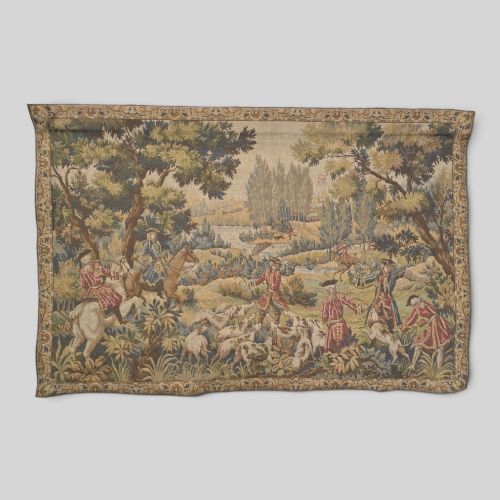
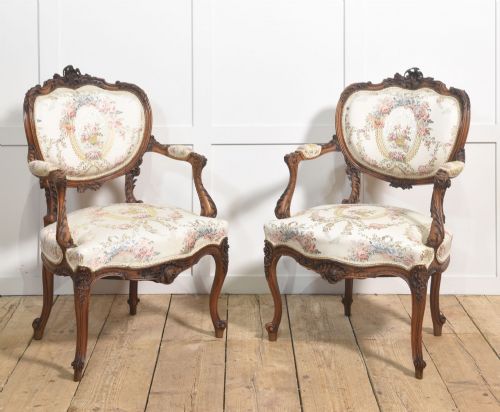
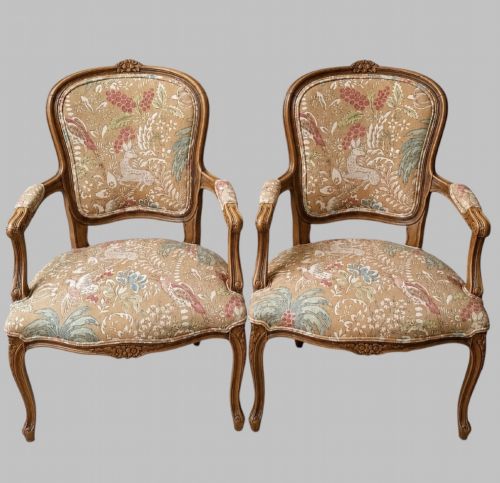
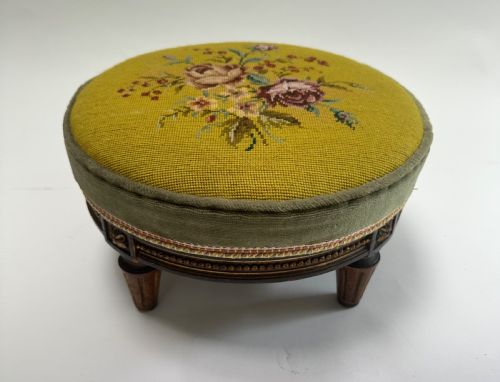
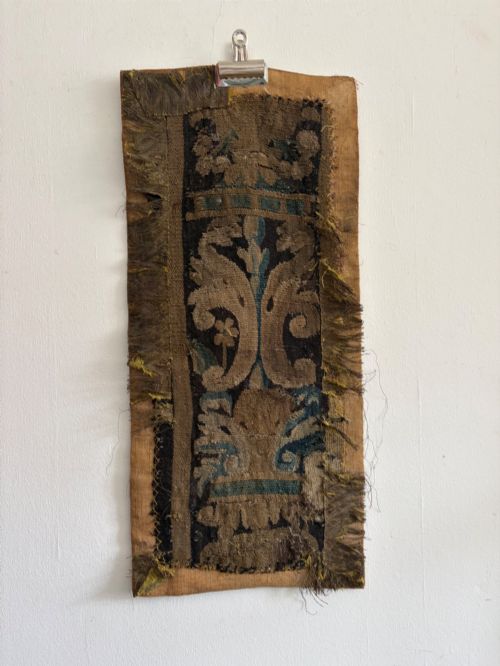
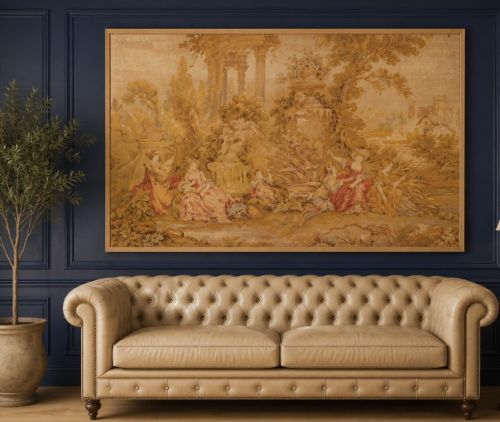
The pieces on this page lean heavily towards the nineteenth century, though earlier examples from the seventeenth and eighteenth centuries appear alongside twentieth-century works. Wall tapestries and verdure panels sit alongside salon suites and footstools, reflecting both decorative wall art and functional furniture covered in textile panels.
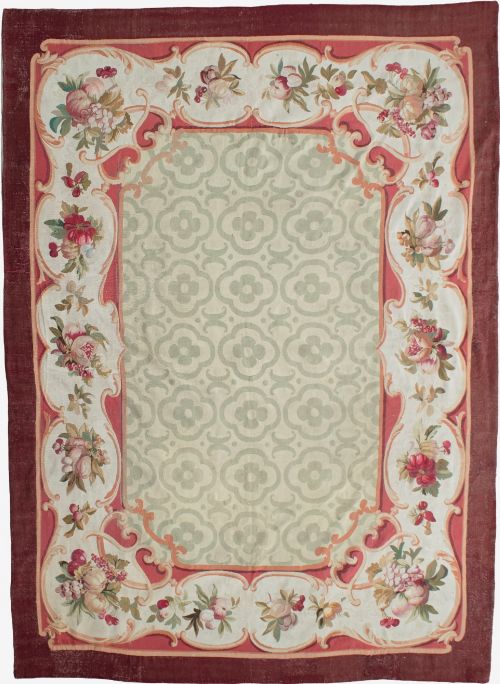
Origins trace across France, taking in regional workshops such as Aubusson alongside general French provincial and revivalist output. Styles range from French Rococo and Baroque to Louis XV and Louis XVI revivals, capturing the shifting tastes of French interior decoration.
Materials and construction methods
The physical substance of these pieces relies on natural textile fibres, predominantly wool, silk, and cotton, woven or embroidered into intricate pictorial and botanical designs. These textiles are frequently mounted to linen support fabrics or stretched across wooden frames for wall display.
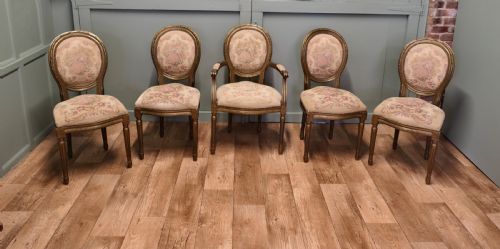
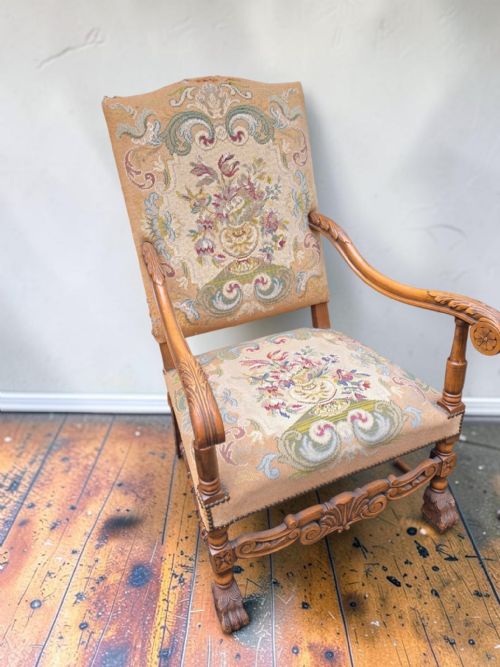
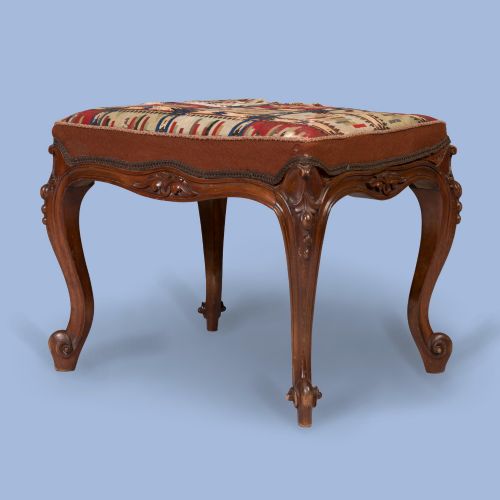
For upholstered items, the woven tapestry panels wrap around sturdy wooden frames fashioned from walnut, beech, or other hardwoods. Details on these structural elements often include painted finishes, parcel gilding, and intricate carved woodwork characteristic of period seating.
Napoleon Bonaparte occasionally makes an embroidered appearance on these French textile panels.
Determining quality in woven textiles and furniture
Quality rests upon the fineness of the weave and the complexity of the pictorial design, where denser thread counts and nuanced colour blending create greater depth in verdure scenes and figures. Hand-worked needlepoint panels and early regional looms demonstrate distinct levels of artisan execution.
The integrity of the supporting structure plays a vital role in upholstered forms, where solid carved walnut frames and original painted or gilt surfaces elevate the piece. The harmonious integration of the textile panel with its wooden armchair, stool, or settee frame dictates the overall standard.
The Vintage French Tapestry Glossary
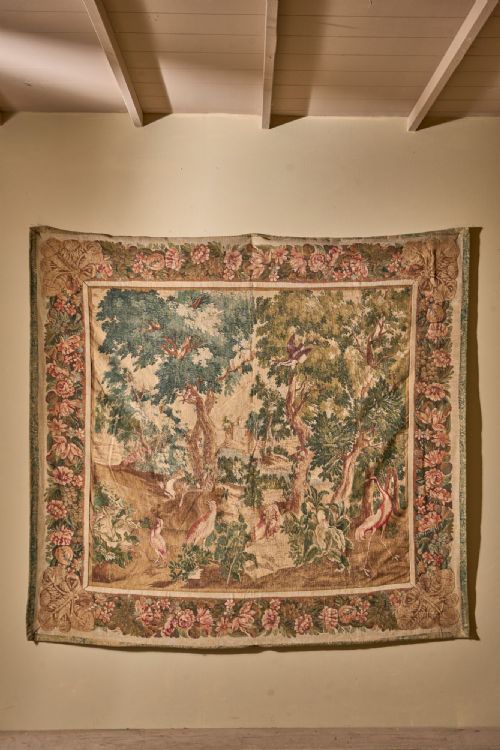
- Verdure tapestry
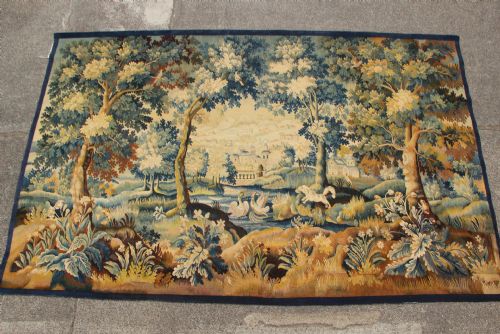
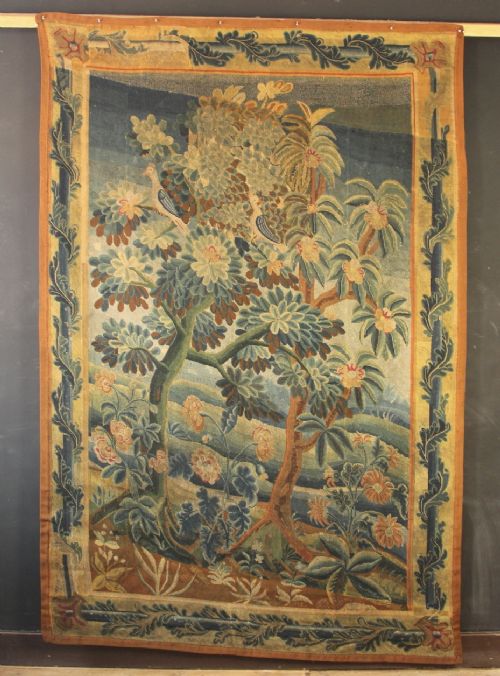
- A type of woven wall hanging featuring stylised foliage, trees, and often animals or distant landscapes. These panels were popular in European houses for bringing natural scenery indoors.
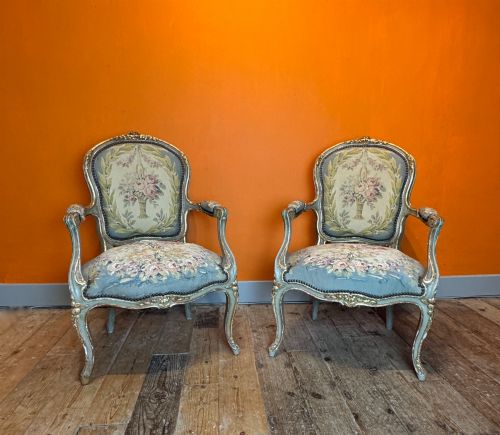
- Fauteuil
- An open-arm armchair with upholstered back and seat, typically featuring exposed wooden framework. Eighteenth-century French designs of this form saw revivals throughout the nineteenth century.
- Aubusson
- A town in France renowned for its carpet and tapestry weaving traditions. Pieces originating from here are celebrated for distinct pictorial qualities.
- Needlepoint
- Embroidery stitched onto a canvas mesh ground, often utilised for upholstery on period chairs, stools, and cushions. It differs from loom-woven tapestry by being executed with a needle.
- Parcel gilt
- A decoration technique where selected areas of a wooden or metallic surface are partially gilded with gold leaf. This finish frequently highlights carved details on nineteenth-century French frames.
Vintage French Tapestry: Frequently Asked Questions
How do I hang a large wall tapestry?
Large wall textiles require even weight distribution to prevent distortion of the weave. Mounting usually involves securing a hidden wooden batten or sleeve to the upper reverse edge.
Heavier framed panels can be hung using traditional picture wire fixed to sturdy wall anchors, ensuring the support matches the weight of the timber frame.
Where were these tapestries made?
Many fine woven panels originate from established centres of textile production in France, most notably Aubusson. Other pieces emerge from regional workshops across the country spanning multiple centuries.
Attribution often relies on stylistic traits, weaving techniques, and historical documentation associated with specific French decorative arts movements.
How do I clean textile upholstery?
Maintenance requires gentle surface care, primarily light vacuuming with a low suction attachment through a protective mesh screen. Professional textile conservators should handle deep cleaning or structural repairs to avoid damaging delicate wool and silk fibres.
Harsh chemical cleaners and excessive moisture must be avoided to preserve the integrity of vintage threads and natural dyes.
What is a verdure panel?
A verdure panel is a decorative textile depicting lush plant life, foliage, trees, and occasionally birds or mythical beasts. These pastoral scenes formed a staple of interior decoration during the seventeenth and eighteenth centuries.
They were designed to evoke tranquil woodland environments within domestic rooms, often serving as wall hangings or furniture upholstery.