


Equestrian Wall Hanging
An equestrian wall hanging brings rich textiles, carved wood, and metalwork into a room to celebrate the heritage of horses.
Equestrian Wall Hanging
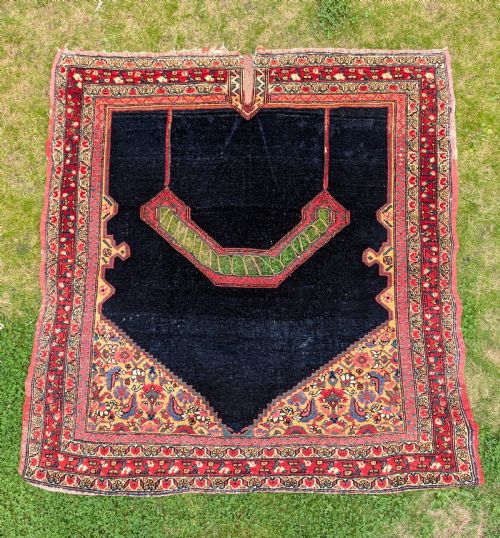
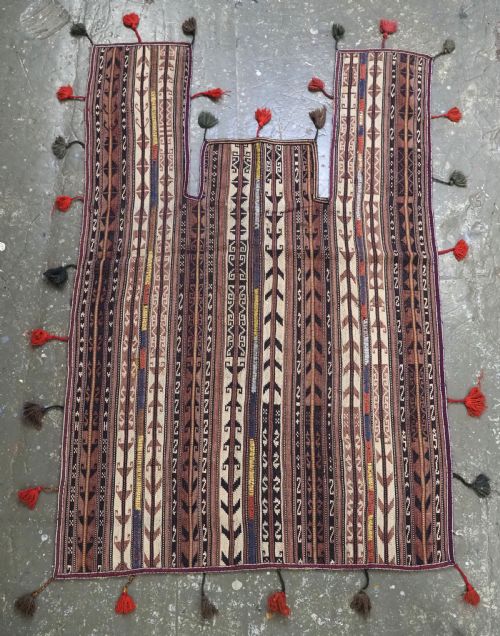
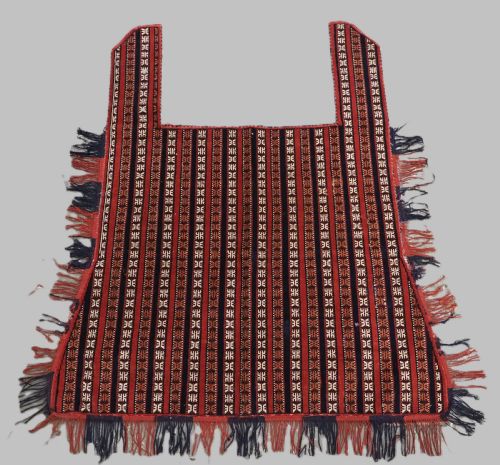
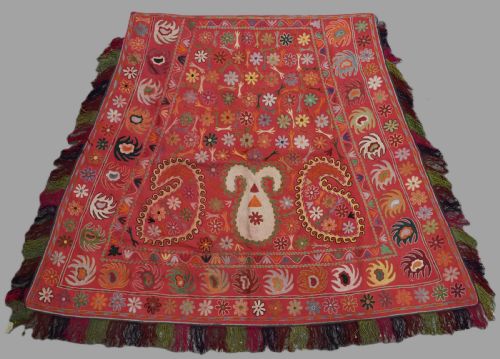
When you search for an equestrian wall hanging, you encounter a diverse selection of antique textiles, ceremonial horse blankets, saddle covers, and mounted wall art. These pieces range from tribal weavings originating in Central Asia and Persia to European tapestries, carved oak racks, and metal panels.
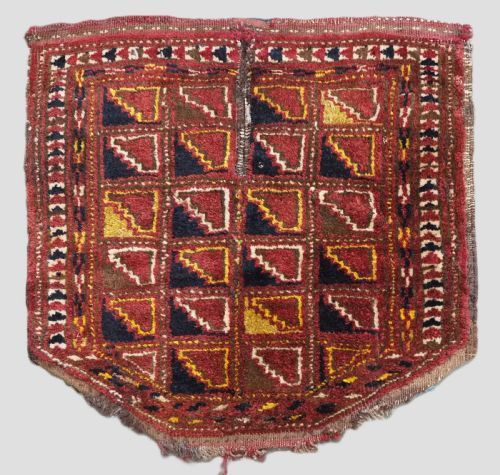
You are most likely to meet Central Asian tribal weavings, particularly ceremonial horse covers and saddle rugs produced by Turkmen and Lakai groups, alongside French needlepoint panels and Victorian oak pieces. The selection bridges utilitarian horse gear and decorative domestic art from the nineteenth and early twentieth centuries.
How they were made
The textiles rely on natural fibres including wool, cotton, silk, and felt, often coloured with natural dyes and worked in intricate embroidery. Tribal weavers utilised traditional hand-knotting and flat-weaving techniques to create dense, durable covers designed for ceremonial use.
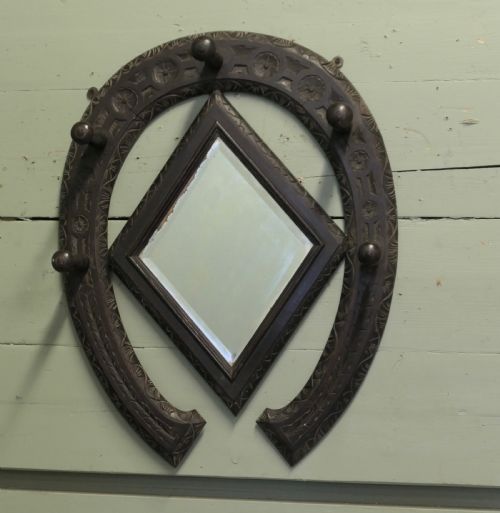
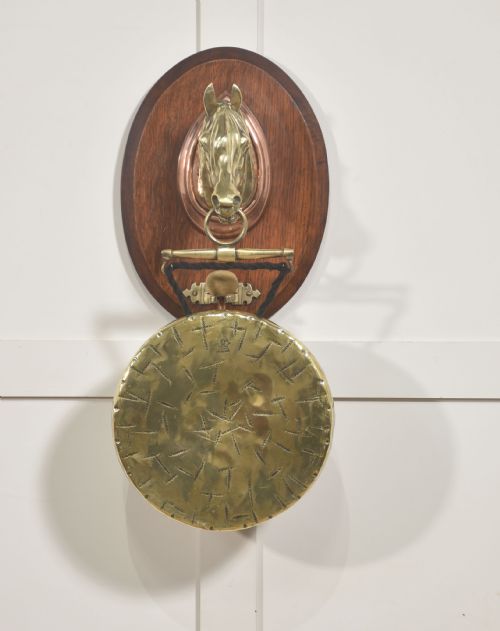
The rigid wall fixtures and frames combine timber such as oak and hardwood with brass, sheet metal, and giltwood. Craftsmen joined carved woodwork with metal horse head mounts, horseshoes, and mirrors to form functional hall accessories.
Horseshoes once warded off spirits, which perhaps explains why nineteenth-century makers mounted iron shoes onto hallway mirrors and coat racks.
What varies in quality
Quality rests upon the fineness of the weave, the clarity of the natural dyes, and the complexity of the tribal embroidery. Superior pieces display meticulous handwork, intact borders, and vibrant, stable pigments that have survived decades of use.
Among carved and mounted pieces, craftsmanship is judged by the depth of the woodwork, the solidity of the oak or hardwood frames, and the detail cast into the brass or sheet metal horse elements.
The Equestrian Wall Hanging Glossary
- Saddle cover
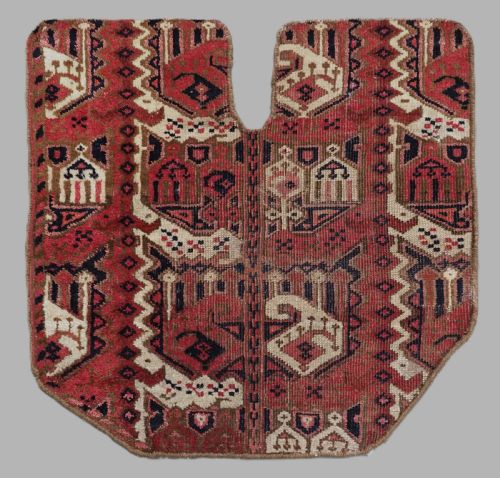
- A decorative textile originally placed over a horse saddle, featuring tribal motifs and durable weaving suitable for vertical display. These pieces now function as rich wall hangings.
- Ceremonial felt horse blanket
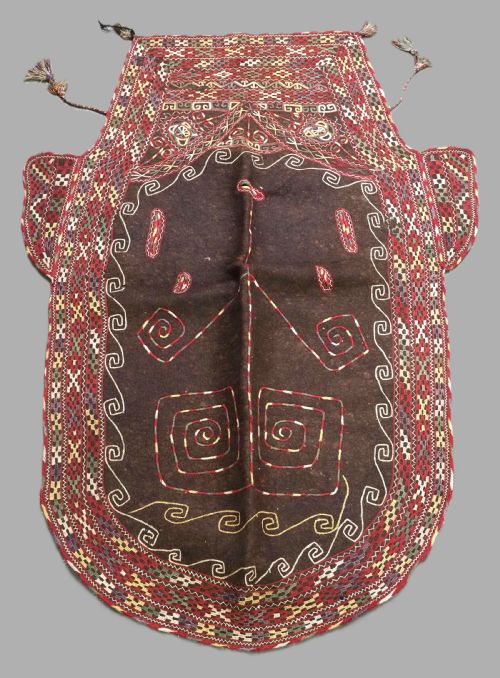
- A heavy felt textile embroidered for festive or ritual equine use in Central Asian cultures. They provide dense texture and distinctive tribal patterning.
- Needlepoint
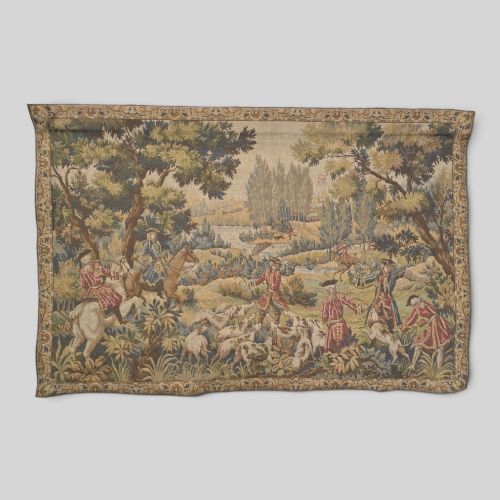
- A form of canvas work embroidery executed with wool or silk yarn, common in European wall panels and framed tapestries. It allows for pictorial scenes and dense floral designs.
- Giltwood
- Wood carved and covered with a thin layer of gold leaf or metallic gilt, frequently utilised on nineteenth-century European frames. This finish adds a reflective border to fabric panels.
Equestrian Wall Hanging: Frequently Asked Questions
What is an equestrian wall hanging?
An equestrian wall hanging is a decorative piece associated with horses, ranging from Central Asian ceremonial saddle covers and tribal horse blankets to French needlepoint tapestries and carved oak tack racks.
These items repurpose utilitarian equestrian gear and traditional textiles into striking interior decor, bringing historical craftsmanship directly onto the wall.
How were horse blankets used tribally?
In Central Asian tribal communities, embroidered horse blankets and saddle rugs served ceremonial functions during festivals, weddings, and important processions. They demonstrated the skill of the weaver and the status of the owner.
Over time, these durable wool and felt items transitioned into collectible textile art displayed within domestic interiors.
How do I hang a heavy textile safely?
Heavy textiles and saddle rugs require even weight distribution to prevent distortion of the fibres. Professional mounting often involves stitching a fabric sleeve to the reverse and sliding a flat wooden batten through it.
For framed tapestries or wooden items, secure wall fixings suited to the specific weight of the oak, metal, or giltwood frame are essential.
How do I distinguish regional tribal styles?
Regional styles appear through distinct colour palettes, wool qualities, and geometric or pictorial motifs. Turkmen and Ersari pieces often show deep reds and structured tribal medallions, while Lakai embroideries feature dynamic silk stitching on felt.
Persian tribal weavings, such as Qashqai blankets, utilise saturated natural dyes and intricate field patterns unique to their specific geographic origins.