
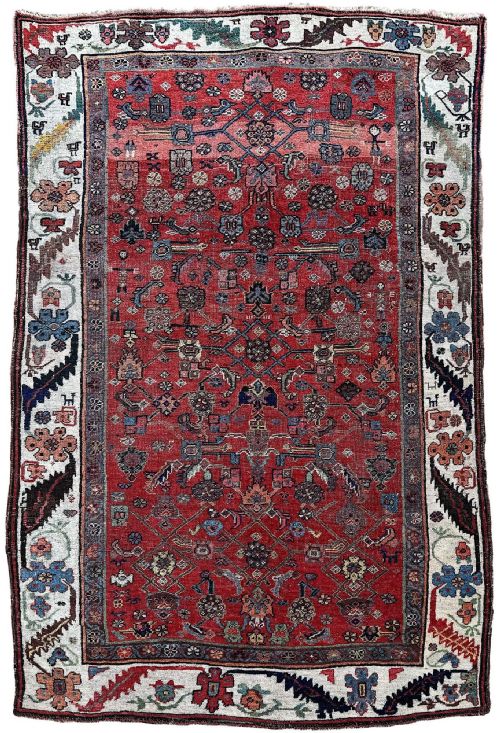
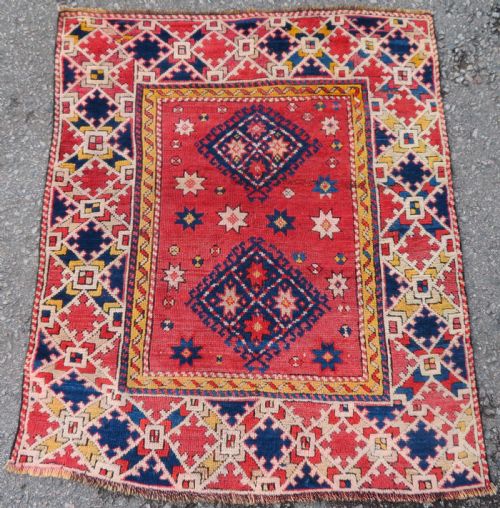
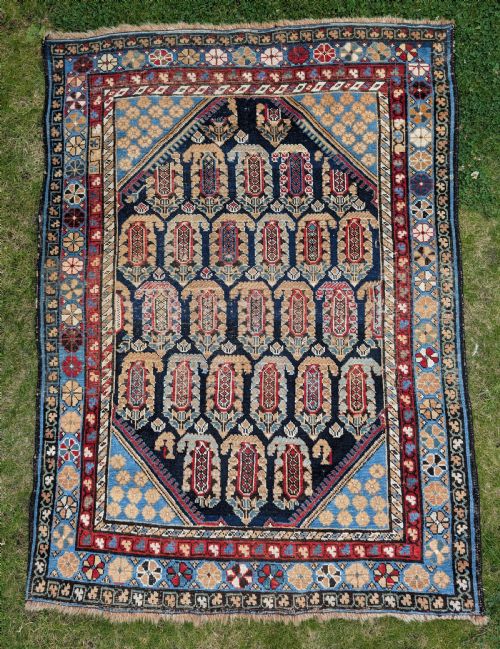
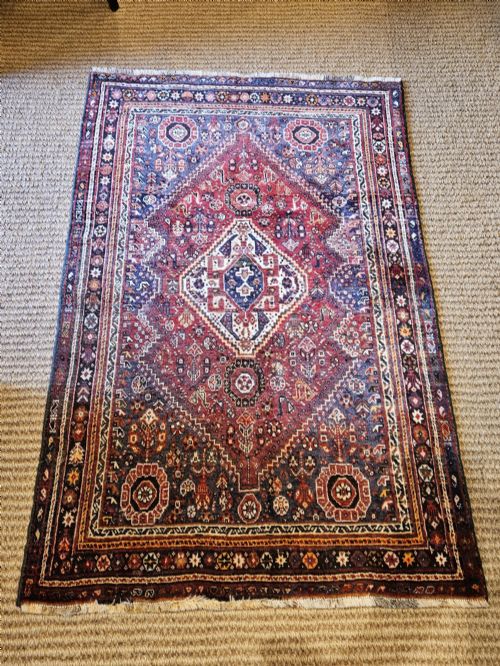
Antique Wool Accent Rug
When you search for an antique wool accent rug, you are looking for a small, hand-knotted floor covering woven for daily use in Persian, Caucasian, Turkish, or Afghan households.
Antique Wool Accent Rug
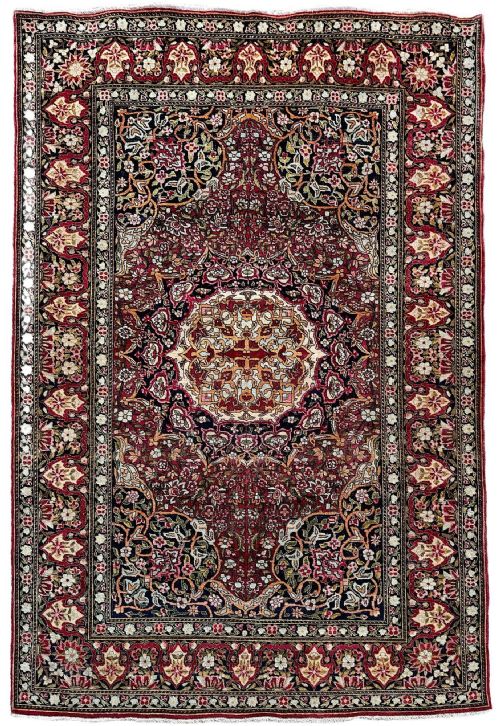
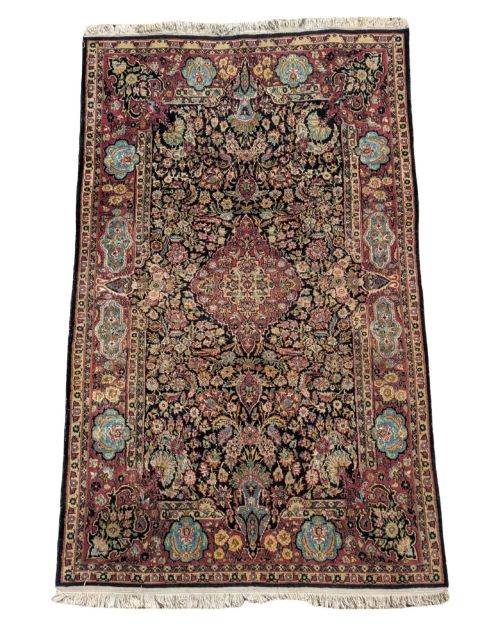
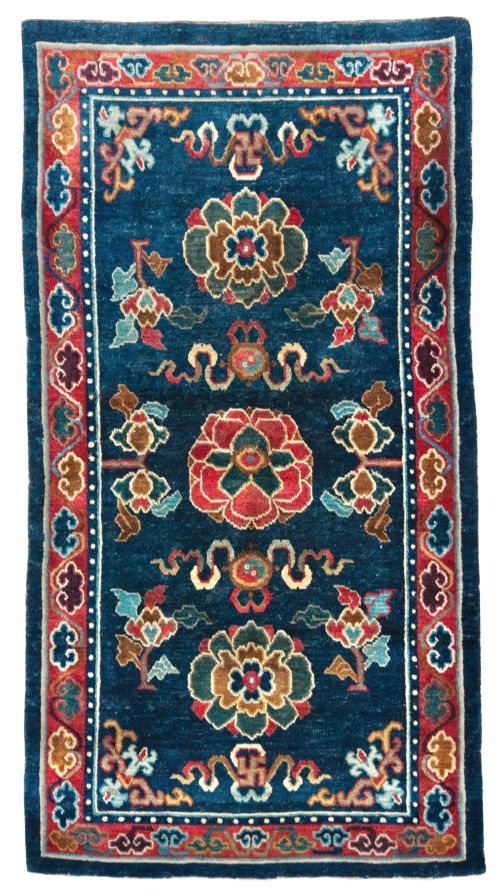
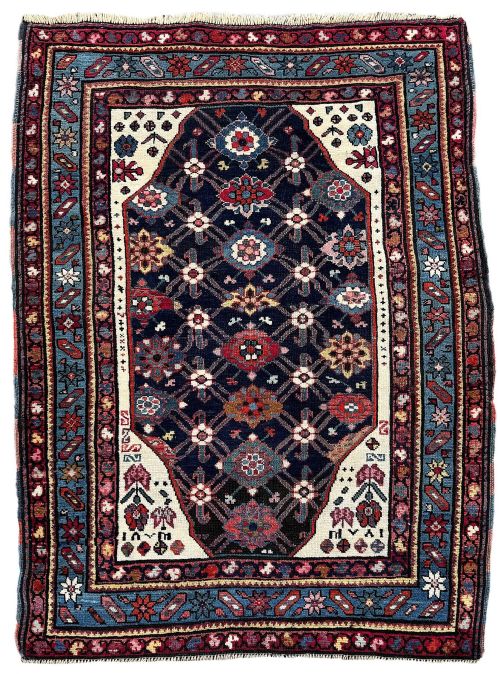
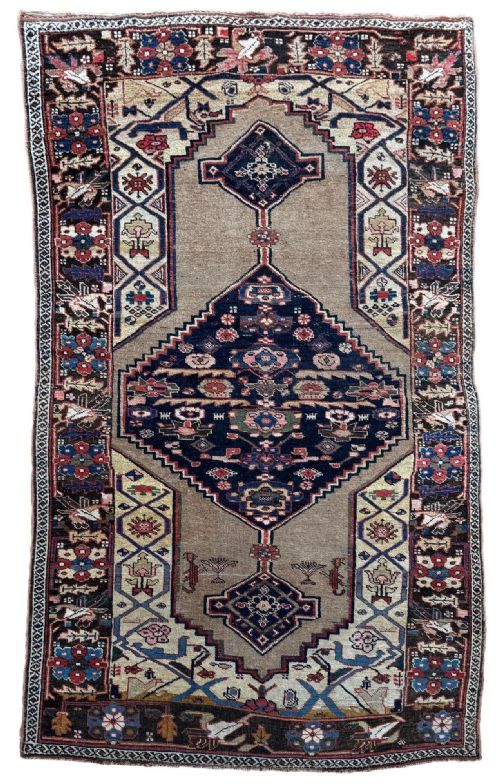
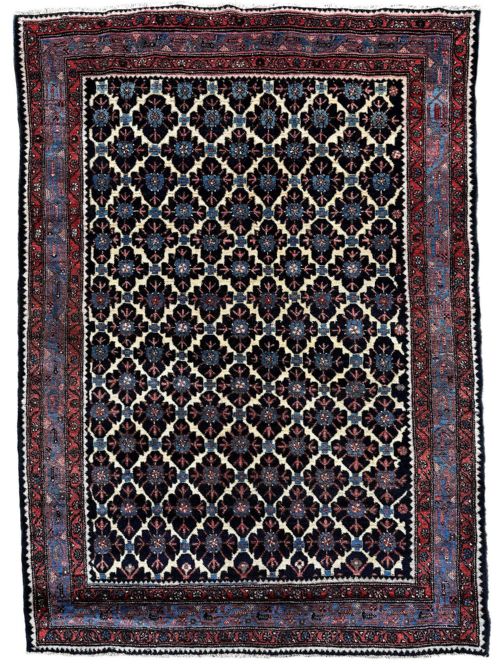
An antique wool accent rug spans regional traditions from Persian tribal and village workshops to Caucasian and Anatolian weaving centres, produced largely across the nineteenth and early twentieth centuries. These pieces typically take the form of smaller floor coverings, hearth rugs, prayer mats, and square formats designed for domestic utility rather than grand formal salons.
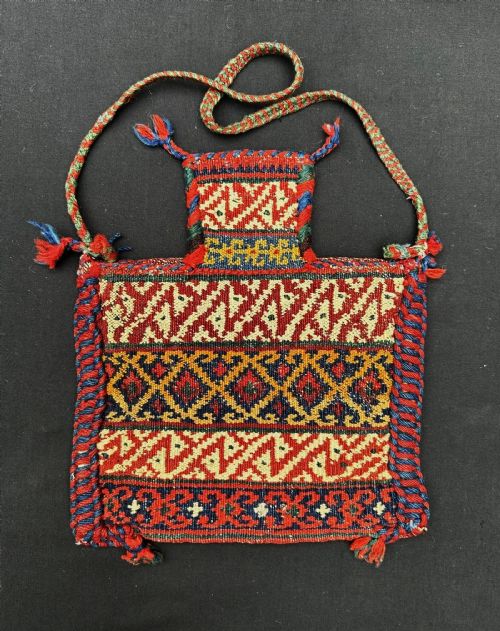
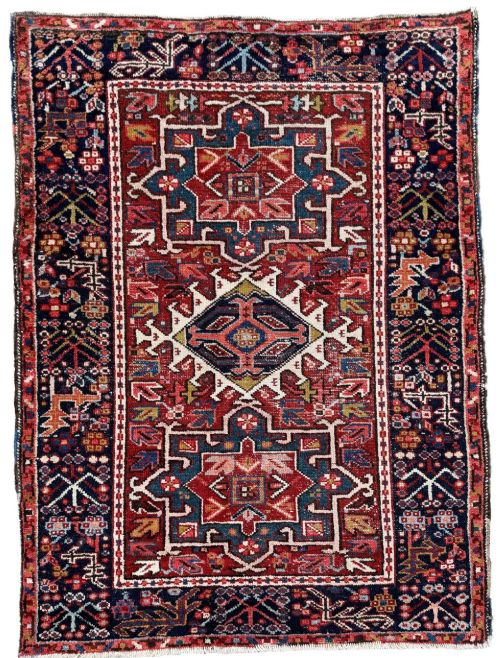
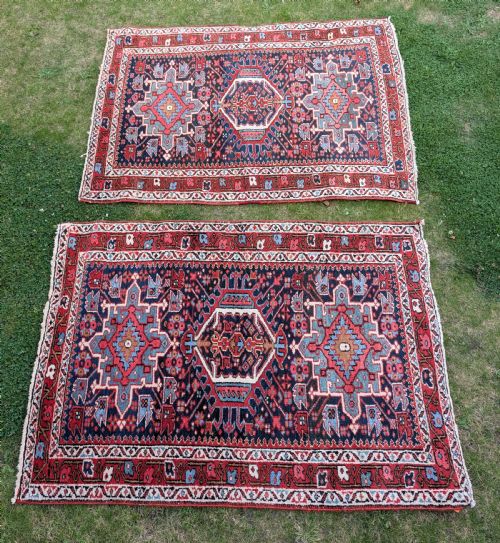
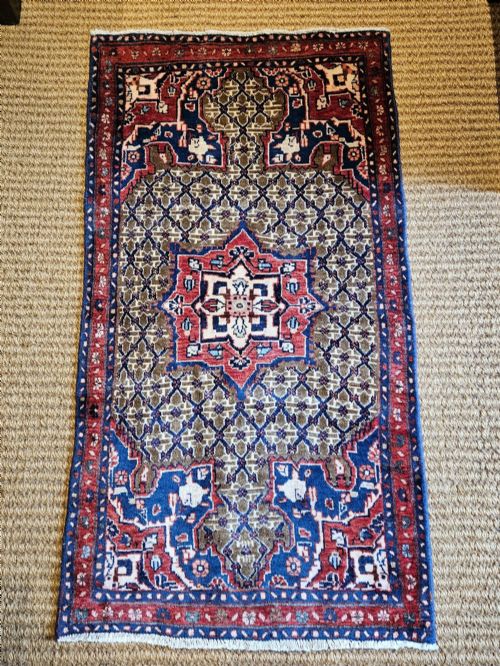
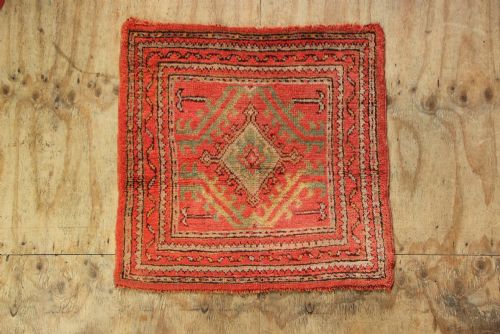
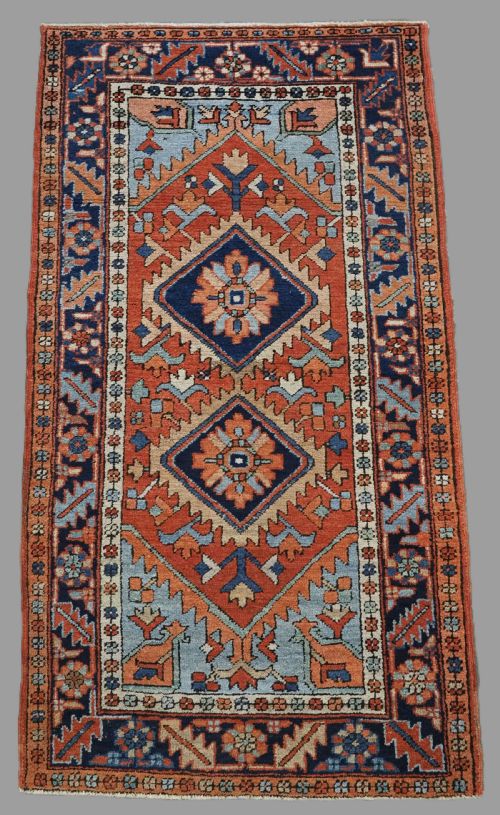
Buyers encountering this selection will find specific regional types including Karaja, Bidjar, Heriz, Afshar, Oushak, and Caucasian pieces such as Karabagh and Gendje. Alongside standard formats, the selection occasionally includes related items like tobacco bags and carpet cushions made from similar textile traditions.
The materials reflect traditional village and tribal production, utilising hand-spun wool pile paired with cotton or wool foundations. Natural dyes predominate, yielding rich patinas and varied ground colours that develop character over generations of wear.
How they were made
Weavers constructed these textiles using hand-spun wool for the pile, secured to structural foundations typically formed from cotton warps or alternating wool strands. The reliance on hand-spun fibres imparts subtle variations in texture and yarn thickness across the surface of each piece.
Colouring relied heavily on natural dyes extracted from local plants and minerals, providing stable yet nuanced hues that soften gracefully over time. Skilled knotting techniques tied the pile firmly to the foundation, creating durable floor coverings intended to withstand decades of domestic traffic.
The selection spans village and tribal pieces dated from the late nineteenth century through the 1930s, featuring wool, cotton, and silk.
What varies in quality
The quality of an antique wool accent rug depends upon the precision of the knotting and the fineness of the wool used in the pile. Finer yarns and tighter knot density allow for sharper execution of traditional geometric or floral motifs.
An additional distinction lies in the depth and complexity of the natural dye palette, where harmonious colour interactions elevate the visual impact of the piece. The integrity of the foundational structure and the preservation of original selvedges and borders also determine the standing of individual examples.
The Antique Wool Accent Rug Glossary
- Warp
- The vertical threads stretched upon a loom that form the foundational skeleton of the rug. Weft threads are interlaced across these warps to secure the knots.
- Pile
- The surface of the rug formed by the cut ends of knotted wool, cotton, or silk yarns. The height and density of this pile dictate the texture and durability of the textile.
- Natural Dyes
- Colourants derived from plant, insect, and mineral sources prior to the widespread adoption of synthetic aniline dyes in the late nineteenth century. These dyes age with distinct depth and tonal variation.
- Mihrab
- A arched niche design found primarily on prayer rugs, representing the direction of Mecca. Weavers position this motif to orient the user during daily devotions.
- Medallion
- A central ornamental design motif placed in the middle of the rug field. This focal element often anchors the surrounding geometric or floral field patterns.
Antique Wool Accent Rug: Frequently Asked Questions
Where were these small rugs woven?
These textiles originate from various weaving traditions across Persia, the Caucasus, Anatolia, and Central Asia. Village and tribal communities produced them for domestic utility and local trade.
Specific regions represented include Karaja, Bidjar, Heriz, and Afghan settlements, each utilising distinct regional motifs and colour combinations.
How do I style a small rug at home?
Accent rugs suit smaller spaces, entryways, hearths, or areas requiring targeted warmth and colour. Their modest scale allows them to function as focal points on wooden floors or layered over larger carpets.
Placing them in low-traffic areas helps preserve the pile and structure of the textile over time.
What is a prayer rug?
A prayer rug is a smaller format textile featuring a distinctive architectural niche known as a mihrab design. Historically utilised for personal daily devotions, these mats were portable and easily rolled.
Caucasian and Afghan village weavers frequently produced these specialised formats with symbolic border patterns.
How do I distinguish regional types?
Regional attribution relies on observing specific structural traits, palette choices, and repeat motifs. For instance, Bidjar pieces are known for dense, heavy foundations, while Heriz and Karaja rugs display bold geometric medallions.
Examining the weave structure and border arrangements helps differentiate Caucasian pieces from Persian village work.