


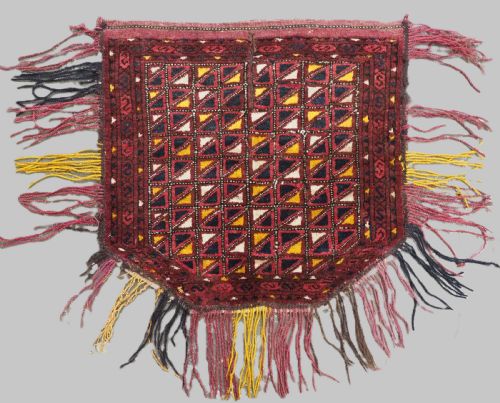
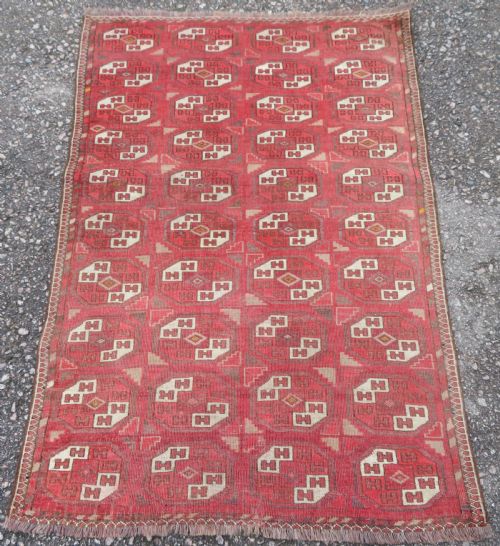
Nomadic Hand Woven Carpet
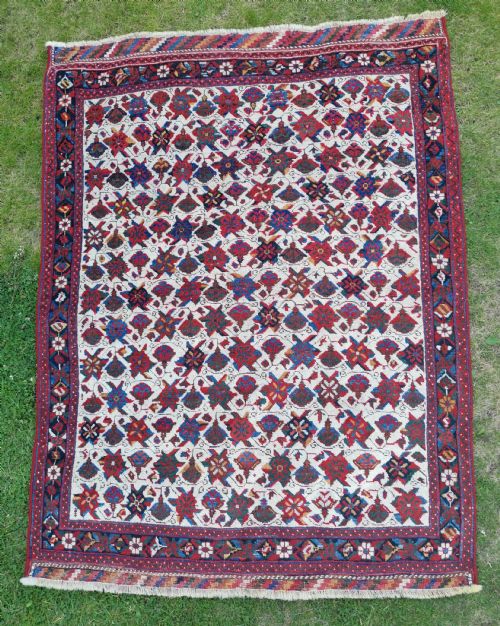
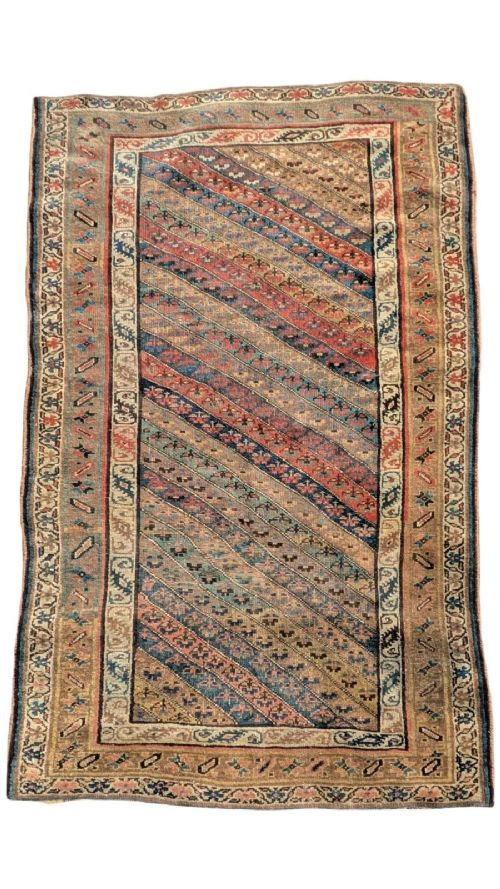
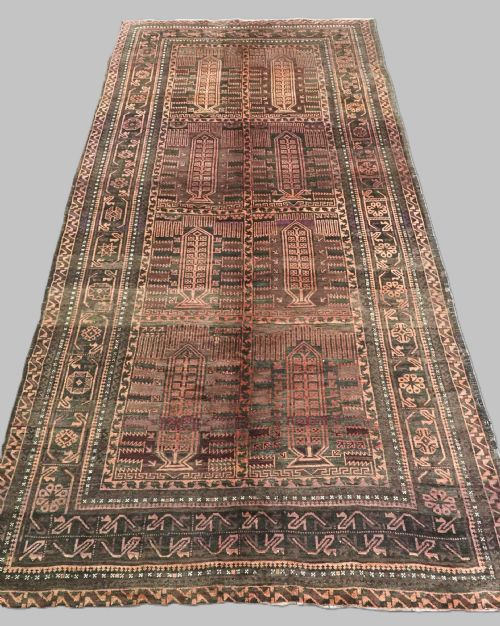
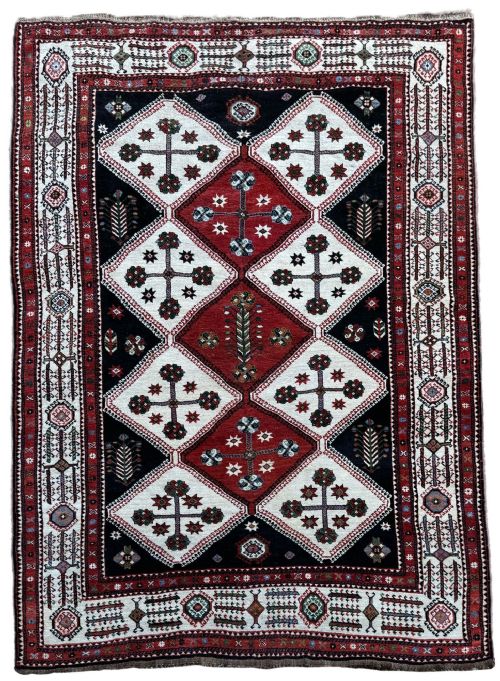
When you search for a nomadic hand woven carpet, you are looking at tribal weaving shaped by regional traditions and older hands.
Nomadic Hand Woven Carpet
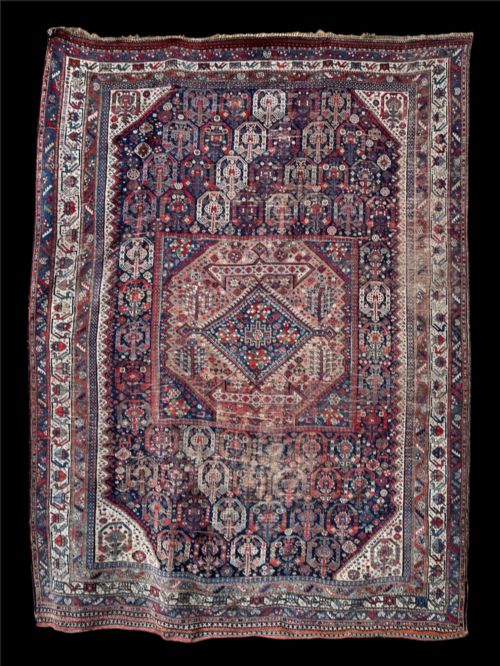
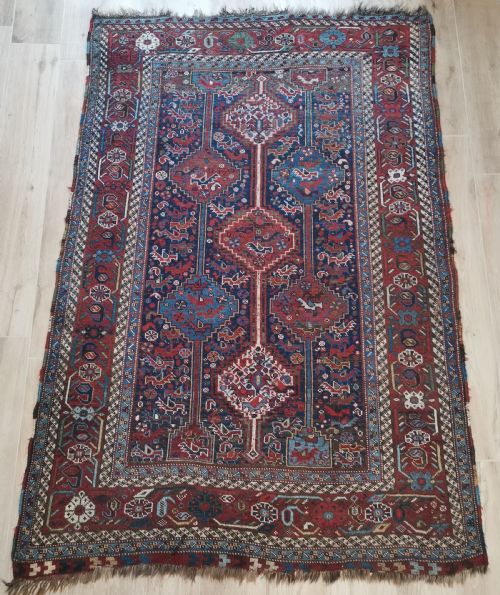
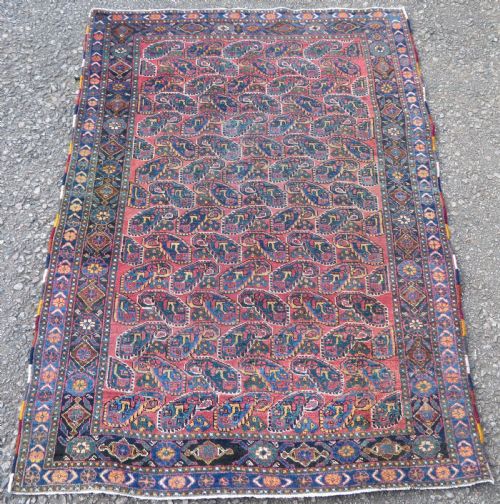
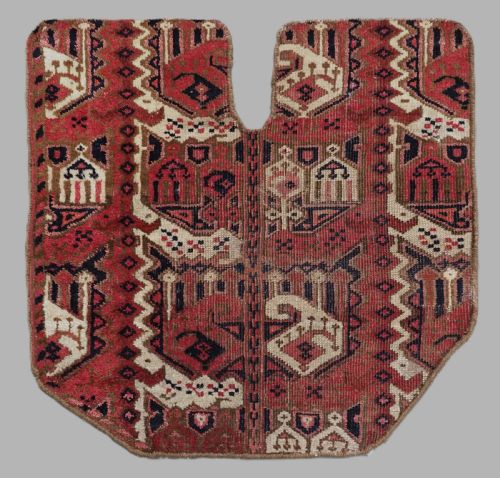
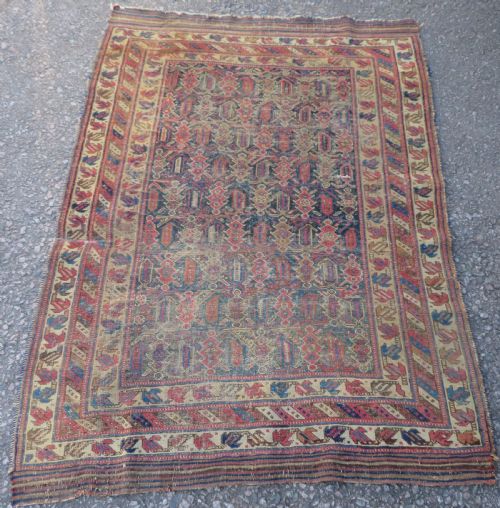
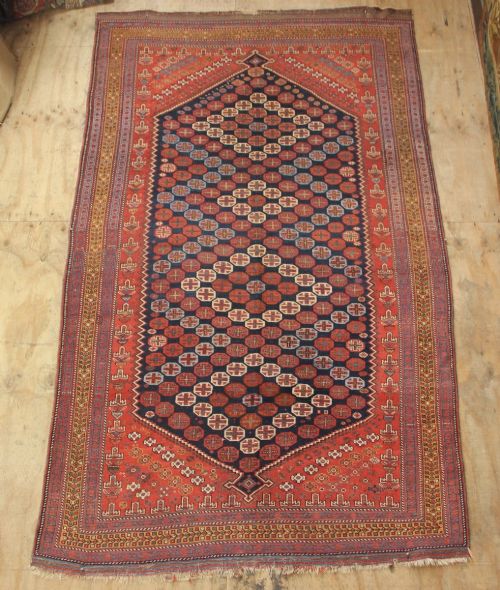
These floor coverings and utilitarian objects served practical purposes within nomadic and village daily life, moving with communities before entering the antique market. The designs reflect specific tribal identities through characteristic motifs and structures, offering insight into the heritage of weavers working outside settled urban workshops.
Materials and construction methods
Construction relies primarily on wool, hand-spun wool, and cotton foundations, often supplemented with goat hair for durable selvedges and structural edges. The tactile quality of these textiles comes from the use of natural dyes applied to hand-spun fibres, yielding varied palettes that develop depth over time.
The weaving technique involves knotting wool yarn onto warp and weft foundations, creating dense pile fabrics designed for hard usage. Artisans incorporated structural details like original tassels and complete wool backs on utilitarian bags, preserving the functional integrity of the piece.
Listings feature wool, cotton, and natural dyes across pieces dated from the nineteenth and early twentieth centuries.
Factors of distinction
Quality in a nomadic hand woven carpet rests on the handling of the wool, the precision of the tribal design execution, and the integrity of the natural dye palette. Finer knot density and healthier pile condition elevate certain examples, whereas heavy wear or structural loss alters the integrity of the textile.
The survival of original elements such as complete borders, tassels, and structural backs contributes to the standing of an individual rug. Additionally, the clarity of tribal motifs and the saturation of natural dyes distinguish standard utility pieces from more accomplished works.
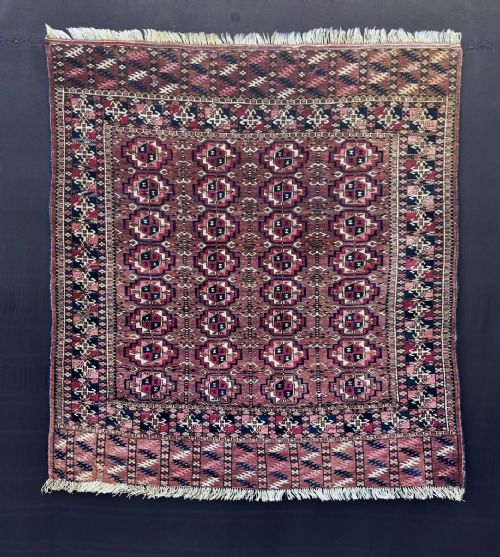
Afshar Tribes·Teke Tribes·Yomut Tribes·Ersari Turkmen
The Nomadic Hand Woven Carpet Glossary
- Gul
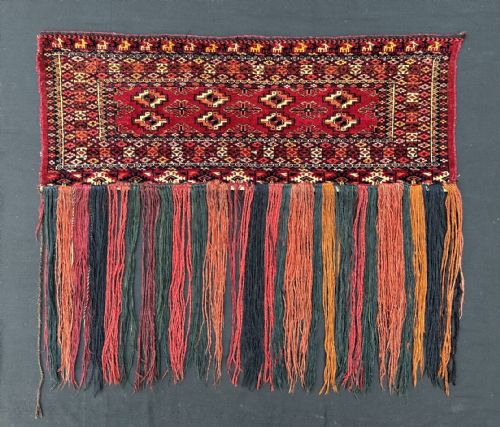
- A medallion or repeated octagonal motif used extensively in Turkmen tribal rugs to signify specific clan identities. These patterns are arranged in rows across the field of the textile.
- Torba
- A small wall-hanging bag or storage sack produced by Turkmen tribes, featuring a patterned face and often a plain wool back. They were utilised inside nomadic tents for personal belongings.
- Selvedge
- The reinforced edge of a carpet running parallel to the warp, finished to prevent fraying. In tribal weaving, these edges frequently incorporate goat hair for added durability.
- Warp
- The stationary vertical threads stretched across a loom that form the structural foundation of the textile. Weft threads are interlaced across these vertical foundations during construction.
Nomadic Hand Woven Carpet: Frequently Asked Questions
What is a nomadic hand woven carpet?
A nomadic hand woven carpet is a textile produced by tribal weavers using traditional wool and natural dye materials, often featuring geometric patterns tied to specific regional groups.
These pieces served functional roles as floor coverings, tent decorations, or storage bags within tribal communities before becoming collectible antiques.
How do you identify tribal rugs?
Identification relies on recognising specific motifs like guls, structural materials such as goat hair edges, and regional colour palettes associated with groups like the Turkmen, Afshar, or Baluch.
Comparing the knotting style and wool texture helps link a rug to its likely geographical origin and period of production.
Were these carpets used on floors?
Many larger formats functioned as floor coverings within tents or village homes, enduring daily foot traffic and nomadic movement.
Smaller formats like torbas and saddle bags served domestic storage functions rather than floor use, remaining in better protected areas.
How should antique wool rugs be cleaned?
Antique wool rugs require gentle maintenance, typically involving professional dusting and low-moisture cleaning methods suited to natural dyes.
Avoiding harsh chemical treatments preserves the lanolin in the hand-spun wool and protects the stability of the foundation threads.