


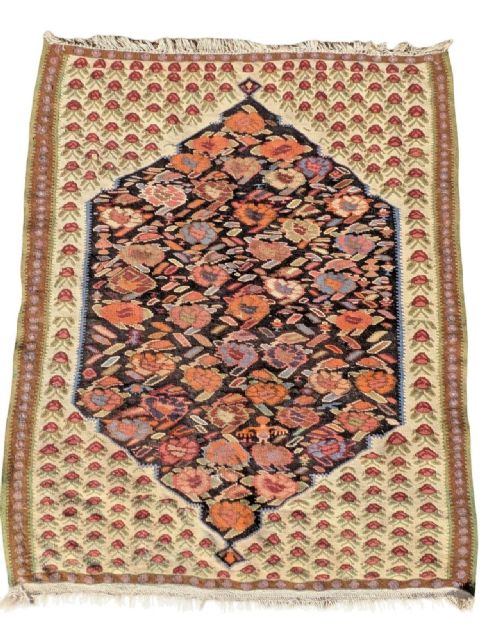
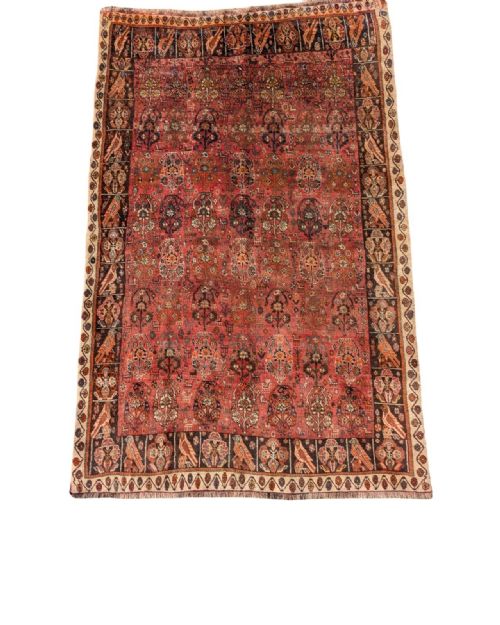
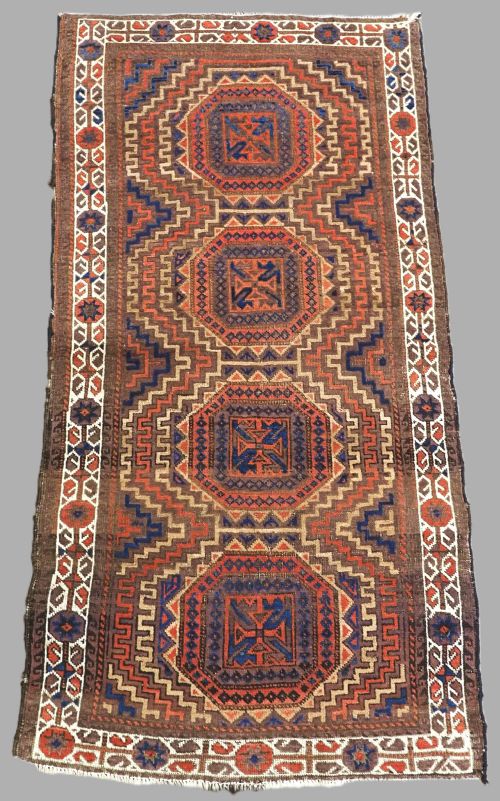
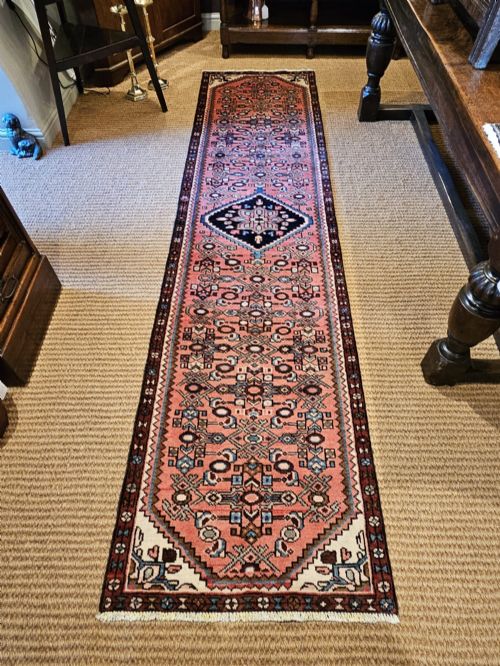
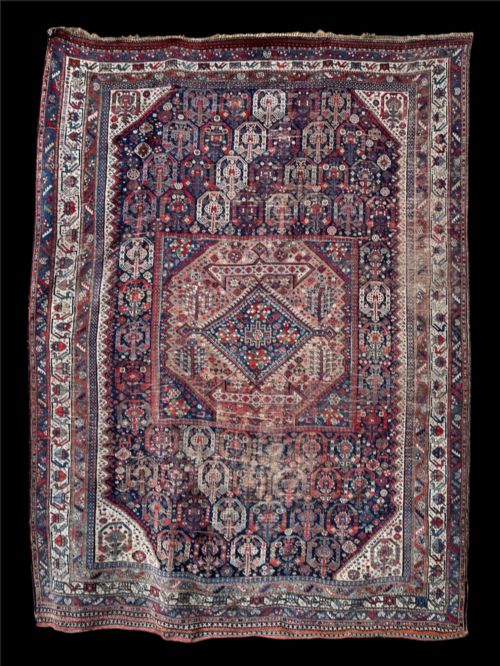
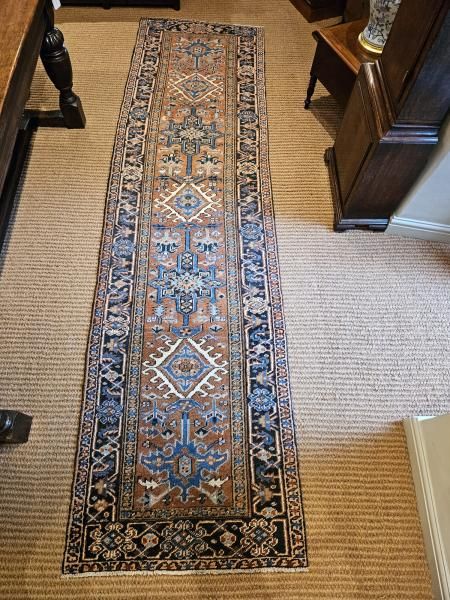
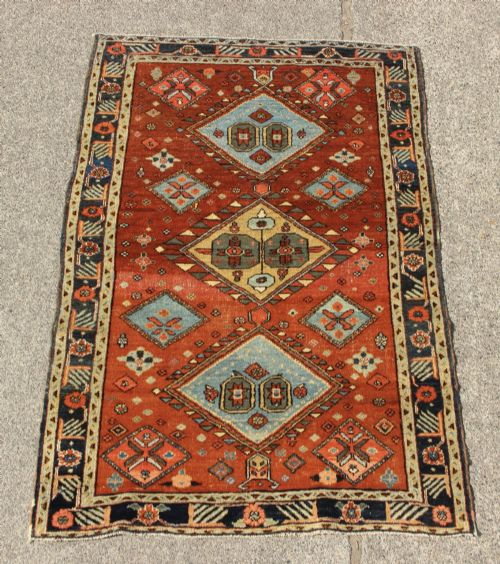
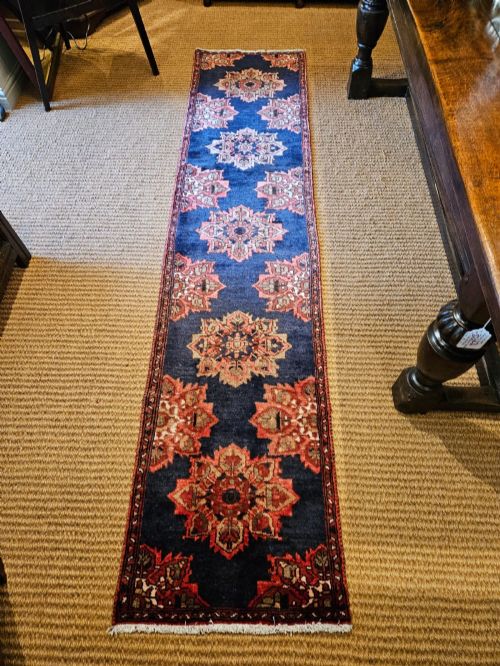
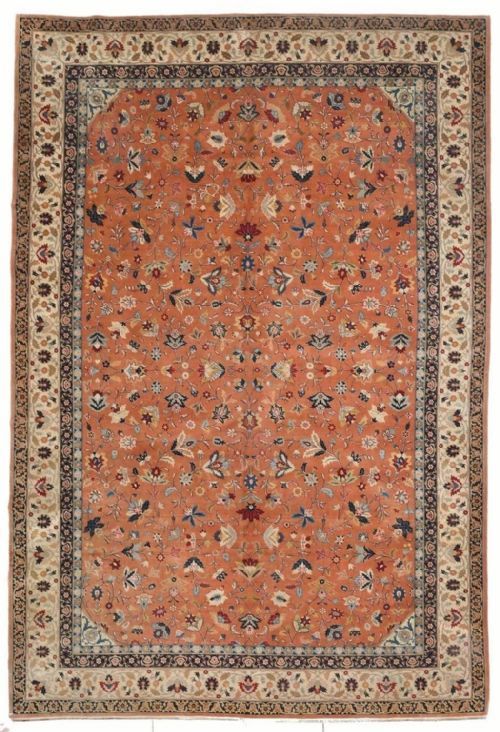
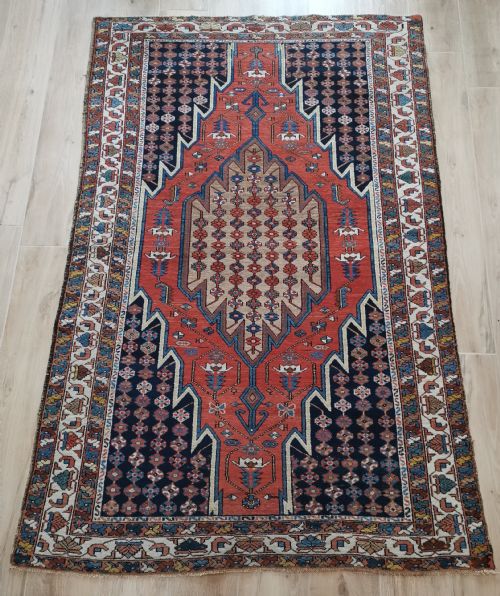
Terracotta Wool Runner Rug
These terracotta wool runner rugs bring warmth and structure to hallways, combining dense pile with earthy dye palettes.
Terracotta Wool Runner Rug
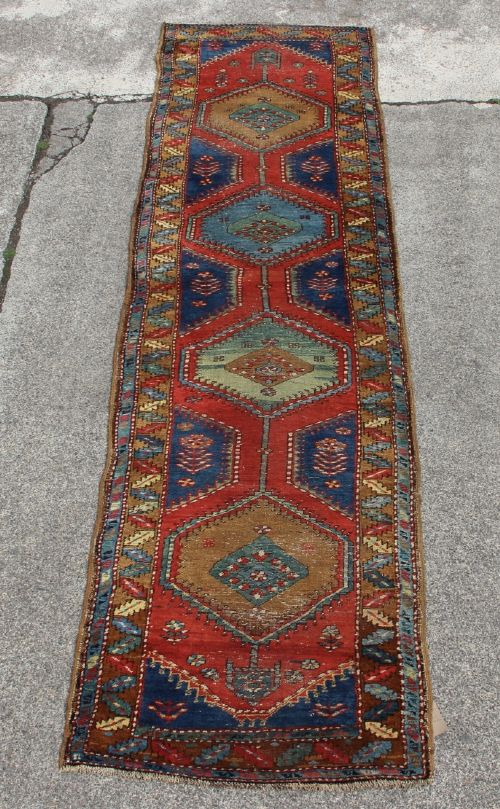
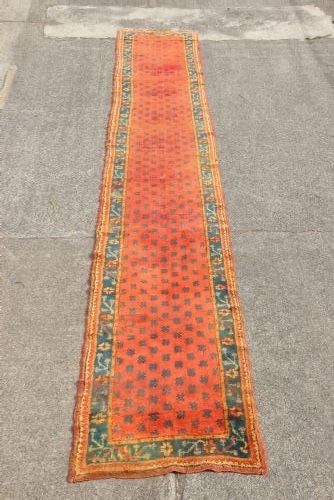
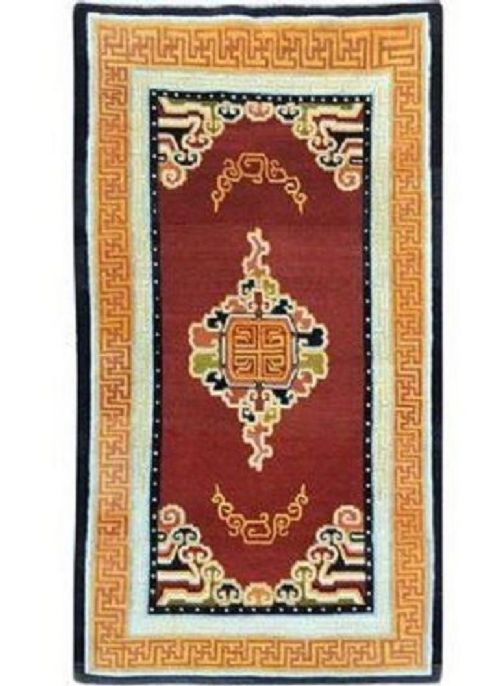
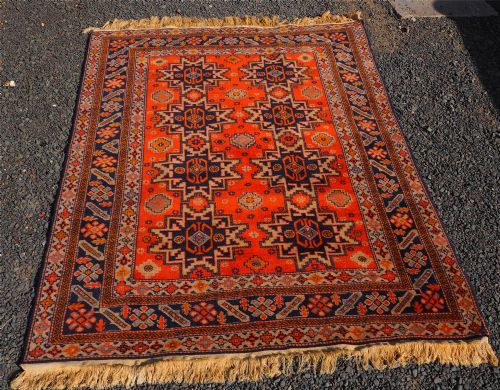
A terracotta wool runner rug provides a durable, elongated textile solution for corridors and high-traffic interior spaces. The selection ranges from nineteenth-century pieces to early twentieth-century examples originating from Persian, Turkish, and Caucasian weaving traditions.
Buyers encounter regional forms such as Kurdish, Heriz, and Bakshaish runners alongside tribal pieces from Oushak and Ushak. These formats utilise traditional hand-knotted techniques to deliver narrow, rectangular floor coverings suited to domestic pathways.
Materials and Construction
These textiles rely predominantly on wool foundations and piles, occasionally incorporating cotton and camel hair for structural stability or contrast within the design. Natural dyes provide the underlying palette, yielding rich terracotta and earthy tones that age gradually over decades.
Hand-knotted construction methods secure the wool fibres to the warp and weft, producing dense pile structures capable of withstanding heavy daily use. Artisans apply traditional knotting techniques characteristic of specific regional weaving centres, resulting in distinct tactile profiles.
Terracotta Wool Runner Rug Retail Price Guide 2026
Typical asking prices for terracotta wool runner rug among the pieces listed under this phrase on Sellingantiques today, from the lower quarter to the upper quarter. They describe what is for sale here now, not the wider market.
Listings span periods from the nineteenth century through to the 1930s, utilising wool, cotton, camel hair, and natural dyes.
Distinguishing Quality Levels
The density and uniformity of the hand-knotted pile dictate the structural integrity of each textile, with finer knots yielding crisper geometric and floral motifs. Consistency in the hand-spinning of wool and the saturation of natural dyes separates standard utilitarian pieces from exceptional examples.
Preservation of the original outer borders and selvedges indicates superior historical care, whereas extensive modern re-weaving alters the original physical integrity. The depth of tone achieved through natural dyeing methods imparts a visual resonance absent in synthetic alternatives.
The Terracotta Wool Runner Rug Glossary
- Runner
- A long, narrow carpet format designed specifically for corridors, hallways, and staircases.
- Wool
- The primary animal fibre utilised for the pile and foundation of traditional woven floor coverings.
- Natural Dyes
- Colourants derived from plant, insect, and mineral sources yielding subtle, complex hues.
- Knot
- The individual loop of yarn tied to the warp threads that forms the pile of the textile.
Terracotta Wool Runner Rug: Frequently Asked Questions
How do I clean a wool runner rug?
Regular gentle vacuuming without a rotating brush roll prevents dust accumulation within the dense wool pile.
Professional specialist cleaning is recommended for deep maintenance to protect the natural dyes and fibres.
Where should I place a runner rug?
These narrow textiles suit hallways, corridors, and entryways where linear floor coverage enhances spatial flow.
They also function effectively beside beds or in galley kitchens requiring durable underfoot warmth.
Are these runners durable for heavy traffic?
Hand-knotted wool construction provides natural resilience and elasticity, allowing the pile to withstand constant footsteps.
Quality wool fibres resist crushing and maintain their structural integrity over decades of domestic use.
How can I identify the regional origin?
Specific knotting densities, structural materials, and characteristic colour palettes point towards particular weaving traditions.
Motifs such as specific medallion layouts or tribal guls offer further clues to the geographic workshop.