


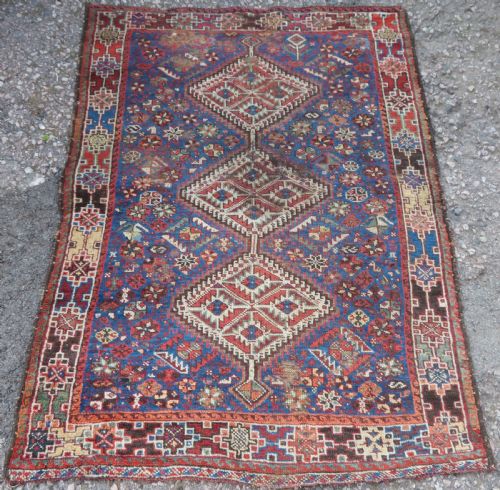
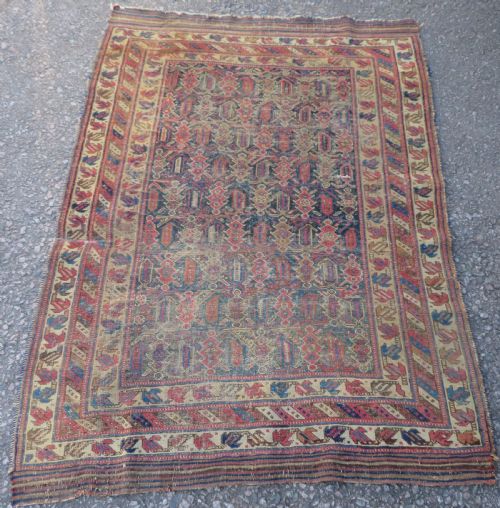
Tribal Nomadic Area Carpet
These tribal nomadic area carpets bring centuries of woven heritage into a room, connecting homes with the skilled hands of village and tent makers.
Tribal Nomadic Area Carpet
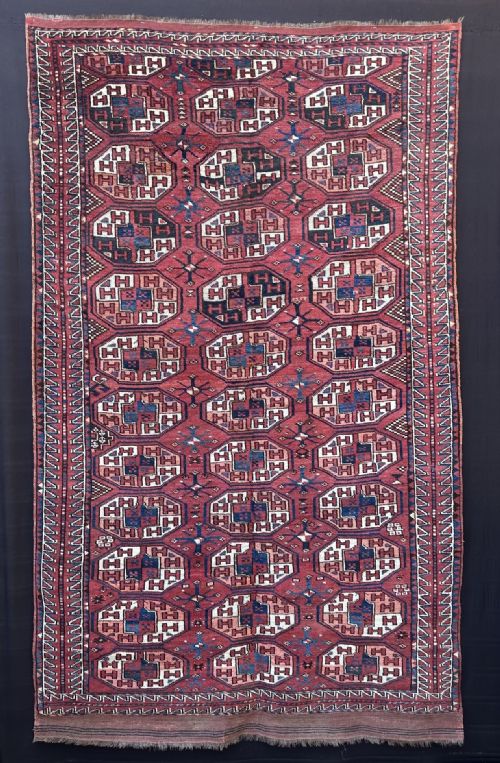
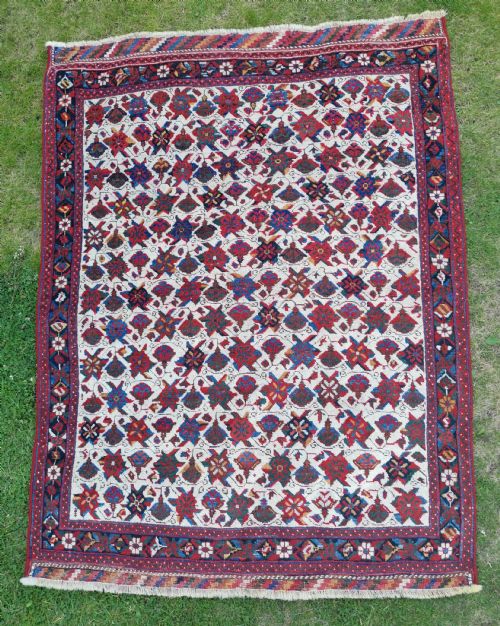
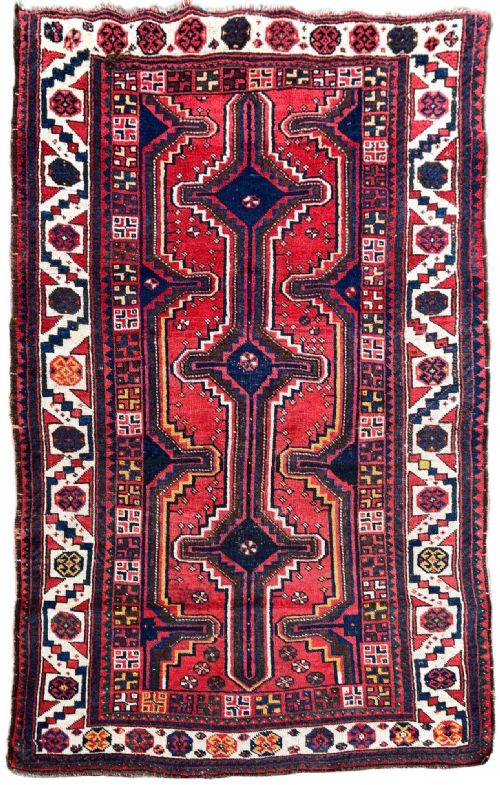
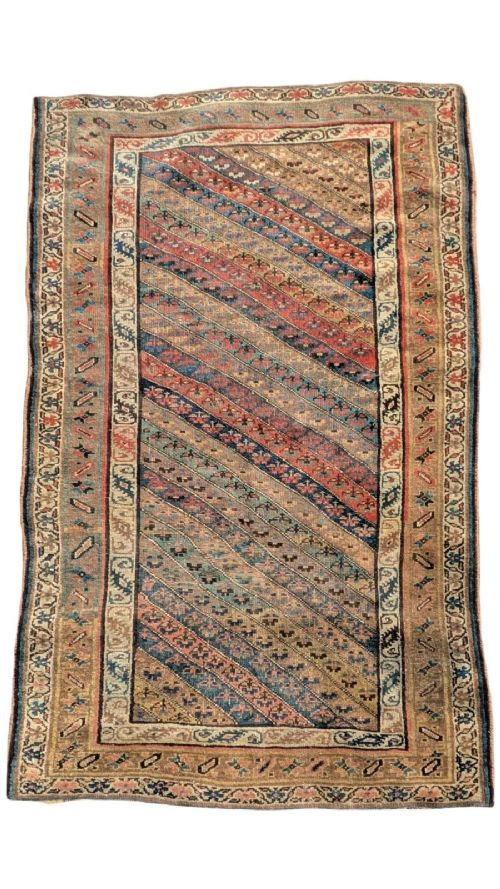
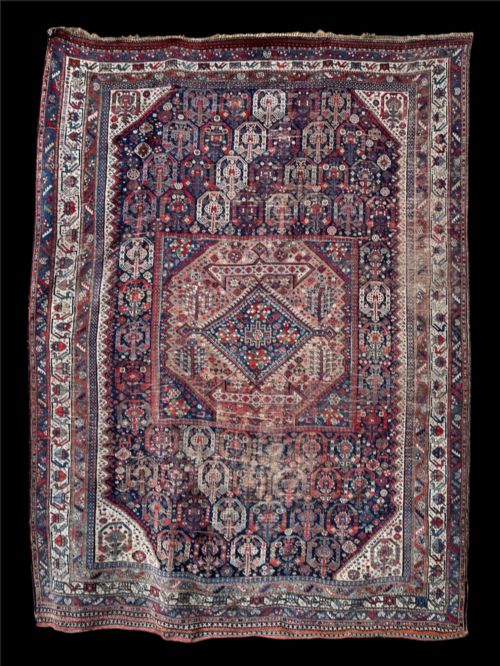
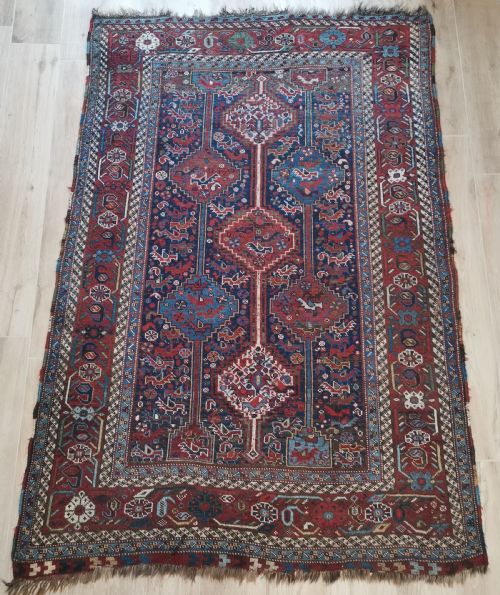
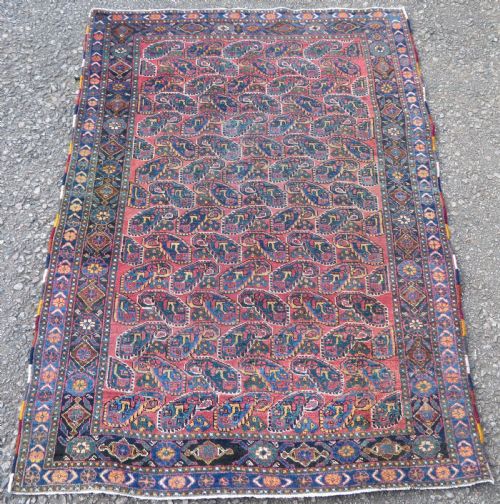
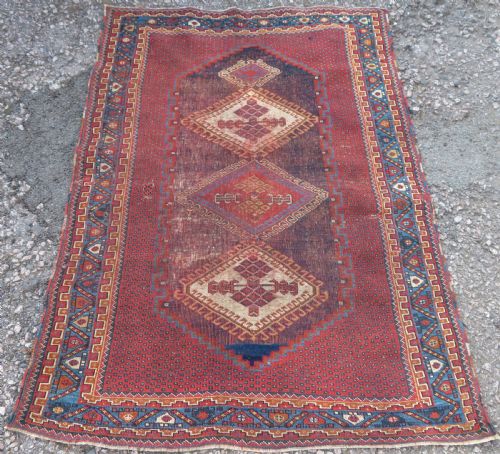
A tribal nomadic area carpet represents the hand-knotted textiles produced by pastoral and village groups across Central Asia and Persia. Buyers pursuing a tribal nomadic area carpet encounter formats ranging from small prayer rugs and tent door hangings to large floor carpets. The pieces available here span production periods from the nineteenth century into the twentieth century, created by specific regional groups.
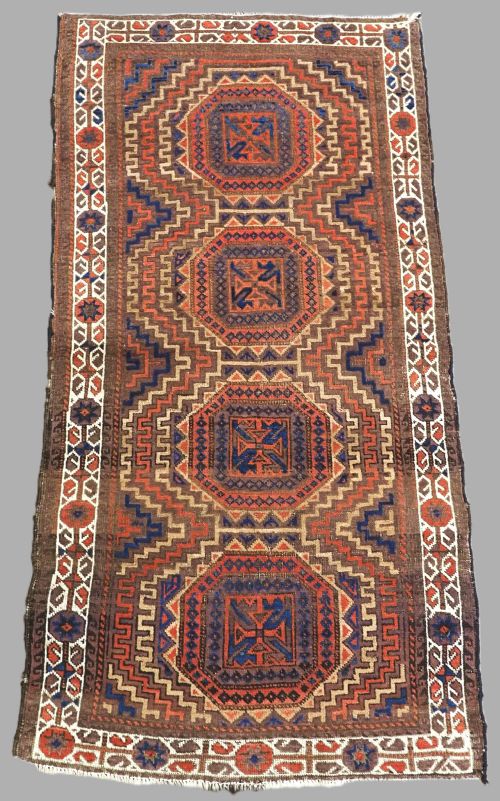
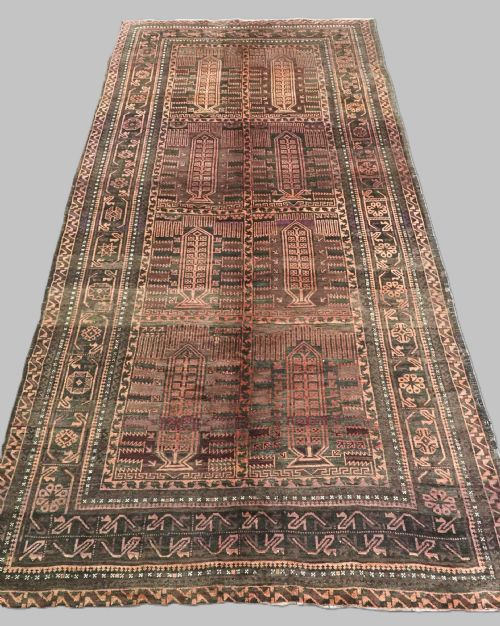
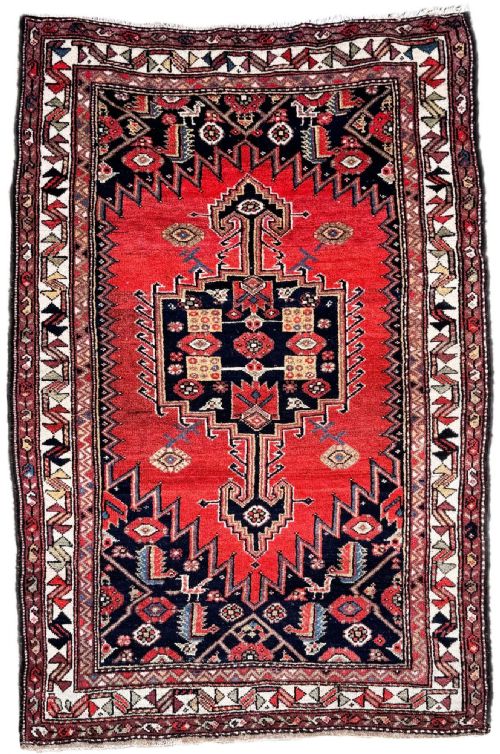
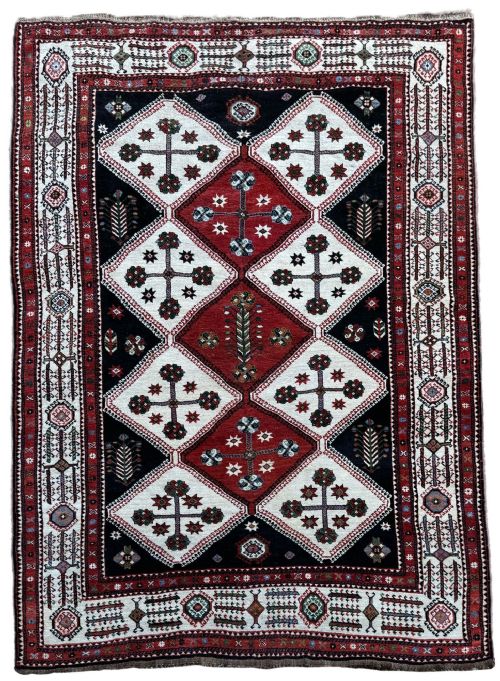
The regional origins shape the primary characteristics of each piece. Listings feature rugs attributed to Turkmen, Afghan, Baluch, Kurdish, Khamseh, Afshar, and Qashqai weavers. These groups utilised traditional motifs, such as guls and pencil box patterns, reflecting their distinct cultural identities and geographic locations.
Materials and Construction
Weavers constructed these textiles predominantly using wool and hand-spun wool for the pile and foundation yarns, sometimes combined with cotton. The employment of natural dyes produced deep, lasting tones that soften gracefully over decades of use. Every carpet was hand woven on portable or village looms, resulting in sturdy structures designed for daily life.
The tactile quality stems directly from these traditional pastoral materials. Natural fibres absorb dye with subtle tonal variations, creating the characteristic depth found across older nomadic weavings.
Listings feature carpets produced across periods ranging from the mid-nineteenth century to the mid-twentieth century.
Distinctions in Quality
The superiority of one weaving over another depends on the tightness of the knotting and the handled resilience of the wool. Finer knots permit intricate geometric definitions and sharper pattern work, particularly in medallions and repeated tribal motifs. Foundation stability also plays a role, as tightly beaten wefts secure the pile against heavy foot traffic.
Aesthetic balance and dye saturation distinguish finer examples from standard village production. The harmony of the palette and the clarity of the design structure elevate specific carpets above routine utilitarian pieces.
The Tribal Nomadic Area Carpet Glossary
- Gul
- A primary octagonal medallion motif frequently found in Turkmen and Baluch tribal carpets. These repeating symbols often denote specific tribal lineages.
- Prayer Rug
- A smaller format rug featuring a mihrab or arch design at one end. Weavers originally created these for daily devotional use.
- Mihrab
- The arched niche design depicted on prayer rugs, directing the visual focus towards a specific orientation. This architectural element translates into tribal textile geometry.
- Kapunuk
- A specialised tent door hanging produced by Turkmen groups. These triangular-flapped textiles hung above the entrances of nomadic dwellings.
Tribal Nomadic Area Carpet: Frequently Asked Questions
How do I identify a tribal nomadic area carpet?
Look for repeating geometric motifs, natural dyes, and dense hand-knotted wool construction typical of village and tent production.
Attributions often point towards specific regions like Persia or Central Asia based on the specific design vocabulary.
Are these carpets suitable for heavy foot traffic?
Most traditional nomadic weavings utilise robust hand-spun wool designed to withstand practical daily use.
However, older or distressed pieces require more mindful placement to preserve the remaining pile and foundation.
What does a prayer rug design look like?
Prayer formats typically incorporate a pointed arch or mihrab shape at one end of the field.
This distinct architectural outline separates them from standard area carpets and runners.
How should I clean an antique tribal rug?
Gentle surface brushing and professional specialist cleaning suited for natural wool and dyes are recommended.
Avoid immersion washing or harsh chemical detergents that can strip natural colour compounds from the fibres.