
Antique Wooden Tripod Stand
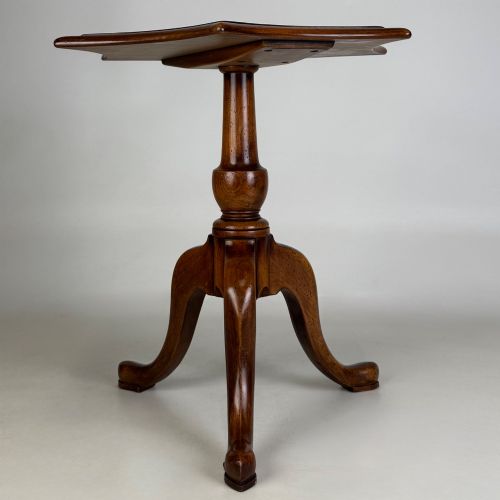
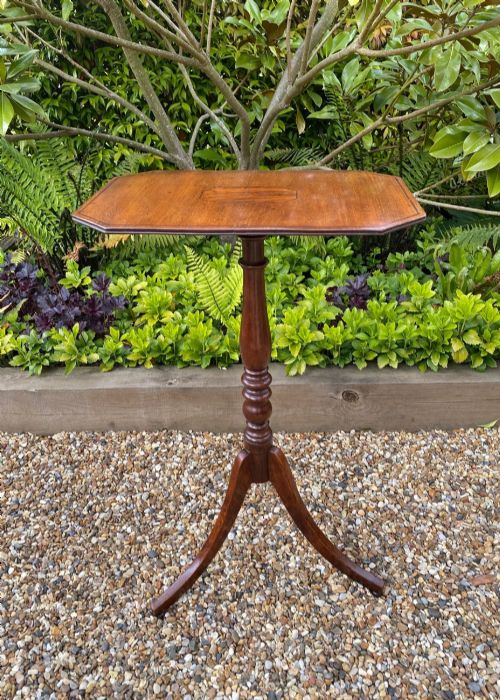
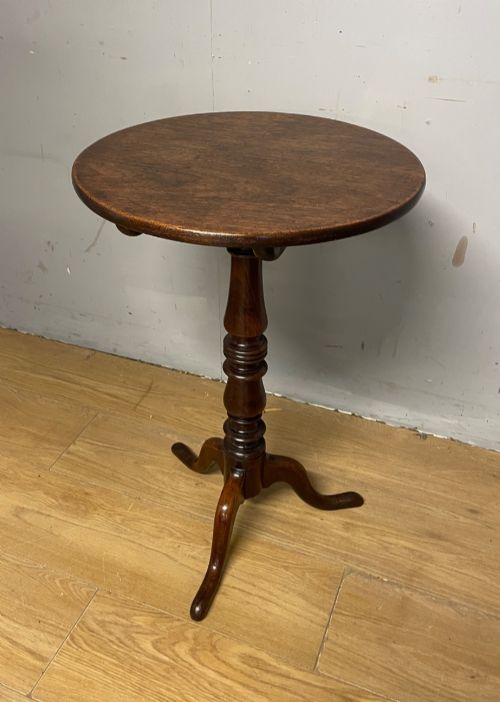
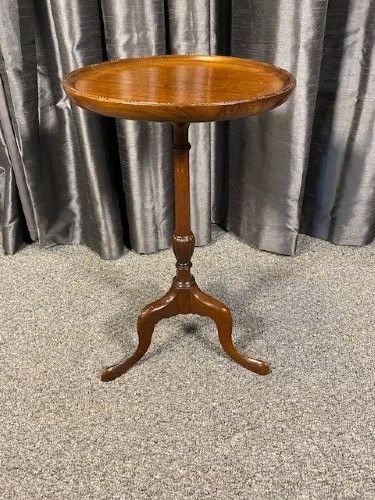
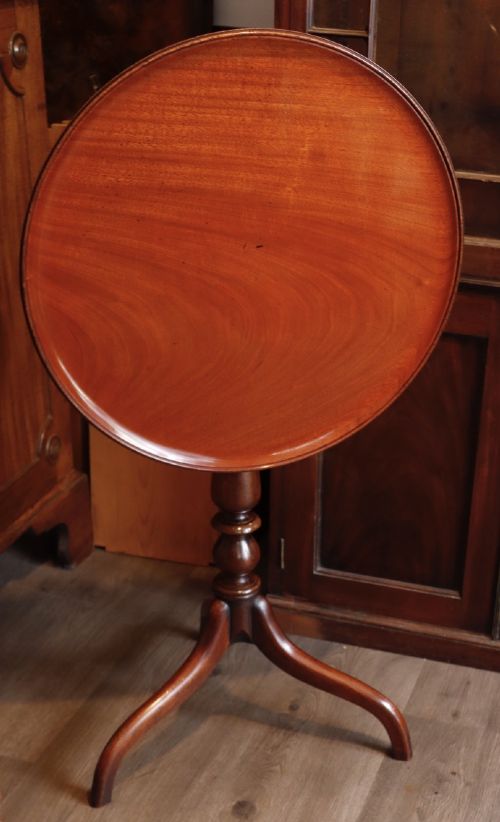
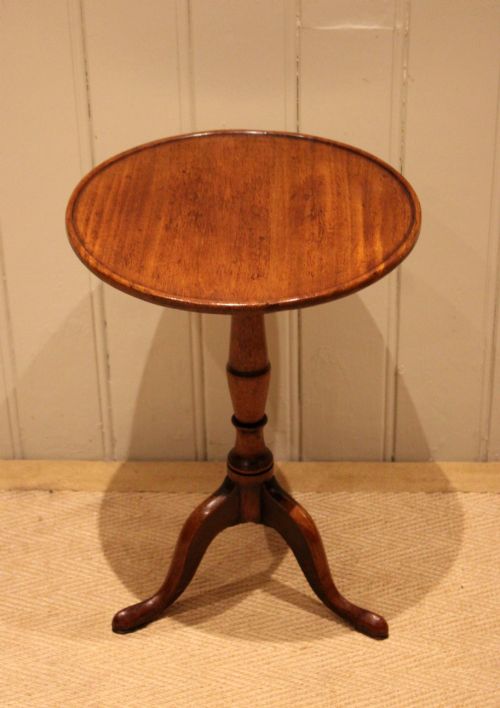
An antique wooden tripod stand is a stable, three-legged piece of furniture designed to hold plants, lamps, or small objects.
Antique Wooden Tripod Stand
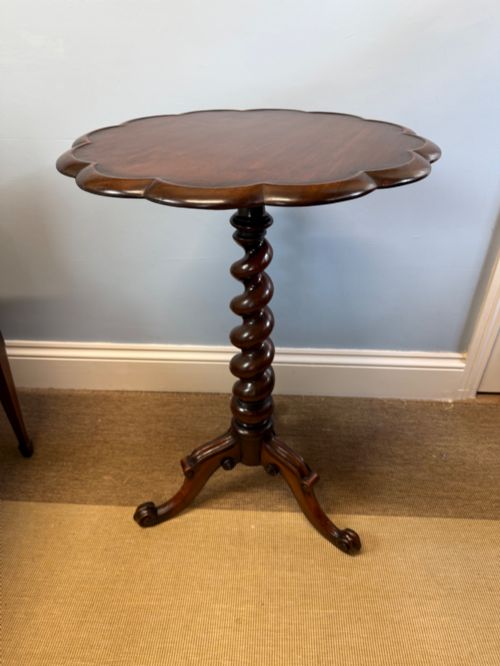
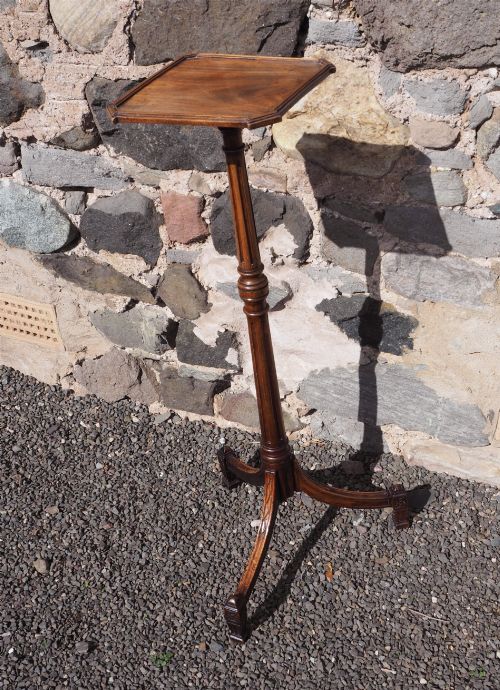
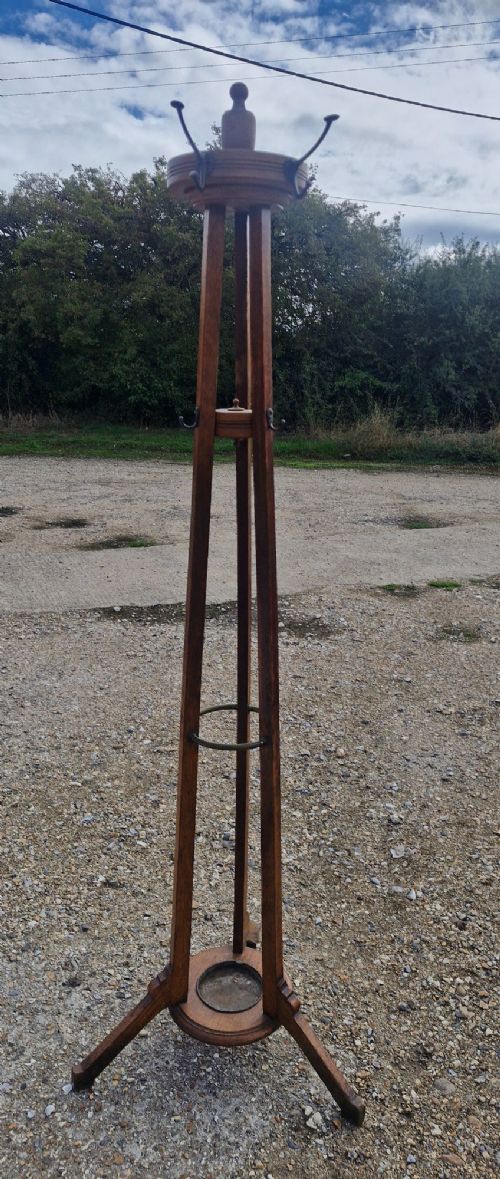
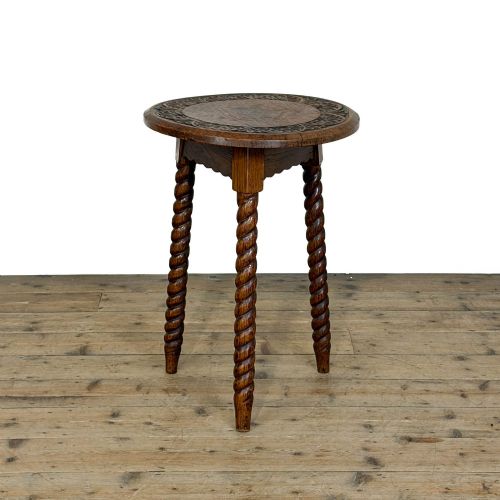
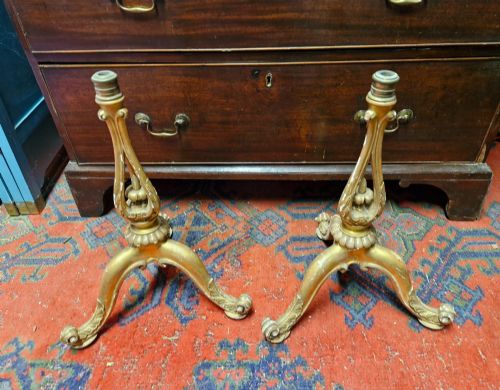
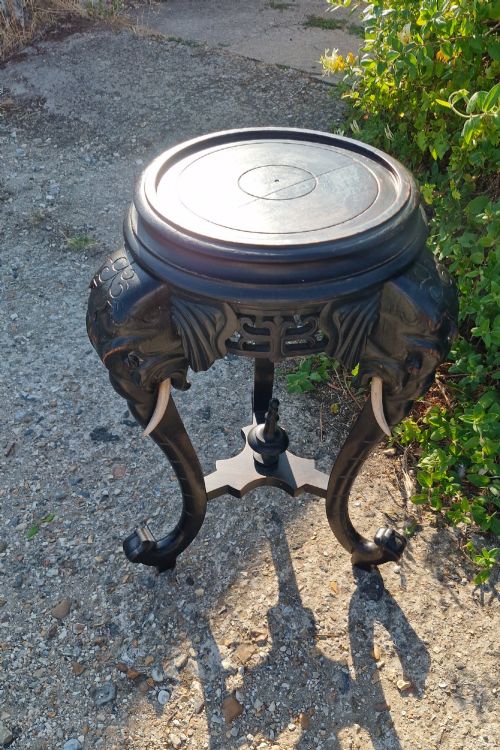
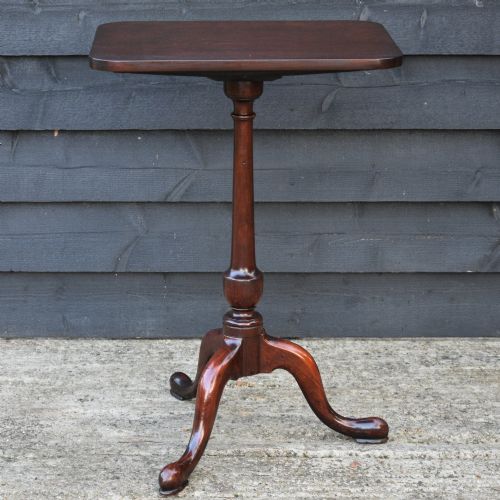
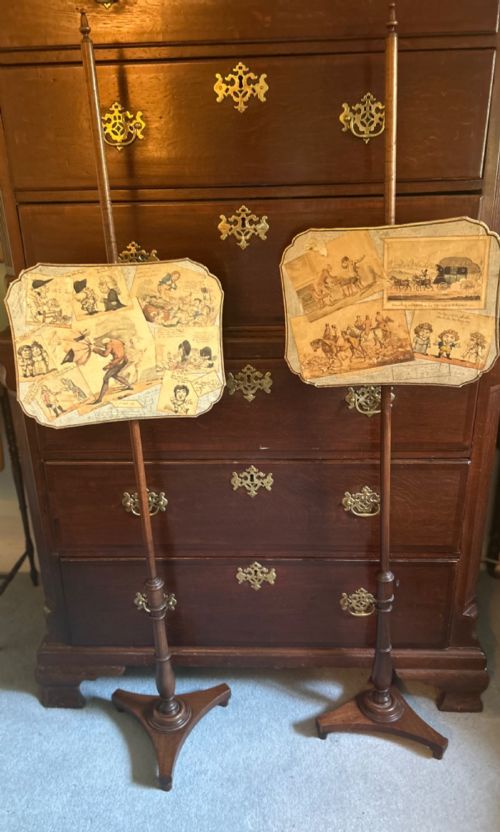
An antique wooden tripod stand brings functional three-legged support into domestic spaces through various forms such as wine tables, torcheres, plant stands, and occasional tables. These pieces emerge predominantly from the Georgian, Victorian, and Edwardian periods, reflecting the domestic habits of past centuries. Buyers seeking this phrase encounter items designed to occupy corners, hold candles, or display decorative vessels.
Mahogany, oak, and walnut dominate the structural choices across these items, often shaped with tilt-top actions or fixed surfaces. Regional variants introduce fruitwood, cherry, and ash, expanding the textural range available to collectors. The three-legged format ensures stability on uneven historical flooring while presenting a compact footprint.
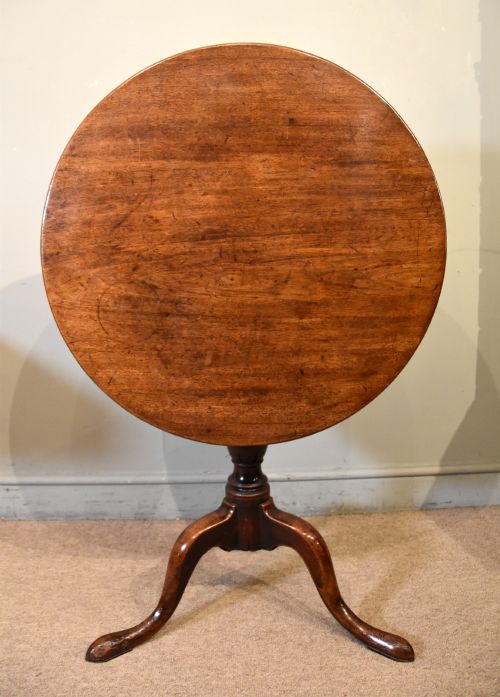
Makers adapted the tripod format for specialised tasks, resulting in music stands, shaving stands, and pole screens alongside standard occasional tables. Georgian and Regency iterations often feature tilt-top mechanisms for easy storage against walls when not in use. Edwardian and Victorian examples frequently serve as plant stands or torcheres to elevate decorative items within a room.
Materials and construction methods
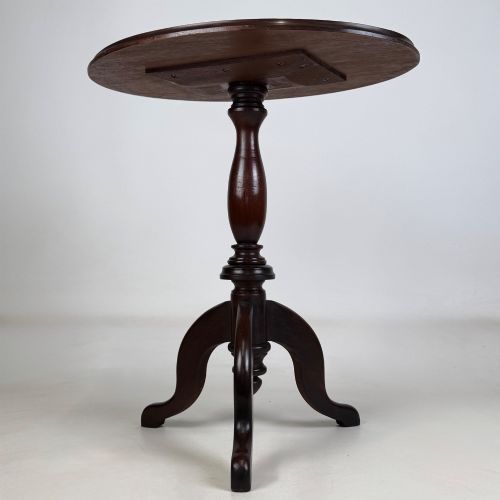
Cabinetmakers utilised dense timbers like mahogany, walnut, and oak to construct durable shafts and spreading tripod bases. Turning lathes shaped central pillars into columns, balusters, or fluted stems, while hand saws and chisels formed the three supporting legs. Joinery relied on tenons and dovetails to secure the pillar firmly to the tripod foot assembly.
Surface enhancement involved french polishing, wax finishing, or paint applied over fruitwood and softwood carcasses. Inlaid satinwood, carved motifs, and ebonised detailing appeared on higher-status tables, demonstrating meticulous cabinet work. Tilt-top variations incorporated sophisticated brass or wooden catches to lock the tabletop in a vertical or horizontal position.
Listings feature timbers including mahogany, walnut, oak, fruitwood, ash, and satinwood across periods spanning from the eighteenth century through the Edwardian era.
Distinguishing quality in tripod stands
Quality rests upon the proportional harmony between the top, the central turned column, and the splayed legs. Superior examples display balanced weight distribution where the tripod base extends far enough to prevent tipping without appearing clumsy. Hand-carved details on the knees of the legs or crisp fretted edges on the tabletop separate master workshops from provincial production.
The integrity of the central pivot mechanism dictates the structural success of tilt-top tables. Fine pieces maintain a tight, wobble-free connection between the top and the pillar after centuries of use. Timber selection also defines grade; beautifully figured mahogany or burr oak veneers indicate an investment of material wealth during initial manufacture.
Gillows
The Antique Wooden Tripod Stand Glossary
- Torchere
- A tall, slender stand designed to elevate a candle, lamp, or decorative plant. These pieces frequently feature elaborate carvings on the stem and tripod base.
- Birdcage
- A revolving wooden block beneath the tabletop that allows the surface to both tilt and rotate. This complex assembly appears on better quality Georgian tables.
- Pad foot
- A rounded foot at the bottom of a cabriole leg that rests flat on the floor. It provides a neat termination to the tripod base without requiring metal castors.
- Baluster
- A moulded, vase-shaped vertical shaft supporting the tabletop. Turned on a lathe, this central column forms the visual anchor of the tripod structure.
Antique Wooden Tripod Stand: Frequently Asked Questions
What were antique tripod stands used for?
These versatile stands served multiple domestic duties, from holding wine glasses and candles during evening gatherings to displaying prized porcelain and indoor plants. Tall torcheres illuminated dark corners of drawing rooms before the advent of widespread electric lighting.
Smaller tables sat beside chairs to hold books or sewing equipment, offering a movable surface that required minimal floor space.
How do I identify a tilt-top table?
Look beneath the tabletop for a catch mechanism or block hinge connecting the surface to the central pillar. When released, the top pivots ninety degrees to rest flat against the stem.
This clever design allowed servants to clear floor space quickly after tea or card games concluded.
Are tripod stands stable on modern floors?
The three-legged design naturally accommodates uneven historical floorboards by making contact at three distinct points without rocking. This engineering principle ensures the stand remains firm even on slightly irregular surfaces.
However, placing them in high-traffic corridors requires caution to avoid accidental collisions with the splayed feet.
How do I distinguish Georgian from Victorian stands?
Georgian stands generally exhibit restrained elegance with slender proportions, pad feet, and classical column turnings. Mahogany and oak dominate this earlier era with a focus on functional purity.
Victorian examples often introduce heavier carvings, ebonised finishes, or elaborate plant stands with painted details. The timber selection broadens during the nineteenth century to include walnut and various exotic veneers.