






Georgian Birdcage Action Table
A georgian birdcage action table offers a clever pivoting mechanism atop a pillar, and you want one for its ingenious space-saving design.
Georgian Birdcage Action Table
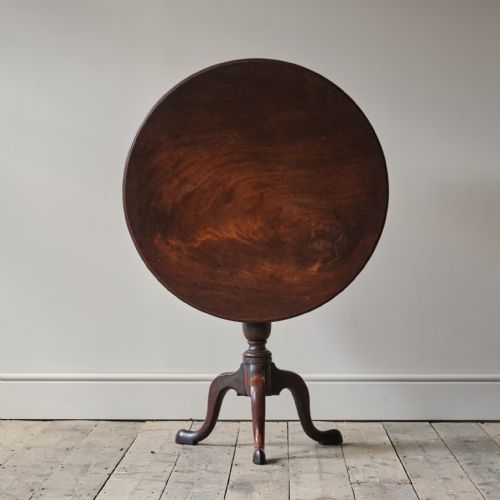
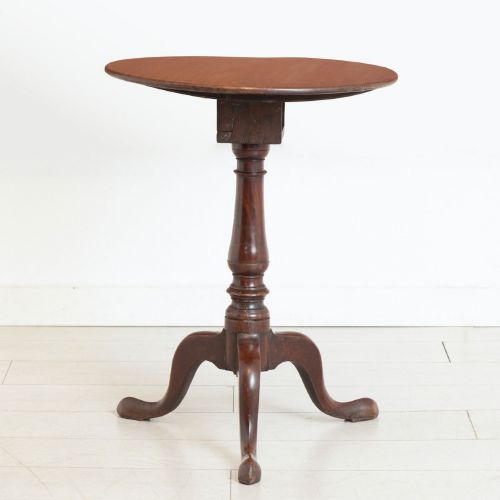
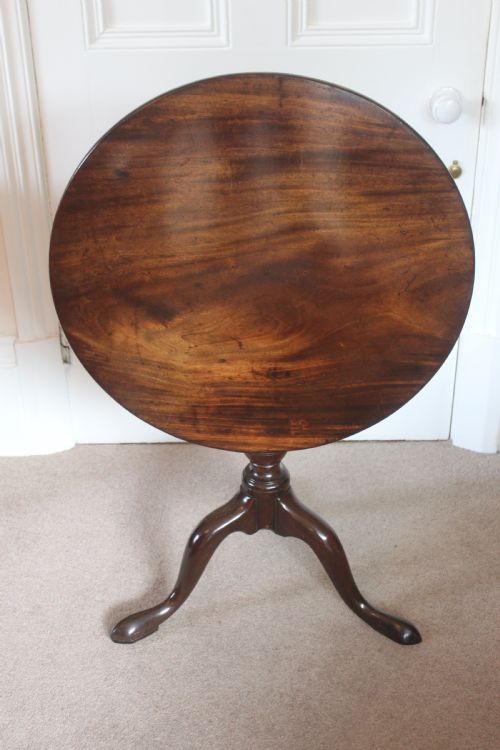
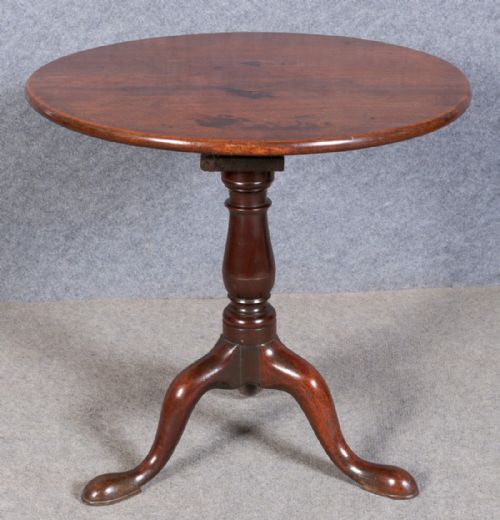
A georgian birdcage action table is a piece of furniture designed with a pivoting wooden frame beneath the top, allowing the surface to tilt flat when not in use. These tables appear primarily as occasional, side, and tripod tables originating from the eighteenth century, including the Early Georgian and George III periods.
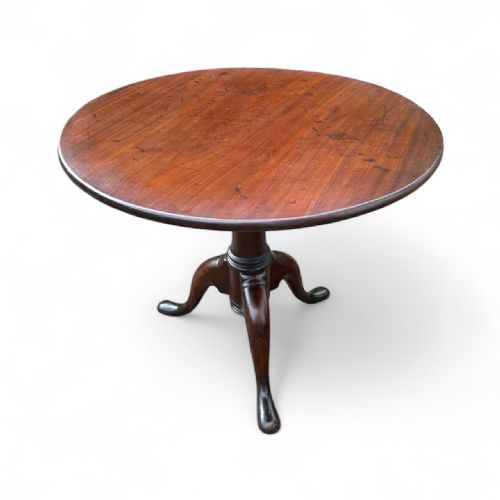
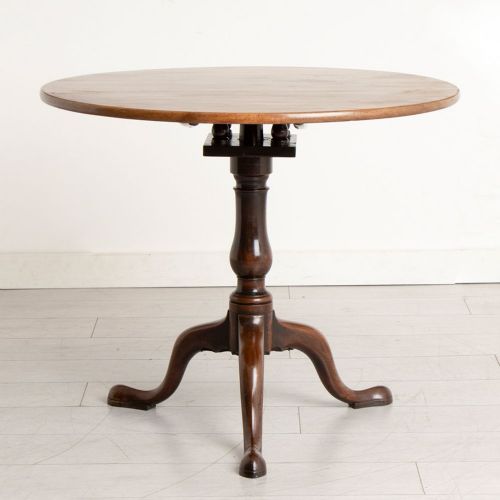
The versions you are most likely to meet on this page feature circular tops supported by a central pillar and three legs. Many examples showcase single-piece mahogany tops, whilst country interpretations appear in oak.
Makers of the period built these surfaces to serve as functional tea or card tables that could be tucked against a wall to save room in domestic parlours. The birdcage mechanism itself consists of small wooden blocks and a pivot that permits both a tilting action and a full three-hundred-and-sixty-degree rotation.
How they were made
The top of the table often started as a single plank of timber turned on a lathe or hand-planed to a smooth, circular finish. Joiners shaped the dish tops with raised rims to prevent items from rolling off, mounting them onto the rotating wooden cage assembly.
Listings for this phrase span the eighteenth and nineteenth centuries, featuring occasional, side, and tilt top forms in mahogany, oak, brass, and iron.
What varies in quality
Quality in a georgian birdcage action table rests upon the selection of timber, particularly whether the top consists of a single wide board of mahogany rather than joined planks. The crispness of the turning on the central pillar and the refinement of the leg profile also set finer examples apart from simpler country pieces.
The precision of the birdcage mechanism dictates how smoothly the table tilts and rotates without excessive wobble. Better examples maintain tight joints and well-fitted wooden pivots that operate with minimal friction.
The Georgian Birdcage Action Table Glossary
- Birdcage action
- A rotating wooden frame beneath a table top that allows the surface to both tilt and revolve. This mechanism uses small intersecting spindles and blocks.
- Tilt top table
- A table with a hinged surface that folds into a vertical position for storage against a wall. This format was especially popular in the eighteenth century.
- Tripod table
- A piece supported by a single central pillar resting on three legs. This design prevents the table from rocking on uneven floors.
- Dish top
- A table top featuring a raised, concave rim carved directly from the solid wood. It kept cups and saucers secure during tea service.
- Pad foot
- A simple rounded foot resting flat on the floor at the base of a cabriole leg. It provides a stable footing without excessive carving.
Georgian Birdcage Action Table: Frequently Asked Questions
What is a birdcage action?
A birdcage action is a pivoting wooden assembly fitted beneath a table top. It permits the surface to tilt vertically and rotate horizontally.
This clever engineering allowed eighteenth-century households to clear floor space quickly by stabling the table against a wall.
Why did they make tilt top tables?
Tilt top tables provided versatile furniture for eighteenth-century reception rooms where space was at a premium. They functioned as tea or side tables during the day.
When the meal or gathering ended, the owners tilted the top upright to push the furniture out of the way.
How do I date a georgian table?
Dating relies on examining the timber species, construction methods, and stylistic details of the legs and pillar. Eighteenth-century pieces frequently employ dense mahogany and hand-carved tripod bases.
Secondary woods, tool marks, and the wear patterns inside the birdcage mechanism also offer clues to the age of the piece.
Are all these tables mahogany?
Most of the examples recorded on this page utilise mahogany as the primary timber. Cabinet makers favoured its strength and rich grain for formal parlour furniture.
Country workshops occasionally used oak for utilitarian tripod tables, demonstrating regional variety in material choice.