
Antique Wooden Throne Chair
An antique wooden throne chair brings unmistakable presence to a room, offering robust construction and centuries of tactile character.
What these pieces are
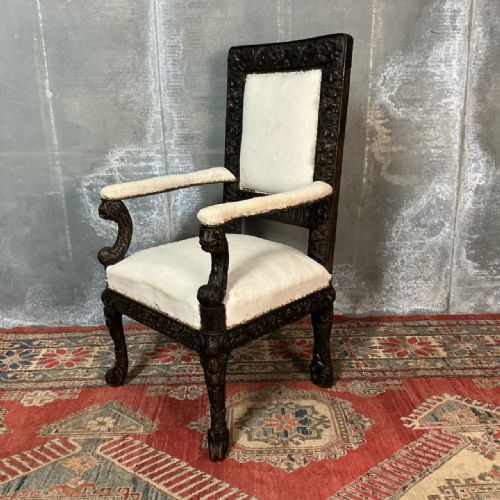
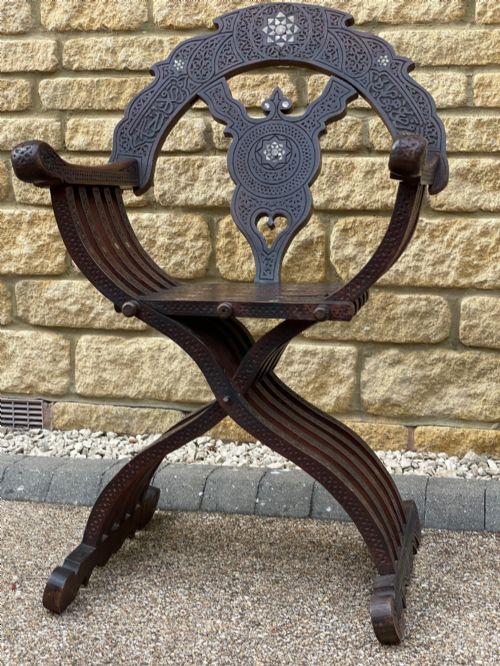
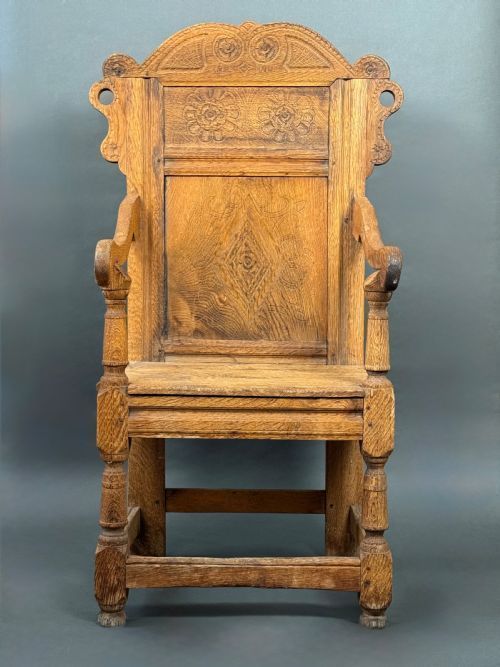
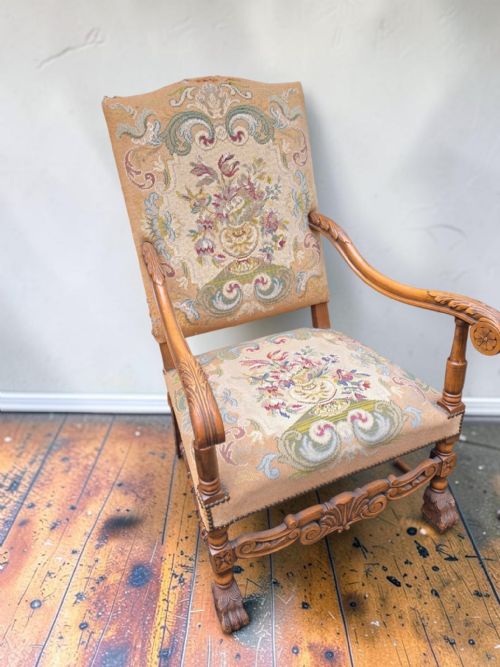
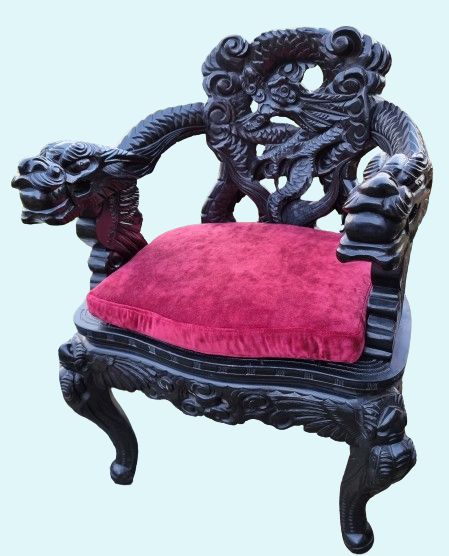
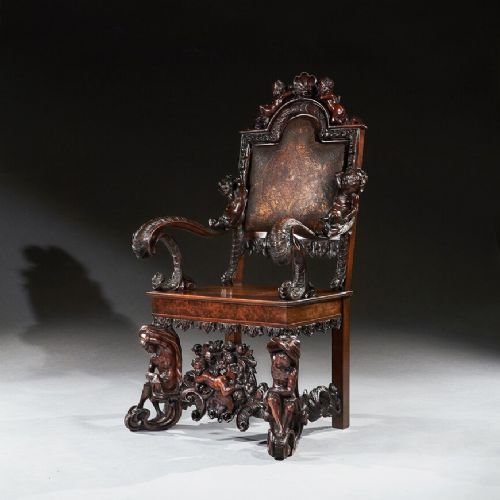
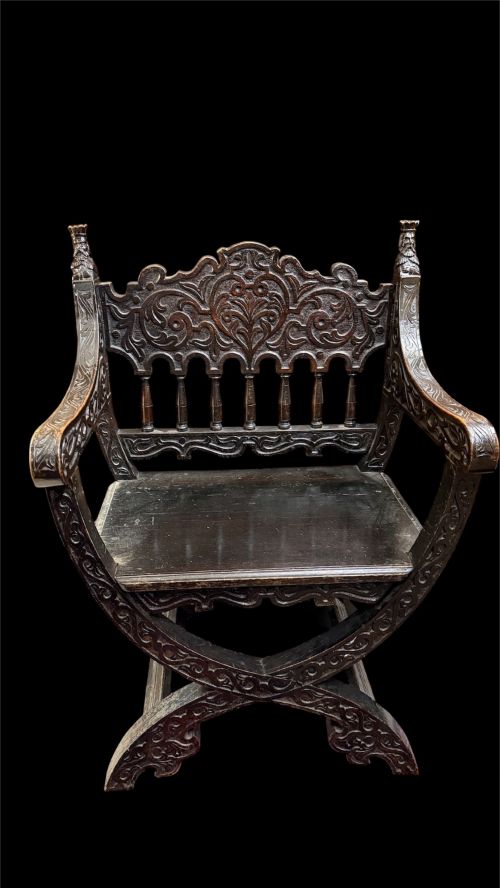
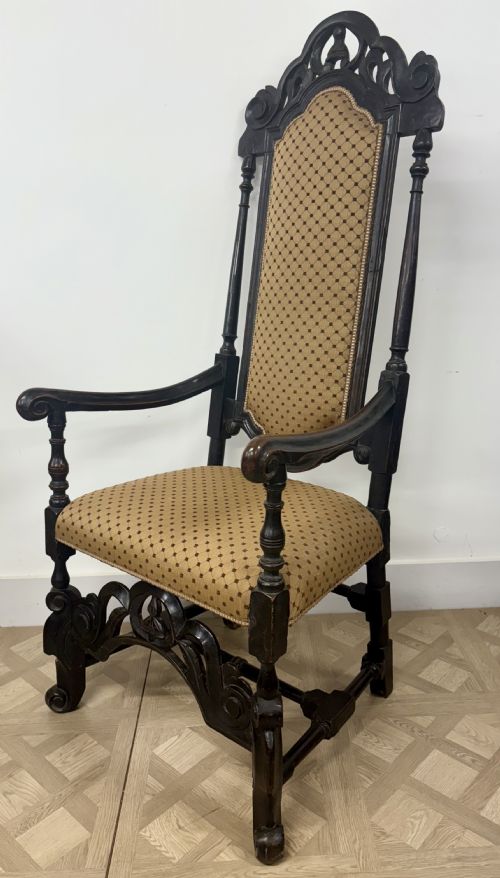
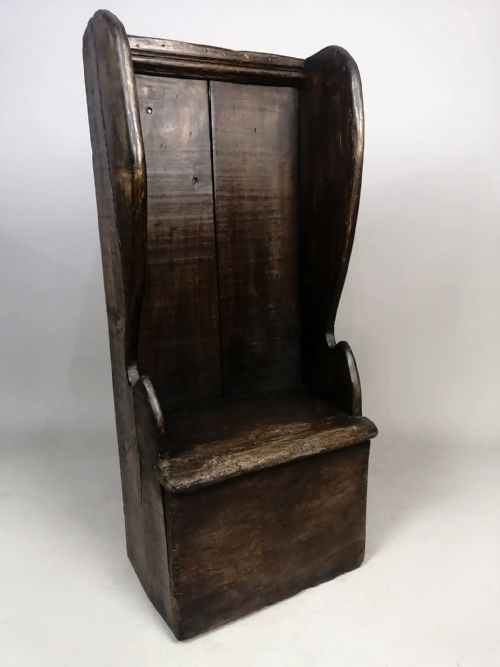
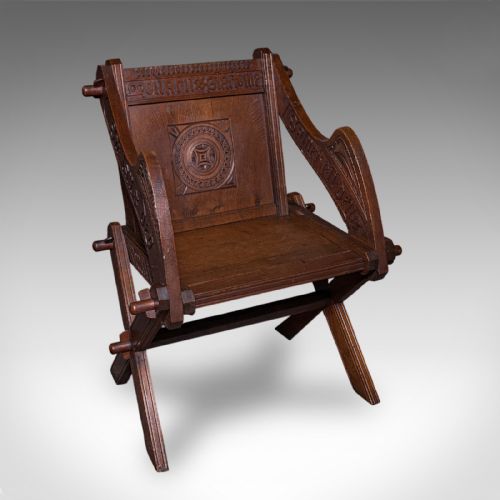
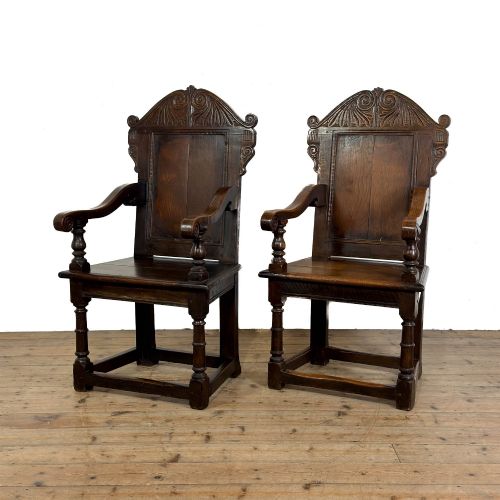
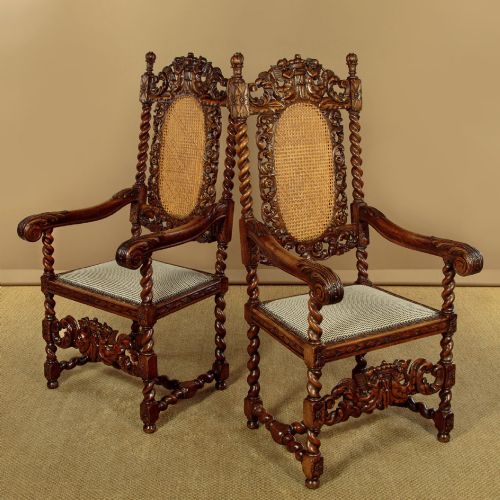
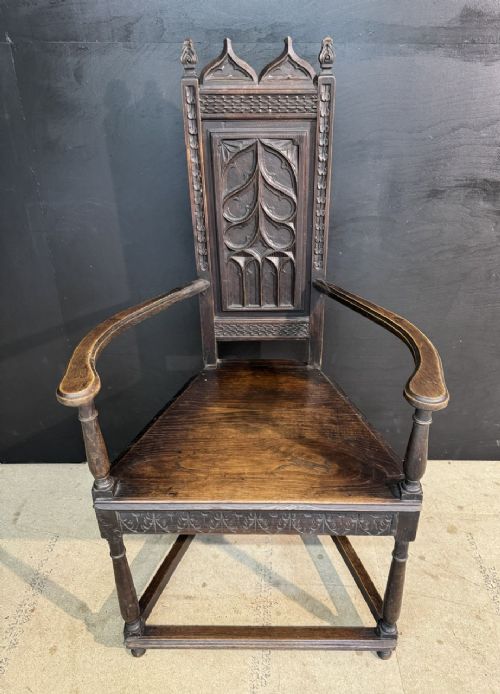
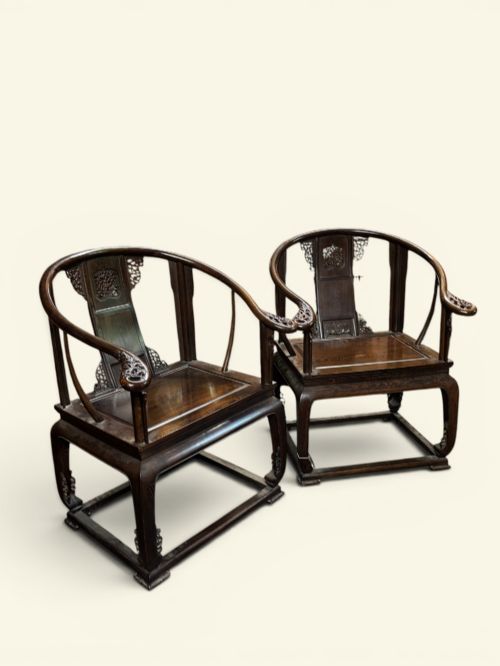
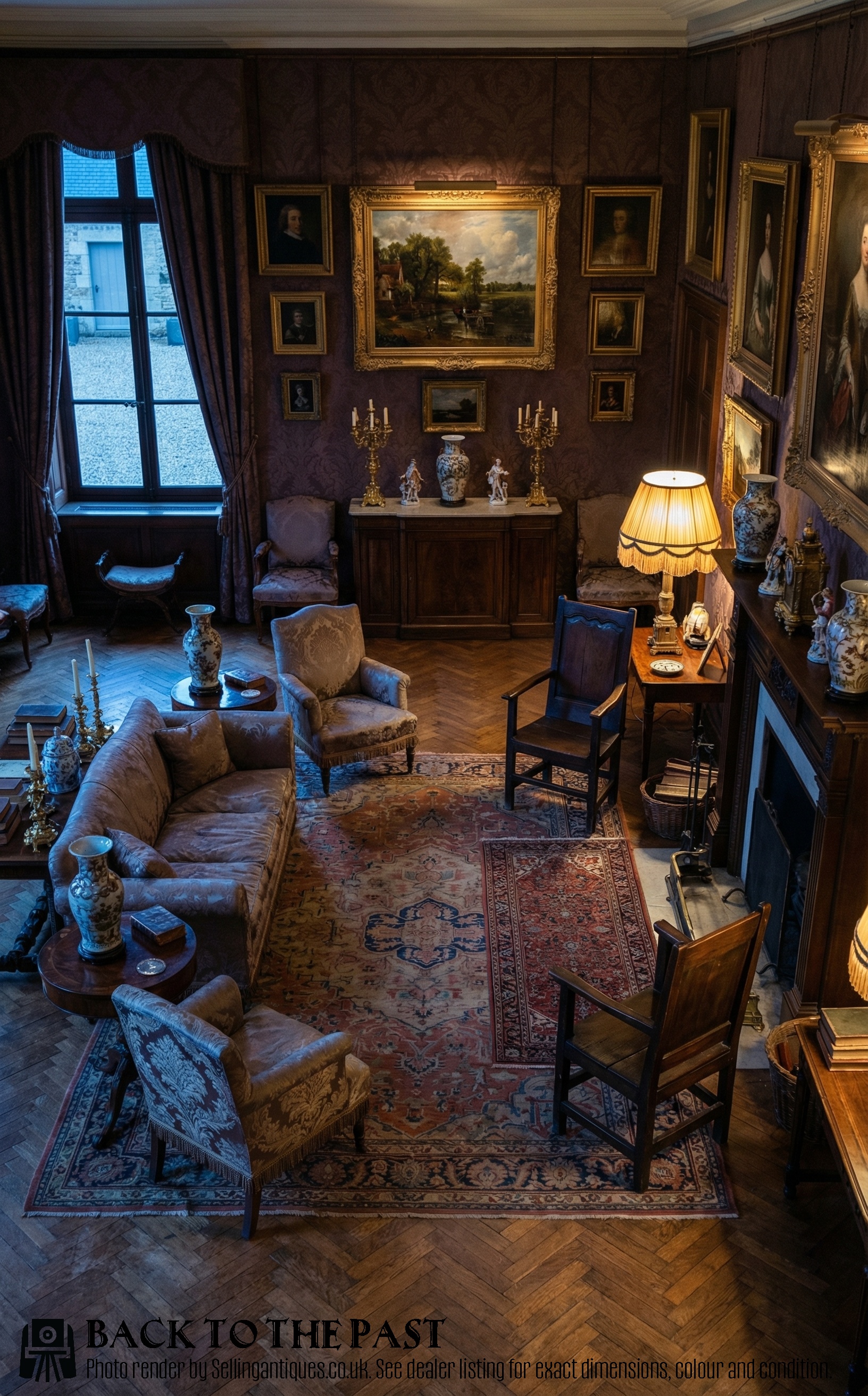
An antique wooden throne chair encompasses substantial seating forms such as wainscot armchairs and panelled designs originating from the seventeenth and eighteenth centuries. These imposing seats serve as focal points, drawing the eye with their commanding upright posture and heavy timber construction.
The versions most commonly encountered on this page date from the seventeenth century through to mid eighteenth century styles like Georgian and French Provincial. Examples frequently present high panelled backs, solid armrests, and deep seats designed for formal placement rather than casual lounging.
How they were made
Joinery relies heavily on sturdy native timbers, predominantly oak and fruitwood, shaped through traditional carpentry methods. Panels are typically inset into grooved frames to accommodate natural wood movement over the centuries.
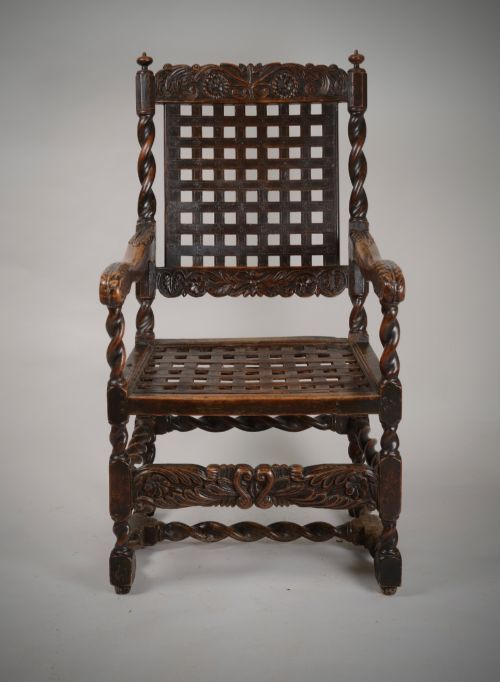
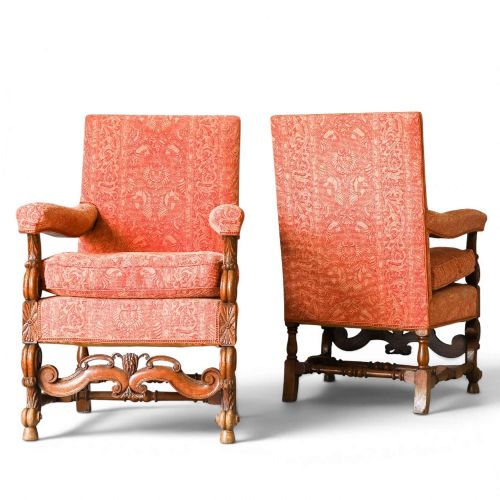
Surfaces often show evidence of hand tool work, such as adzing or planing on the timber seats and backs. Some examples incorporate turned elements like bobbin legs, while others feature upholstered additions in textiles such as velvet.
Retail Price Guide 2026
Typical UK retail prices for wooden throne chair, calculated from the Sellingantiques database of over a million retail prices indexed since 2003. This retail price guide relies exclusively on Sellingantiques data; no external sources or auction records are used, so the figures do not describe the wider market.
Early joiners often reused spare timber panels, meaning the back of your chair might whisper tales of an old cupboard door.
What varies in quality
Subtleties in timber selection and natural surface patination define the upper tier of these pieces. Rich colour developed through decades of handling elevates an example above plainer stock.
The crispness of original panel moulding and the integrity of early joinery separate significant survivals from heavily restored or later constructed items.
The Antique Wooden Throne Chair Glossary
- Wainscot
- A heavy wooden armchair with a panelled back, popular in the seventeenth century. This term originally described oak panelling used on walls before being applied to these substantial seats.
- Patination
- The deep lustre and surface sheen developed by wood over centuries of use and exposure. Good patination is prized by collectors for its authentic visual warmth.
- Bobbin
- A turned furniture leg or stretcher shaped to resemble spools of thread. This decorative turning is typical of seventeenth century joinery.
- Fruitwood
- Timber sourced from fruit-bearing trees such as pear or apple, utilised for regional furniture including French Provincial armchairs. It offers a dense grain and distinctive warm tone.
Frequently Asked Questions
Where were these chairs placed originally?
These commanding seats were traditionally positioned at the head of a long table or reserved for the head of the household in a great hall. Their elevated status came from both their physical height and the solid timber used in their construction.
Over time, such heavy seating moved into parlours and studies as domestic interiors evolved to become more comfortable and private.
How do I care for antique oak furniture?
Maintaining these wooden pieces involves keeping them away from direct heat sources and sudden humidity changes. Applying a traditional wax polish occasionally helps nourish the dry timber and preserve the surface.
Avoid using modern silicone sprays or harsh chemical cleaners, as these can permanently damage the historic patination on the wood.
What is the difference between oak and fruitwood?
Oak is a hard, durable timber with a pronounced open grain, frequently found in seventeenth century wainscot and panelled armchairs. It provides structural rigidity and takes a deep, dark polish over time.
Fruitwood, seen in eighteenth century French Provincial items, tends to have a smoother, tighter grain and a lighter natural colour that develops a rich, mellow tone with age.
Are these chairs comfortable for daily use?
Seventeenth and eighteenth century wooden armchairs were built for posture and authority rather than lounging. Their upright panelled backs and solid wooden seats encourage an erect sitting position.
Some examples incorporate upholstered elements like velvet pads, but generally these pieces function best as statement seating or reading chairs rather than slouching furniture.