

Antique Wooden Table Clock
An antique wooden table clock brings mechanical precision and rich timber grains into a room, serving as both timekeeper and sculptural focal point.

Antique Wooden Table Clock
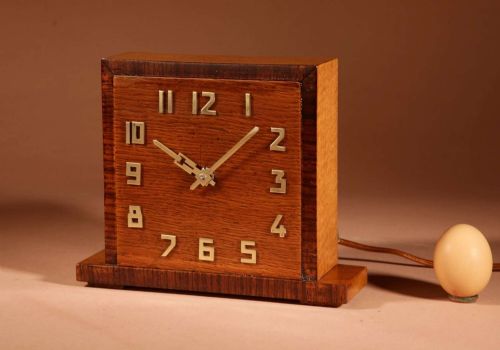
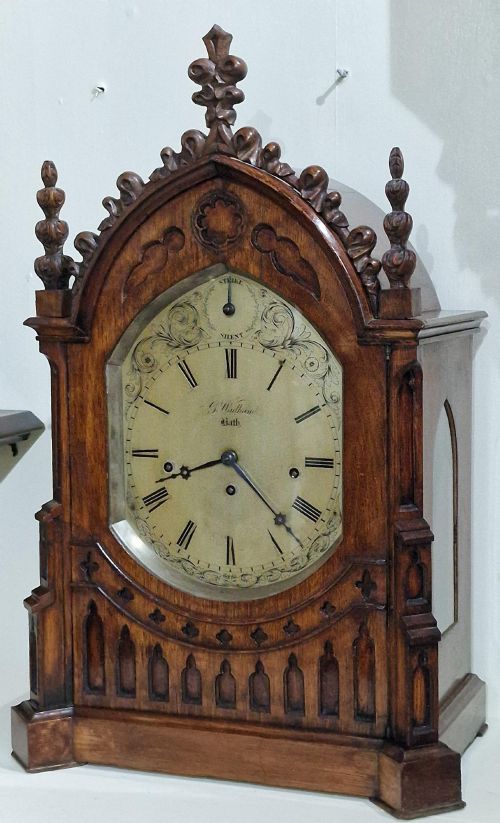
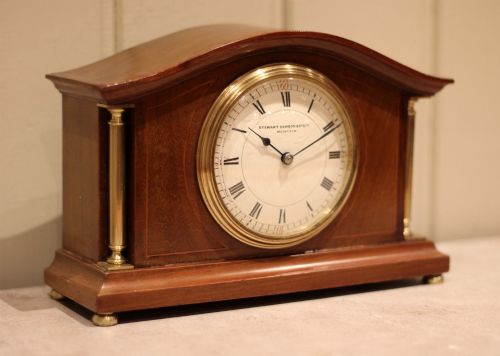
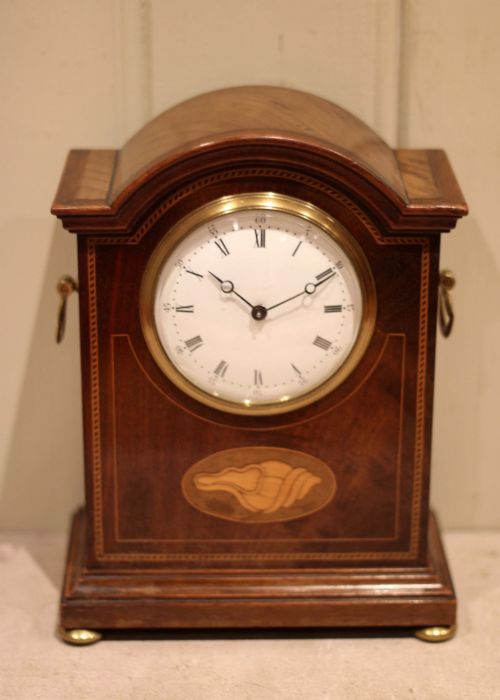
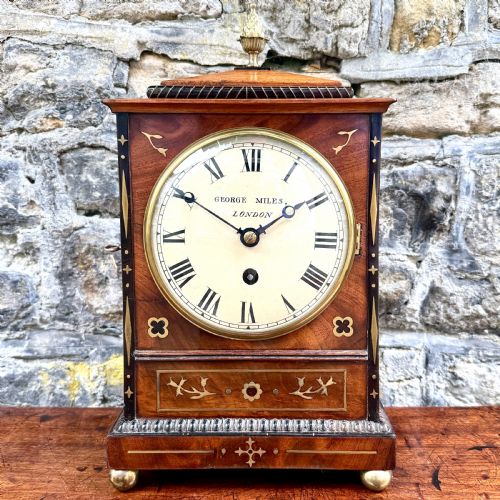
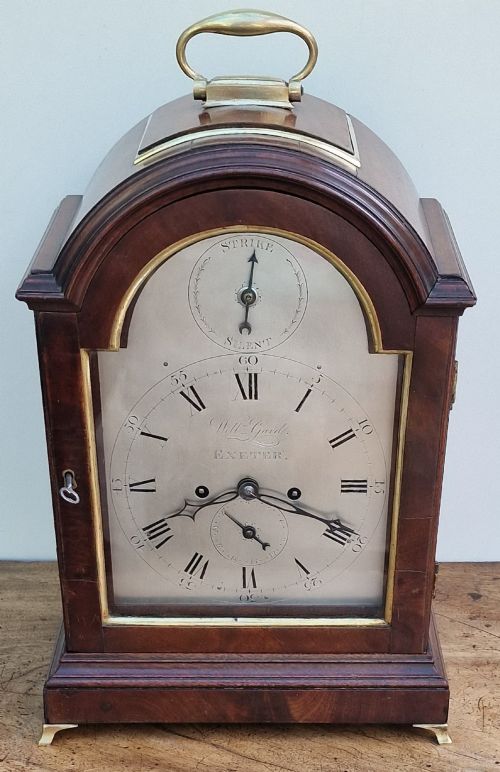
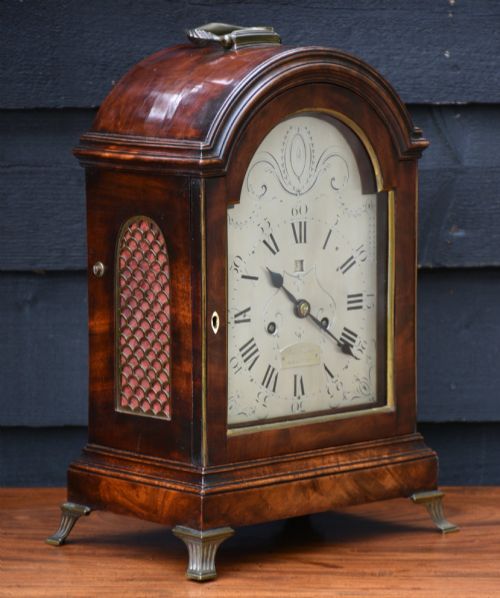
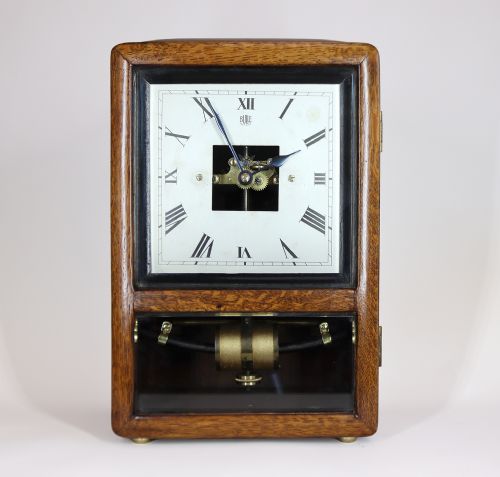
When you search for an antique wooden table clock, you encounter timepieces designed to sit on brackets, mantels, libraries, and desks. These objects span from the Georgian and Regency eras through the Victorian period and into 20th-century Art Deco designs.
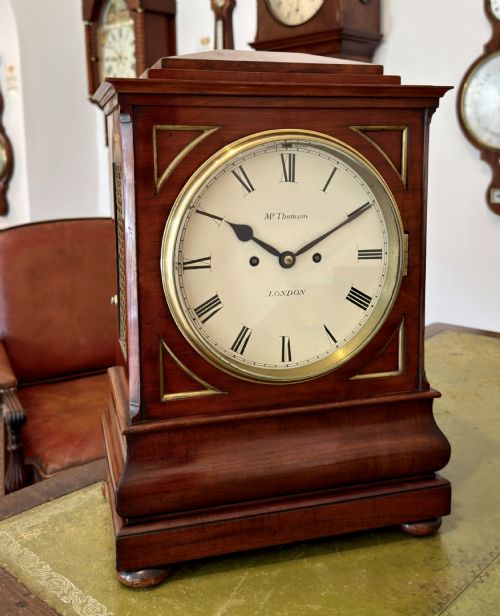
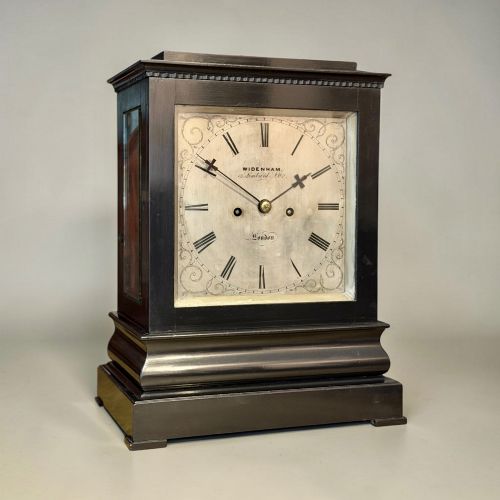
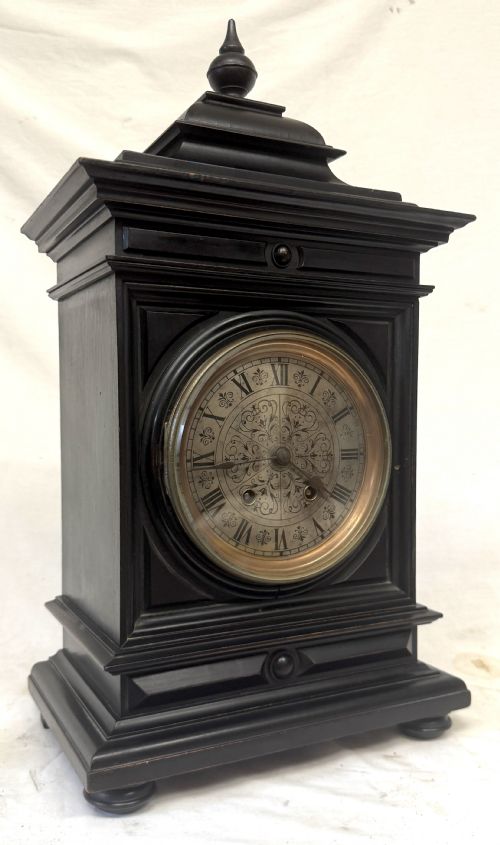
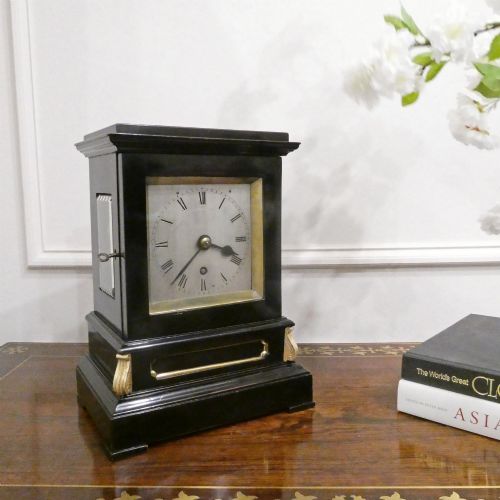
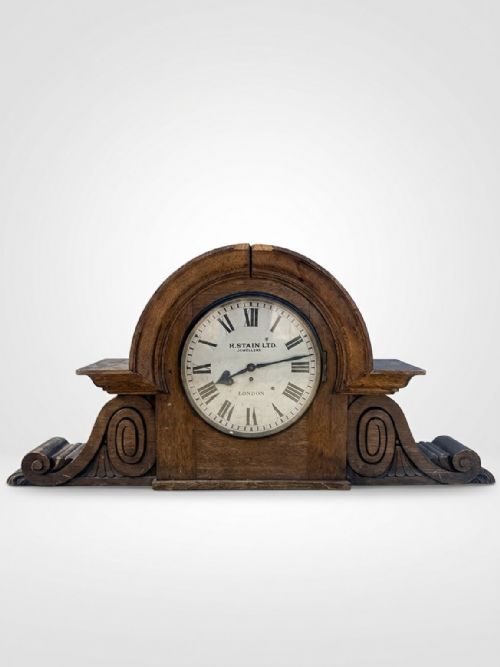
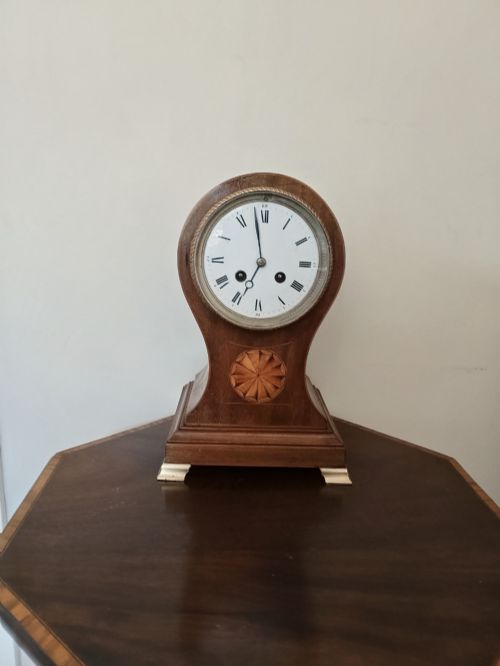
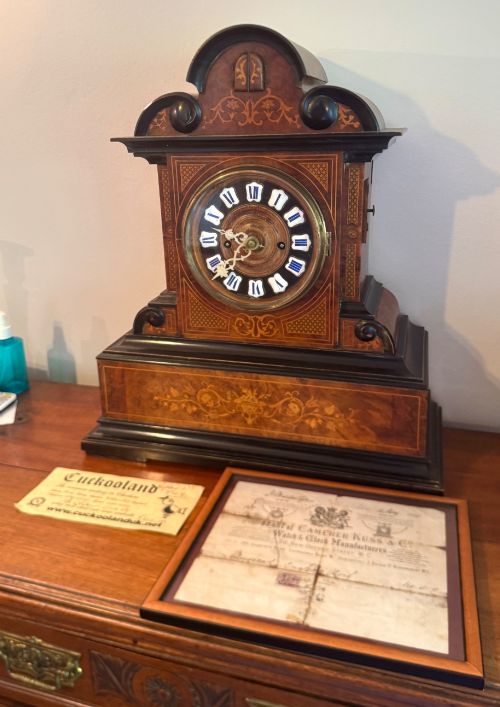
The versions you meet most frequently on this page are mantel clocks and bracket clocks housed in mahogany, walnut, oak, and ebonised wood. Many incorporate brass dials, glass covers, and enamel faces, often reflecting styles such as Edwardian inlay or Amsterdam School geometry.
Makers ranging from provincial English watchmakers to German firms like Winterhalder & Hofmeier produced these works, employing mechanical movements ranging from simple timepieces to triple fusee bells and chiming mechanisms.

How they were made
Dials received careful attention, utilising silvered brass, enamel, and etched numerals protected behind glazed bezels. Metal components such as bells, quarter-striking gongs, and swinging pendulums were integrated directly into the wooden framework to ensure acoustic resonance and reliable timekeeping.
Antique Wooden Table Clock Retail Price Guide 2026
Typical asking prices for wooden table clock among the pieces listed under this phrase on Sellingantiques today, from the lower quarter to the upper quarter. They describe what is for sale here now, not the wider market.
What varies in quality
The calibre of the movement separates standard timepieces from exceptional examples, with triple fusee mechanisms, complex chiming systems, and signed works by notable makers holding greater horological interest. The refinement of the cabinetmaking dictates the overall distinction, visible in finely figured mahogany veneers, crisp marquetry, and well-executed ebonising.
Condition and originality also determine merit, particularly where original dials, glass, and brass hardware remain intact. Pieces that retain their original movements and undamaged wooden cases demonstrate the standard set by the workshop of origin.

Thomson of London·Widenham of London·Mappin & Webb·Winterhalder & Hofmeier·Walker and Hall
The Antique Wooden Table Clock Glossary
- Bracket clock
- A portable timekeeper originally designed to sit upon a wall bracket to aid sound projection and visibility. Many later sat directly on tables and mantels.
- Fusee
- A conical pulley used in mechanical clocks to maintain even power delivery as the mainspring unwinds. This mechanism improves timekeeping accuracy across the power reserve.
- Timepiece
- A clock that indicates the time of day without striking bells or gongs. These mechanical works focus purely on visual time indication.
- Verge escapement
- An early gear mechanism that controls the release of power in a clock. It works in conjunction with a balance spring or pendulum to regulate time.
- Silvered dial
- A metal clock face treated with a silver compound to produce a matte finish. Numerals and text are typically engraved and darkened for legibility.
Antique Wooden Table Clock: Frequently Asked Questions
What is a bracket clock?
A bracket clock is a portable mechanical timekeeper that historically rested on a wooden wall bracket to distribute sound through a room. Over time, the term expanded to describe larger table and mantel clocks housed in architectural wooden cases.
These pieces typically feature brass carrying handles on top, allowing their owners to move them between rooms. Many include striking mechanisms or musical chimes alongside traditional dial faces.
How do fusee movements work?
A fusee movement uses a conical pulley connected to the mainspring by a fine chain or cord. As the spring loses tension, the chain moves to a wider section of the cone, maintaining consistent torque.
This clever mechanical adjustment ensures the clock keeps accurate time throughout its entire running cycle before needing another wind.
How do I wind an antique clock?
Winding requires a matching key inserted into the winding holes on the dial face or backplate. Turn the key gently until you feel firm resistance, avoiding any force that might damage the spring.
Most mechanical examples require winding weekly or bi-weekly depending on whether they are eight-day, fourteen-day, or thirty-hour movements.
How should I care for the wood?
Keep wooden cases away from direct sunlight, heating vents, and damp environments to prevent timber warping and veneer cracking. Dust the surfaces regularly with a soft, dry cloth.
Occasional application of appropriate furniture wax helps nourish hardwoods like mahogany, walnut, and rosewood without building up heavy residues.