



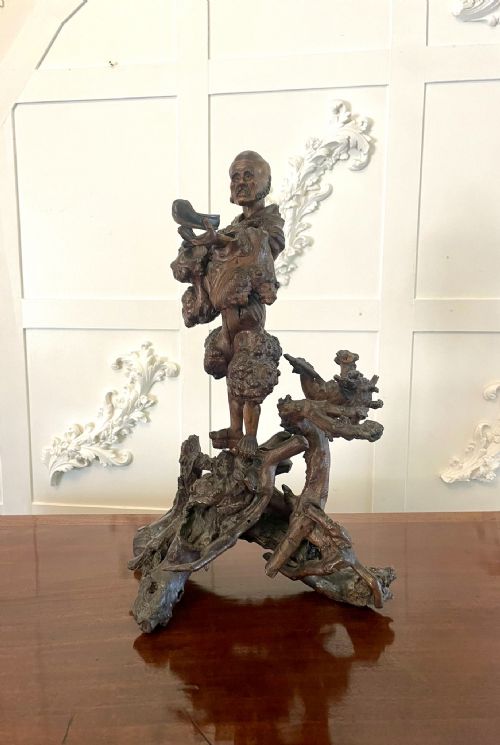
Antique Wooden Scholar
An antique wooden scholar brings the focused world of the traditional study into your interior through carved figures, brush pots and seating.
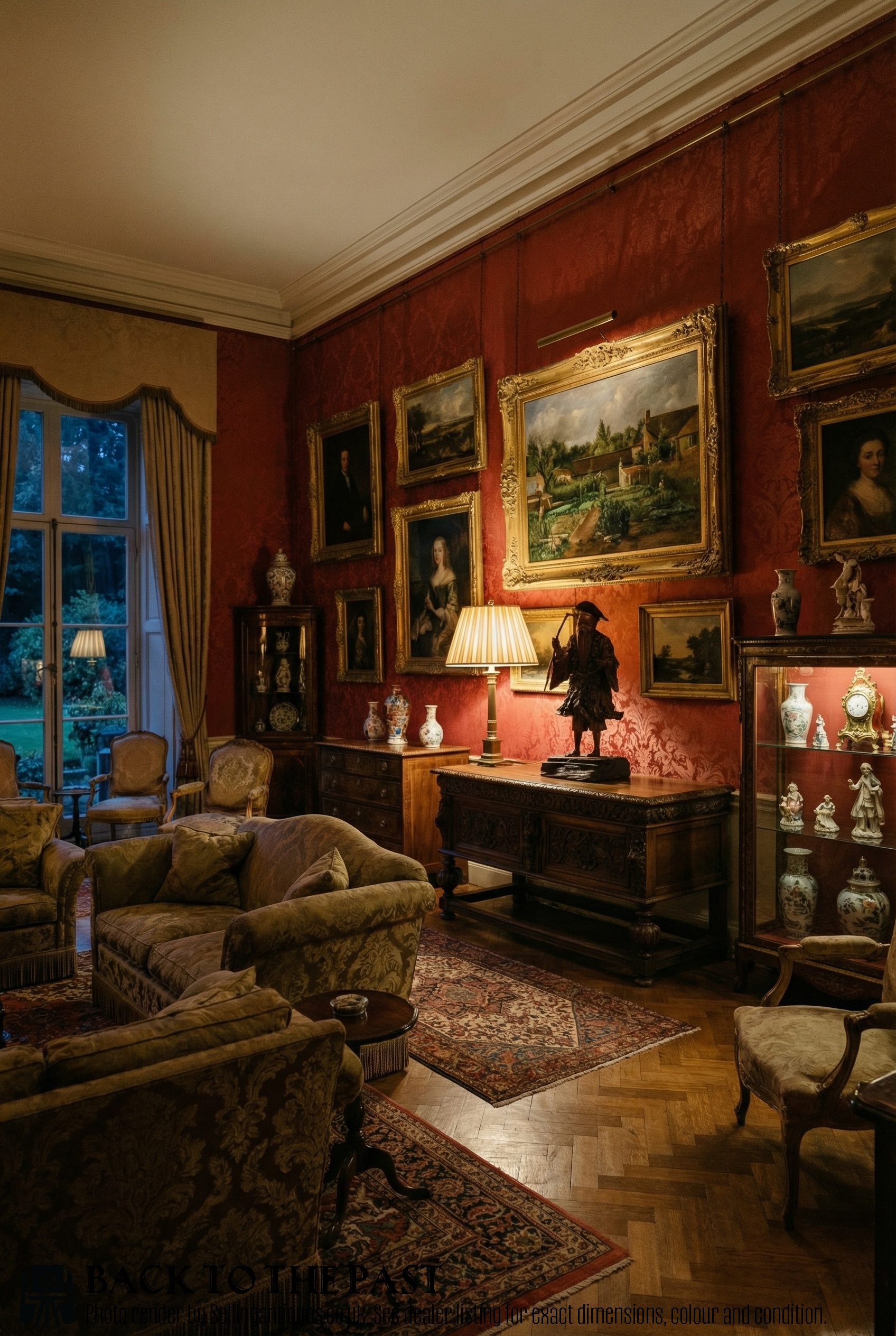
Antique Wooden Scholar
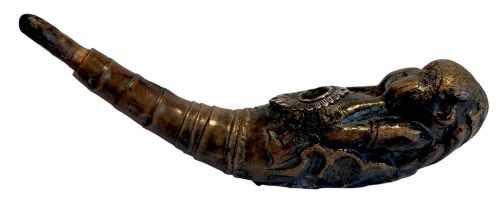
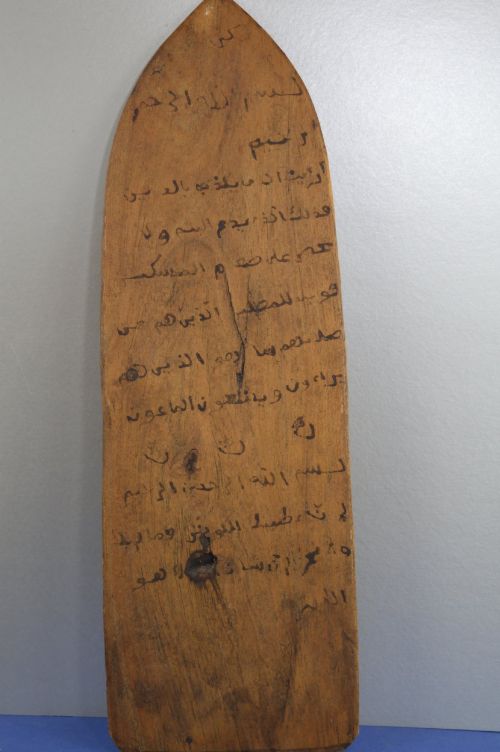
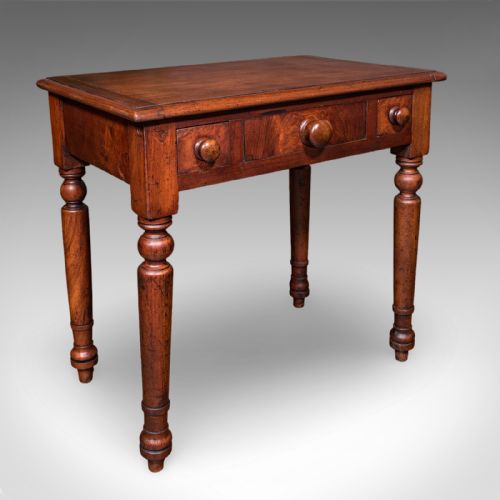
When you search for an antique wooden scholar, you encounter items originating primarily from Chinese dynasties alongside Victorian and West African Islamic pieces. These range from intricately carved root wood figures and bamboo brush pots to hardwood armchairs, folding reading stands and writing desks.
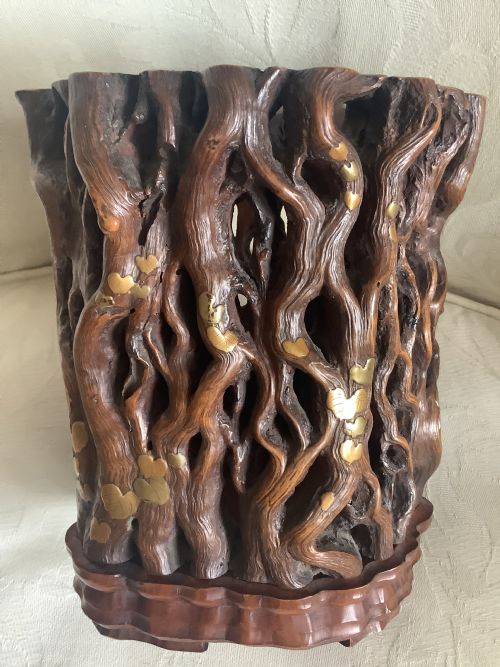
The version you are most likely to meet on this page is the Chinese hardwood or bamboo brush pot, alongside root wood carvings depicting figures and sages. Such objects reflect the material culture of the scholar's studio, where wood, bamboo and lacquer served both utilitarian and contemplative purposes.
How they were made
Maker utilise dense hardwoods, bamboo and root wood, often shaping the natural contours of the material into figures, pedestals and vessels. Carvers employ hand tools to render detailed facial expressions, robes and textures directly into the grain.
Surface treatments include lacquering and hand painting, while select pieces incorporate brass or gold leaf accents. Joinery techniques such as those found on yoke-back chairs and folding book pedestals demonstrate traditional woodworking methods without reliance on metal fasteners.
Listings feature items spanning the 18th, 19th and 20th centuries, utilising bamboo, hard wood, root wood, lacquer, brass and gold leaf.
What varies in quality
The depth and intricacy of the carving separate the finer pieces from simpler items, particularly in root wood sculptures and brush pots. Superior examples show careful attention to anatomical proportion and naturalistic form, making the grain work with the subject rather than against it.
Material selection dictates much of the distinction, with substantial hardwoods and well-seasoned bamboo commanding higher regard than lesser timber. Preservation of original surface finishes, such as hand-painted lacquer or untouched patination, also marks the distinction between standard items and exceptional survivals.
The Antique Wooden Scholar Glossary
- Brush Pot
- A cylindrical vessel used in East Asian studies to hold writing brushes upright. These pieces are frequently carved from bamboo, hardwood or root wood.
- Root Wood
- Timber taken from the root mass of a tree, prized by carvers for its gnarled, twisting grain and organic forms. Artisans shape these natural contours into figures and naturalistic objects.
- Ruyi Sceptre
- A traditional ornamental object shaped like a decorative curved lotus plant, symbolising power and good fortune. They appear carved from materials such as boxwood.
- Yoke-Back Chair
- A traditional Chinese chair style featuring a crestrail that curves upwards resembling an ox yoke. These seating pieces provide upright support suitable for study.
Antique Wooden Scholar: Frequently Asked Questions
What is a scholar's brush pot?
A brush pot is a cylindrical container designed to hold calligraphy brushes on a desk. They formed an essential part of the literati desk.
Carved from bamboo, hardwood or root wood, these vessels often display intricate scenes or natural textures reflecting the scholarly aesthetic.
How were root wood carvings made?
Carvers select gnarled tree roots and work around the natural knots, twists and hollows of the wood. This technique requires following the grain to suggest figures, animals or landscapes.
Because no two roots grow alike, every resulting sculpture remains entirely unique in form and posture.
What is a ruyi sceptre used for?
The ruyi sceptre serves as a ceremonial object and symbol of authority in Chinese culture. Historically, they were held during formal occasions or displayed to bring good fortune.
Intricately carved examples in boxwood demonstrate fine detailing along their curved, naturalistic handles.
How do I identify a Victorian scholar's desk?
Victorian scholar's desks and tables incorporate practical writing surfaces and compartment layouts suited to study work. They often utilise English hardwoods with traditional joinery.
These pieces reflect European interpretations of study furniture, sometimes appearing alongside oriental folding stands and reading pedestals.