
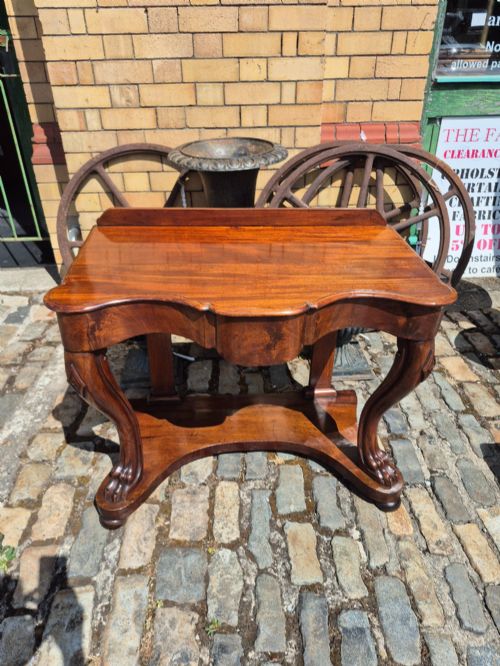
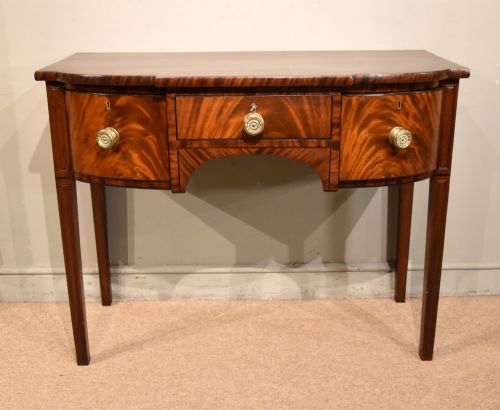
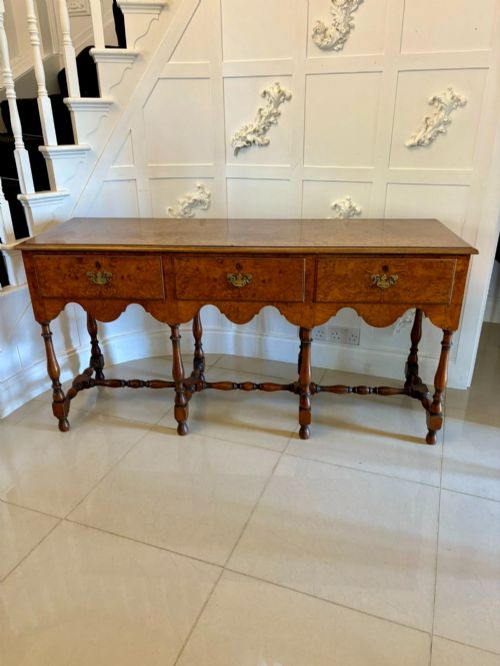
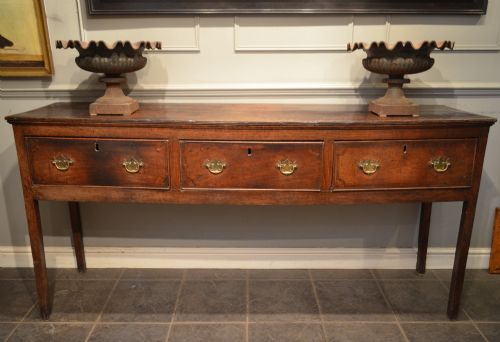
Antique Wooden Credenza Table
An antique wooden credenza table provides substantial storage and grand surface presence, bringing classic timber grain and period proportion to a dining room or hall.
Antique Wooden Credenza Table
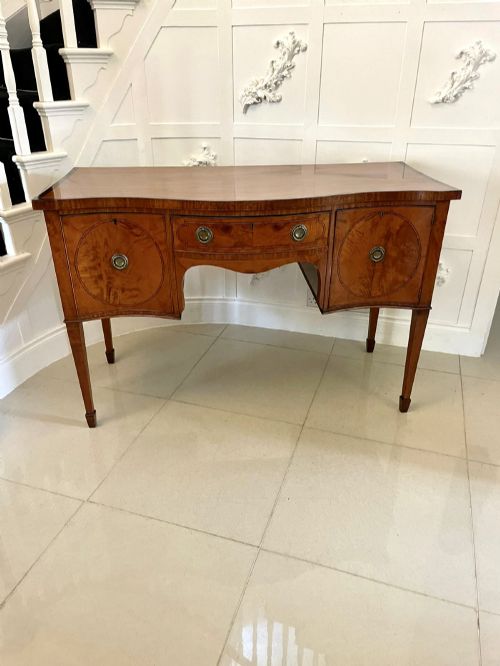
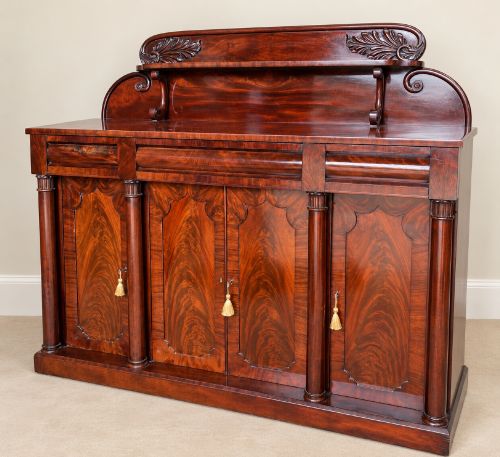
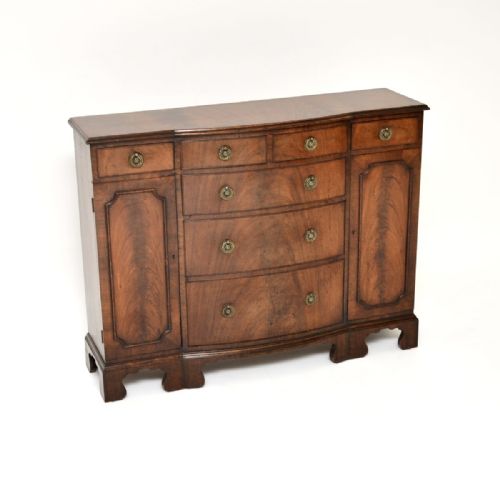
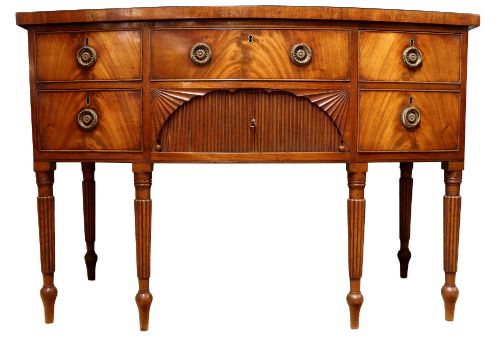
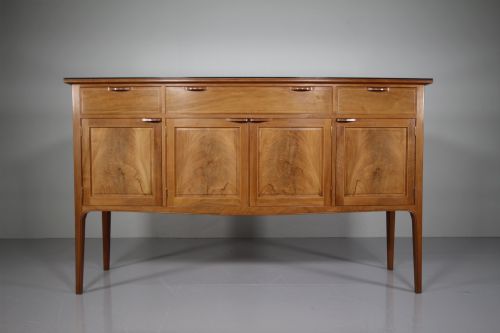
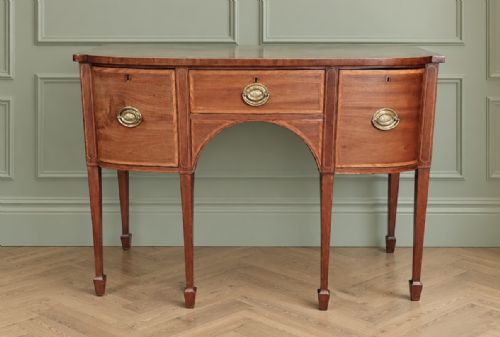
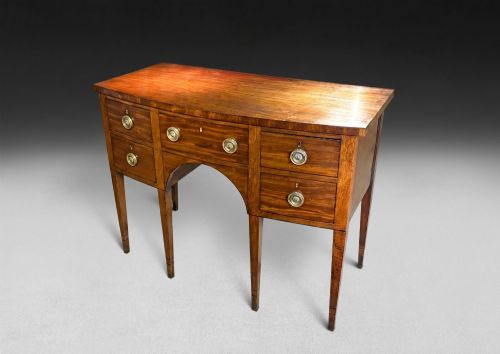
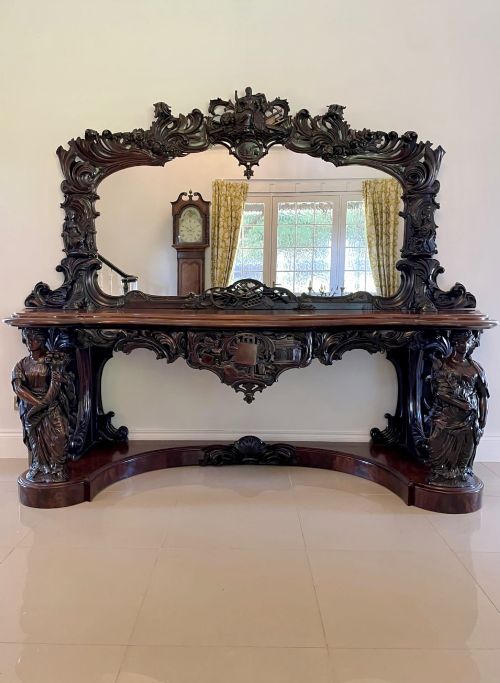
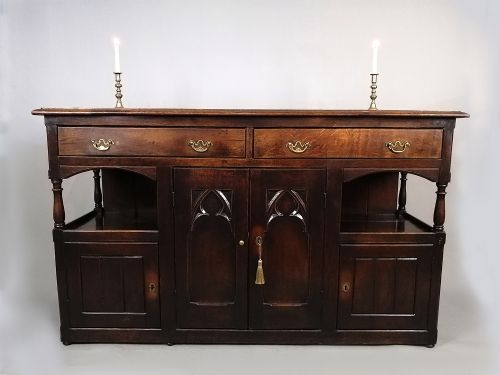
When you search for an antique wooden credenza table, you are looking at a broad category of heavy timber serving furniture, sideboard units, and low storage bases. The pieces appearing here span from eighteenth-century George III designs to Edwardian and Victorian iterations, crossing functional boundaries between formal dining room sideboards and rustic kitchen dresser bases.
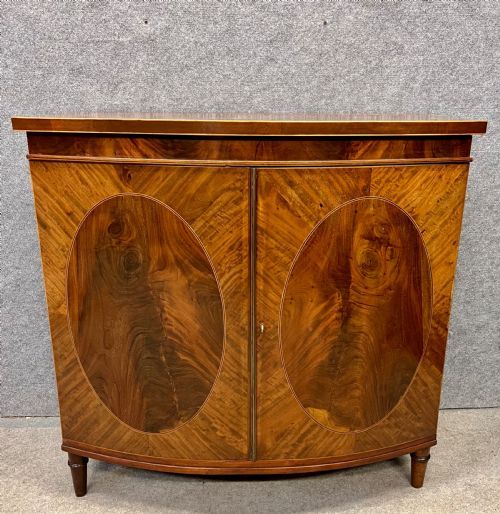
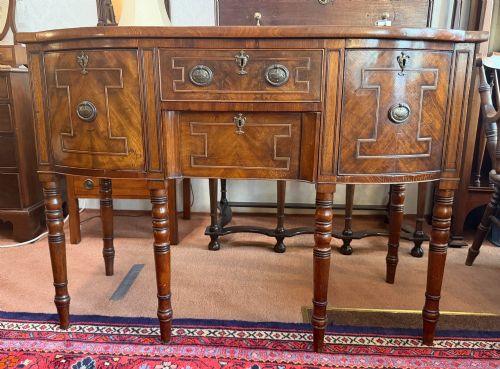
The versions you are most likely to meet on this page are mahogany and oak formats, ranging from bow-front and serpentine shapes to plain potboard bases. Many examples bridge the terminology of sideboards, cabinets, and console tables, reflecting how makers and owners repurposed these heavy timber pieces over successive centuries.
How they were made
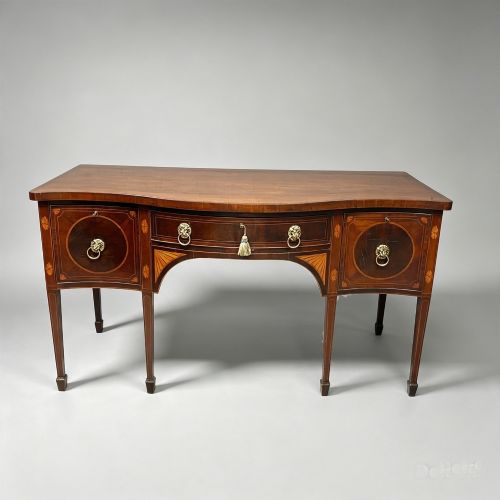
Carpenters built these pieces using solid timber construction alongside applied veneers, frequently selecting mahogany and oak for structural carcasses and drawer frames. Workshops employed flame mahogany veneer and contrasting satinwood inlay to create decorative focal points on drawer fronts and top panels.
Detailing relied on traditional cabinet-making techniques, incorporating brass hardware fixtures, hand-cut dovetails for drawers, and carved wood elements such as mirror backs and Gothic tracery. Timber surfaces were finished to highlight natural grain patterns, occasionally incorporating glass panels or painted treatments.
Materials range from solid oak and mahogany to decorative flame mahogany veneer, walnut, brass hardware, and glass.
What varies in quality
The distinction between standard utility items and exceptional pieces rests upon the precision of the cabinet-maker's joinery and the selection of raw materials. Superior examples utilise dense, well-figured timber like flame mahogany or burr walnut, combined with refined internal construction such as solid oak drawer linings.
Design sophistication also separates pieces, with top-tier items displaying balanced proportions, intricate crossbanding, and delicate inlay work rather than plain, utilitarian surfaces. The integration of high-grade brass fittings and crisp, hand-carved mouldings elevates an ordinary storage base to a notable exhibition piece.
M. D. Miller & Sons
The Antique Wooden Credenza Table Glossary
- Bow-front
- A cabinet front that curves outward in a convex sweep. This shape gained popularity during the Georgian and Regency periods to soften rigid rectangular room layouts.
- Serpentine
- A front shape defined by a central convex curve flanked by two concave curves. It requires advanced woodworking skill to construct accurately.
- Dresser base
- A low, heavy table fitted with drawers and occasionally a lower shelf, originating as a functional kitchen work surface for food preparation.
- Potboard
- An open lower shelf built into a dresser base or sideboard. Historically, this platform held pots, pans, and heavy ceramic vessels.
- Crossbanding
- A narrow strip of veneer laid around the border of a panel so that the grain runs at right angles to the central wood. It frames the primary timber surface for decorative effect.
Antique Wooden Credenza Table: Frequently Asked Questions
What is the difference between a sideboard and a credenza?
Sideboards traditionally function as serving and storage tables placed against dining room walls for tableware and food service. Credenzas historically describe low side cabinets without legs, though modern antique terminology often blends these categories together.
In practical terms, the pieces listed under this search phrase share overlapping forms, encompassing heavy timber server units, low cabinet bases, and console formats regardless of their original designation.
How do I identify a George III sideboard?
George III pieces typically feature dense mahogany timber, elegant bow or serpentine fronts, and restrained satinwood inlay work. Proportions remain formal and balanced, often reflecting neoclassical design principles popularized during the late eighteenth century.
Cabinet work from this era emphasises precise joinery, fine brass drawer pulls, and tapering legs that elevate the heavy timber carcass above the floor.
Where were dresser bases used historically?
Dresser bases served as primary work tables and storage units in domestic kitchens and sculleries before fitted cabinetry became standard. Their deep drawers held cutlery and linens while the top surface accommodated food preparation.
Later Victorian and Edwardian examples often transitioned out of the kitchen and into more formal domestic spaces as decorative sideboards for displaying porcelain and silver.
What woods are most common in these pieces?
Mahogany and oak dominate the materials used across these listings, appearing in both solid construction and decorative veneer applications. Oak provides a sturdy foundation for earlier country pieces, while mahogany defines the formal Georgian and Regency items.
Secondary woods such as walnut, elm, and satinwood appear as accent veneers or in regional provincial pieces, adding varied grain patterns to drawer fronts and borders.
How do I care for an antique wooden sideboard?
Maintain timber furniture by placing it away from direct sunlight and heat sources to prevent the wood and veneers from drying out or splitting. Dust regularly with a dry, soft cloth and avoid commercial silicone polishes that build up residue over time.
Applying a traditional beeswax occasionally helps nourish the polished surface and protects the historic timber finish from moisture and everyday wear.