




Pair of Serving Tables
A pair of serving tables brings symmetry and presence to a room, offering a balanced surface for hospitality.
Pair of Serving Tables
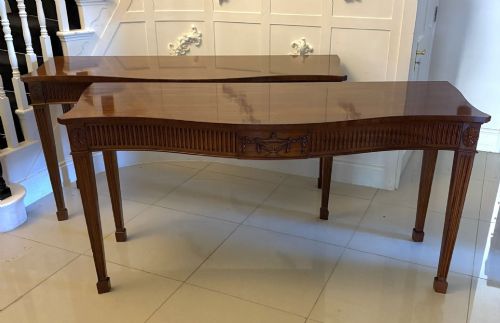
A pair of serving tables provides matching furniture pieces designed to hold food, dishes, or decorative items during entertaining. When searching for a pair of serving tables, buyers encounter forms spanning from the eighteenth century to the twentieth century, constructed in rich timbers.
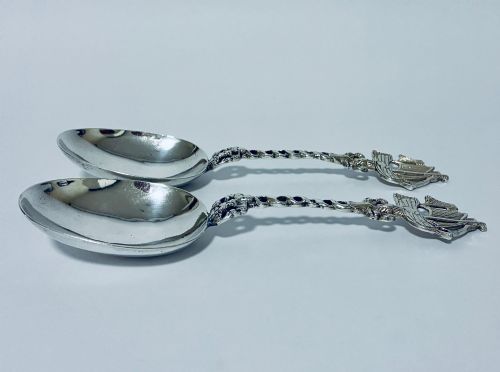
The timber examples most commonly found on this page include mahogany, walnut, and pine, often shaped with serpentine fronts or supported by x-frame stretchers. These large furniture items stand alongside smaller silver serving pieces sharing the same descriptive terminology in the listings.
Makers and craftsmen applied styles ranging from Georgian and Neoclassical carving to Mannerist Revival and Edwardian simplicity. The scale of these objects varies from domestic side consoles to substantial refectory boards.
Materials and construction methods
Carpenters constructed the wooden serving tables using solid timbers such as mahogany, walnut, pine, and cherry wood, frequently incorporating detailed carvings and stretchers for stability. The joinery reflects the period of manufacture, utilising traditional framing techniques suited to heavy domestic service.
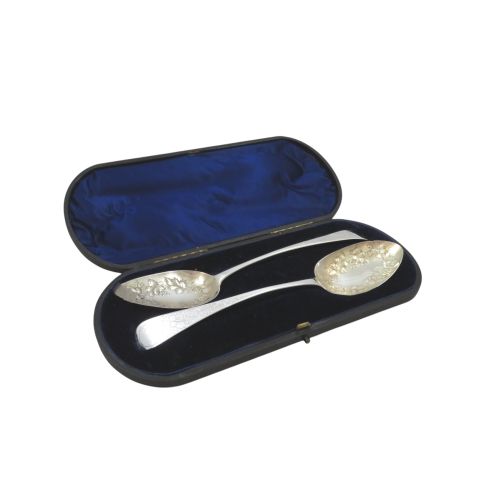
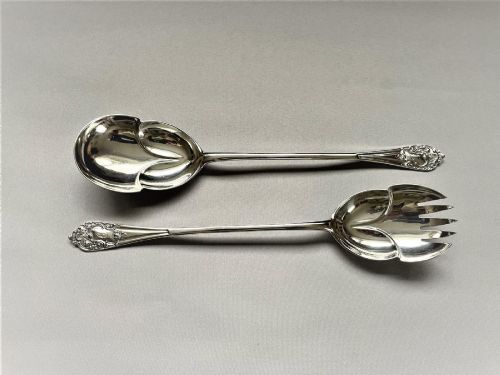
Metal items catalogued under this category employ sterling silver, silver plate, Old Sheffield plate, and nickel silver, shaped into dishes, trays, and flatware. These metal objects demonstrate silversmithing techniques including piercing, engraving, and crest-stamping.
Some wooden serving tables arrive with scullery origins, having spent centuries supporting kitchen pots before entering the formal dining room.
Distinctions in quality and execution
Quality in a pair of serving tables rests upon the selection of timber, the crispness of the carving, and the structural integrity of the frame. Pieces featuring figured mahogany veneers, balanced proportions, and detailed Neoclassical motifs represent the higher end of the range.
The harmony between the two tables dictates the success of the pair, as matched sets require consistent grain patterns and uniform wear. Finer examples retain their original surface patination without excessive intervention from later restorations.
John Locker·James Tait·Wilkes Booth·Walker and Hall
The Pair of Serving Tables Glossary
- Serpentine
- A curved line of furniture fronts featuring a convex centre flanked by concave ends. This shaping requires skilled woodworking to maintain symmetry across a pair of tables.
- Console table
- A table designed to be fixed against a wall, frequently supported by brackets or legs. These often function as serving surfaces in dining spaces and halls.
- X-frame stretcher
- Intersecting stretchers forming an X shape between the legs of a table. This structural element adds rigidity while introducing architectural detail.
- Old Sheffield plate
- A composite material made by fusing a thin layer of silver to a copper base. This historical technique produces a warm tone distinct from electroplated items.
- Refectory
- A long dining table traditionally used in communal halls. Examples in this category provide expansive surfaces suited to large-scale serving.
Pair of Serving Tables: Frequently Asked Questions
What rooms suit a pair of serving tables?
These matching furniture items fit naturally into dining rooms, grand hallways, and spacious drawing rooms where balanced surfaces enhance the room layout. They provide generous space for displaying silver or laying out food during gatherings.
Positioning them against a wall creates a focal point that anchors other decorative elements. Their substantial presence adds symmetry to interior schemes.
How do walnut and mahogany tables differ?
Mahogany tables typically display a reddish-brown hue with a straight grain that accepts sharp carving details well. Walnut offers a darker, highly figured grain pattern that creates visual depth across large flat surfaces.
Both timbers were favoured during distinct periods of furniture design. Selecting between them depends on the existing wood tones within a room.
Were these tables used for dining?
Historical serving tables served as auxiliary surfaces for holding dishes, flagons, and utensils before they were presented to diners. Servants utilised them to plate food close to the dining area.
Their sturdy construction supported heavy ceramic and silver service items. Over time, many transitioned into decorative console tables for domestic interiors.