

Antique Column Leg Table
An antique column leg table brings architectural presence into a room, offering a sturdy central pedestal or distinctive columnar supports that anchor the entire space.
Antique Column Leg Table
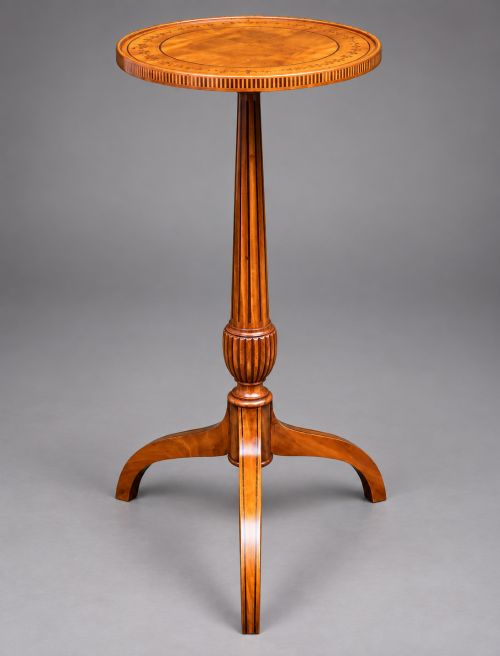
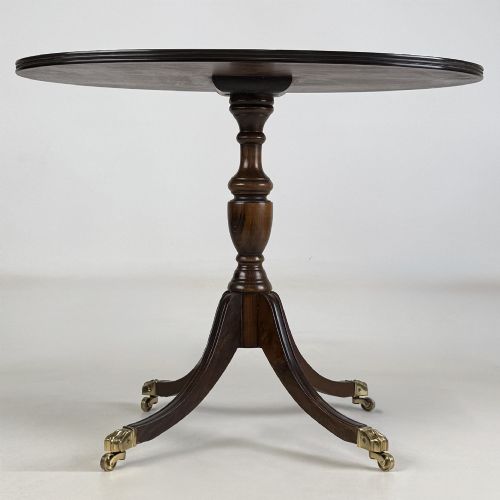
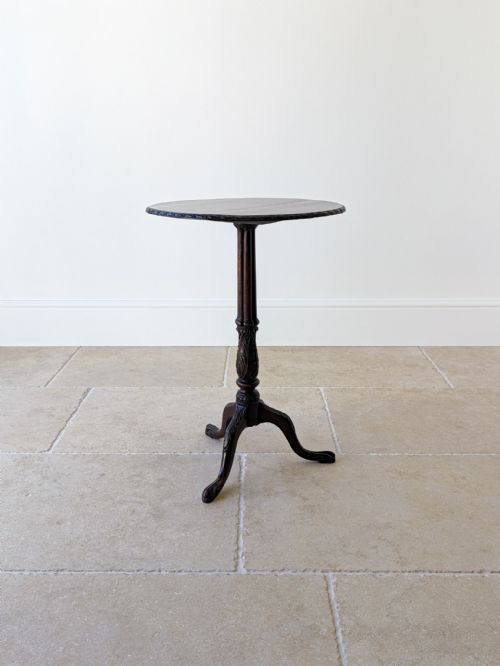
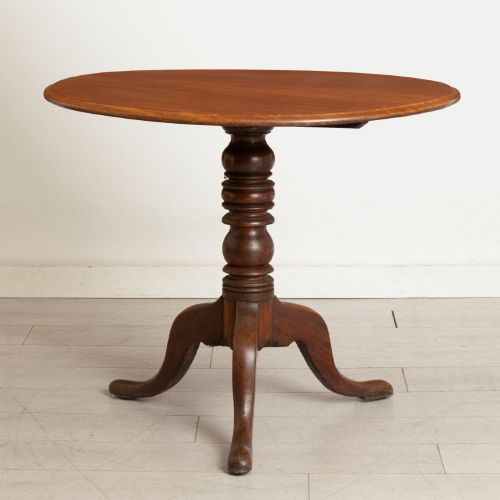
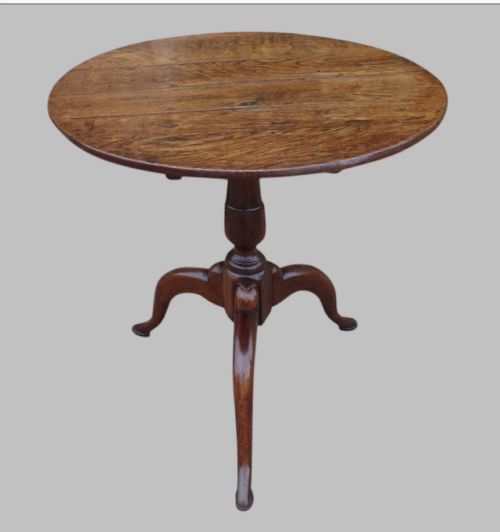
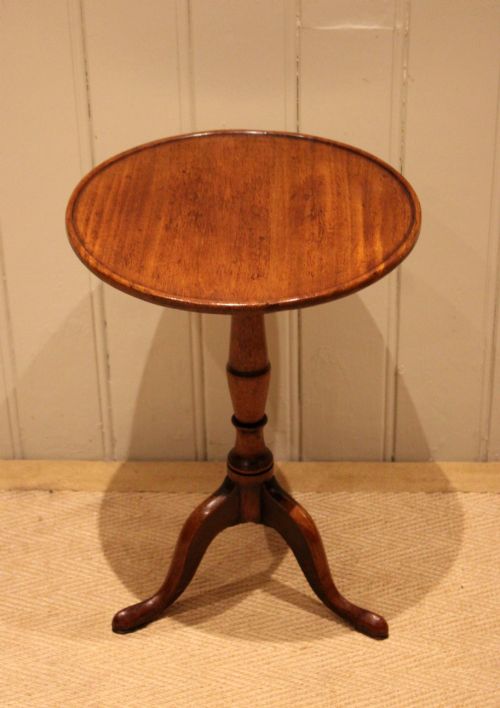
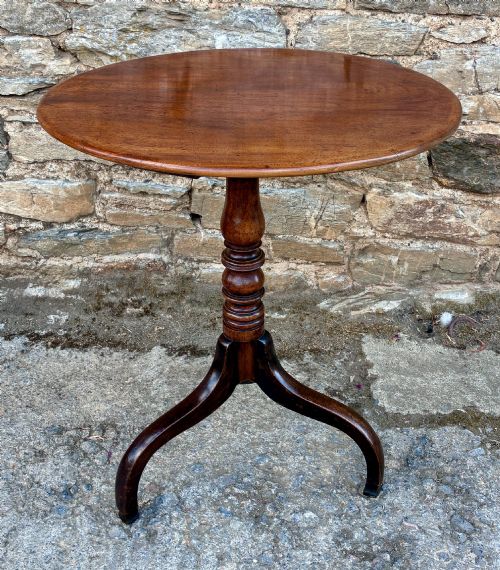
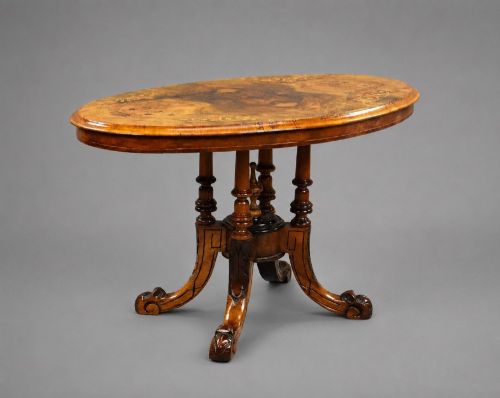
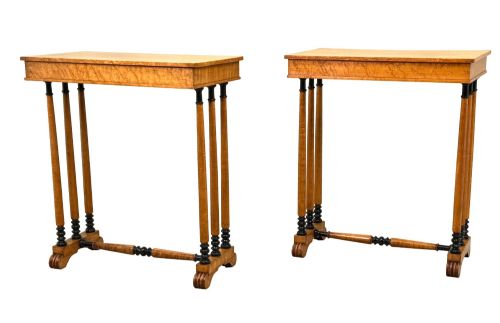
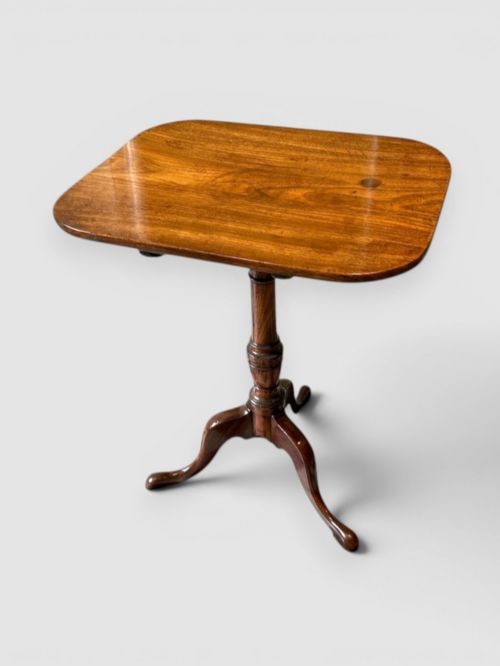
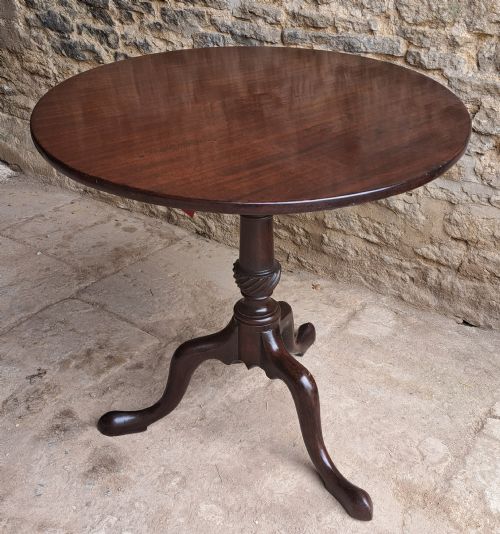
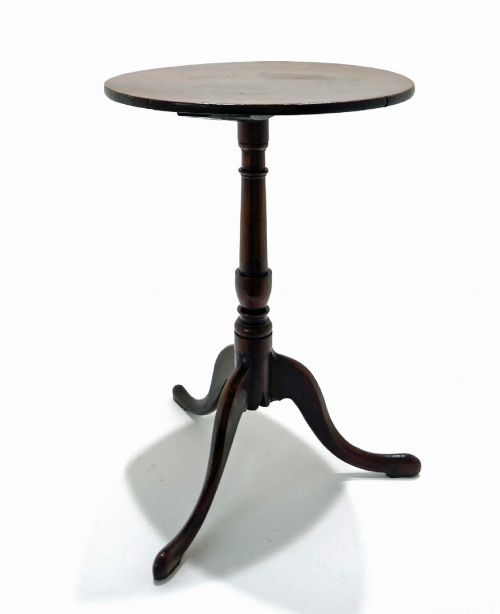
When you search for an antique column leg table, you enter a domain of versatile surfaces supported by upright timber columns, slender pedestals, and barley twist shafts. These pieces range from compact wine tables and tripod stands designed for intimate corners to larger centre tables, library desks, and console tables intended for grander rooms.
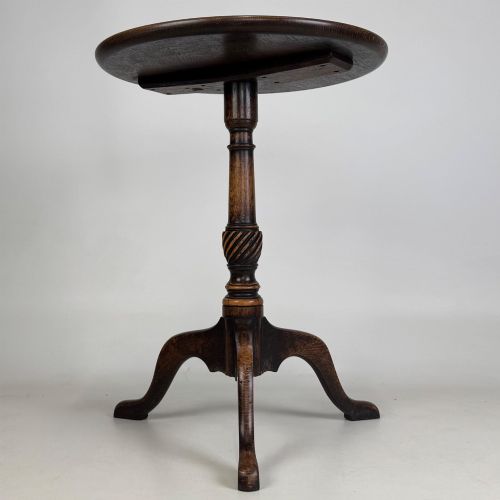
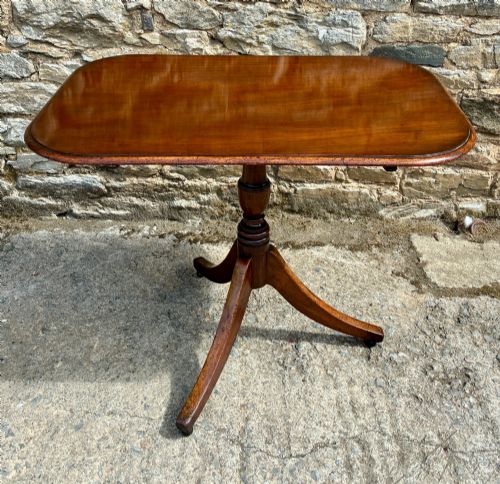
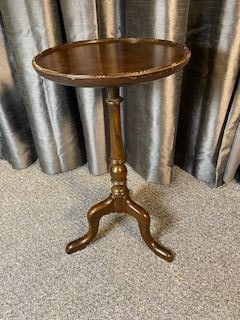
You are most likely to meet mahogany and oak versions originating from the Georgian, Regency, and Victorian periods, often featuring tilt-top mechanisms or circular tops supported by three-legged tripod bases. Smaller plant stands and occasional tables appear frequently alongside robust side tables and coffee tables adapted from earlier forms.
The historical scope spans from the mid-eighteenth century through the nineteenth century and into early twentieth-century revivals. Each era brings its own interpretation of the column support, shifting from plain slender shafts on eighteenth-century country pieces to elaborate carved or spiral-turned columns on nineteenth-century examples.
What varies in quality
The selection of timber dictates the visual baseline, with plain utility boards sitting at one end and highly figured fiddleback, burr elm, or birdseye maple veneers sitting at the other. Superior pieces display thoughtful grain matching across the top and well-chosen cuts of wood that enhance the depth of the finish.
Execution of the turning and carving on the central column and leg supports separates workshop standards. Crisp fluting, sharp spiral twists, and cleanly carved tripod feet demonstrate the hand of a skilled maker, whereas softer edges and blurred details point to more hurried production.
Structural harmony and stability define the upper tier of surviving examples. A well-balanced column leg table stands firmly without rock or tilt in its mechanism, maintaining alignment between the central shaft and the surrounding feet over centuries of use.
Listings feature woods spanning mahogany, oak, walnut, burr elm, birdseye maple, and solid rosewood across multiple centuries.
Shoolbred
The Antique Column Leg Table Glossary
- Tripod table
- A small occasional or wine table supported by a single central column resting on three feet. This construction gained immense popularity during the Georgian period for its stability on uneven floors.
- Tilt-top table
- A table featuring a hinged mechanism beneath the surface that allows the top to swivel vertically. This design enabled the table to be stored flat against a wall when space was needed.
- Barley twist
- A type of turning that creates a spiral column resembling a twisted rope. It appears frequently on the legs and vertical supports of seventeenth-century and later revival furniture.
- Guéridon
- A French term for a small circular standalone table supported by a central column or figures. These pieces arrived in British and continental interiors during the seventeenth and eighteenth centuries.
- Birdcage
- A revolving wooden framework fitted beneath the top of a tripod table that allows the surface to both rotate and tilt. This clever mechanism represents higher-tier cabinetmaking from the Georgian era.
Antique Column Leg Table: Frequently Asked Questions
What is a column leg table used for?
These tables served various practical functions in historic homes, ranging from holding tea services and wine decanters to displaying decorative ornaments and plants. Their compact footprints made them easy to move around a room as social needs shifted throughout the day.
Today, they function brilliantly as bedside tables, lamp stands, or prominent accent pieces beside seating areas. Their raised central columns allow chairs or other furnishings to tuck neatly underneath.
How do I identify a Georgian table?
Georgian tables typically display robust proportions in solid mahogany or oak, featuring understated carving or plain turned columns. Look for traditional construction methods such as hand-cut dovetails and pegged joints that predate mass production.
Examine the underside of the top for historical wear patterns and the presence of a birdcage mechanism. The timber should feel heavy and dense, with a deep patina developed over centuries of polishing.
Can I use a tilt top table daily?
You can use a tilt-top table for everyday living provided you operate the hinge mechanism with care. The pivot joints and wooden catches are historical components that benefit from gentle handling rather than frequent daily folding.
Place the table where it can remain upright as a stable surface for lamps or drinks. This minimises wear on the internal block and keeps the tabletop securely locked in position.
How do I care for antique wood?
Maintain antique timber surfaces by dusting them regularly with a soft, dry cloth and avoiding synthetic silicone sprays. Apply a quality natural beeswax periodically to nourish the wood and protect the historic finish from drying out.
Keep the table away from direct sunlight and heat sources such as radiators to prevent the wood from splitting or warping. Use coasters beneath glasses and place protective pads under any decorative objects.