
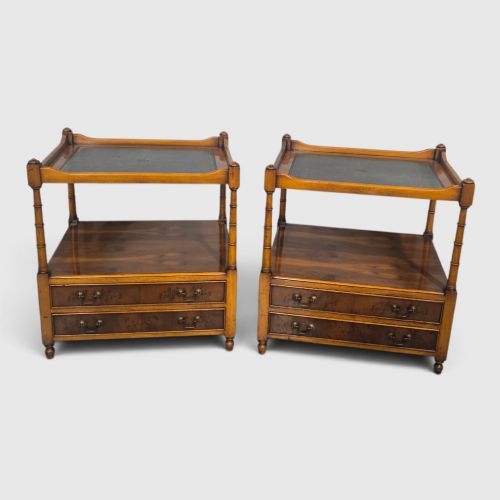


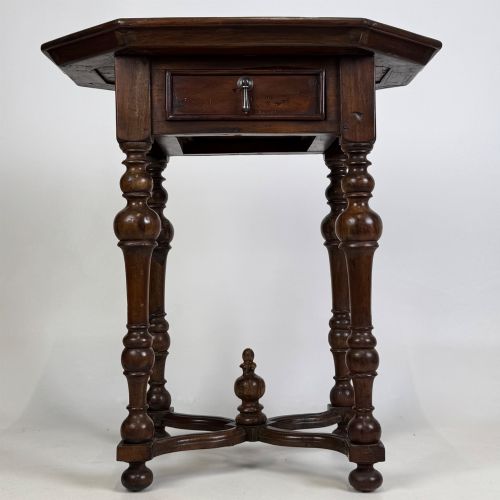
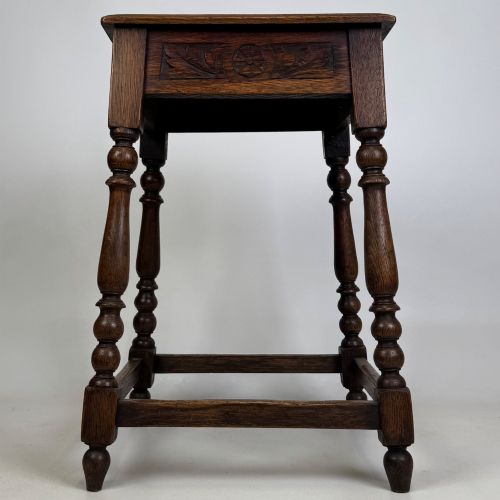
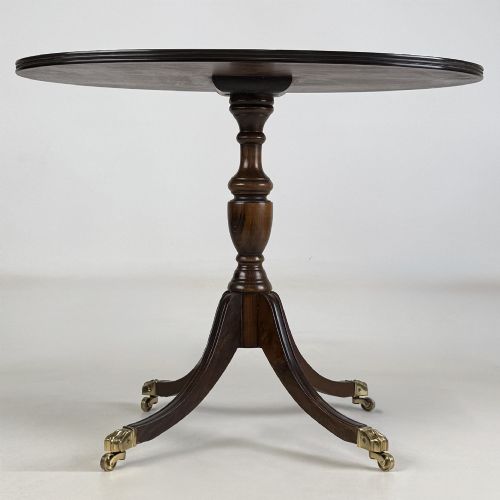
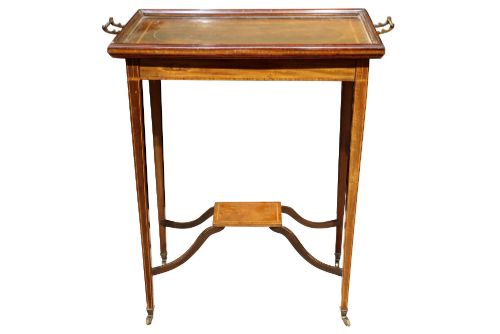
Antique Wood End Table
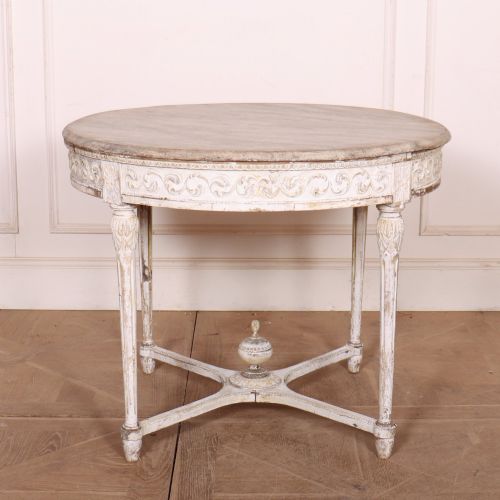
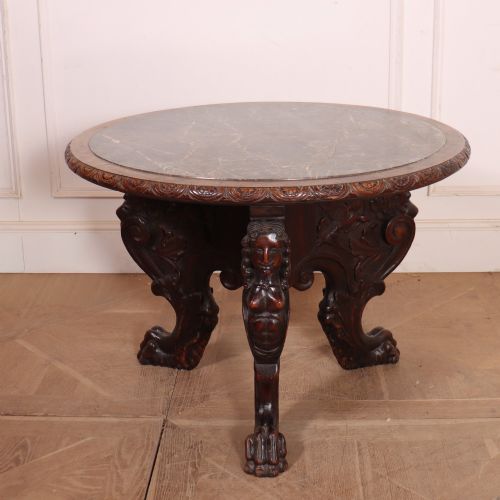
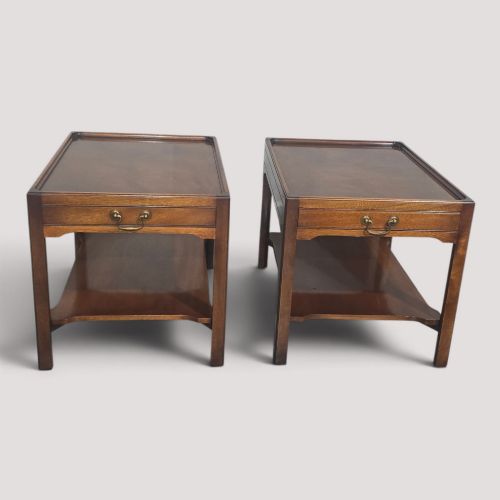
An antique wood end table brings practical surface space and period character to a room, ranging from compact lamp tables to nests.
Antique Wood End Table
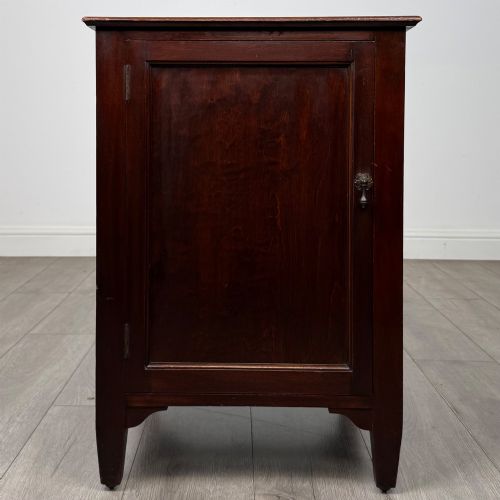
When you search for an antique wood end table, you are looking at small tables designed to sit beside seating or beds, serving functional roles as lamp tables, occasional tables, and bedside tables.
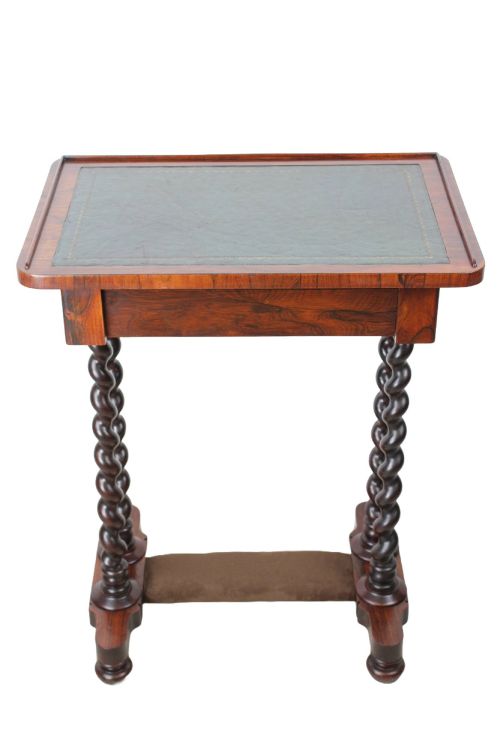
The pieces appearing on this page span the Victorian, Edwardian, and Georgian periods, alongside later twentieth-century examples, taking the form of side tables, nests of tables, and étagères.
How they were made
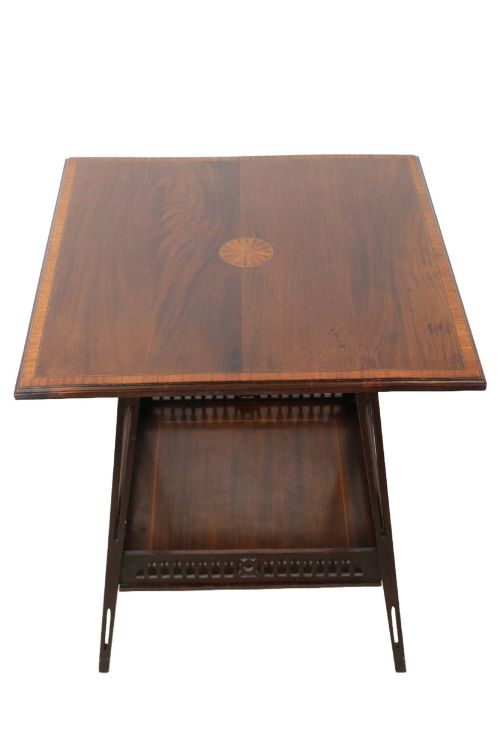
Cabinet makers utilised solid timbers and veneers, combining structural woods like oak and mahogany with decorative surfaces of walnut, satinwood, kingswood, and rosewood.
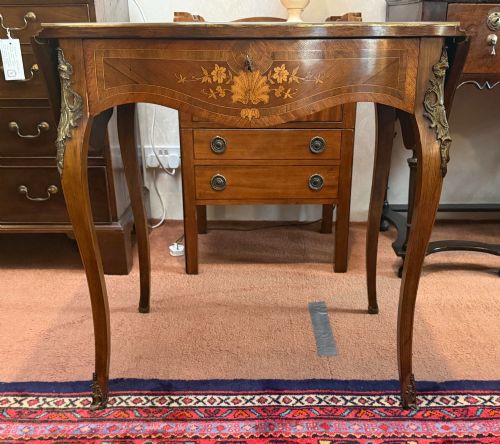
Construction methods involved traditional joinery, complemented by surface embellishments such as brass inlay, hand carving, marquetry inlay, painted floral decoration, and marble tops.
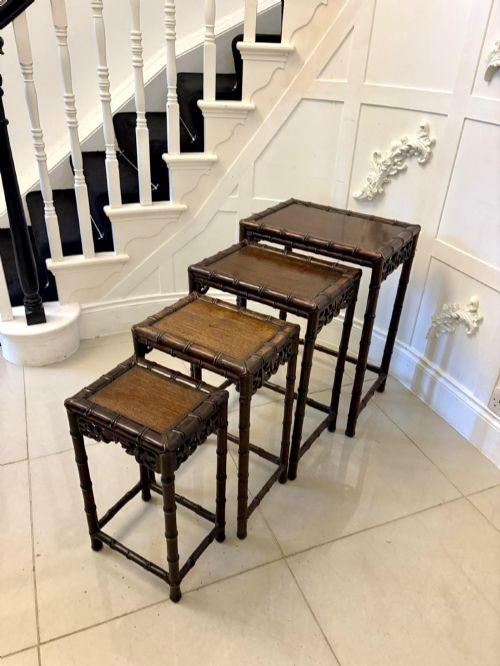
One exceptional piece mimics bamboo using solid carved wood because Victorian parlor trends demanded convincing botanical illusions.
What varies in quality
The distinction between standard domestic items and exhibition pieces lies in the selection of figured timber veneers, such as burr oak and figured walnut, and the crispness of hand carving.
Refinements like inlaid satinwood stringing, gilded brass mounts, and specialised forms such as spider legs or kidney-shaped tops elevate the standard of design.
Trevor Page & Co·William and Gibton Dublin
The Antique Wood End Table Glossary
- Occasional table
- A small, movable table designed for intermittent use in a principal room. These pieces function easily beside chairs or sofas.
- Étagère
- A set of open shelves for displaying small objects or ornaments. It usually stands upright with multiple tiers.
- Kingswood
- A dense, dark purple-brown timber with golden streaks, frequently used for veneering fine furniture in the eighteenth and nineteenth centuries. It creates striking contrasting patterns on tabletops.
- Spider leg
- A table featuring exceptionally slender turned legs for a light visual appearance. This construction provides stability while minimising the piece's footprint.
- Faux bamboo
- Wood turned and carved to resemble natural bamboo stalks. Makers utilised this technique during periods of fascination with oriental design.
Antique Wood End Table: Frequently Asked Questions
What is an antique wood end table used for?
These tables provide a stable surface for holding lamps, books, or drinks beside armchairs and sofas. Their compact dimensions allow them to fit easily into tight corners.
Historically, specific variations served as bedside tables or display stands for decorative objects. Today, they remain versatile items for modern living rooms and hallways.
How do I tell Edwardian pieces apart from Victorian ones?
Victorian tables often display heavier proportions, darker finishes, and more elaborate carving or robust turning. Mahogany and walnut dominate this earlier era.
Edwardian examples frequently feel lighter and brighter, utilising satinwood inlay, lighter oak tones, and painted floral decoration. The aesthetic shifts toward refined simplicity and neoclassical revival styles.
Are nest of tables an antique invention?
Sets of graduated tables that slide beneath one another appear frequently in late nineteenth and early twentieth-century designs. They provided space-saving utility for entertaining in smaller drawing rooms.
Victorian and Edwardian makers produced these sets in mahogany and oak, sometimes arranging them in circular or freestanding formats.
How do I care for a wood end table?
Maintain the finish by dusting regularly with a soft, dry cloth and avoiding placement near direct heat sources or strong sunlight. Excessive temperature changes can cause timber to split and veneers to lift.
Apply high-quality beeswax occasionally to nourish the wood and preserve the lustre of older surfaces.