



Traditional Oak Bedside Table
These traditional oak bedside table pieces offer robust timber construction and period character, bringing practical bedside storage and display to the bedroom.
Traditional Oak Bedside Table
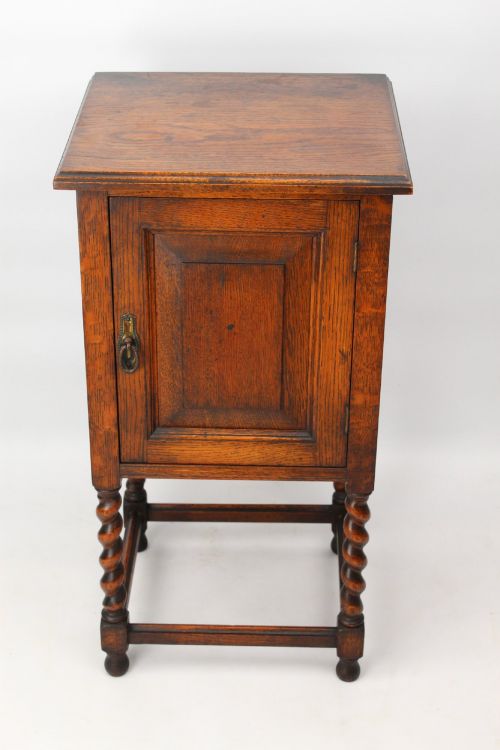
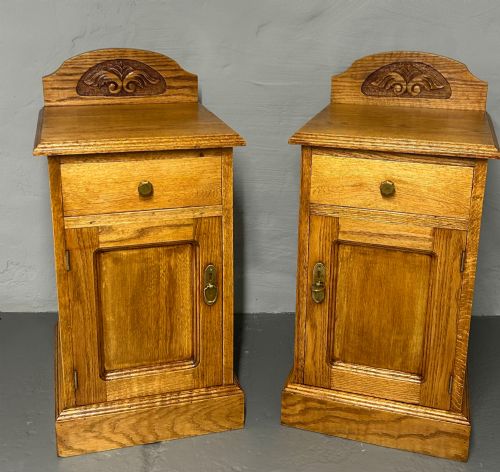
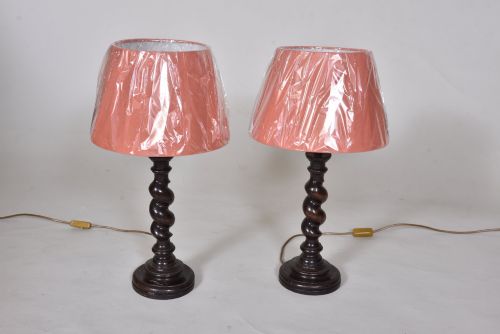
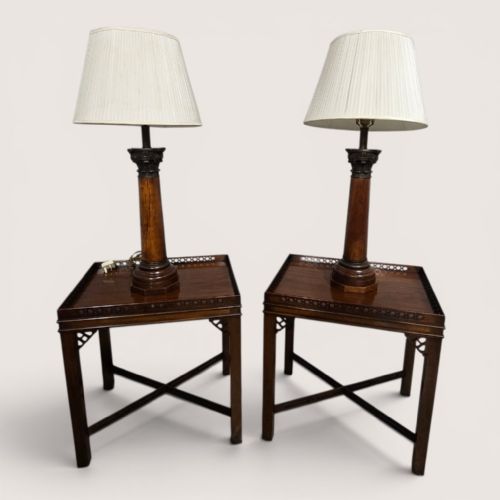
When you search for a traditional oak bedside table, you encounter a selection of solid timber furniture spanning the seventeenth century through to the twentieth century. These items include bedside cabinets, side tables, small side cabinets, and compact cupboards designed for domestic utility.
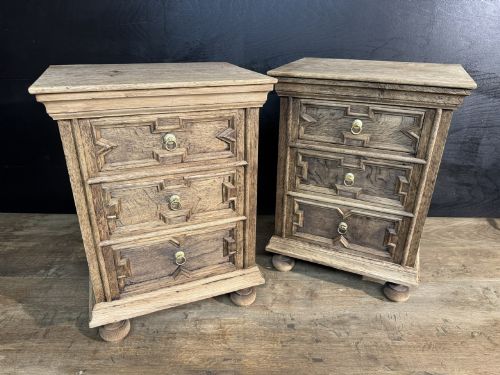
The versions most commonly met on this page date from the Edwardian era and the nineteen-twenties, often reflecting revivalist movements such as Jacobean Revival and English Country styles. Alongside dedicated bedside cabinets, you will frequently discover small side tables, lamp tables, and low chests of drawers utilised in the same capacity.
How they were made
Construction relies heavily on oak, occasionally finished as dark oak or limed oak, providing a sturdy and durable carcase for daily domestic use. Joinery techniques from earlier periods give way to twentieth-century production methods while maintaining solid timber construction.
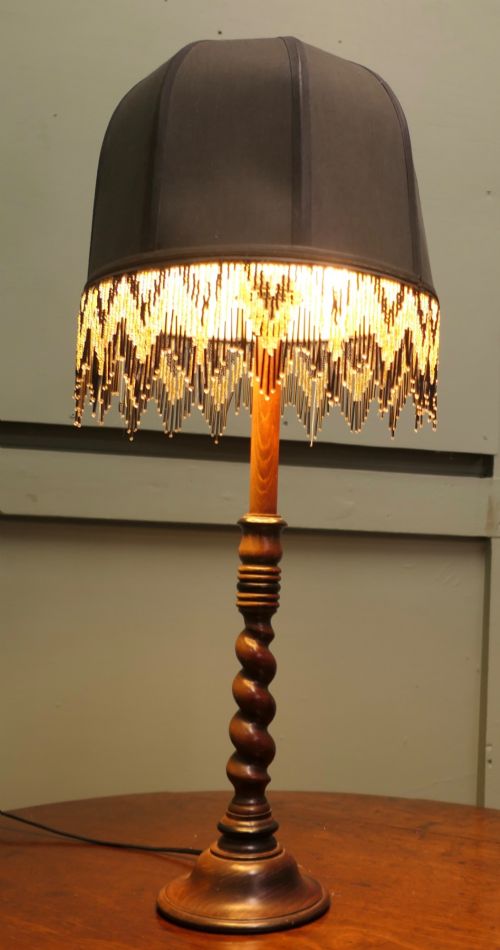
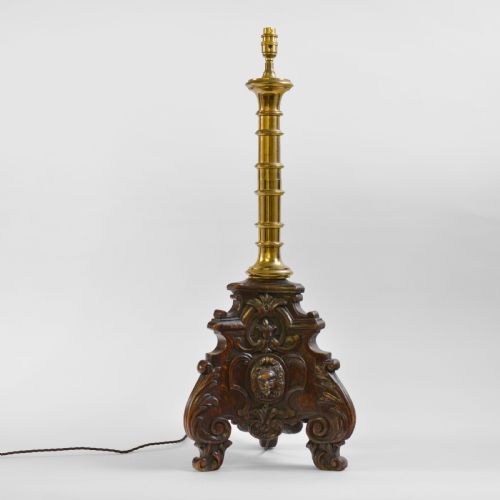
Additional materials appear in secondary roles, with brass and metal hardware, marble tops, and occasional fabric elements integrated into specific cabinet designs and lamp combinations.
Traditional Oak Bedside Table Retail Price Guide 2026
Typical asking prices for traditional oak bedside table among the pieces listed under this phrase on Sellingantiques today, from the lower quarter to the upper quarter. They describe what is for sale here now, not the wider market.
The inventory includes diverse forms such as bedside cabinets, side tables, small cupboards, and low chests of drawers.
What varies in quality
Quality separates through the selection of timber grain, the crispness of hand-carved details, and the integrity of the original joints and construction. Pieces exhibiting sophisticated period styling, such as Flemish Baroque or Arts and Crafts influences, demonstrate superior design ambition.
The degree of preservation in the timber surface, whether natural dark oak or bleached finishes, alongside the authenticity of period brass or metal hardware, distinguishes standard utility items from finer examples.
The Traditional Oak Bedside Table Glossary
- Jacobean Revival
- A nineteenth and twentieth century style mimicking seventeenth-century English furniture. It is characterised by heavy proportions, geometric moulding, and dark oak surfaces.
- Arts and Crafts
- A design movement originating in the late nineteenth century emphasising traditional craftsmanship. Simple construction and honest use of oak materials define this aesthetic.
- Bedside Cabinet
- A small enclosed piece of furniture featuring a door or drawer for bedside storage. These items typically house personal items close to the bed.
- Limed Oak
- A wood finish created by applying a white pigment or liming wax to oak grain. This treatment lightens the timber tone and highlights the natural texture of the wood.
Traditional Oak Bedside Table: Frequently Asked Questions
What periods do these pieces span?
The selection spans from the seventeenth century through to the early twentieth century, encompassing various revival styles alongside period originals.
Edwardian pieces and items from the nineteen-twenties appear frequently alongside older seventeenth and eighteenth-century examples.
How were these cabinets originally used?
These pieces served practical storage functions in domestic bedchambers, holding personal belongings, lighting, or washing equipment.
Compact forms such as small cupboards on stands and bedside cabinets provided accessible storage within restricted bedroom spaces.
What timber finishes should I expect?
Oak forms the primary structural material across the selection, appearing in natural, dark, bleached, and limed surface treatments.
Secondary materials like brass, iron, and marble occasionally supplement the timber framework on specific cabinets and tables.
How do I distinguish revival styles from originals?
Revival styles such as Jacobean Revival and Georgian Revival typically date from the nineteenth or twentieth centuries, emulating earlier historical aesthetics.
Construction methods, tool marks, and timber seasoning help differentiate these later reinterpretations from authentic seventeenth or eighteenth-century pieces.