


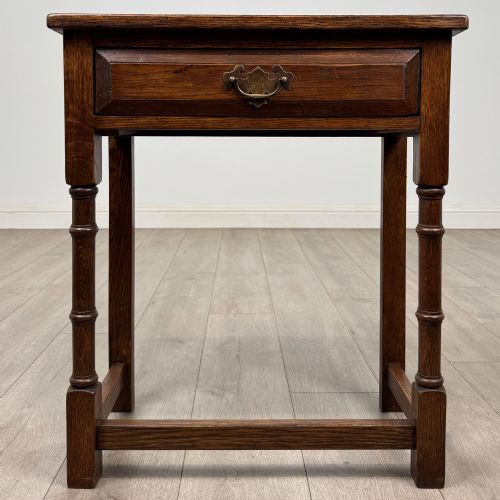
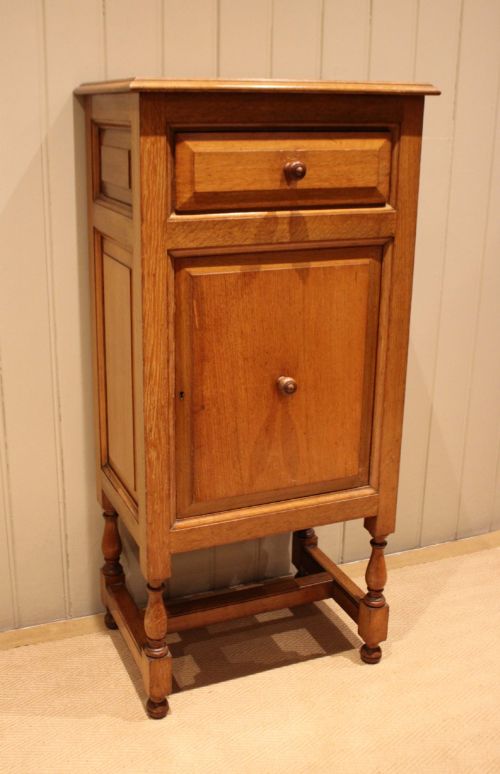
Small Oak Drawer Table
A small oak drawer table brings compact utility and honest grain to any room, offering a sturdy surface and practical storage.
Small Oak Drawer Table
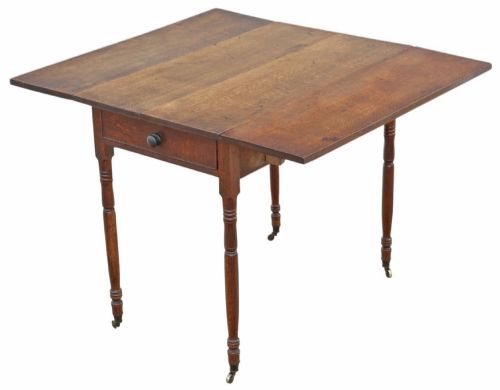
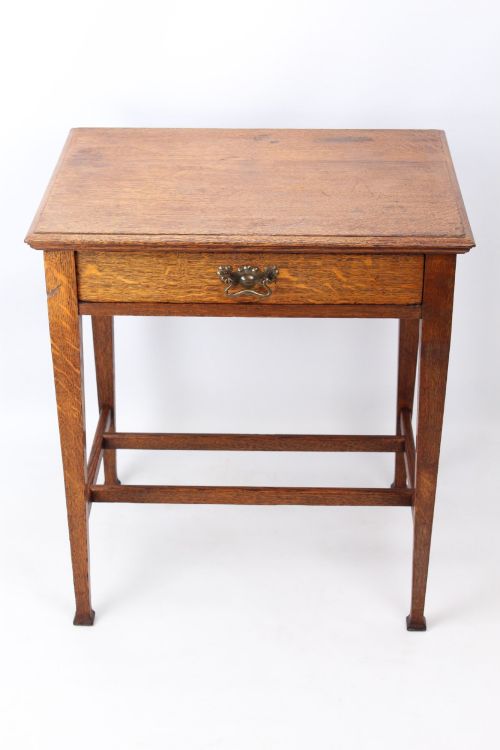
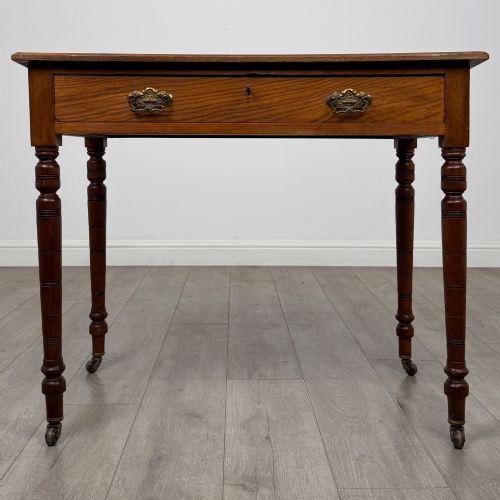
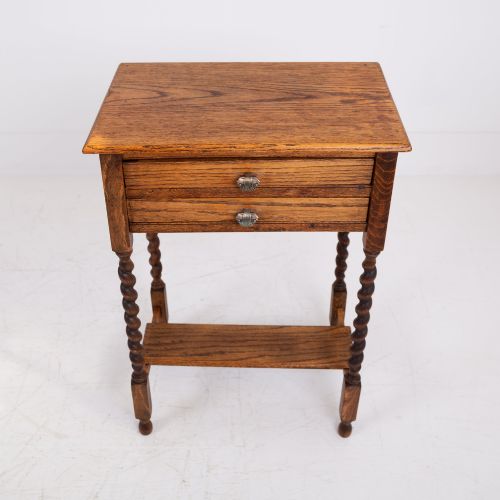
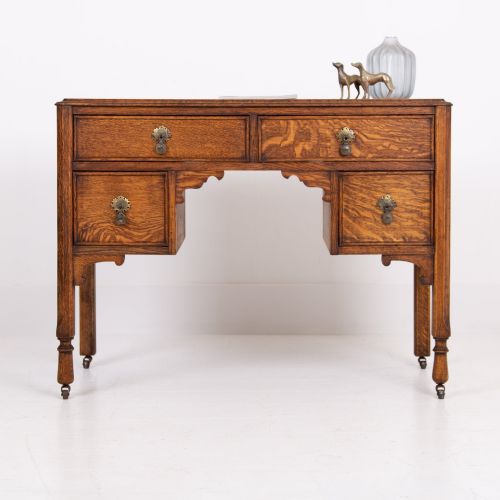
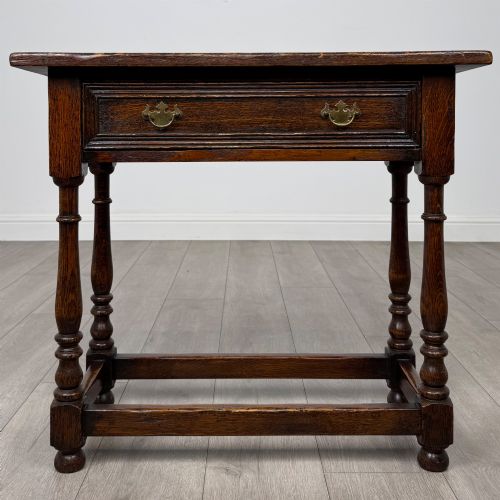
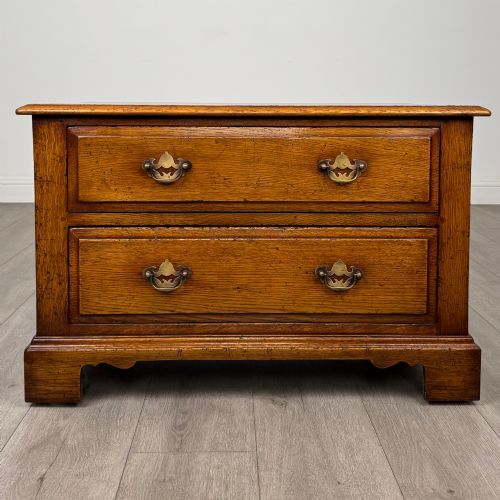
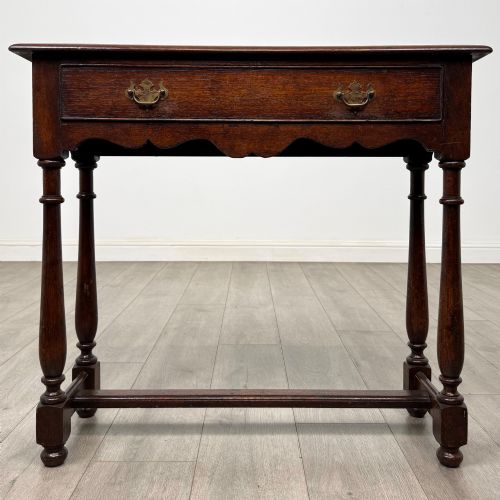
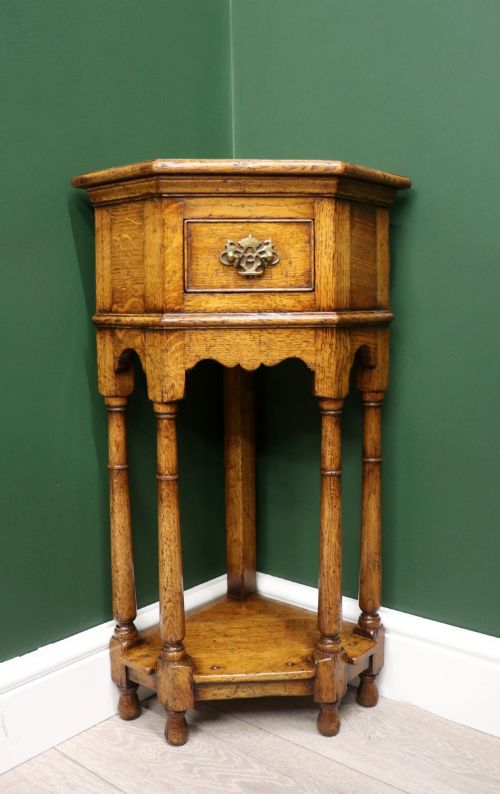
A small oak drawer table serves as a versatile piece of furniture designed for writing, bedside storage, or side use. When searching for a small oak drawer table, buyers encounter formats ranging from Georgian lowboys and 18th-century country pieces to Edwardian desks and Jacobean Revival side tables.
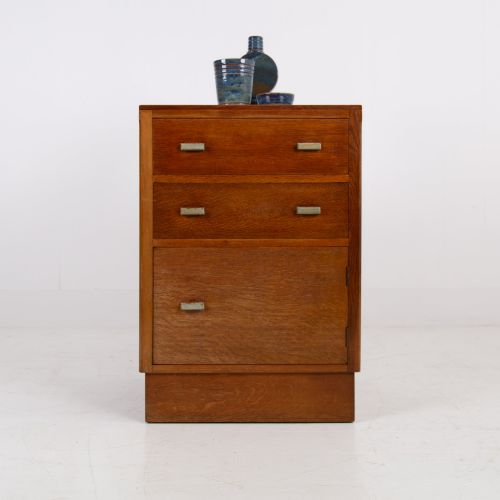
The most common versions on this page are Edwardian and early 20th-century side tables or writing desks featuring one or two drawers. These pieces reflect practical domestic utility, often combining compact proportions with the hard-wearing qualities of oak.
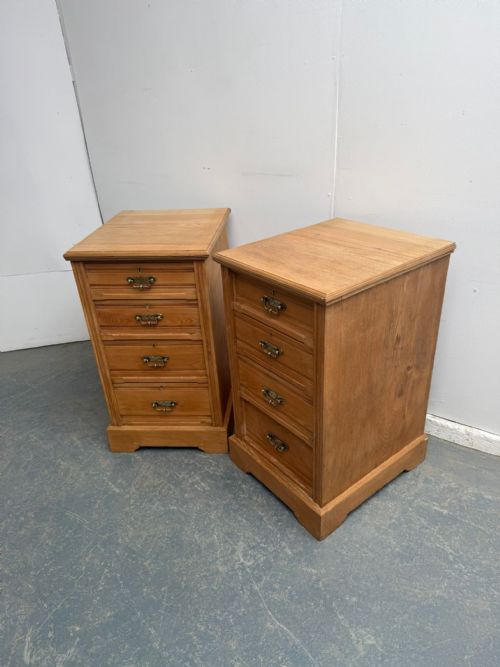
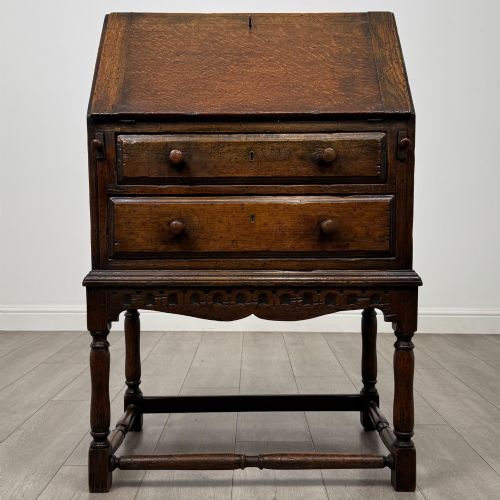
Beyond standard side tables, the selection includes related forms such as writing tables, bureaux, and bedside cabinets. Each shares a modest footprint and the characteristic timber grain associated with period English and continental cabinetmaking.
What varies in quality
Quality in these tables depends on the selection of the timber and the crispness of the joinery. Finer examples display carefully matched grain patterns across the top and drawer fronts, whereas simpler utilitarian pieces utilise plain, straightforward boards.
The degree of hand-carved detail and the retention of original hardware distinguish workshop output from mass-produced items. Superior pieces maintain tight joints and smooth drawer movement, reflecting the skill of the original cabinetmaker.
Listings feature oak alongside secondary materials such as brass, iron, leather, ash, walnut, and mahogany.
Gomme·Jenners
The Small Oak Drawer Table Glossary
- Lowboy
- A small table with one or more drawers, originating in the late 17th century and commonly used as a dressing table or side table. These pieces typically stand on slender legs.
- Pembroke table
- A small rectangular table with hinged flaps on either side that can be raised or lowered. Many examples include a small drawer at one end.
- Secretaire
- A desk or chest of drawers featuring a pull-down writing flap that conceals small compartments and pigeonholes. These items combine storage with a dedicated writing surface.
- Bureau
- A desk with an angled lid that drops down to form a writing surface, sitting above a bank of drawers. Edwardian and Georgian versions frequently utilise oak or mahogany.
Small Oak Drawer Table: Frequently Asked Questions
How do I date a small oak table?
Dating relies on examining construction methods, timber preparation, and hardware styles. Hand-sawn boards and traditional joinery point towards earlier periods.
Later 19th and 20th-century examples often exhibit machine-cut components and standardised fixings while retaining traditional oak forms.
Where should I place a small drawer table?
These compact tables function effectively as bedside cabinets, hallway side tables, or writing desks in tighter spaces. Their modest width allows them to fit snugly against walls or beside seating.
The inclusion of a drawer provides convenient storage for keys, stationery, or small household items.
How do I care for antique oak?
Maintain waxed oak surfaces by applying a quality beeswax periodically to nourish the timber and prevent drying. Avoid placing tables in direct sunlight or near heat sources.
Use coasters and dry cloths for routine dusting to preserve the original patina without stripping the finish.
What is the difference between a side table and a lowboy?
A side table is a general term for any small table meant to stand against a wall, whereas a lowboy specifically refers to a small, low table with drawers dating from the 18th century or later in that style.
Lowboys usually feature more refined leg turning or cabriole shaping compared to utilitarian side tables.