
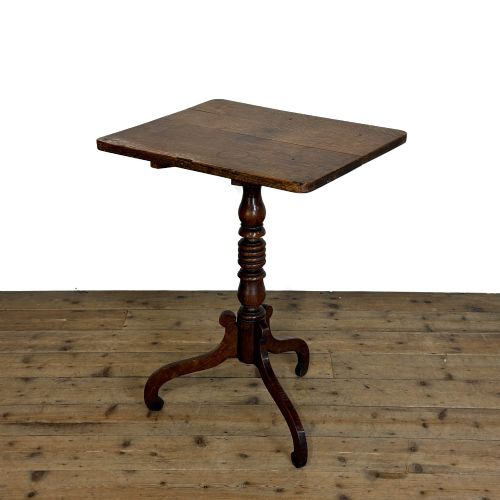
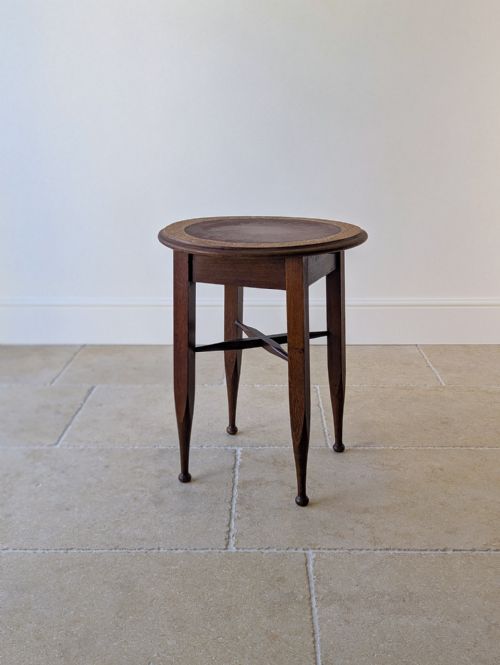
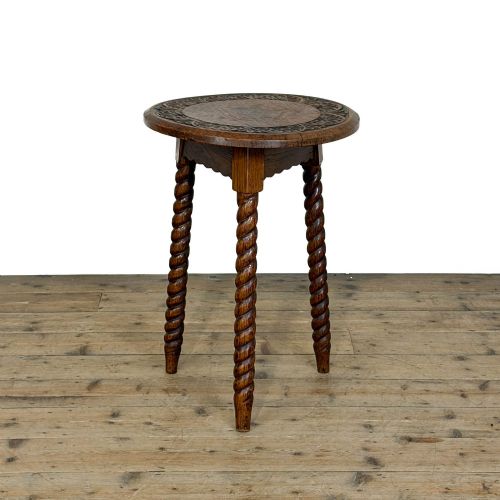
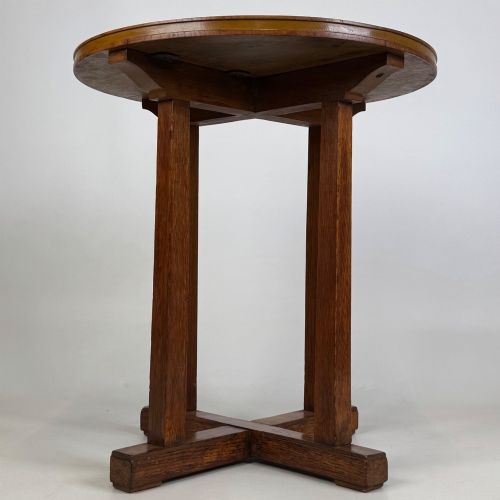
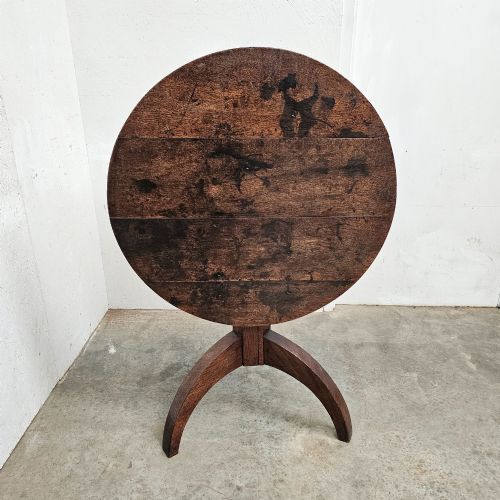


Vintage Oak Wine Table
A vintage oak wine table brings solid timber character and compact utility to a room, holding a glass or lamp with understated traditional grace.
Vintage Oak Wine Table
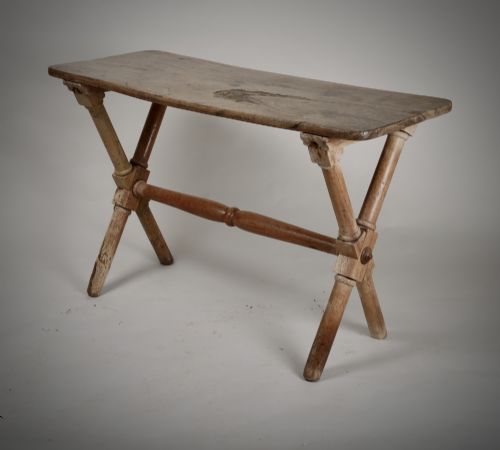
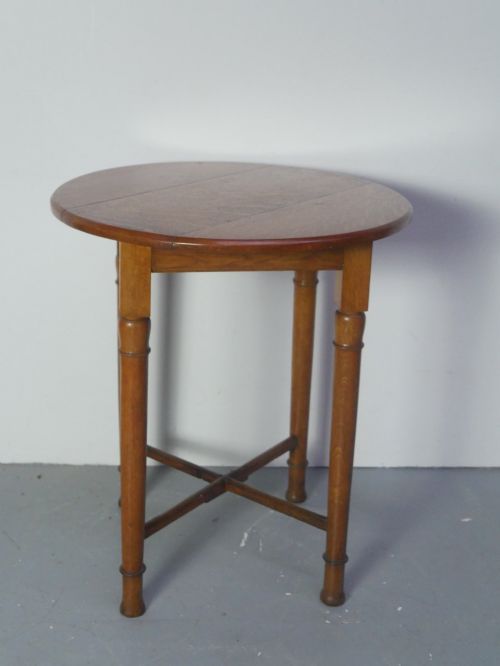
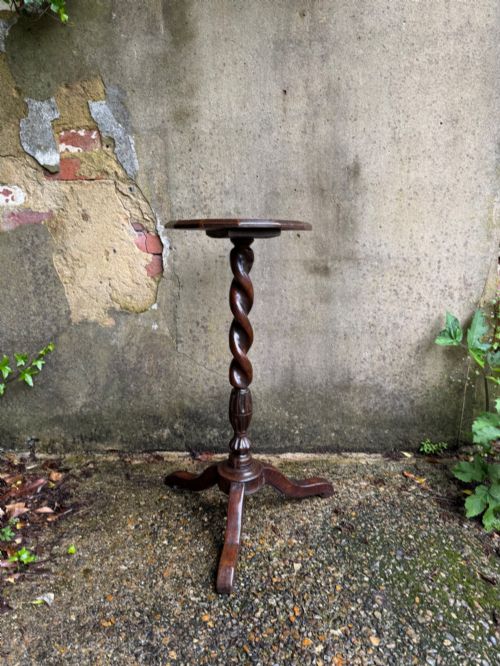
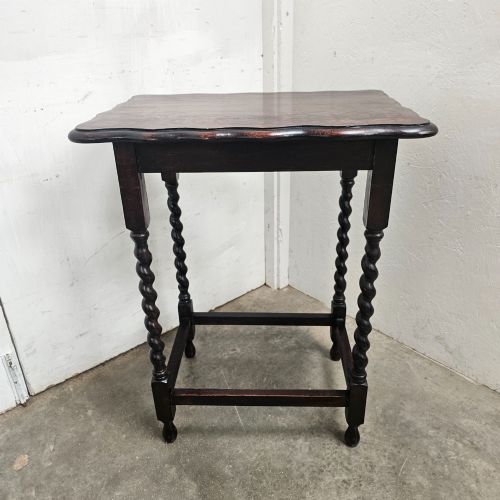
When searching for a vintage oak wine table, you encounter a variety of compact occasional surfaces ranging from Victorian tripod stands to Edwardian and 1920s pedestal designs. These pieces function primarily as small side stands, candle supports or tilt-top tables intended for flexible placement beside seating.
The selection on this page spans several distinct eras, notably the Edwardian period, the 1920s and the 1930s, alongside nineteenth-century examples and heavier tavern styles. You will find round tops, tilt-top mechanisms and occasional tables utilising sturdy oak timber for daily domestic service.
Materials and construction
Construction relies heavily on solid oak, frequently paired with secondary timbers like pine or heavier hardwoods to build stable pedestals and legs. Joinery methods include traditional pegging, turned barley twist supports and tripod pillar configurations designed to bear concentrated weight on a small footprint.
Surface finishes range from polished timber to carved detailing, with occasional pieces incorporating brass bindings, copper accents or tilt mechanisms. The emphasis remains on durable domestic carpentry rather than excessive ornamentation.
Vintage Oak Wine Table Retail Price Guide 2026
Typical asking prices for vintage oak wine table among the pieces listed under this phrase on Sellingantiques today, from the lower quarter to the upper quarter. They describe what is for sale here now, not the wider market.
The documented forms span functional object types including occasional tables, tavern tables, wine coasters, candle stands, and campaign folding furniture.
Judging quality in oak tables
Quality rests upon the integrity of the timber selection, the stability of the central pillar or leg joints, and the precision of any tilt-top mechanism. Superior examples display thoughtful proportions, crisp carving where present, and sound structural alignment without excessive wobble.
Lower tiers of quality often reveal utilitarian replacement parts, loose tripod connections, or clumsy repairs to the pedestal base. A well-made table balances heavy oak grain with a light, balanced stance.
The Vintage Oak Wine Table Glossary
- Tilt-top table
- A small occasional table featuring a hinged top that can be swung into a vertical position when not in use. This mechanism allowed spaces to be cleared quickly in domestic rooms.
- Tripod table
- A freestanding small table supported by three legs radiating from a central pillar. This design ensures stability on uneven floors.
- Barley twist
- A decorative turning style resembling a twisted rope, commonly found on the legs of Edwardian and later tables. It adds textural rhythm to the vertical supports.
- Treen
- Small handmade wooden household objects and utilitarian wares. The term encompasses turned items such as coasters and small stands.
- Occasional table
- A general term for a small, moveable table intended to serve brief, specific functions in a living space. These pieces are easily relocated as needed.
Vintage Oak Wine Table: Frequently Asked Questions
What is a wine table used for?
These compact stands were traditionally designed to hold a bottle and glasses near seating areas. Today they function well as small lamp stands or bedside surfaces.
Their small footprint allows them to fit easily into corners or tight spaces where larger furniture would crowd the room.
How do I identify an Edwardian oak table?
Edwardian examples often feature lighter framing, Arts and Crafts influences, or turned barley twist legs. The oak used during this era tends to show clean milling and moderate patination.
Comparing leg turnings and joinery style against known periods helps pinpoint the decade of manufacture.
Are tilt-top tables stable?
A well-made tilt-top table locks securely into the horizontal position using a traditional wooden catch or brass peg. The tripod base beneath should bear weight evenly without rocking.
When testing stability, check the block beneath the top where the pivot pin meets the central column.
How do I care for vintage oak furniture?
Keep oak surfaces away from direct heat sources and strong sunlight to prevent the timber from drying out. Periodic application of natural wax helps maintain the lustre of the grain.
Avoid excessive moisture on the wood, using coasters under drinks to protect the vintage finish from water marks.