
Antique Wood Carving Pair
An antique wood carving pair brings balanced symmetry to a room, offering matched craftsmanship spanning centuries from the eighteenth through to the Victorian era.
Antique Wood Carving Pair
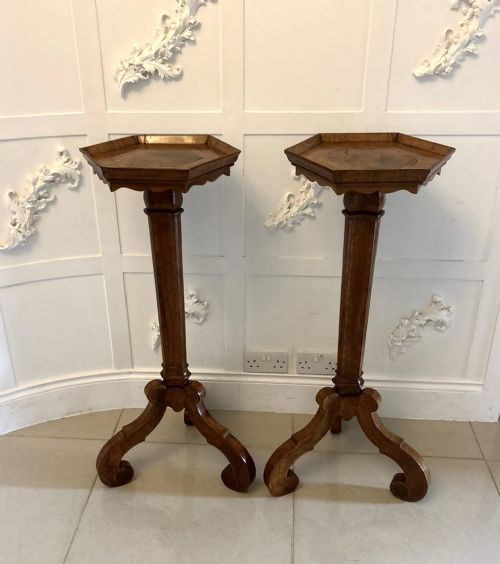
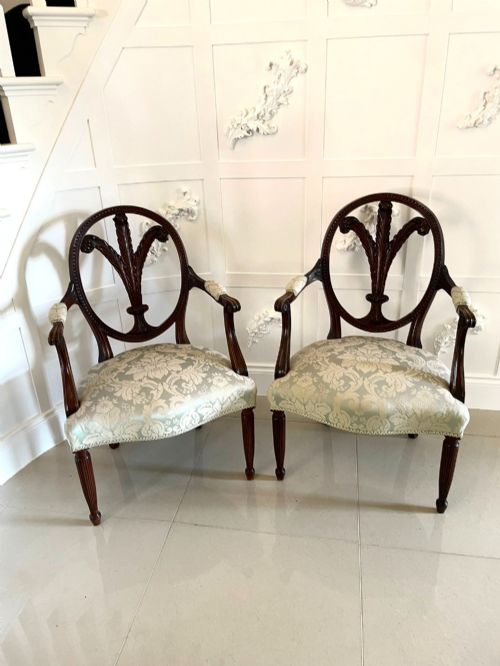
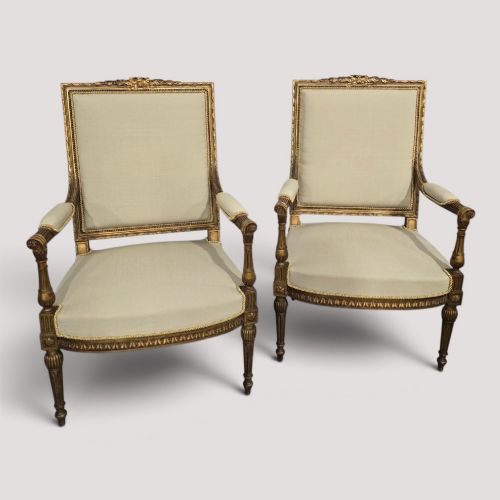
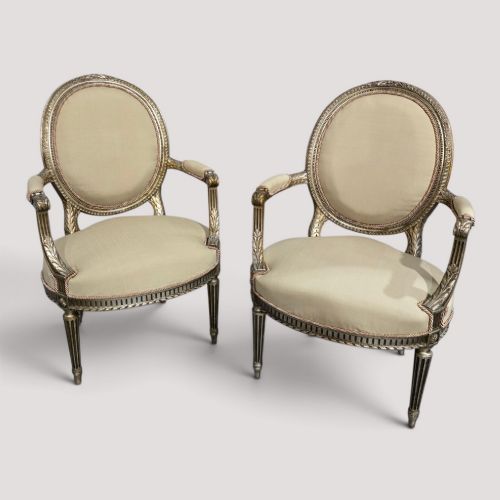
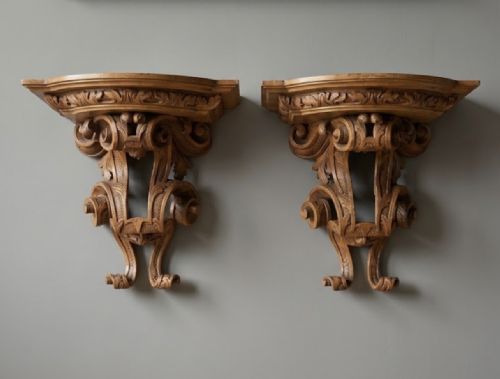
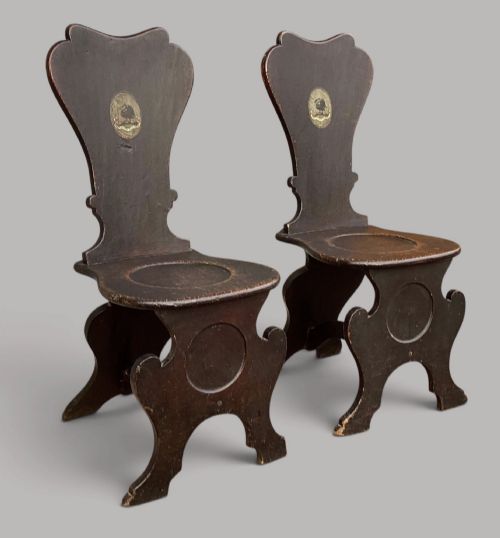
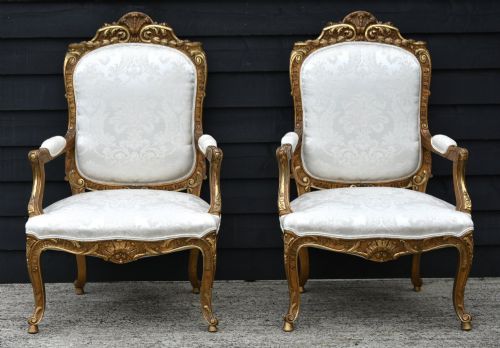
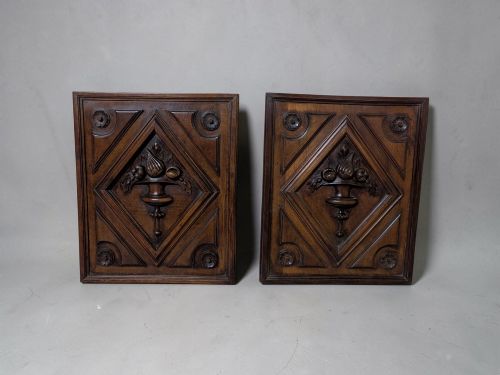
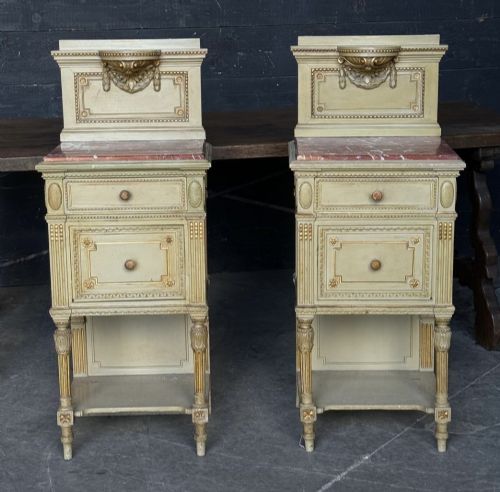
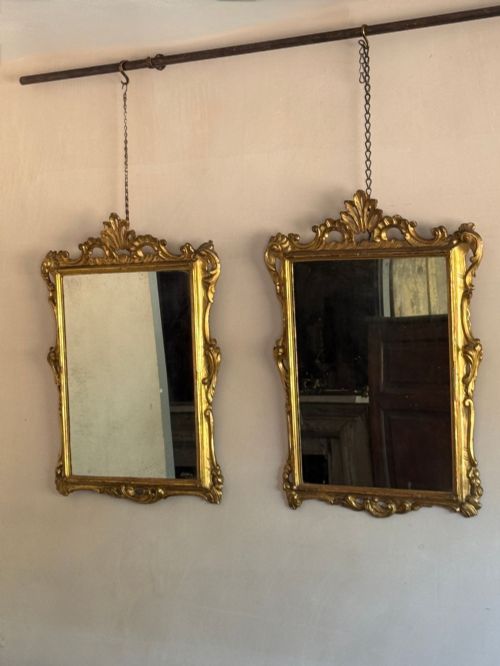
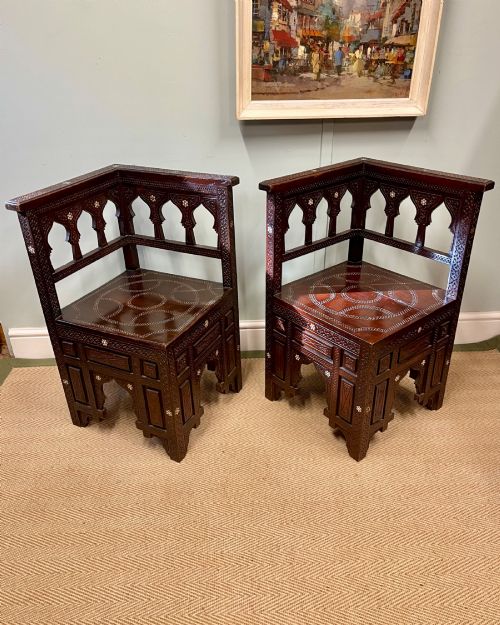
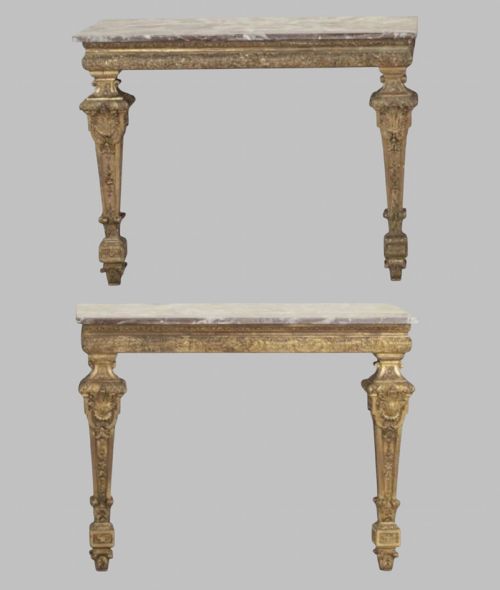
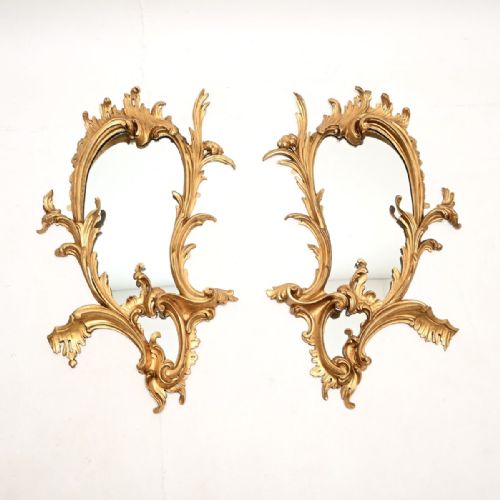
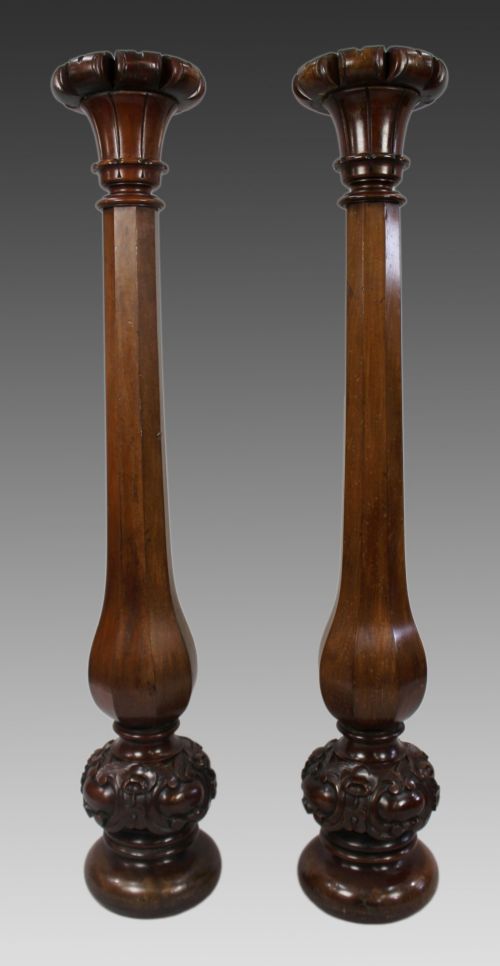
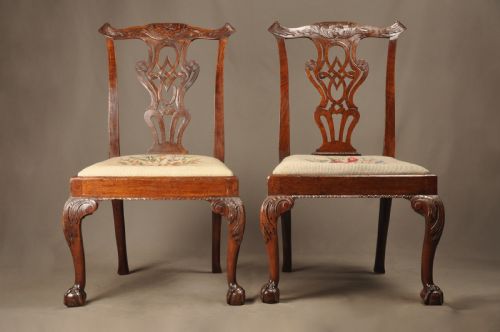
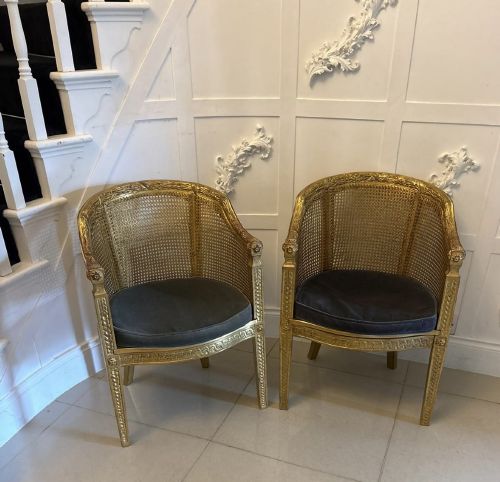
An antique wood carving pair spans functional furniture, architectural elements and decorative objects designed to flank a space with matching symmetry. These duos appear across various forms, including console tables, armchairs, bookends, wall brackets and sculptural panels.
The selections encountered here range from eighteenth-century oak panels and Dutch Baroque side chairs to nineteenth-century Black Forest animal bookends and Regency mahogany items. Buyers frequently encounter seating arrangements, wall lights and sculptural brackets created as unified dual pieces.
How they were made
The construction relies on traditional timber selection, incorporating dense woods such as mahogany, oak, walnut, fruitwood, ebony and pine, alongside specialised materials like gesso and giltwood. Artisans shaped these mediums using hand chisels and gouges to achieve deep relief work, bobbin turnings and chip carving.
Surface finishes applied to the carved timber include original paint, silvering, gilding and clear polishes that highlight the underlying grain and sculptural depth of each matched object.
Among the carved animals guarding books and walls, a pair of amused goldfish shares space with decoy pigeons and owls.
What varies in quality
The depth and crispness of the hand chiselling separate standard production from superior artistic execution, particularly in sculptural details like cherubs, foliage and Corinthian columns. Superior examples maintain the original synchronisation between both pieces, ensuring equal hand-carved proportions and consistent timber ageing across the pair.
The Antique Wood Carving Pair Glossary
- Giltwood
- Wood that has been coated with gold leaf or a gold-coloured metallic finish. This technique frequently appears on nineteenth-century wall sconces and frames.
- Corbel
- A structural piece of stone or wood projecting from a wall to support a weight. Carved wooden versions often depict cherubs or decorative scrolls.
- Girandole
- An ornamental bracketed wall light featuring a mirror to reflect candlelight. These items often incorporate elaborate giltwood carvings.
- Bobbin turned
- A style of woodturning characterised by a series of rounded cushions or bobbins shaped on a lathe. This method appears on seventeenth and eighteenth-century chair legs.
Antique Wood Carving Pair: Frequently Asked Questions
How do I place a pair in a room?
Matched items work best when arranged symmetrically to frame a focal point such as a fireplace, doorway or large mirror. Placing them at opposite sides of a space creates visual balance.
Separating the pieces too far dilutes their impact, so keep them within the same visual zone to maintain their intended dialogue.
Are these items purely decorative?
Many items serve practical purposes alongside their decorative carving, including seating, console tables, bookends and library supports. Others, such as wall brackets, panels and architectural corbels, exist primarily to adorn a wall.
Utility often dictates placement, allowing functional pieces to double as sculptural art within a room.
How should I care for carved wood?
Maintain the timber by keeping pieces away from direct heat sources and sudden temperature fluctuations that cause wood to dry and split. Dust regularly with a soft, dry cloth.
Avoid modern liquid polishes that build up residue over time, opting instead for traditional wax applied sparingly when the wood appears dry.
How do I date a carved pair?
Dating relies on identifying the underlying timber species, tool marks left by the artisan, and the prevailing style of the period, such as Baroque, Regency or Victorian. Examining construction joints and fasteners provides further clues to age.
Comparing the wear patterns on both objects helps confirm that the pair has remained together since its original creation.