
Antique Whisky Glasses
Antique whisky glasses bring heavy cut crystal and silver mounts to the home bar, offering tangible links to Georgian, Victorian and Edwardian drinking traditions.
Antique Whisky Glasses
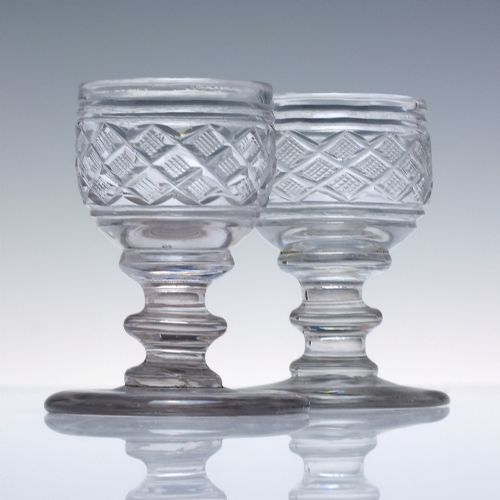
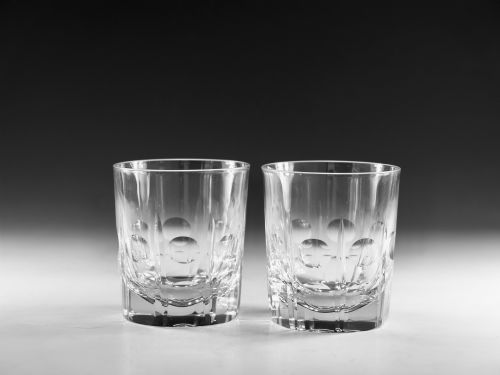
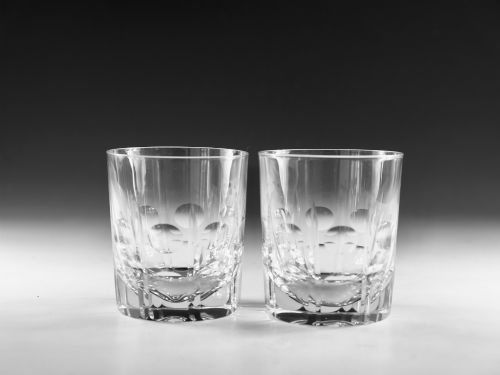
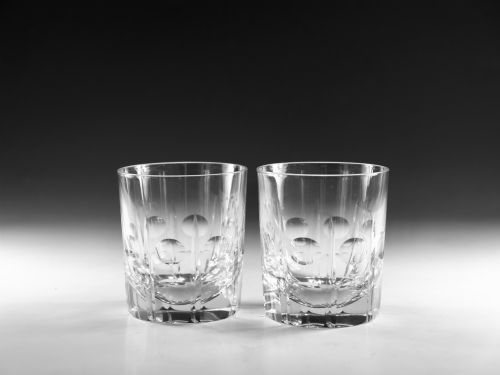
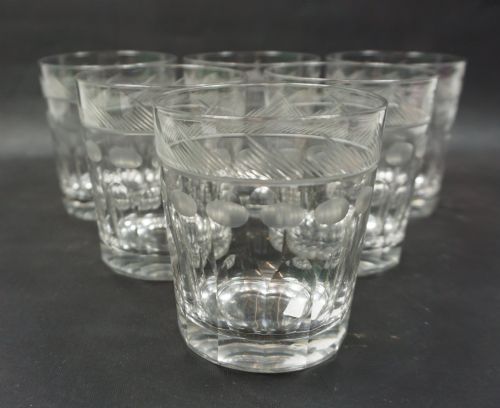
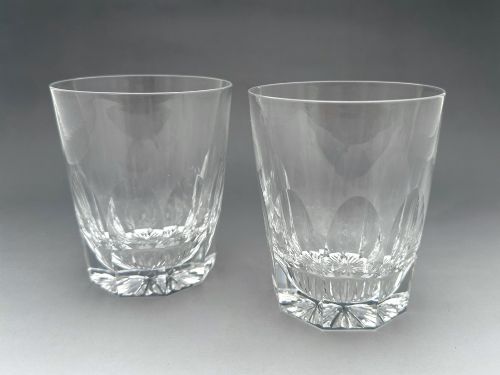
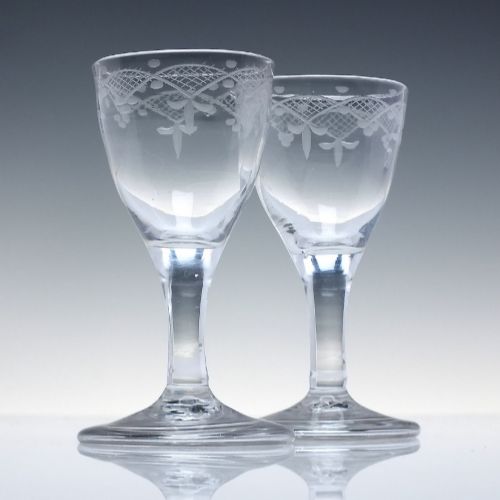
When you search for antique whisky glasses, you encounter a range of drinking vessels that spans Georgian dram glasses, heavy Victorian tumblers and early twentieth-century crystal pieces. The examples most commonly met on this page include small cut-glass tumblers, dram glasses with folded feet, and matched pairs or sets originating from English and Irish workshops.
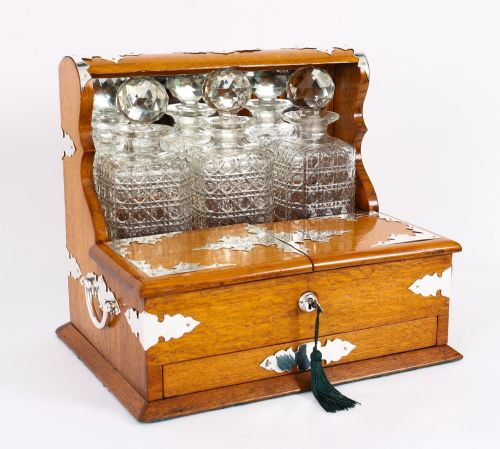
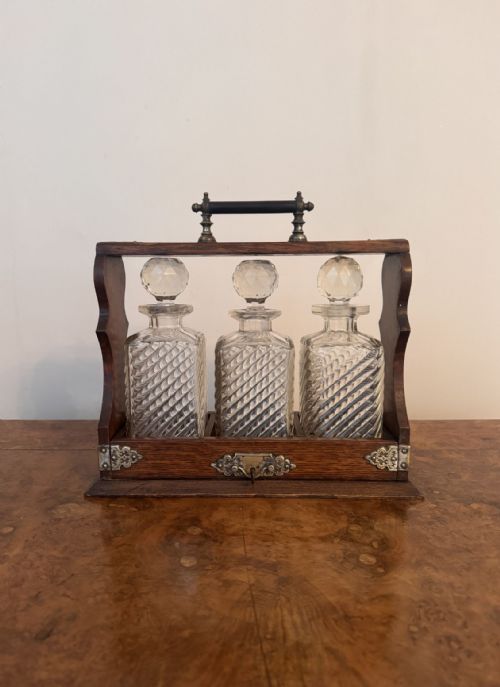
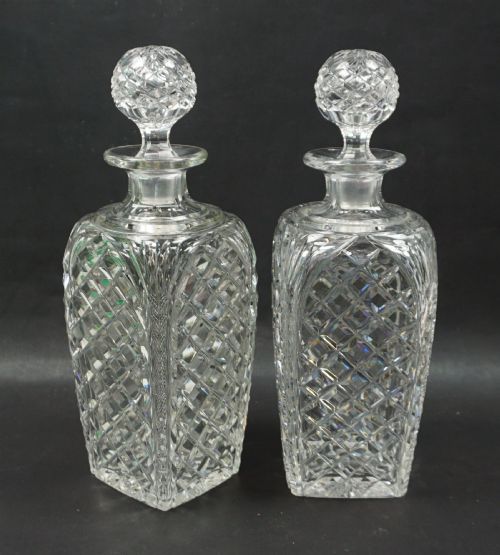
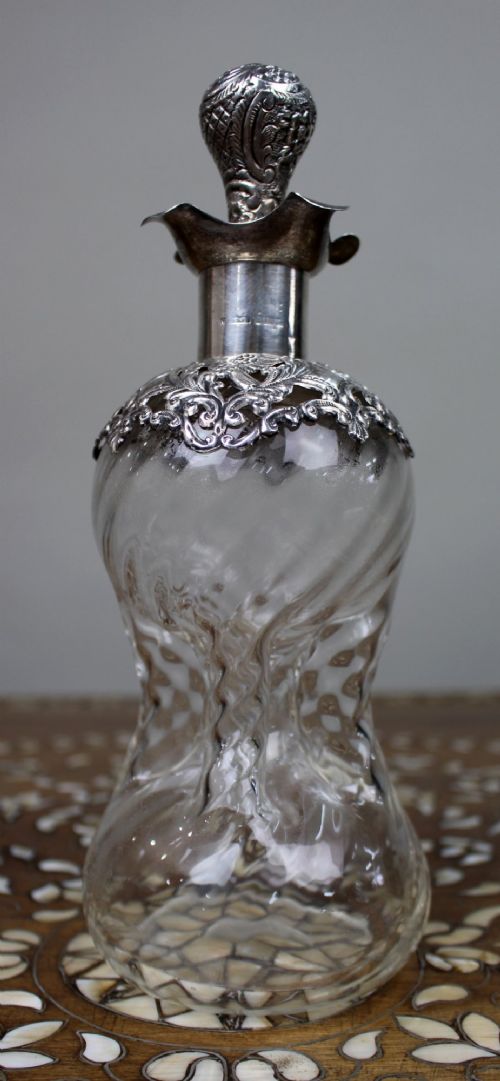
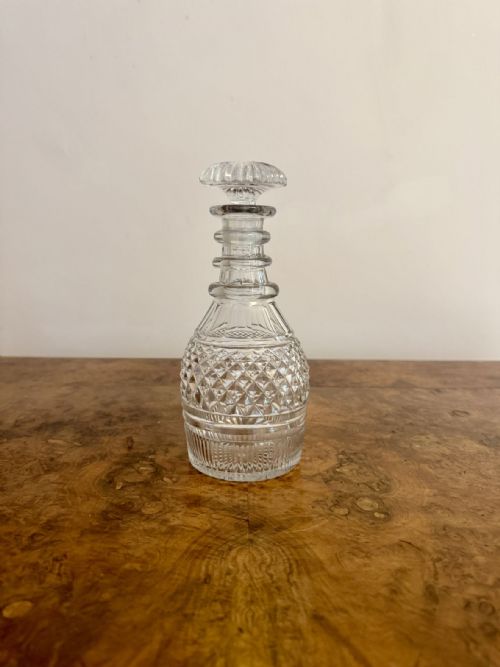
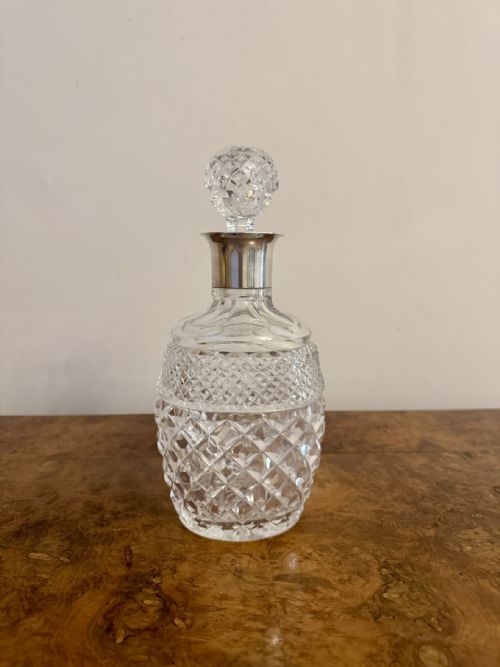
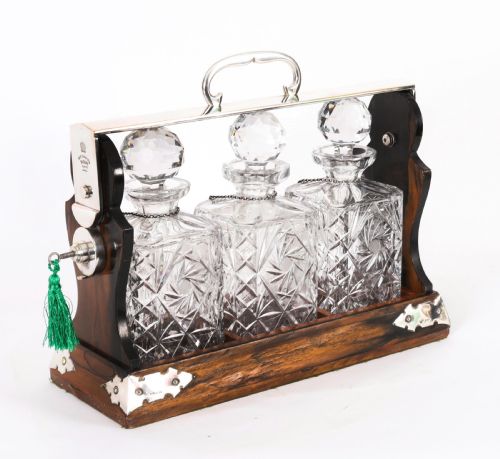
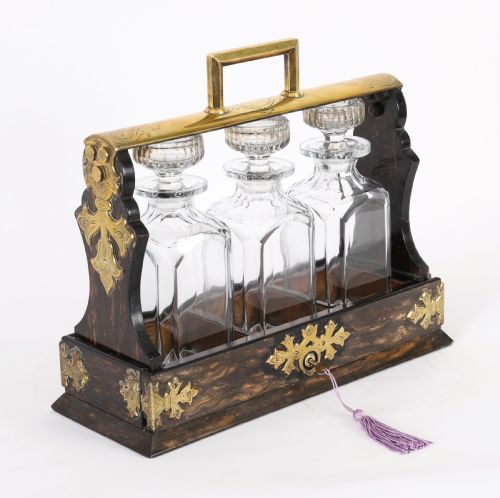
The forms extend beyond simple tumblers to encompass specialised vessels such as whisky noggins with sterling silver mounts, decanters, and complete tantalus sets housed in oak or coromandel wood. These pieces reflect the evolving social habits surrounding spirits, moving from small eighteenth-century drams to larger Edwardian and George V servings.
Materials and Techniques
The manufacture of these pieces relies heavily on lead crystal and standard glass, shaped by blowing and finished with hand-cut facets such as blaze and geometric patterns. Artisans utilised deep cutting techniques to catch the light, creating heavy, tactile walls that distinguish the glassware of the Georgian and Victorian periods.
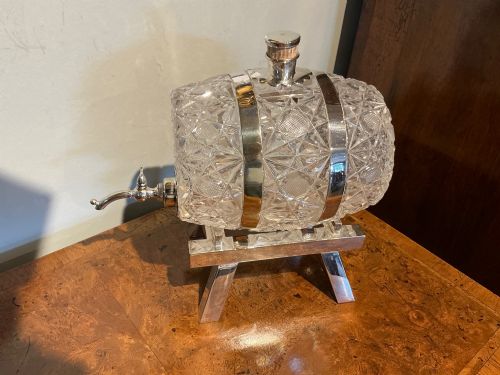
Precious metals form an integral part of the construction, with sterling silver and silver plate appearing as collars, mounts, hinged lids, and applied labels. Wooden frames in oak, satinwood, and coromandel provide secure housing for decanters and games compendiums, often fitted with functional locks and brass hardware.
Some nineteenth-century decanters carry enamelled labels spelling out specific regional blends like Glasgow Pigeon Blend.
Distinctions in Quality
The division between ordinary pieces and the finest examples rests on the crispness of the glass cutting and the weight of the metal mounts. Superior items display deep, sharp facets and heavy lead crystal bases that feel substantial in the hand, whereas lesser pieces show softer edges and lighter glass.
Craftsmanship in the metalwork further elevates a piece, distinguished by clear silver hallmarks, substantial gauge silver collars, and well-fitted mechanisms on noggins and tantalus frames. The integration of hand-engraved decoration or enamelled lettering indicates a higher grade of production intended for affluent households.
Betjemann·Asprey London
The Antique Whisky Glasses Glossary
- Tantalus
- A locking wooden frame designed to secure spirit decanters and prevent unauthorized access while displaying the bottles through glass or wood bars.
- Noggin
- A small vessel or miniature decanter used for serving a single portion of spirits, frequently fitted with a sterling silver collar and a matching label.
- Dram glass
- A small historical drinking glass intended for a measure of spirits, often characterised by thick bases and folded feet dating to the Georgian era.
- Mell decanter
- A specific bottle form with a broad body and tapered neck, commonly associated with Irish whiskey production in the early nineteenth century.
- Blaze cut
- A decorative cutting style featuring long, parallel flat facets that reflect light dynamically across the surface of heavy crystal glassware.
Antique Whisky Glasses: Frequently Asked Questions
What is a whisky noggin?
A whisky noggin is a small, single-serving decanter fitted with a silver mount and often accompanied by a small hinged lid and a matching spirit label. They were popular during the Victorian and Edwardian periods for individual use.
Many examples include a removable silver or ceramic tot cup resting atop the handle or neck for measuring the spirit.
How were tantalus sets used?
A tantalus held two or three crystal decanters securely within a locked wooden frame, typically made from oak or coromandel. The locking mechanism prevented servants or guests from accessing the contents.
These pieces served as functional household barware in Victorian and Edwardian drawing rooms, often incorporating games compendiums beneath the bottle storage.
Are these glasses safe to use?
Most antique crystal and glass drinking vessels remain suitable for occasional use with modern beverages, provided they are washed carefully by hand. The heavy lead crystal used in Victorian and Edwardian tumblers is robust enough for daily handling.
Avoid extreme temperature changes to prevent thermal shock, and keep pieces with silver mounts out of dishwashers to protect the metal.