


Lead Crystal Tumblers
Lead crystal tumblers bring genuine weight and clarity to the table, offering a satisfying hand-feel that mass-produced glassware simply lacks.
Lead Crystal Tumblers
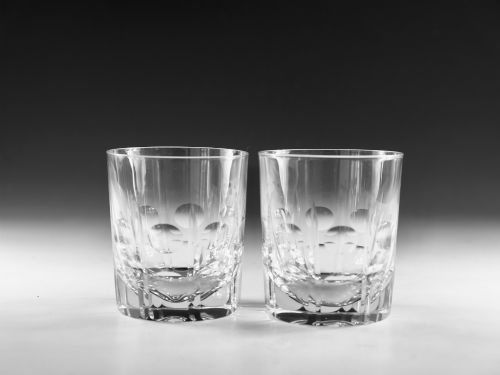
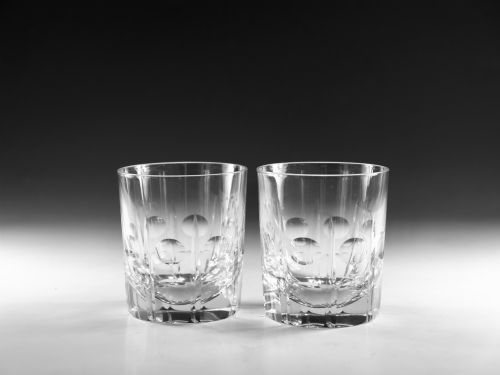
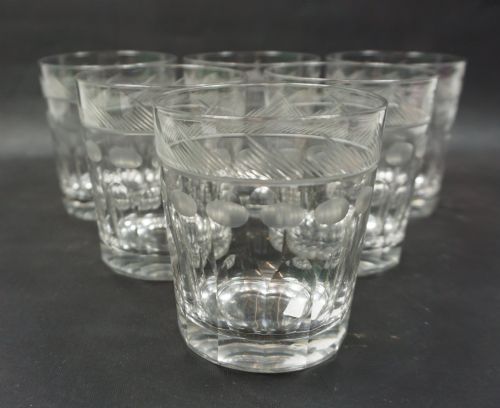
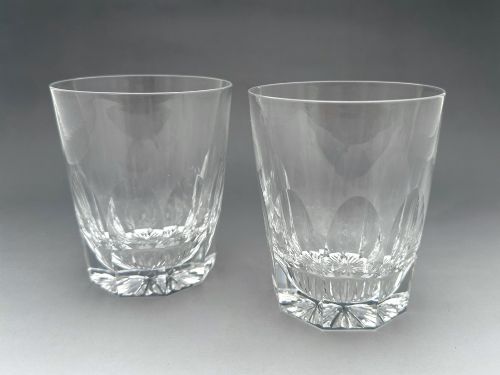
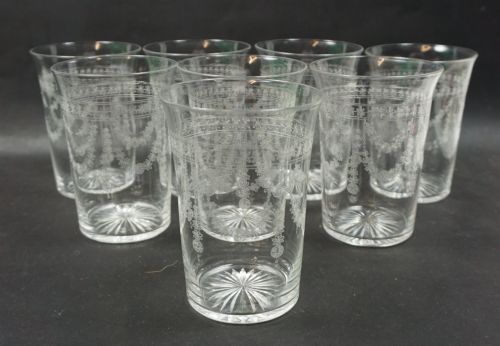
These items comprise heavy drinking vessels designed for spirits and water, ranging from Georgian and Regency forms to Victorian and Edwardian examples. When searching for lead crystal tumblers, buyers encounter everything from single flip glasses and gin glasses to large whisky tumblers and larger sets.
The pieces appearing most frequently on this page span the nineteenth and early twentieth centuries, including pairs and larger matched groups. English origins dominate the selection, alongside continental production from periods such as Art Deco.
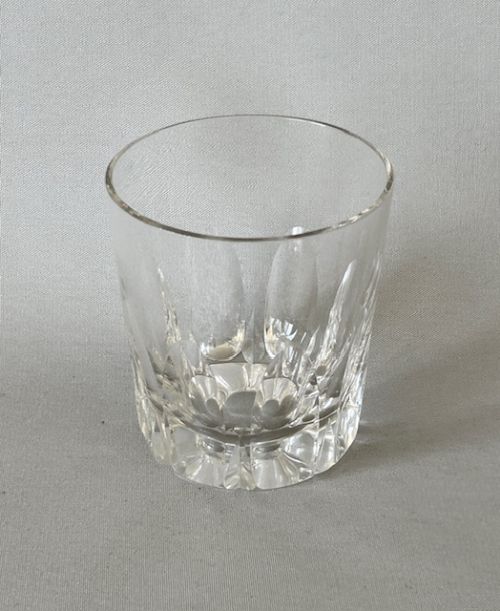
Forms vary from small nineteenth-century whisky tumblers to eighteenth-century gin glasses and complete decanter sets. Each piece demonstrates the heavy, substantial handle characteristic of lead glass manufacture across these eras.
Materials and Manufacture
Production relies upon lead crystal, crystal glass, and hand-blown glass shaped into robust drinking vessels. The inclusion of lead oxide increases the refractive index and weight, creating the characteristic sparkle and substance of these objects.
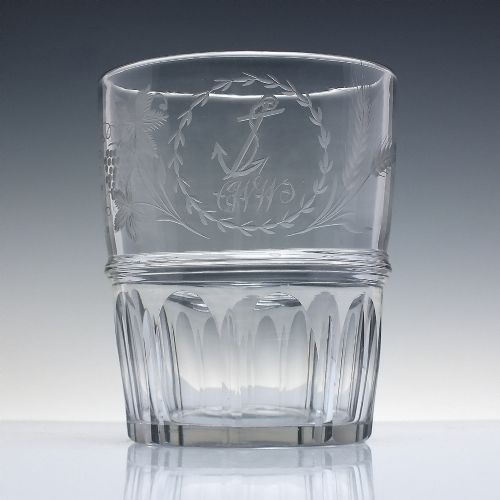
Decoration involves techniques such as wheel cutting, blaze cutting, acid etching, and hand enamelling. Makers applied these surface patterns to catch the light, utilising the thick walls of the lead glass to achieve deep facets.
Current listings feature items spanning the eighteenth century through to the Art Deco period of the 1930s.
Assessing Quality
Quality rests upon the crispness of the cut decoration and the clarity of the metal itself. Superior examples display sharp facet edges and brilliant transparency without cloudiness or heavy inclusions within the glass.
The weight and balance of the vessel dictate the standard of execution, alongside the precision of hand-etched or enamelled details. Earlier pieces often show minor surface irregularities from hand-blowing, which differentiate them from later machine-finished wares.
Karl Palda
The Lead Crystal Tumblers Glossary
- Lead crystal
- Glass containing a significant proportion of lead oxide, which adds weight, brilliance, and softness for easier cutting. This material is denser and more refractive than standard soda-lime glass.
- Blaze cut
- A type of broad, flat wheel-cut faceting that produces wide, reflective planes across the surface of the glass. It creates bold flashes of light when moved.
- Flip glass
- A tall, heavy-bottomed drinking glass with straight or slightly flared sides, traditionally used for small beer or mixed drinks in the eighteenth and nineteenth centuries. The thick base provided stability.
- Acid etching
- A decoration technique using hydrofluoric acid to eat patterns into the glass surface through a resist. This method produces frosted designs with soft edges.
- Hand enamelling
- The application of coloured vitreous enamels to the glass surface using a brush, followed by firing to bond the pigments. It adds opaque colour and metallic details to the design.
Lead Crystal Tumblers: Frequently Asked Questions
Can I use these for daily drinks?
These drinking vessels are robust enough for regular use with whisky, spirits, or water, provided you handle them with care. Their substantial weight makes them particularly pleasant for evening drinks.
Take care to avoid striking the rims against ice scoops or other glassware to prevent chipping the older lead metal.
How do I date older glassware?
Dating relies on examining the weight, the style of cutting, and any pontil marks on the base of the vessel. Earlier pieces often exhibit deeper hand-cutting and characteristic wear marks from use.
Comparing the rim thickness and the clarity of the crystal against documented periods helps establish a reliable timeframe.
Why are some tumblers heavy?
The high lead content in the batch formula increases the density and overall weight of the finished object. This heavy composition allowed makers to cut deeper facets without compromising the structural integrity of the vessel.
Heavier pieces indicate a higher proportion of lead oxide used by the glasshouse during production.