


Early 20th Century Glassware
These early 20th century glassware pieces offer striking decorative presence and practical utility across Edwardian, Art Nouveau, and Art Deco designs.
Early 20th Century Glassware
Early 20th century glassware encompasses a diverse array of functional vessels and decorative objects created during a period of rapid stylistic evolution. When you search for early 20th century glassware, you encounter items ranging from utilitarian barware to masterworks of decorative glass art.
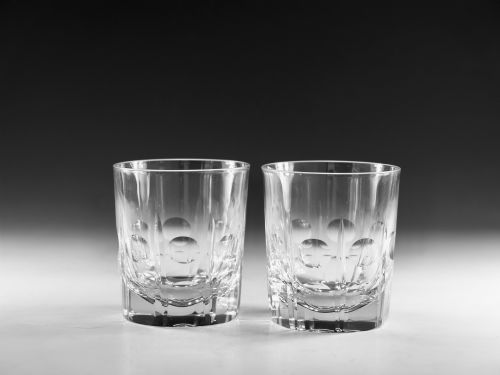
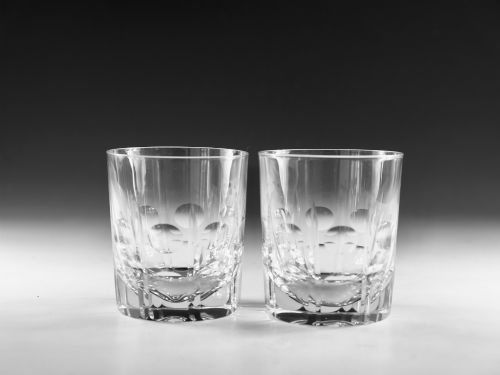
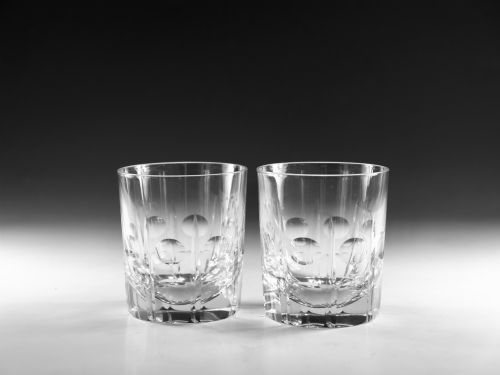
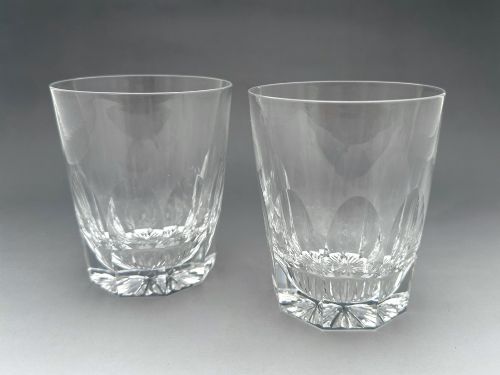
The selections available on this page most commonly include drinking vessels such as whisky glasses and tumblers, alongside large decorative vases and punch bowls. These pieces represent the changing aesthetic priorities of the Edwardian era, Art Nouveau, and the subsequent Art Deco movement.
Makers and workshops from this timeframe produced both mass-market household items and highly specialised art glass. The forms reflect the domestic and decorative habits of the period, spanning from simple apothecary carboys to intricate cameo and iridescent vessels.
Materials and production methods
Makers utilised clear glass, lead crystal, and frosted glass to achieve both transparency and texture in their finished vessels. Cut glass techniques involved deep wheel-cutting to create geometric or faceted surface patterns, frequently seen on heavy tumblers and punch bowls.
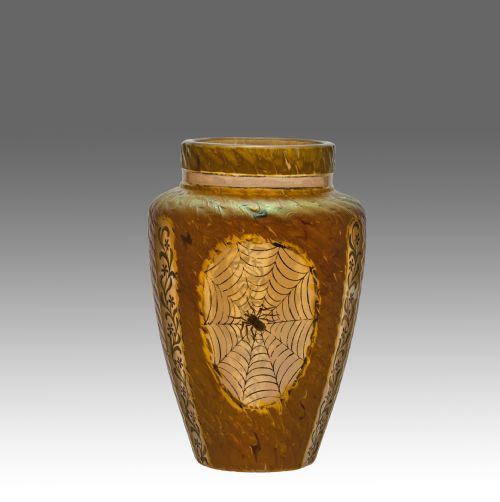
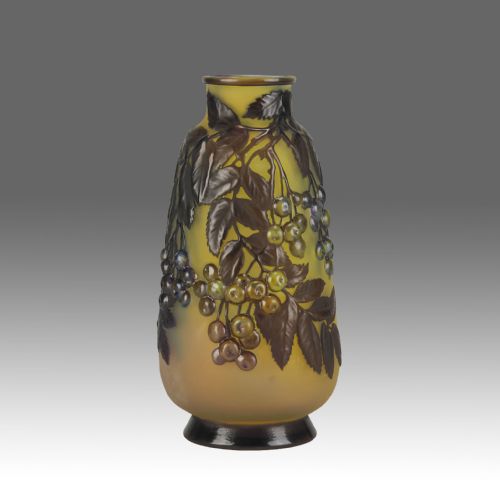
Specialised finishes defined the artistic output, including iridescent surfaces that catch the light and layered cameo glass created by acid-etching overlapping coloured strata. Enamel decoration added surface colour and detail to specific decorative plates and vases.
Early 20th Century Glassware Retail Price Guide 2026
Typical asking prices for early 20th century glassware among the pieces listed under this phrase on Sellingantiques today, from the lower quarter to the upper quarter. They describe what is for sale here now, not the wider market.
One punch bowl arrives specifically designated for Halloween use.
Assessing quality in the range
The distinction between standard domestic items and high-end artistic pieces rests upon the complexity of the manufacturing technique and the renown of the workshop. Master glassmakers achieved precision in mould-blowing, acid-etching, and surface layering that sets their output apart from routine production.
Weight, clarity, and depth of relief carving dictate the standing of individual items within this category. Heavy lead crystal with sharp, clean cutting sits at one end, while master-signed cameo and iridescent art glass represents the pinnacle of period craftsmanship.
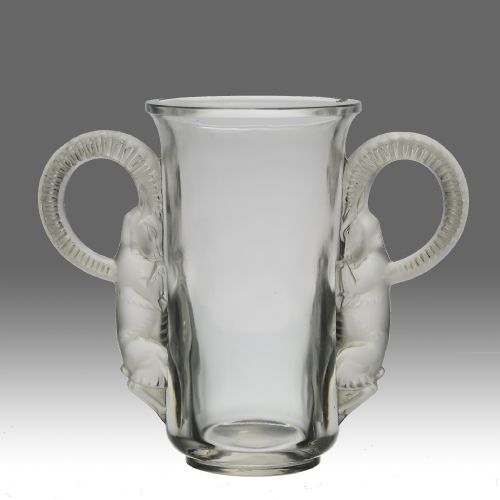
Kralik Glass·René Lalique·Gallé
The Early 20th Century Glassware Glossary
- Cameo glass
- Glassware formed with multiple layers of different coloured glass fused together and partially carved away to create a raised design. This demanding technique produces high-contrast pictorial motifs.
- Iridescent glass
- Glass treated with metallic salts while hot to produce a shimmering, rainbow-like sheen on the surface. This finish was heavily favored during the Art Nouveau period.
- Lead crystal
- A type of glass containing metallic lead oxide, which increases weight, clarity, and light refraction. It is commonly utilised for cut glass tumblers and heavy vessels.
- Frosted glass
- Glass rendered opaque through acid-etching or sandblasting to diffuse light and soften the exterior appearance. It provides a tactile, matte contrast to clear sections.
- Enamel
- A fused glassy substance applied to the surface of glassware for decoration and colour. It allows for painted details that are subsequently fired onto the piece.
Early 20th Century Glassware: Frequently Asked Questions
Can I use these vintage glasses for drinking?
Many items such as the lead crystal whisky glasses and tumblers were made specifically for daily beverage consumption. They remain entirely functional for modern use.
Ensure you check each vessel for any structural vulnerabilities before pouring liquids, particularly if the glass is exceptionally thin or antique.
What defines Art Nouveau glassware?
Art Nouveau pieces typically feature organic forms, flowing lines, and iridescent surfaces inspired by natural structures. Makers embraced fluid shapes and botanical motifs.
Techniques like those used by Kralik and Gallé exemplify this shift toward pictorial and atmospheric glass art around the turn of the century.
How do I identify Art Deco glass?
Art Deco design relies on geometric symmetry, stylised patterns, and clean lines rather than the flowing curves of Art Nouveau. Pieces by René Lalique demonstrate this architectural approach.
Clear glass and frosted finishes with bold, repeating motifs dominate this subsequent stylistic period of the 1920s and 1930s.
What is the difference between cut glass and moulded glass?
Cut glass involves physically grinding and polishing patterns into a blank vessel using a wheel, resulting in sharp edges and deep facets. It feels heavy and precise.
Moulded glass is shaped by being pressed or blown into a form, which generally leaves softer lines and allows for rapid production of patterned items.