
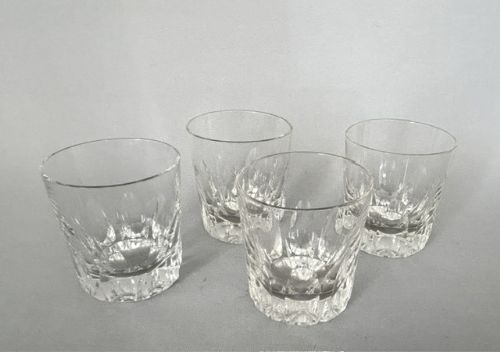
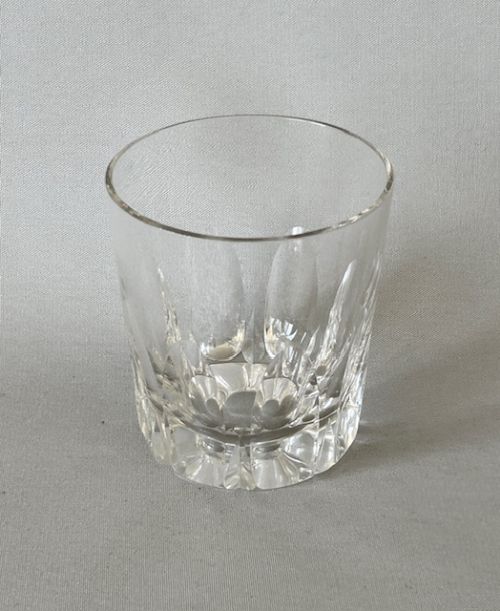


Heavy Cut Crystal Glasses
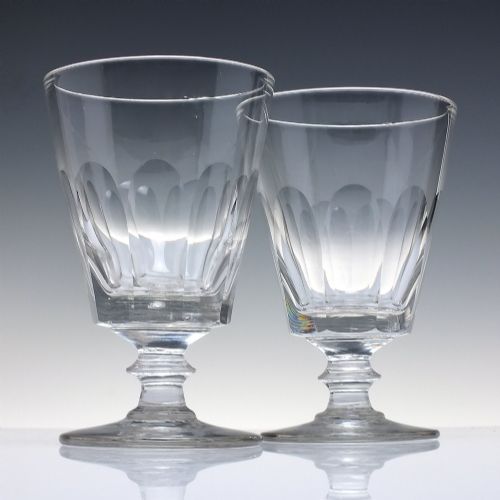
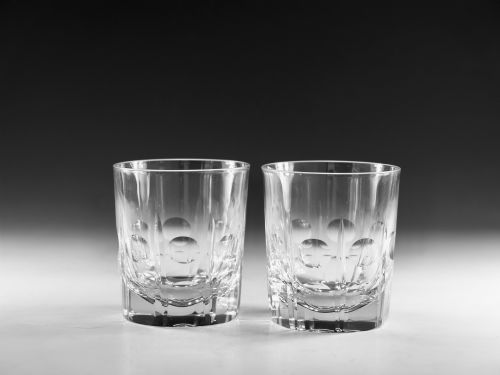
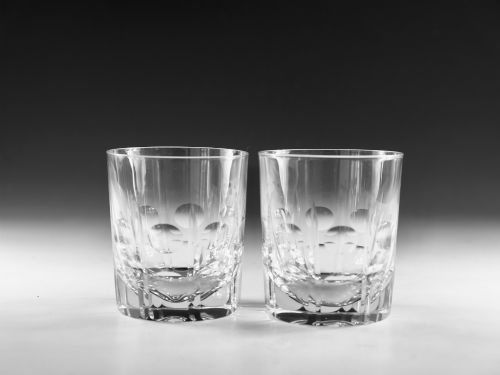
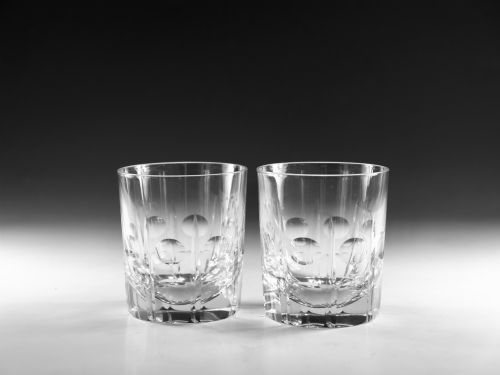
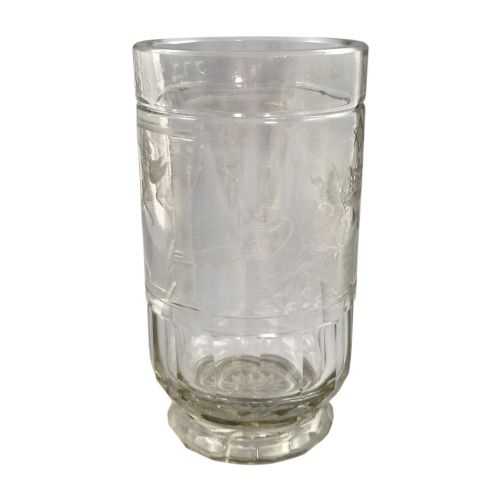
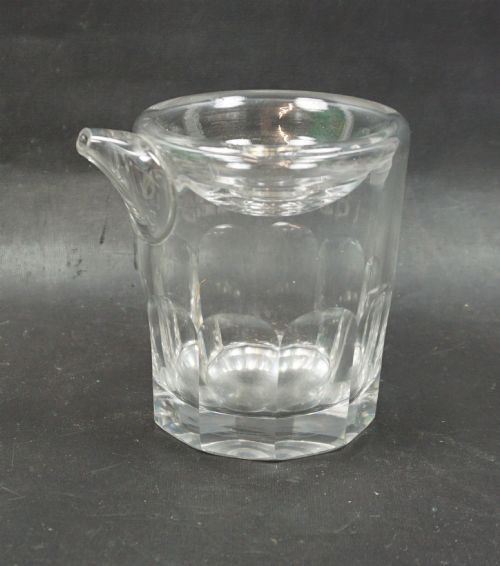
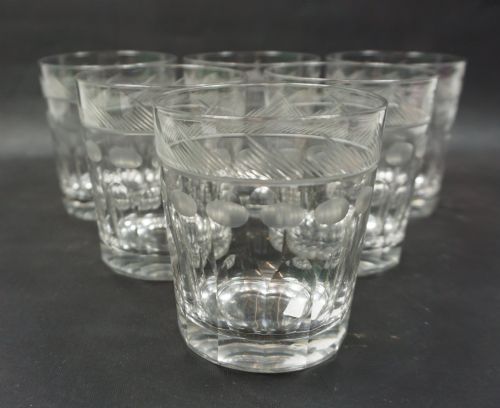
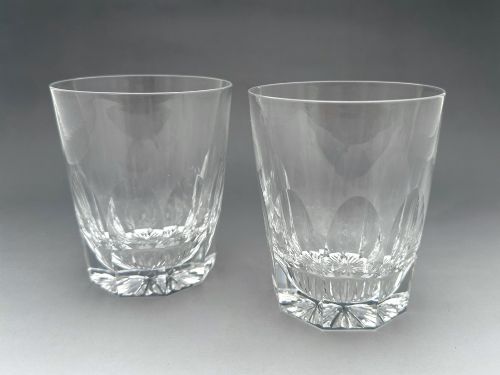
These heavy cut crystal glasses bring genuine tactile weight and refractive brilliance to the table, offering a tangible connection to nineteenth and twentieth-century drinking traditions.
Heavy Cut Crystal Glasses
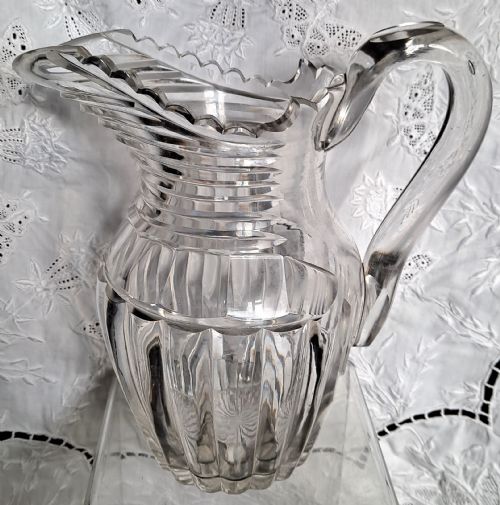
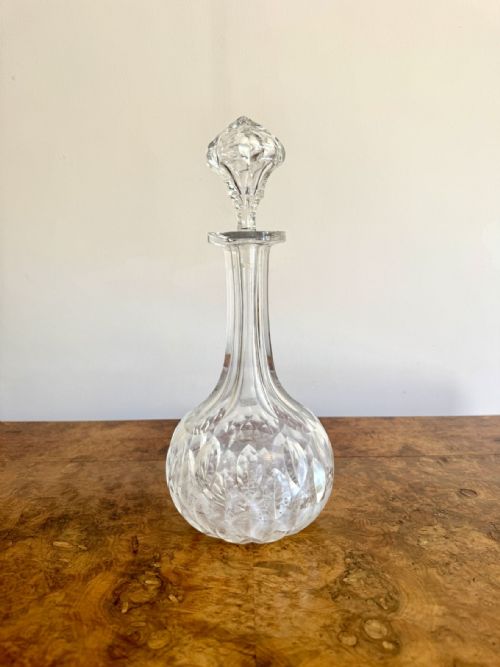
When searching for heavy cut crystal glasses, buyers encounter a functional array of drinking vessels, decanters, and serving pieces designed for daily hospitality or ceremonial use. The selection spans distinct historical eras, ranging from Georgian and Regency productions to Victorian, Edwardian, and Art Deco creations.
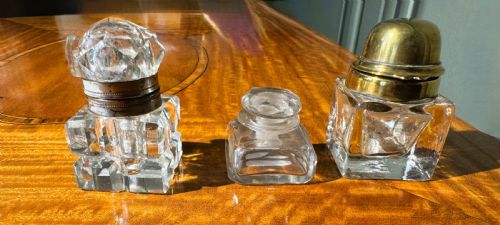
The most common forms appearing in this category include sets of whiskey tumblers, rummers, and decanters. Alongside these drinking vessels, related pieces such as water jugs, fruit bowls, inkwells, and table lamps emerge in matching heavy cut glass.
Origin points primarily trace to English and Bohemian workshops, reflecting diverse regional cutting traditions. Pieces range from straightforward nineteenth-century spirit containers to modernist Belgian productions and multi-piece cruet sets.
How they were made
Makers produced these objects by combining heavy lead crystal or glass compositions with manual blowing and deep wheel-cutting techniques. Artisans applied significant physical force to shape the material and carve precise geometric patterns into the thick walls.
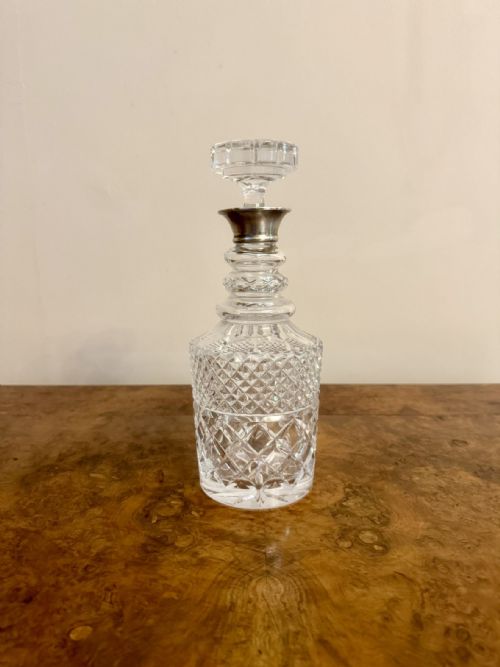
Certain items incorporate secondary materials to complement the glass body, notably sterling silver collars, silverplate mounts, and baluster stems. These additions required specialist silversmithing alongside the primary glass-cutting craft.
The listings feature drinking vessels, decanters, inkwells, table lamps, and fruit bowls originating from English and continental makers.
What varies in quality
Quality diverges according to the crispness of the wheel-cut facets and the depth of the pattern carved into the crystal. Superior examples display sharp, clean geometric edges that catch the light efficiently, whereas lesser pieces show softer, shallower incisions.
The overall heft and clarity of the lead crystal composition dictate the tactile presence of the vessel. Heavier, purer crystal formations provide a resonant ring and superior refractive qualities that lighter or ordinary glass compositions lack.
Charles Graffart for VSL·Joseph Simon for Val St Lambert·Tiffany and Co
The Heavy Cut Crystal Glasses Glossary
- Lead crystal
- Glass containing a substantial proportion of lead oxide, which increases density, weight, and light dispersion. This material permits deeper and sharper facet cutting.
- Rummer
- A large, sturdy drinking glass originating in the eighteenth and nineteenth centuries, typically utilised for ale, wine, or punch. They often stand on short, thick stems with rounded bowls.
- Ship's decanter
- A specialised decanter with a wide base and sloping sides designed to prevent tipping during maritime travel. They frequently feature heavy cut rings around the neck for secure handling.
- Cut to clear
- A decorative technique where a coloured glass layer coats a clear crystal body, then portions of the surface colour are cut away to reveal the clear glass beneath.
Heavy Cut Crystal Glasses: Frequently Asked Questions
How do I clean old cut crystal?
Wash heavy cut crystal glasses by hand in warm, soapy water using a soft cloth to protect the sharp edges of the facets. Avoid sudden temperature changes to prevent thermal shock and cracking.
Dry the pieces immediately with a lint-free linen cloth to maintain their refractive sparkle and prevent water spots from forming on the deep cuts.
Can I use these glasses daily?
These robust vessels were engineered for practical domestic hospitality, meaning their substantial lead crystal walls withstand regular handling. Many owners enjoy utilising antique tumblers and rummers for evening spirits and water.
Hand-washing remains essential for daily maintenance, as modern dishwashers can dull the brilliant polish and damage fragile silver collars or mounts.
How do I tell Victorian from Edwardian pieces?
Victorian heavy cut crystal glasses generally feature deeper, more exuberant cutting patterns combined with massive proportions and substantial wall thicknesses. Silversmithing on these pieces often displays heavier hallmarked mounts.
Edwardian examples often lean towards lighter, more refined geometric arrangements or refined floral motifs, reflecting changing neoclassical and arts and crafts preferences in table settings.
What is a rummer used for?
Rummers served as general-purpose drinking vessels in British households during the Georgian and Victorian eras, accommodating ale, cider, or wine. Their sturdy build made them suitable for communal dining tables and taverns.
The heavy baluster stems and thick bowls provided a secure grip and kept beverages cool during lengthy meals.