
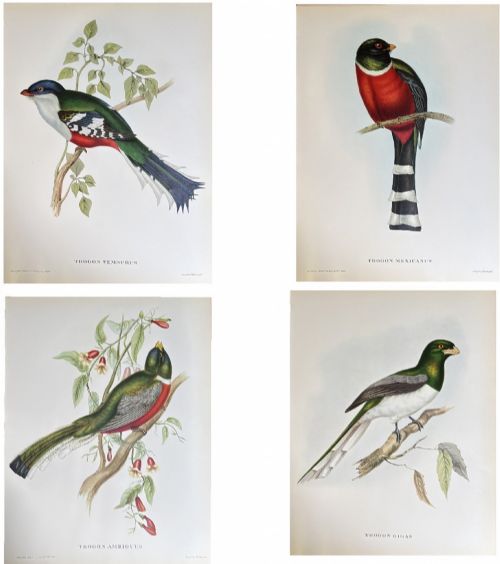
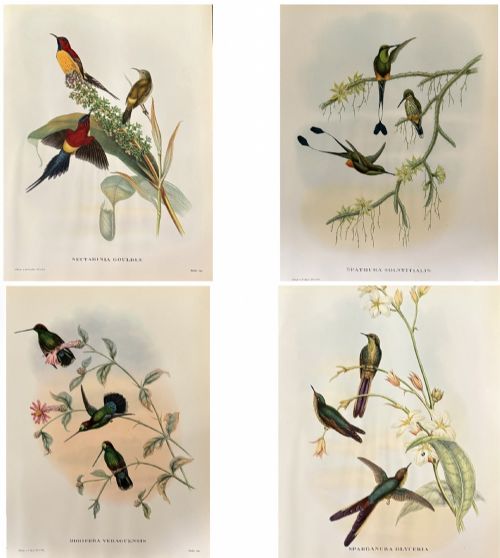
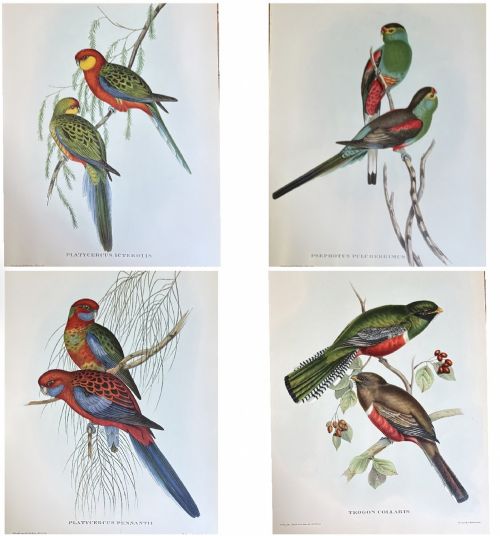
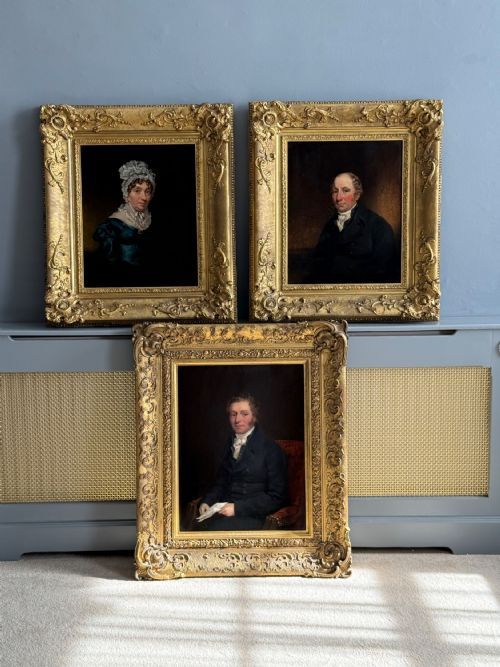
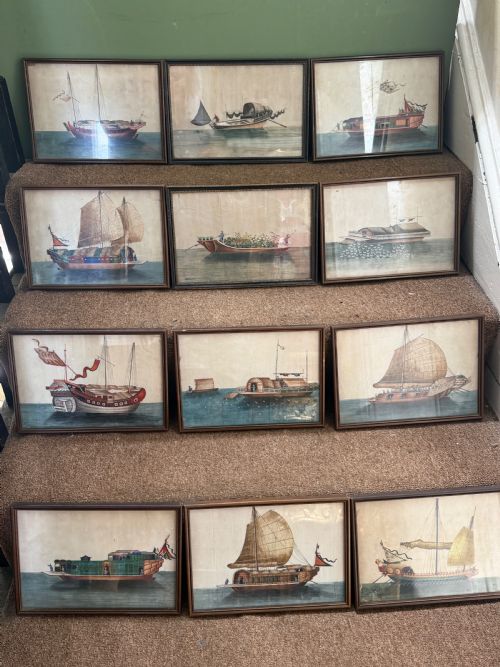
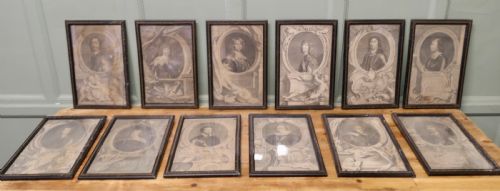
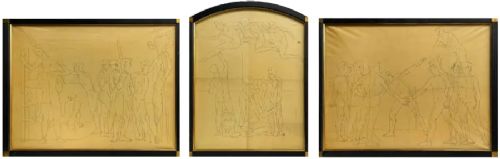
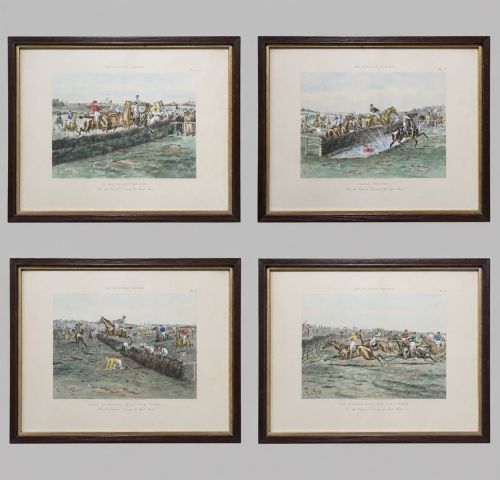

Antique Wall Art Set
These antique wall art set pieces bring matched historical scenes and prints directly to your walls.

Defining the antique wall art set
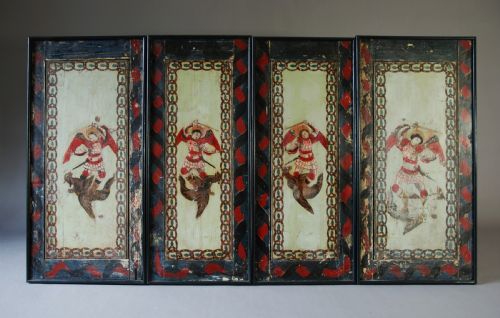
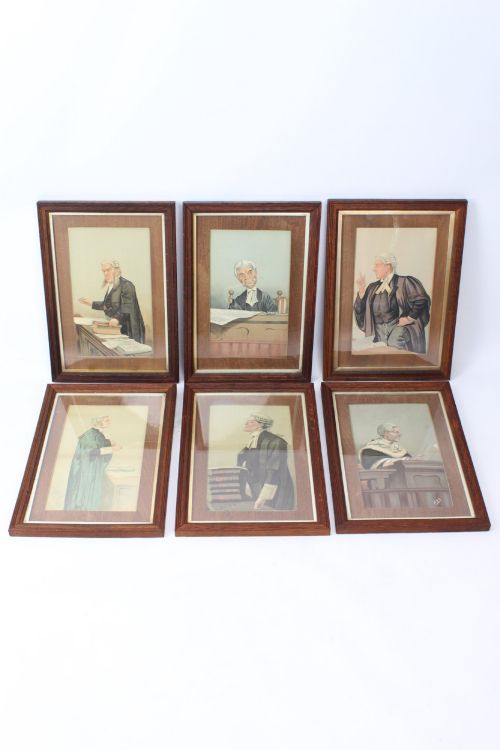
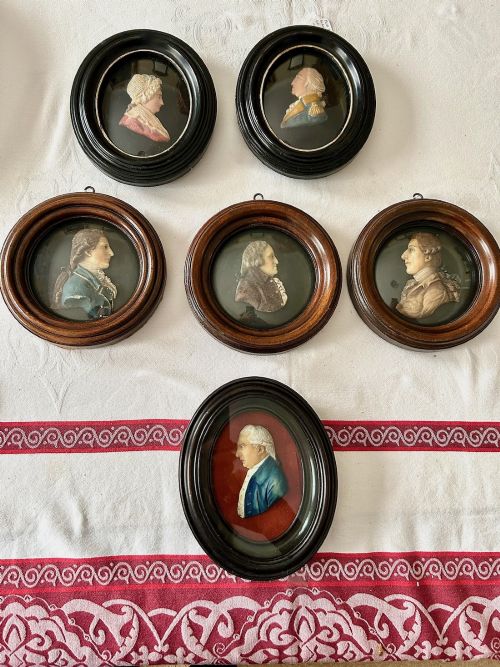
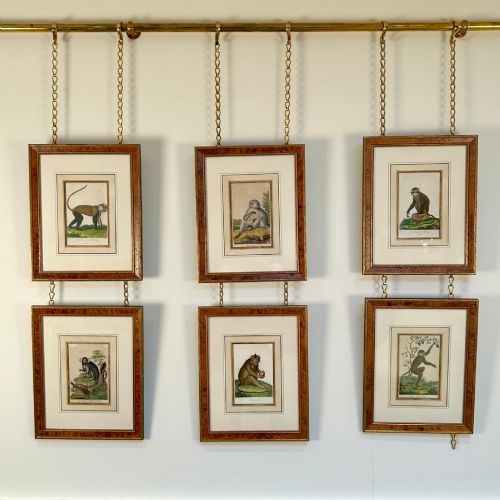
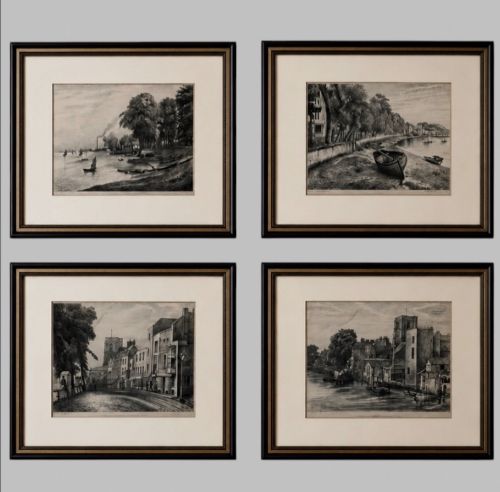
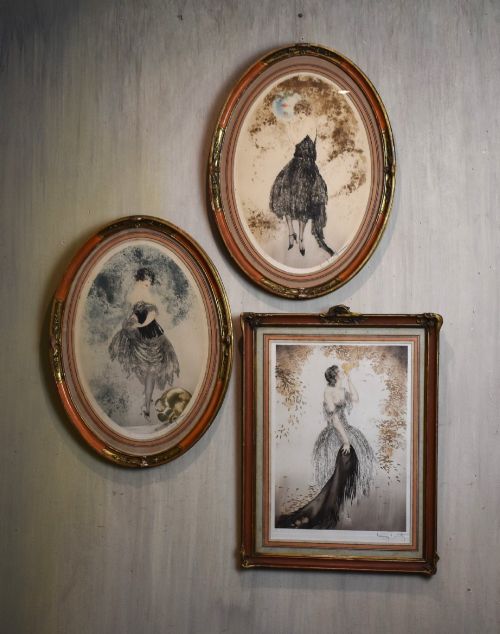
An antique wall art set gathers coordinated groupings of framed prints, paintings and engravings designed to display together. Buyers seeking an antique wall art set encounter matched multiples from the Regency, Victorian and Edwardian eras.
The selection ranges from sets of four reverse glass engravings to series of six lithographs and mezzo tints. These groupings preserve decorative series intended for unified domestic display.
Materials and construction
Makers utilised paper, watercolour and ink for the primary imagery, applying traditional printing and painting techniques. Frames incorporate wood, maple and giltwood to complement the enclosed artworks.
Specialised techniques such as reverse glass engraving and mezzotint production create distinct visual depths within the framed sets. Glazing protects the delicate paper and pigment surfaces from environmental damage.
Retail Price Guide 2026
Typical UK retail prices for wall art set, calculated from the Sellingantiques database of over a million retail prices indexed since 2003. This retail price guide relies exclusively on Sellingantiques data; no external sources or auction records are used, so the figures do not describe the wider market.
Listings feature paper, glass, maple and giltwood across pieces spanning the Regency, Victorian and Edwardian periods.
Assessing quality and craftsmanship
Superior sets maintain their complete original grouping and matching frames, whereas lesser examples often show mismatched elements or later replacements. The crispness of the printing plate impression and the preservation of the original pigments distinguish finer works.
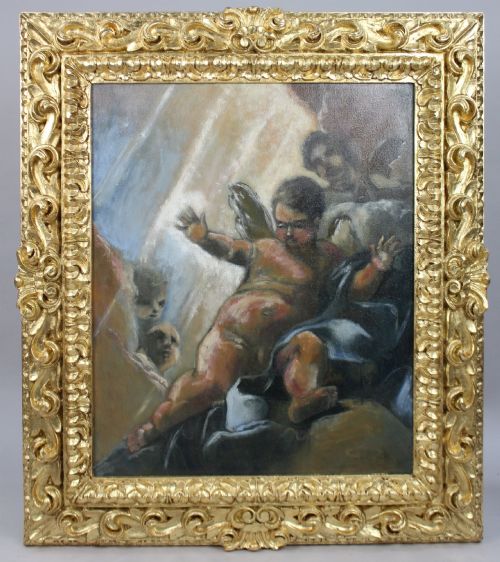
Original giltwood and maple frames with intact gilding elevate the status of a set compared to those housed in plain or later mouldings. Cohesion across the entire multi-piece suite governs the overall desirability.
The Antique Wall Art Set Glossary
- Mezzotint
- A printmaking process of the tonal engraving category that produces rich dark tones and subtle gradations. This technique allows for remarkably smooth transitions between light and shade.
- Reverse glass engraving
- An artwork technique where the design is applied directly to the rear side of a glass panel. Viewed from the front, the glass provides a glossy protective surface.
- Lithograph
- A planographic print method using a stone or metal plate to hold grease-based ink. It became the primary method for producing multi-plate colour series in the nineteenth century.
- Giltwood
- Timber that has been coated with a thin layer of gold leaf or powder. This finish brightens decorative frames and catches interior candlelight or daylight.
Frequently Asked Questions
How should I hang a matched set?
Arrange the pieces at eye level with consistent spacing to preserve the visual rhythm intended by the original publisher or artist.
Keep the grouping away from direct sunlight to protect the fragile watercolours and paper from fading over time.
Are original frames important?
Original frames provide historical context and ensure the proportions match the aesthetic of the period correctly.
Matched frames across every piece in a multi-part set significantly enhance the visual impact on the wall.
How do I care for antique prints?
Maintain stable indoor humidity levels to prevent the paper supports from warping or developing foxing spots.
Use professional framing methods with acid-free backing boards whenever re-framing or conserving older works.
What periods do these sets span?
The available groupings primarily date from the Regency era through the Victorian and Edwardian periods up to the early twentieth century.
Each era brings distinct framing styles and printing technologies that define the visual character of the set.