
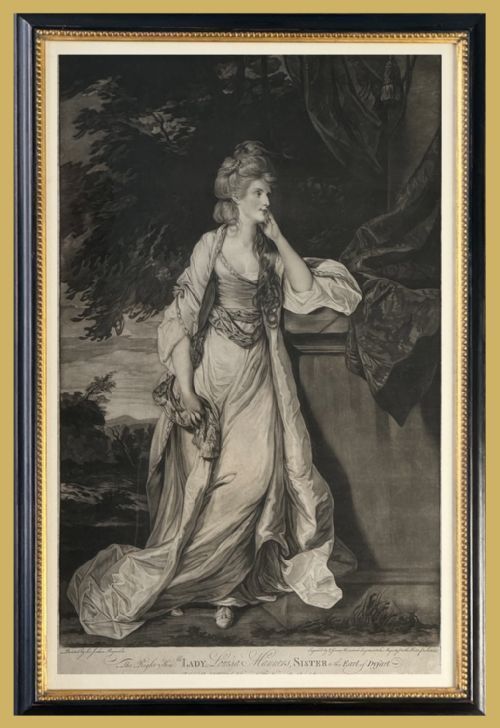
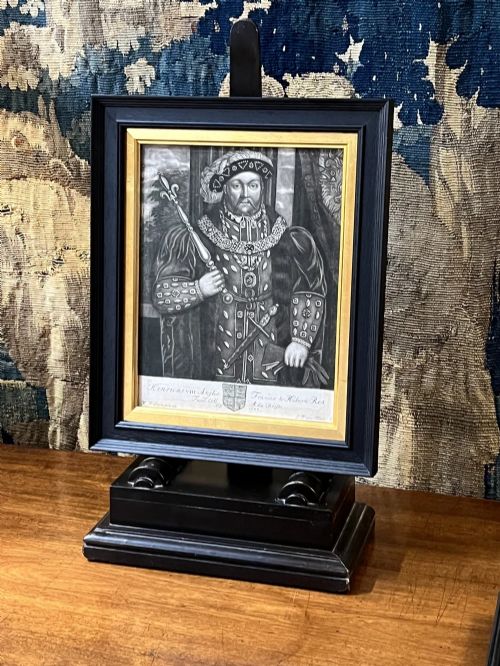
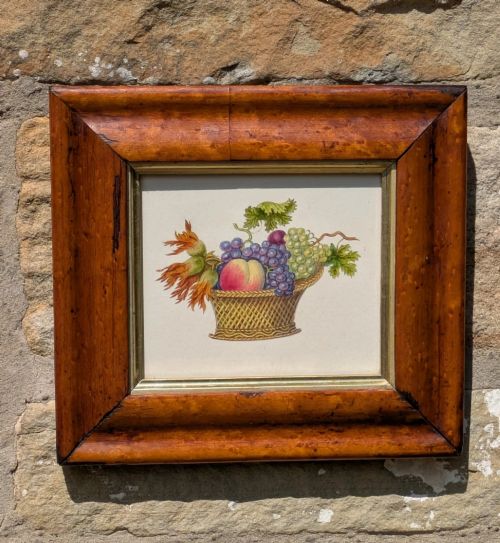
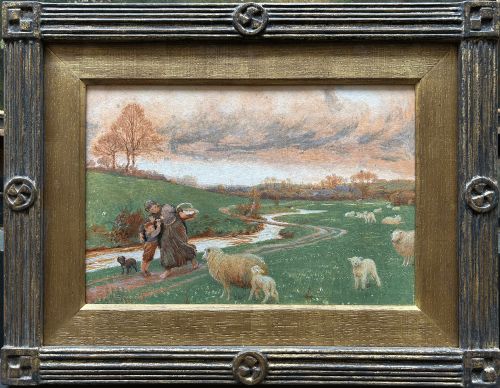


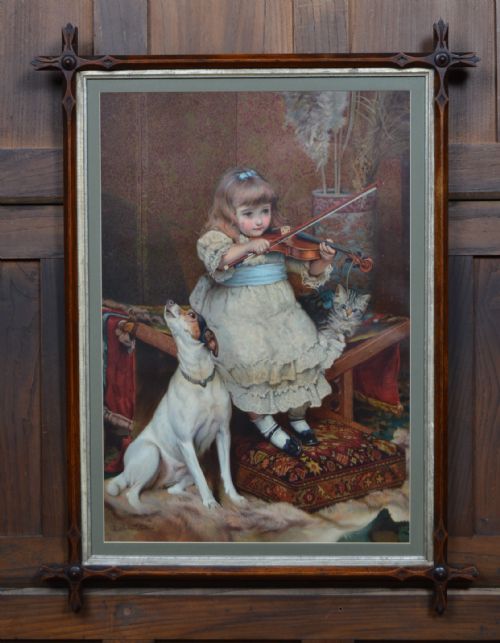


Gilt Slip Framed Prints
These gilt slip framed prints bring period wall art into a room, offering classic portraits and scenes with a distinctive inner gold edge.
Gilt Slip Framed Prints
When you search for gilt slip framed prints, you encounter wall art, framed prints, and framed paintings set within timber and gold borders.
The selections span the eighteenth century, the regency era, and the victorian period, presenting subjects from historical figures to fruit in baskets and architectural views.
You meet engravings, mezzotints, watercolours, tinsel pictures, reverse glass engravings, and chromolithographs enclosed in these distinct frames.
How they were made
Makers utilised paper, wood, and glass, applying gold leaf to the inner slip framing the ink, watercolour, or printed image.
Maple veneer and solid timber formed the outer mouldings, housing delicate works such as chromolithographs and reverse glass engravings.
Current listings feature paper, wood, glass, gold leaf, ink, maple, watercolour, and maple veneer across eighteenth-century and nineteenth-century eras.
What varies in quality
The finesse of the original printmaker or artist defines the visual weight of the piece, distinguishing finely executed mezzotints and detailed watercolours from standard reproductions.
The crispness of the framing, particularly the application of gold leaf on the inner slip and the condition of the timber or maple veneer, determines the overall character.
The Gilt Slip Framed Prints Glossary
- Gilt slip
- A narrow inner frame or border coated in gold leaf, placed between the outer wood moulding and the glass or artwork.
- Mezzotint
- A printmaking process of the intaglio family, done on copper, allowing smooth graduations of tone and dark fields.
- Chromolithograph
- A colour lithographic print produced through the application of multiple stones, each carrying a different ink.
- Reverse glass engraving
- An image applied to the rear surface of a glass sheet, often viewed from the front with added metallic foil.
- Tinsel picture
- A nineteenth-century form of collage art utilising coloured foil, silk, and printed figures to create decorative portraits.
Gilt Slip Framed Prints: Frequently Asked Questions
What periods do gilt slip framed prints come from?
These decorative works span the eighteenth century, the regency era, and the victorian period.
The styles reflect georgian portraiture, regency views, and victorian idyllic scenes.
How should I hang gilt slip framed prints?
Ensure they are placed away from direct sunlight to protect the paper, ink, and gold leaf on the inner slip.
Secure them using appropriate fixings suited to the weight of the timber and glass.
What materials make up the frames?
The frames incorporate wood, maple veneer, and gold leaf applied to the narrow inner slip.
Glass protects the surface of the paper prints, engravings, and watercolours within.
How do I identify a regency piece?
Regency items often include architectural subjects like brighton pavilion, reverse glass engravings, or tinsel pictures.
The frames and artistic subjects align with the aesthetic of the early nineteenth century.