



Georgian Reverse Glass Art
Georgian reverse glass art brings together delicate glass plates, oil paint, and gold leaf to create portraits and historical scenes viewed from the unpainted side.
Georgian Reverse Glass Art
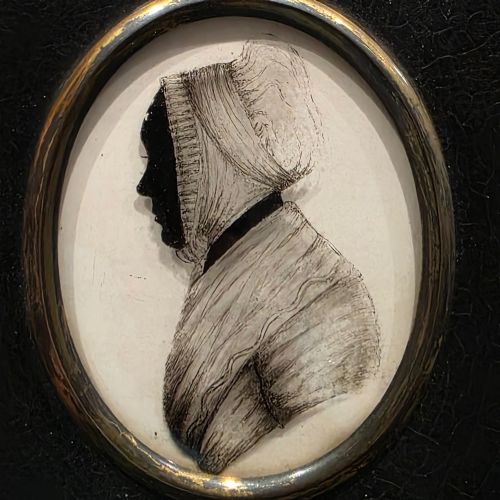
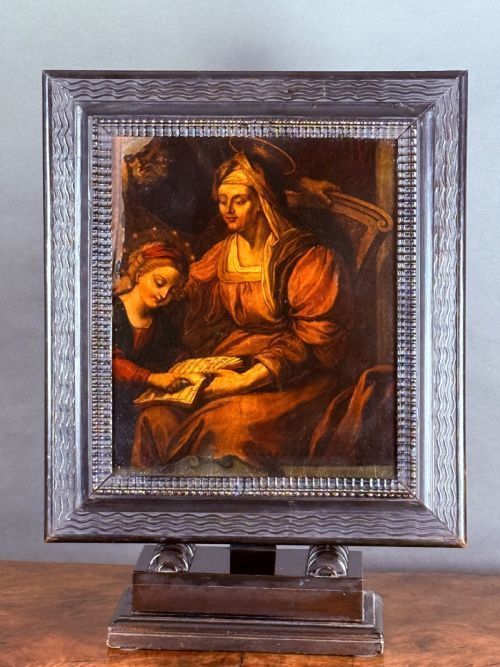
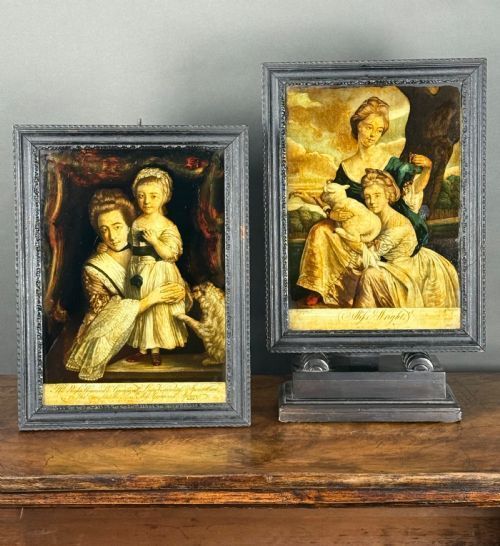
Georgian reverse glass art comprises wall art, portrait miniatures, and framed prints produced primarily across the eighteenth and nineteenth centuries. These decorative objects display distinct subjects ranging from royal portraits and classical religious themes to domestic genre scenes and military figures.
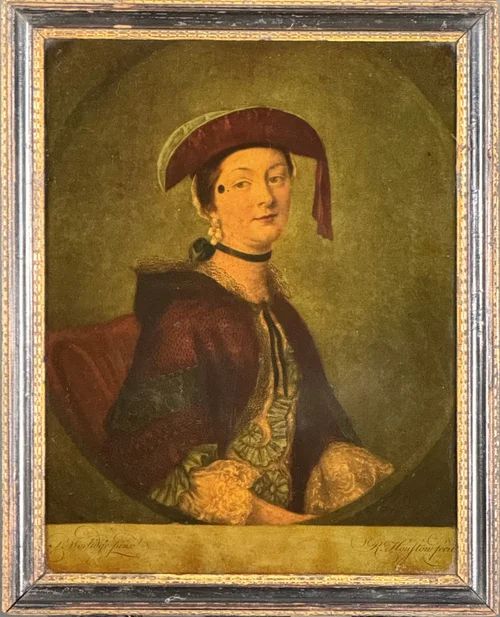
Collectors encounter pieces spanning the Georgian, Regency, and early nineteenth-century periods, alongside occasional later items like twentieth-century reproductions. The selection includes both hand-painted silhouettes and transfer-printed mezzotints transferred onto glass panels before receiving pigment by hand.
The physical form relies on the inversion of standard image-making, requiring the artist or printer to apply the finest details and foreground elements first. This meticulous layering means the finished visual narrative emerges correctly oriented only when viewed through the smooth glass surface.
Materials and technique
The creation of these works depends on glass sheets combined with oil paint, pigment, and occasionally gold leaf or paper elements. Artisans apply oil pigments and inks directly to the reverse side of the glass, building the composition backwards from the highlights to the deepest shadows.
Mezzotint prints and engravings serve as the foundational base for many examples, which are then meticulously coloured by hand using subtle washes of oil paint. Wood frames typically house the finished glass panels, protecting the fragile pigment layers sealed behind the transparent surface.
Materials documented across the pieces include glass, wood, paper, oil paint, pigment, gold leaf, and oil pigment.
Defining quality in execution
Quality rests in the precision of the hand-applied brushwork and the delicacy with which the underlying mezzotint or silhouette detail is preserved. Finer examples display meticulous facial expressions and controlled pigment application that avoid obscuring the crisp lines of the engraved print beneath.
The brilliance of the surviving gold leaf and the vibrancy of the original oil paint pigments significantly elevate the visual impact of a piece. Superior works maintain their structural clarity and colour integrity across the glass surface without extensive flaking or pigment loss.
Fletcher·Sebastiaan Vrancx·Charles Spooner·Richard Purcell·Frye·Abraham Cooper·W. Bishop·Richard Phillips
The Georgian Reverse Glass Art Glossary
- Reverse glass painting
- An artwork painted directly onto the back of a glass sheet so that the final image appears correctly when viewed from the front. This technique requires the artist to paint background elements last.
- Mezzotint
- A printmaking process where the copper plate is roughened to achieve rich tonal gradations, often utilised as the foundational print in these glass works before being hand-coloured.
- Silhouette
- A solid dark profile portrait, usually of a person, cut from paper or painted directly onto glass during the Georgian and Regency periods.
- Eglomise
- A process of applying design and gilding to the rear face of glass, creating a reflective mirror-like finish often seen on frames and decorative panels.
- Chinese export
- Goods manufactured in China specifically for the European market, encompassing reverse-painted mirrors and panels styled to Western tastes during the eighteenth century.
Georgian Reverse Glass Art: Frequently Asked Questions
How were these glass pictures displayed?
These pieces were primarily hung on interior walls as decorative art, framed in timber to protect the fragile glass panels.
Their reflective surfaces added luminosity to Georgian and Regency rooms, catching ambient candlelight and daylight alike.
What subjects are most common?
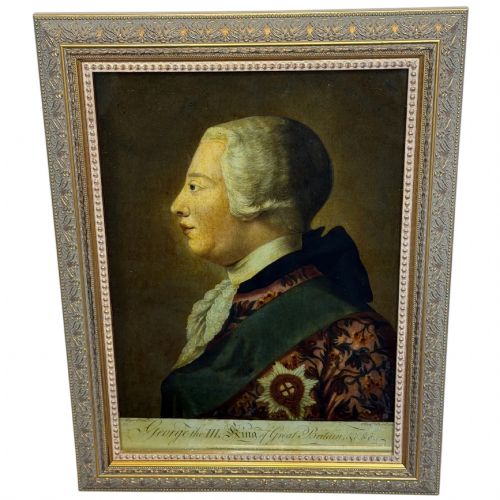
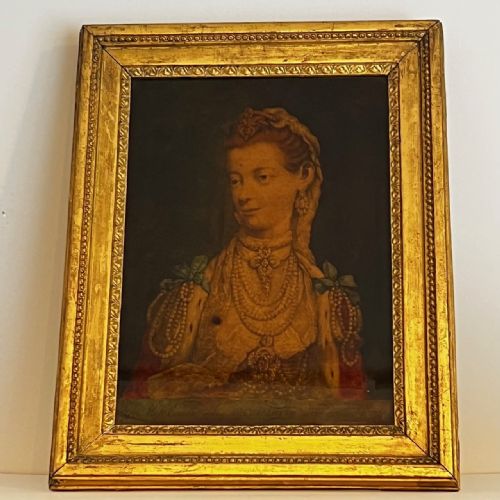
Portraits of royalty, prominent political figures, and society beauties dominate the surviving corpus alongside literary, religious, and sporting themes.
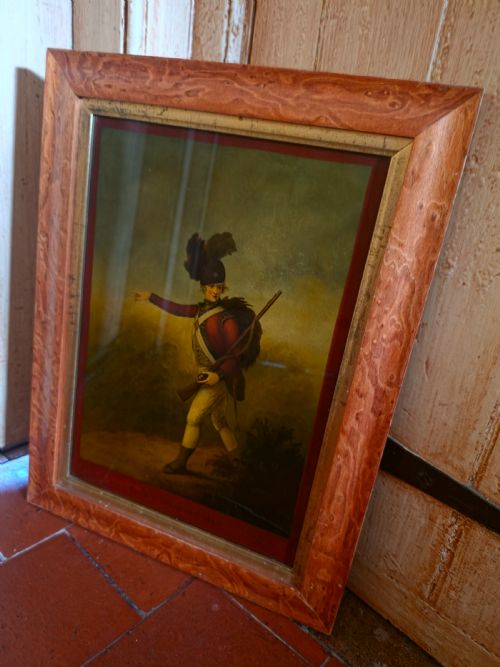
Military subjects, such as infantrymen and battle scenes, also appear frequently among Regency examples.
How do I care for reverse glass art?
Keep these fragile items away from direct sunlight and excessive moisture to prevent the oil pigments and gold leaf from degrading.
Clean the glass surface gently with a dry microfiber cloth, avoiding liquid cleaners that might seep behind the panel.
How do you distinguish Georgian from Regency pieces?
Georgian examples often lean towards classical portraits, religious subjects, and rich mezzotint layering characteristic of the eighteenth century.
Regency items frequently feature military uniforms, sharper silhouettes, and distinct fashion markers associated with the early nineteenth century.