


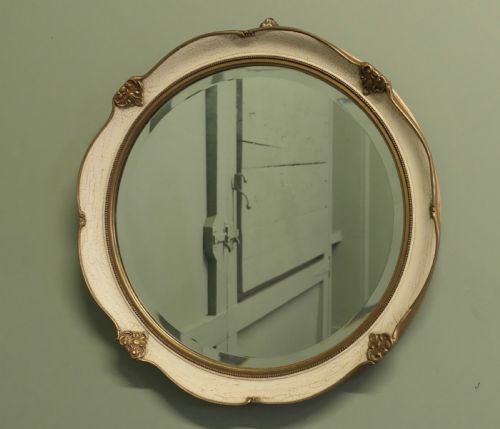
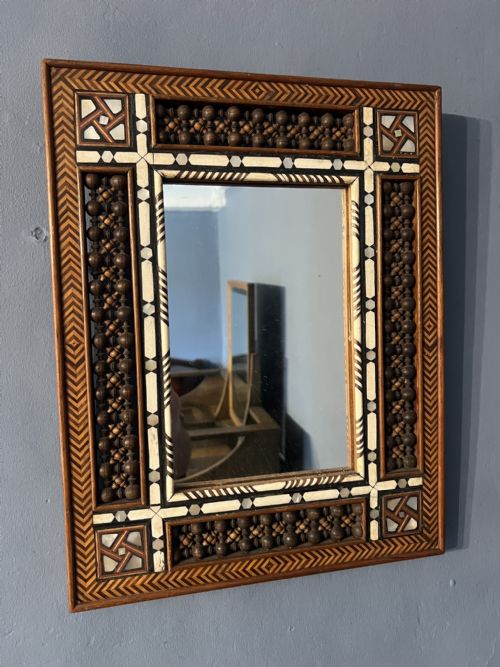
Antique Vanity Wall Mirror
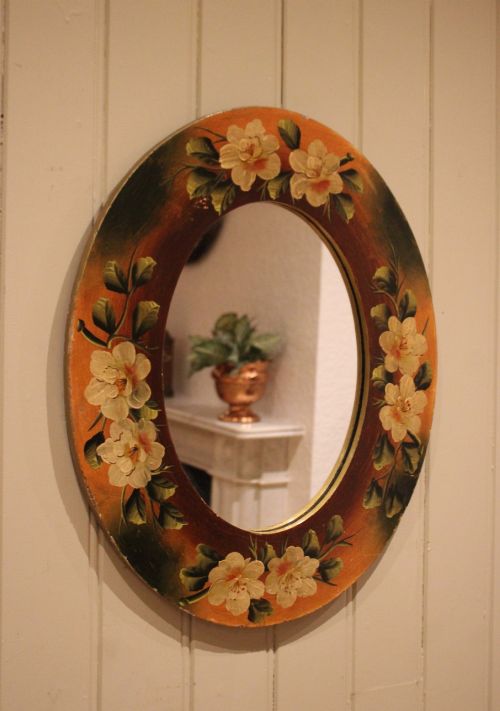
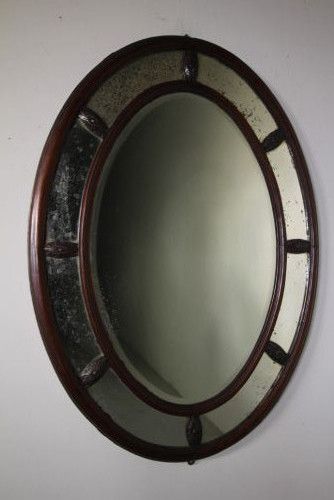
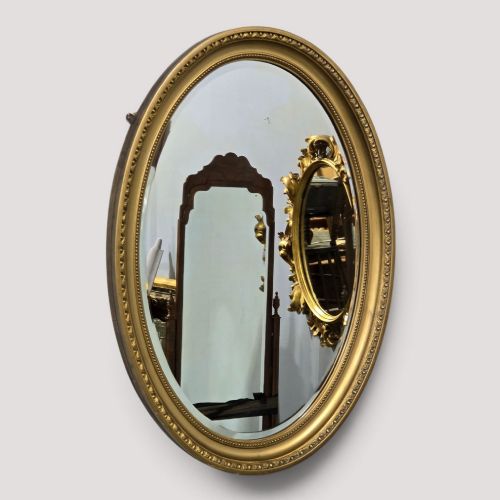
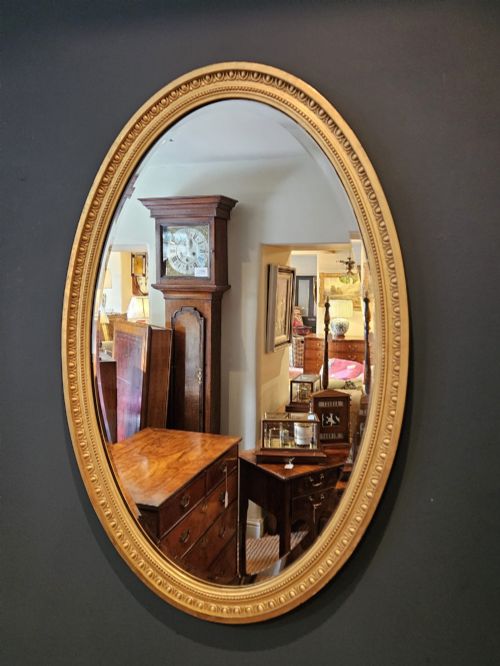
An antique vanity wall mirror brings period reflection and polished timber into a hallway, bedroom or dressing space.
What these pieces are
When you search for an antique vanity wall mirror, you encounter small hanging glasses designed for dressing, hall and bathroom use. These pieces hang securely on walls to provide a clear reflection while taking up minimal floor space.
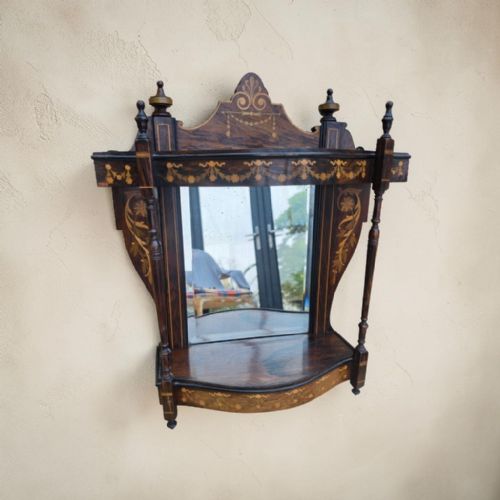
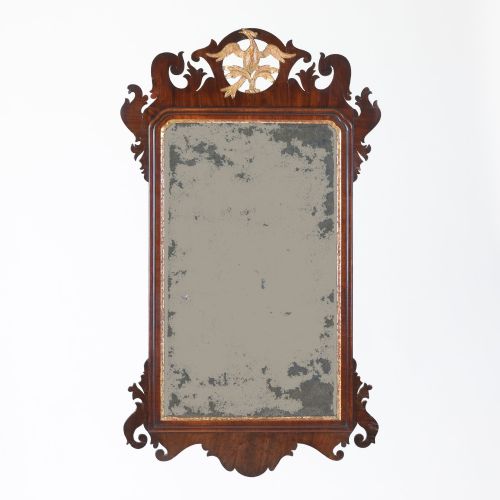
The selections available include Georgian carved wood examples alongside Victorian walnut and gilt gesso designs. Many incorporate practical additions such as valet drawers, small rails and girandole arms for candles.
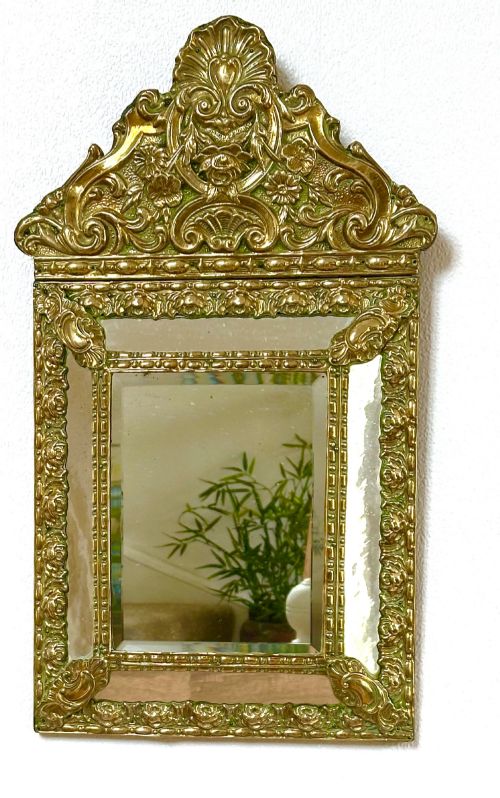
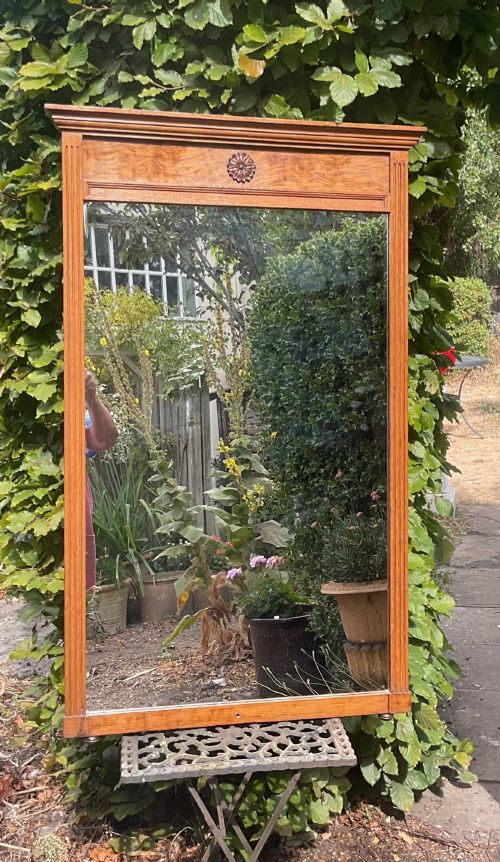
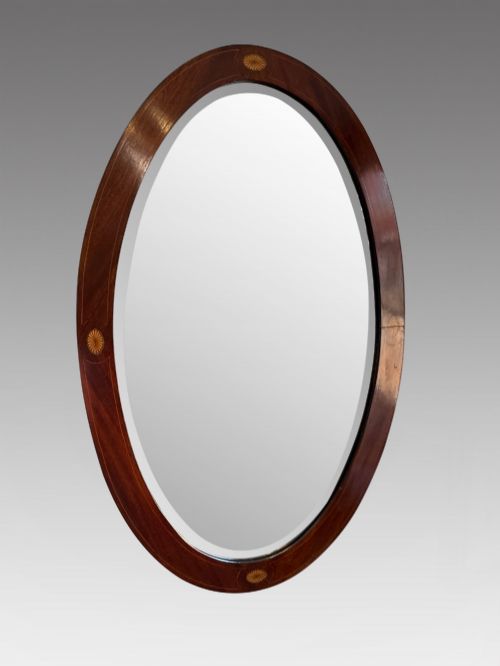
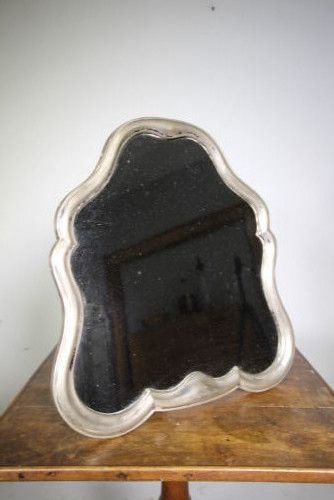
Origins span English workshops from the Georgian era through to the late Victorian period, alongside French gilt metal pieces. Buyers meet rectangular, oval and shaped looking glasses suited to period interiors.
How they were made
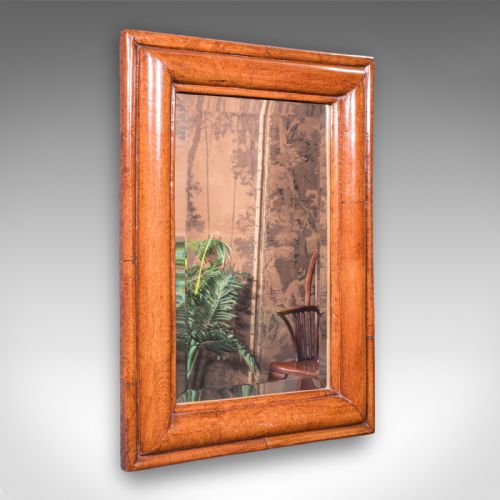
Maker's hands shaped these frames from solid timbers including walnut and carved wood, applying gesso layers to build up intricate surface decoration. Giltwood and gilded finishes then added brightness to the reflective surface.
Glass plates were set securely into rebated frames, often backed with protective boards that show their age through oxidation and Foxing. Metal components on French examples utilised cast brass and gilt metal alloys.
Listings for an antique vanity wall mirror span the Georgian and Victorian periods, utilising walnut, gesso, carved wood and gilt metal.
What varies in quality
The refinement of the carved wooden ornament and the crispness of the gesso mouldings separate everyday domestic glasses from finer examples. Superior pieces display deep relief work and harmonious proportions that balance the weight of the frame.
The preservation of the original gilding and the clarity of the antique glass plate influence the overall character. Surviving valet drawers and auxiliary rails add functional complexity that distinguishes better-equipped examples.
The Antique Vanity Wall Mirror Glossary
- Gesso
- A plaster-like mixture applied to wood frames to create a smooth surface for gilding and relief ornamentation. It allows artisans to carve intricate decorative details before applying gold leaf.
- Girandole
- A wall mirror featuring attached candle sconces that reflect candlelight into the room. These bracketed arms enhance illumination in darker hallways and dressing spaces.
- Valet drawer
- A small integrated storage compartment built into the base of certain dressing and hall mirrors. It holds small personal items, keys or grooming accessories.
- Looking glass
- The historical term for a mirror plate. Older plates often display subtle distortions and imperfections inherent to early glass-making methods.
Frequently Asked Questions
Where should I hang an antique wall mirror?
These mirrors suit hallways, bedrooms and dressing areas where a compact hanging glass is useful. They mount securely onto wall studs using appropriate fixings.
Position them at eye level above a console table or dressing surface to create a balanced focal point in the room.
How do I identify a Georgian mirror?
Georgian mirrors typically feature carved wood or gilt gesso frames with classical symmetry and restrained proportions. Materials like solid timber reflect the cabinet-making standards of the eighteenth century.
Examining the construction of the wooden backboards and fixings often reveals the age of the piece.
What is a valet drawer?
A valet drawer is a small concealed compartment built into the frame structure beneath the glass. It provides convenient storage for daily essentials.
Mirrors featuring these drawers served dual purposes in halls and dressing rooms.
How do I care for antique giltwood?
Dust giltwood and gesso frames gently with a soft dry brush to protect the delicate surface layer. Avoid liquid cleaners and moisture, which can damage historic gilding.
Keeping the mirror away from direct sunlight and damp environments preserves the wood and finish.