

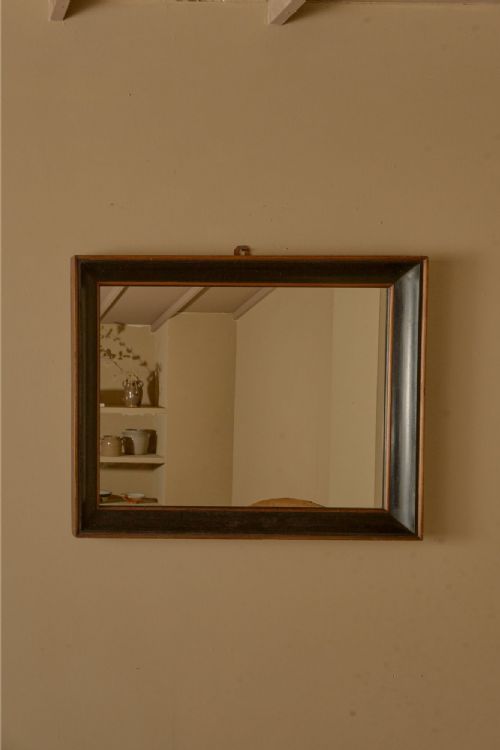
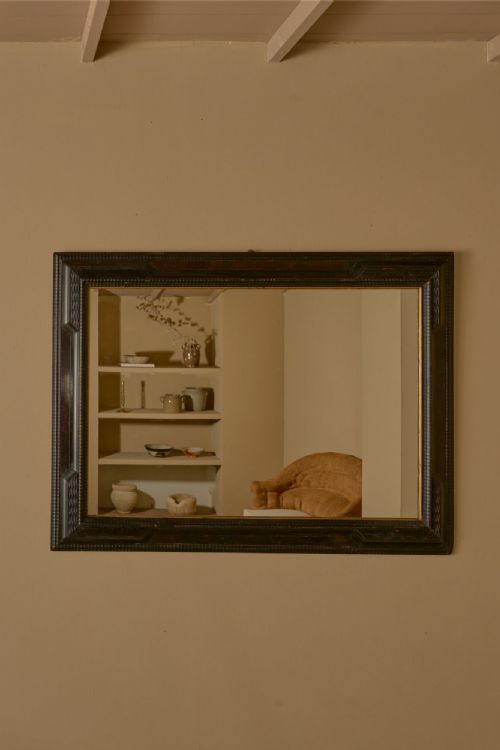
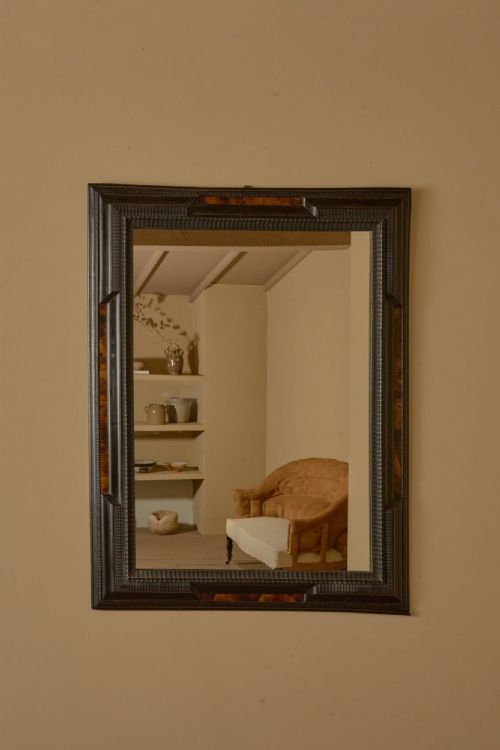
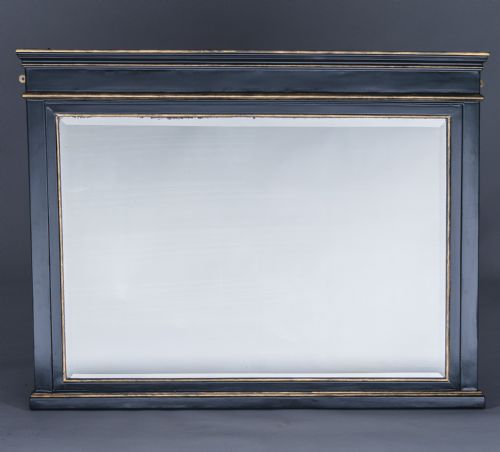


Rectangular Ebonised Mirror
These rectangular ebonised mirror examples deliver crisp architectural framing and dark, dramatic presence, transforming a plain wall with depth and period character.
Rectangular Ebonised Mirror
A rectangular ebonised mirror combines dark, blackened timber framing with reflective glass, creating a stark and striking visual anchor for a room. These pieces appear across various periods, including the Victorian era, Edwardian period, and earlier Italian designs.
The selections available here span modest wall mirrors, large overmantle mirrors, and box mirrors. Italian workshops provide several of the ebonised and faux tortoiseshell pieces, while British makers contribute substantial overmantle forms.
Makers frequently combined the dark ebonised surface with gilt highlights or carved gesso details. This mix of black finish and metallic contrast defines the aesthetic across the nineteenth and early twentieth centuries.
How they were made
Woodworking forms the structural base, utilising timber finished with ebonising agents to imitate costly ebony. Gesso and carved wooden elements provide relief work on more ornate frames, often enriched with gilding.
Mirror glass is set within the wooden rabbet, secured with traditional backing methods. Etched and engraved glass techniques appear on specific Edwardian examples, adding decorative detail directly to the reflective surface.
Rectangular Ebonised Mirror Retail Price Guide 2026
Typical asking prices for rectangular ebonised mirror among the pieces listed under this phrase on Sellingantiques today, from the lower quarter to the upper quarter. They describe what is for sale here now, not the wider market.
Current listings feature materials including ebonised wood, giltwood, gesso, and faux tortoiseshell, spanning periods from the eighteenth to the early twentieth century.
What varies in quality
The depth of carving and the crispness of the gesso mouldings separate standard production from superior examples. Ornate frames rely on sharp botanical or architectural relief rather than soft, indistinct shaping.
The condition and clarity of the mirror plate itself dictate the visual success of the piece. Original glass with even silvering holds more integrity than modern replacements that lack period character.
The Rectangular Ebonised Mirror Glossary
- Ebonised
- Wood finished to resemble ebony through staining, painting, or chemical treatment. This technique gives the timber a dense, uniform black appearance.
- Gesso
- A plaster-like mixture applied to wood frames to create a smooth surface for gilding or to build up low-relief decorative carving. It allows for crisp ornamental details.
- Overmantle
- A large mirror designed to hang specifically above a fireplace mantelpiece. These pieces often feature wide proportions suited to horizontal wall spaces.
- Faux tortoiseshell
- A painted or treated surface finish designed to imitate the mottled brown and amber shell of a hawksbill turtle. It adds rich patterning to dark wooden frames.
Rectangular Ebonised Mirror: Frequently Asked Questions
How do I clean an ebonised frame?
Dust the timber gently with a dry, soft cloth to remove surface particles without disturbing the dark finish.
Avoid liquid cleaners or abrasive agents that might strip the ebonised surface or damage adjacent gilt details.
Where should I hang an overmantle mirror?
Position the piece centrally above a fireplace mantelpiece where its broad proportions can reflect light and anchor the room.
Ensure the wall fixings match the substantial weight of these large nineteenth-century frames.
What period do these mirrors come from?
The pieces span several centuries, with particular representation from the nineteenth century, Victorian era, and Edwardian period.
Earlier Italian examples also feature alongside later British overmantle designs.
Are the mirror plates original?
Many pieces retain their original glass, which often displays gentle foxing and age-related oxidation.
Original plates contribute historical depth, though some pieces may feature later replacement glass.