

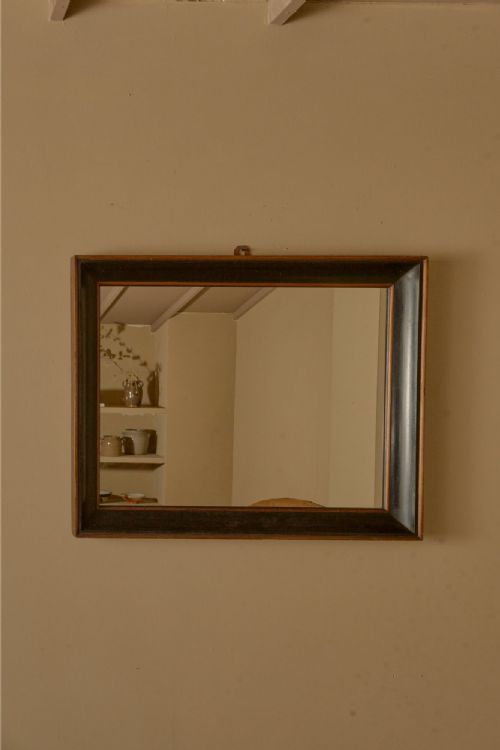
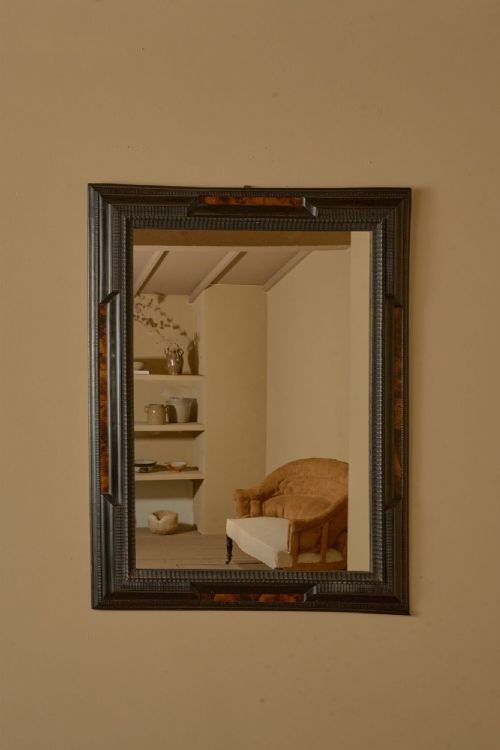
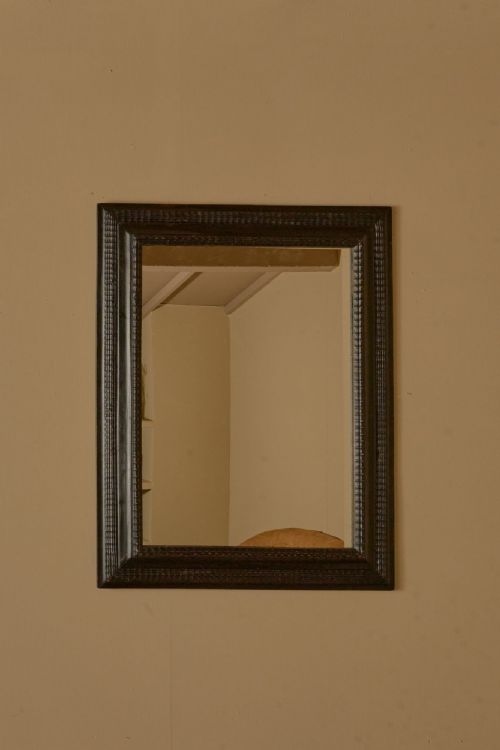
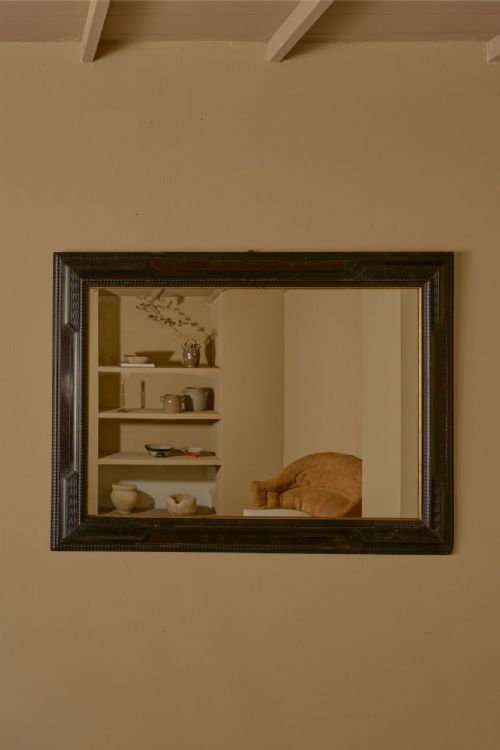
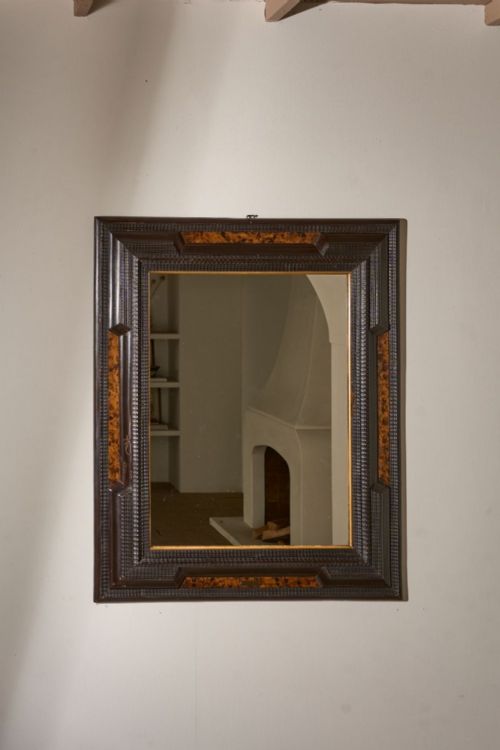


Italian Ebonised Frame
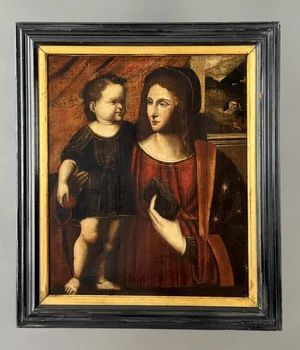
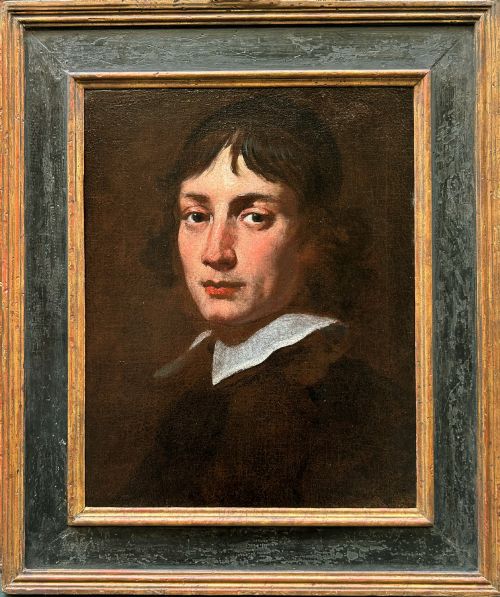
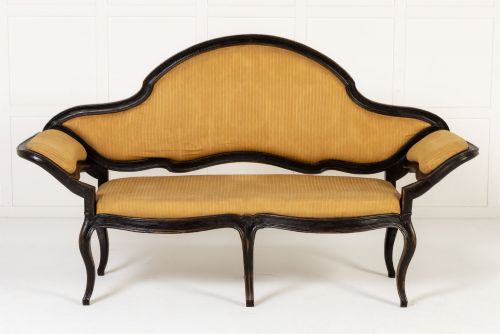
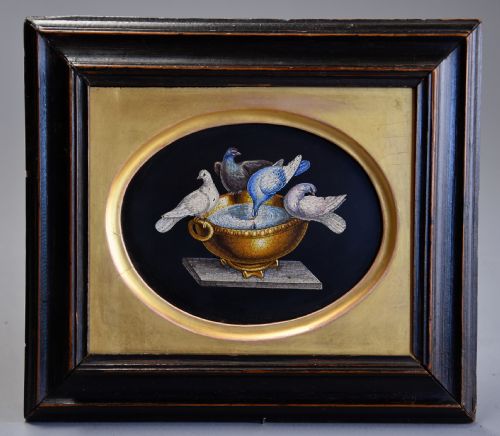
These Italian ebonised frame pieces bring dark, dramatic timber moulding and striking historical depth into a room.
Italian Ebonised Frame
When you search for an italian ebonised frame, you are looking at dark timber borders that often house centuries-old portraits, mirrors, and religious plaques. These dark wood surrounds establish a heavy, theatrical visual weight that dates from early Renaissance production up to nineteenth-century revivals.
The versions you are most likely to meet on this page span several centuries, including sixteenth-century Renaissance portraits, eighteenth-century sofas, and nineteenth-century mirrors. They carry styles ranging through the Baroque, Rococo, and Grand Tour eras, reflecting diverse Italian workshop traditions.
Alongside standalone mirrors and paintings, the selection includes specialised objects like micromosaic plaques and bronze reliefs set securely inside dark wooden surrounds. Each piece demonstrates how makers matched sombre timber profiles with vibrant canvases, gilt highlights, or pale stone insertions.
Materials and construction methods
Makers built these surrounds from dense woods treated to achieve a deep, light-absorbing dark finish, frequently pairing the blackened timber with gold leaf accents or faux tortoiseshell panels. This combination of ebonised surfaces and metallic brilliance creates a strong contrast characteristic of Italian craftsmanship.
The artworks and mirrors contained within these borders utilise traditional mediums such as oil on canvas, pastel, bronze, and glass. Craftspeople assembled composite items where timber framing supports delicate micromosaic plaques, religious prints, or classical paintings.
Italian Ebonised Frame Retail Price Guide 2026
Typical asking prices for italian ebonised frame among the pieces listed under this phrase on Sellingantiques today, from the lower quarter to the upper quarter. They describe what is for sale here now, not the wider market.
The styles represented include Baroque, Renaissance, Rococo, and Grand Tour revivals across wall mirrors, paintings, sofas, and plaques.
Judging quality and craftsmanship
Quality rests in the depth of the timber finishing and the precision of the moulding profiles, where skilled hands achieved smooth, consistent dark surfaces without masking the underlying grain. Superior examples display careful joinery and well-preserved gilt or tortoiseshell details that enhance the central artwork.
The artistic merit of the enclosed painting, mirror glass, or plaque dictates the overall stature of the piece. Fine mastery in the portraits, bronze plaques, or micromosaic inlays elevates the entire object, distinguishing workshop output of high ambition from simpler domestic items.
The Italian Ebonised Frame Glossary
- Ebonised wood
- Timber treated with stain, dye, or polish to imitate genuine ebony. This dark finish gained widespread popularity across European furniture and framing traditions to create formal contrast.
- Gilt wood
- Wood coated with a thin layer of gold leaf or gold paint. Artisans applied this technique to highlight carved details and create luminous borders.
- Micromosaic
- A meticulous pictorial technique formed from tiny coloured glass tesserae fused together to create detailed miniature imagery. These plaques frequently appear mounted within protective wooden surrounds.
- Faux tortoiseshell
- A painted or treated finish designed to simulate the mottled amber and dark brown shell of a turtle. Craftsmen used this decorative effect on mirror frames and panels.
- Baroque
- An ornate artistic style spanning the seventeenth and eighteenth centuries characterised by drama, deep relief, and emotional intensity. This aesthetic heavily influenced Italian framing and fine art.
Italian Ebonised Frame: Frequently Asked Questions
What is an ebonised frame?
An ebonised frame is a wooden border treated with a dark stain or finish to resemble ebony wood. These surrounds give artworks and mirrors a strong, formal silhouette.
Craftsmen often combined this blackened timber with gold leaf or tortoiseshell effects to enhance the visual impact of portraits and religious scenes.
How do I date these pieces?
Dating relies on examining the construction techniques of the timber, the style of the moulding, and the medium of the enclosed artwork. Sixteenth and seventeenth-century items often display heavier profiles and distinct portrait styles.
Later nineteenth-century examples frequently revive these earlier Baroque and Renaissance aesthetics while incorporating period mirrors or decorative plaques.
Where were these items made?
These pieces originate from Italian workshops and artistic centres spanning several centuries of production. They reflect regional decorative traditions ranging from Renaissance portraiture to Grand Tour souvenirs.
Local artisans utilised native and imported timbers, applying finishes typical of Italian furniture and frame-making guilds.
How should I display them?
These dark frames require wall space that allows their heavy timber profiles and contrasting gold or tortoiseshell details to stand out clearly. Hanging them against neutral walls lets the deep tones anchor the room.
Because many contain delicate elements like oil paintings or micromosaic plaques, direct sunlight should be avoided to protect the materials.