

Antique Vanity Dresser
An antique vanity dresser spans dressing tables, washstands, chests of drawers, and small silver and glass boxes intended for personal grooming.
Antique Vanity Dresser
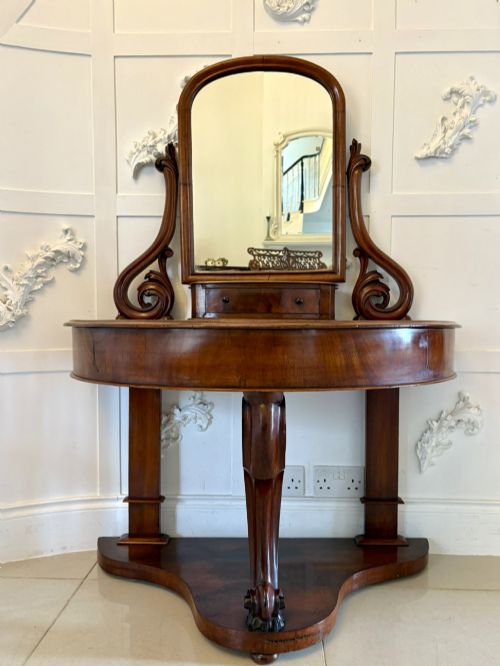
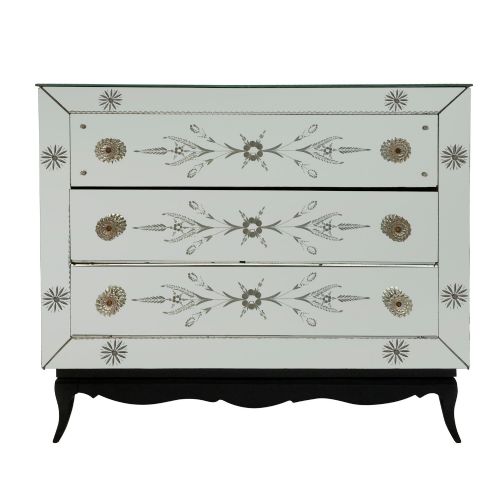
When you search for an antique vanity dresser, you encounter a wide variety of furniture and tabletop accessories used for dressing and grooming. The selection ranges from substantial Victorian mahogany and Edwardian oak dressing tables to smaller items like French powder boxes and trinket jars.
The objects span multiple decades from the nineteenth century into the 1930s, encompassing styles such as Art Deco, Art Nouveau, and French Rococo Revival. Alongside larger dressing pieces, the category includes sterling silver pill boxes, scent bottles, and ceramic powder containers.
Materials and technique
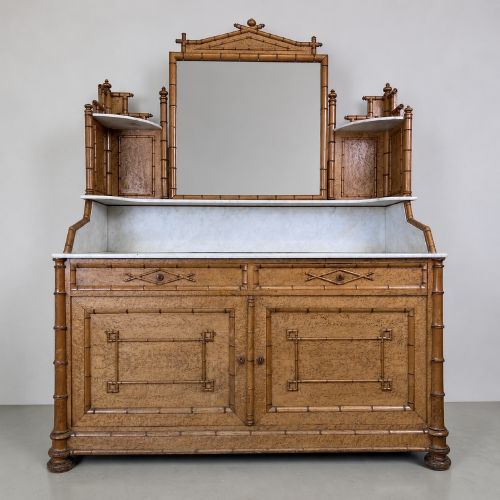
The furniture pieces rely upon timbers like mahogany, walnut, oak, and bird's-eye maple, frequently paired with marble tops or faux-bamboo turning. Craftsmanship involves traditional cabinet-making methods applied to dressing tables, washstands, and chests of drawers.
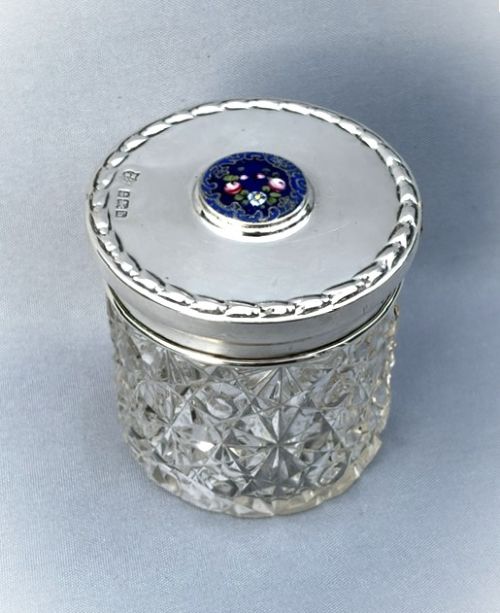
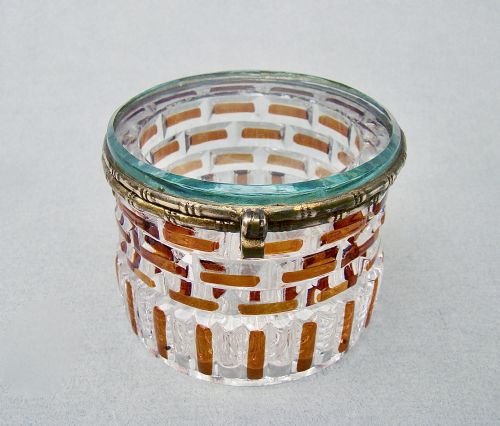
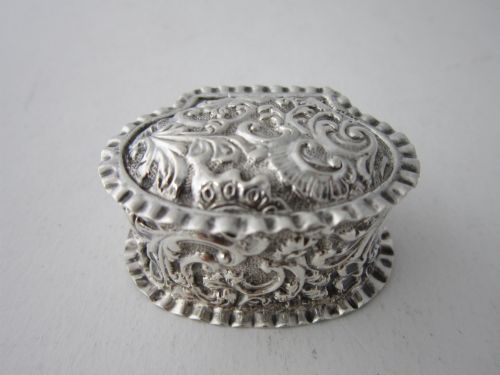
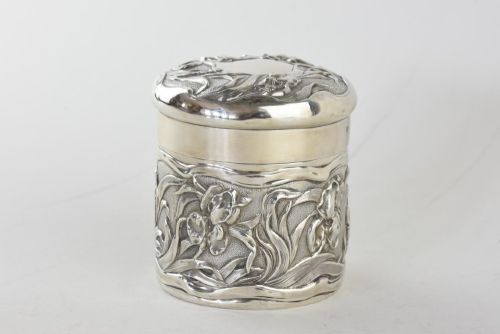
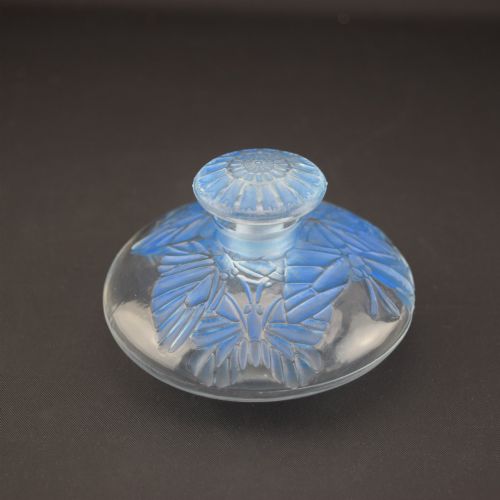
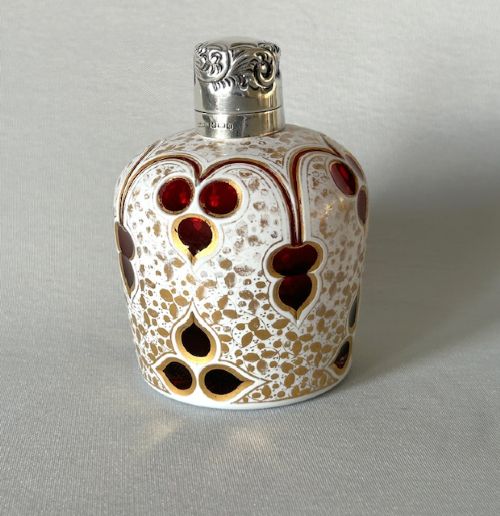
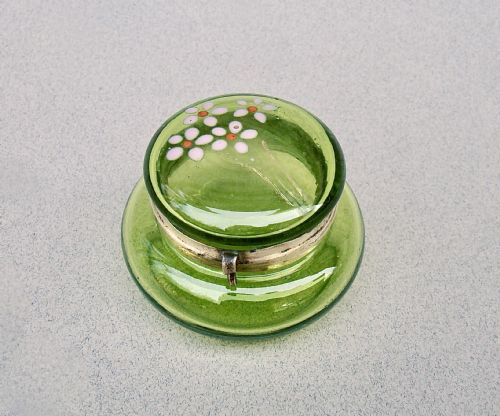
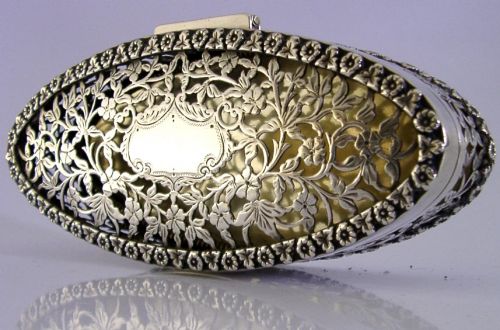
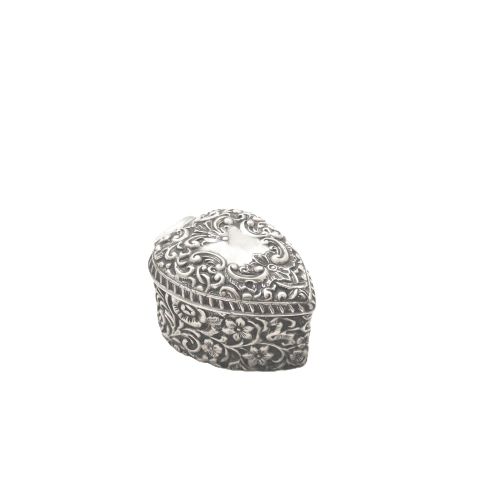
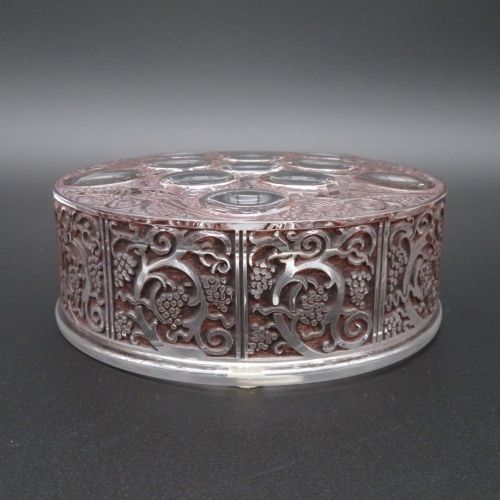
Smaller items utilise sterling silver with repousse decoration, alongside cut glass, crystal, enamel, and porcelain with hand-painted or gilt detailing. Makers combined these diverse materials to create both functional bedroom furniture and decorative tabletop accessories.
Several small silver boxes feature detailed cherub reliefs watching over your daily routine.
Variations in quality
Quality in these pieces depends upon the integrity of the materials and the precision of the workmanship, whether in the joinery of a walnut chest of drawers or the detail of a silver trinket box relief. Superior examples maintain their original surfaces, mounts, and fittings without heavy alteration.
Artistic execution distinguishes the finer items, such as hand-painted porcelain detailing, well-defined repousse silver work, or high-grade cut glass and crystal production from established makers.
Ollivant and Botsford·Goldsmiths and Silversmiths Company·Rene Lalique·A and J Zimmerman Ltd·W.M.F.
The Antique Vanity Dresser Glossary
- Repousse
- Metalworking technique where a design is hammered into relief from the reverse side. This method appears frequently on Edwardian and Victorian silver boxes.
- Faux-bamboo
- Wood turned and painted to imitate natural bamboo stalks. It is commonly found on nineteenth-century French dressing cabinets and washstands.
- Trinket box
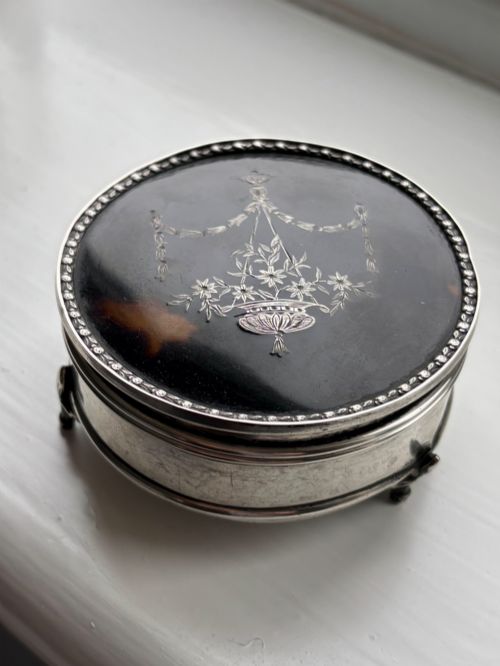
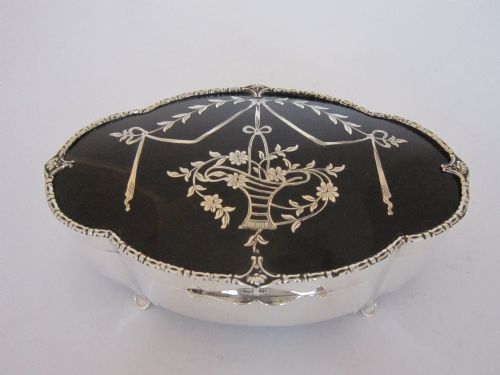
- Small container designed for holding jewellery or small personal items. These often feature sterling silver lids combined with glass, tortoiseshell, or enamel.
- Pedestal dressing table
- A large dressing furniture form featuring banks of drawers supporting the main surface and mirror. These typically date from the Victorian and Edwardian periods.
- Gilt
- A thin layer of gold applied to the surface of silver, porcelain, or wood. It provides decorative contrast and highlights carved or moulded details.
Antique Vanity Dresser: Frequently Asked Questions
What is an antique vanity dresser?
An antique vanity dresser covers a broad spectrum of furniture and accessories used for personal grooming and dressing. This includes dressing tables, washstands, chests of drawers, and smaller tabletop containers like silver trinket boxes and perfume bottles.
The term encompasses items made across the nineteenth and early twentieth centuries, reflecting styles from Victorian mahogany to 1930s Art Deco.
How do I identify an Edwardian dressing table?
Edwardian dressing tables typically feature lighter timbers such as oak or inlaid mahogany, often accompanied by pivoting oval or rectangular mirrors. They tend to have simpler lines than their heavy Victorian predecessors.
Many examples include small drawer arrangements and brass handles characteristic of the early twentieth century.
How do I care for wooden dressing furniture?
Wooden dressing furniture requires stable room humidity and protection from direct sunlight to preserve the finish of timbers like walnut and mahogany. Regular dusting with a soft cloth maintains the surface without the need for heavy chemical polishes.
Marble tops on washstands and cabinets benefit from prompt wiping to prevent staining from moisture.