




Antique Upholstered Pouffe
These antique upholstered pouffes and footstools bring low seating and footrests to a room, offering tactile comfort through period textiles.
Antique Upholstered Pouffe
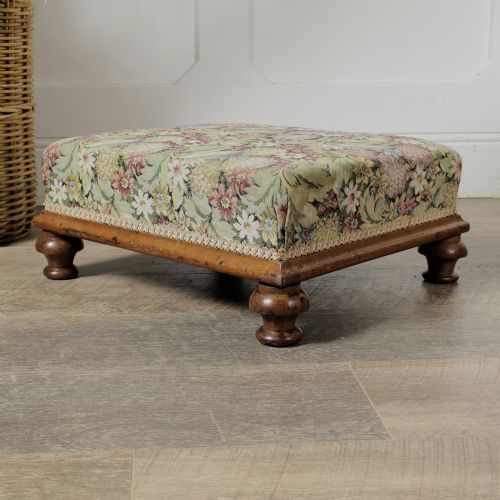
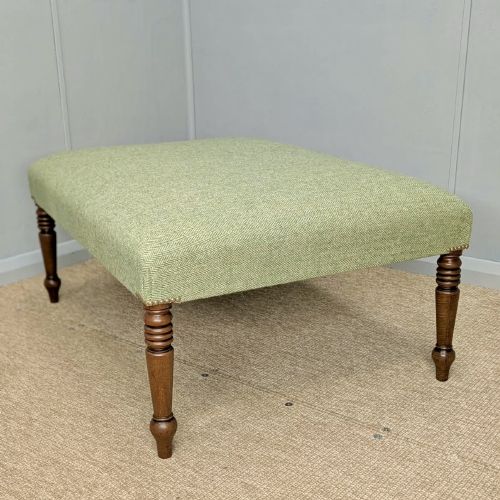
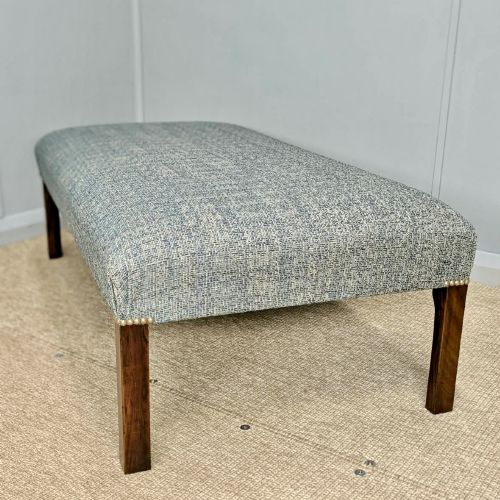
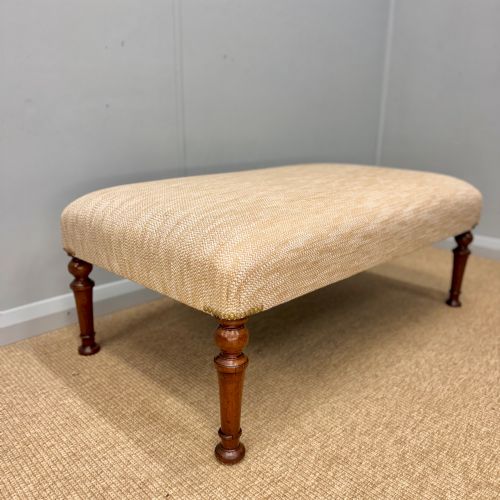
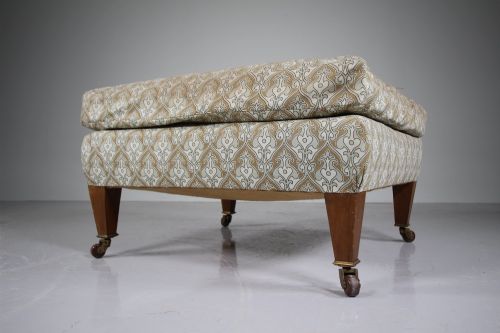
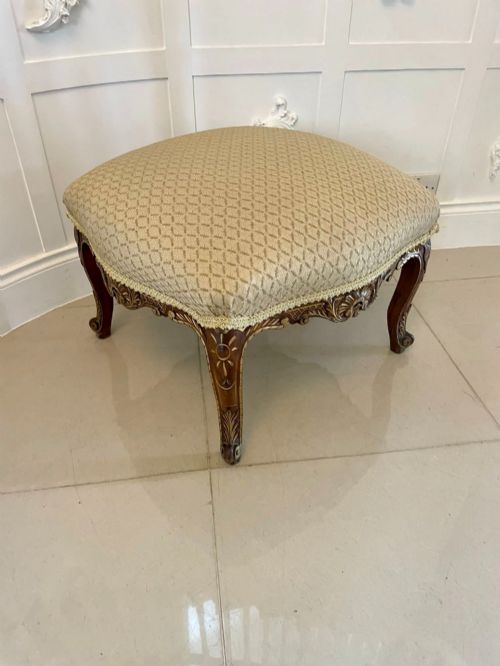
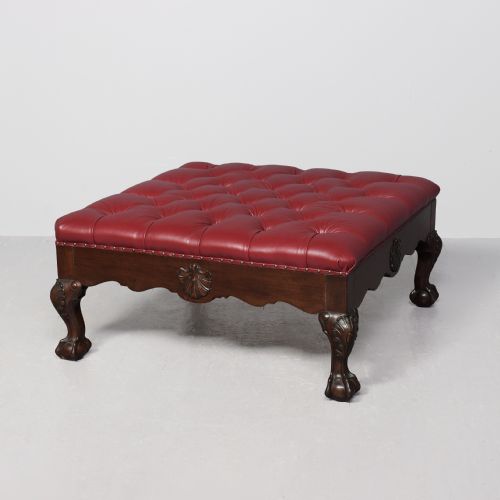
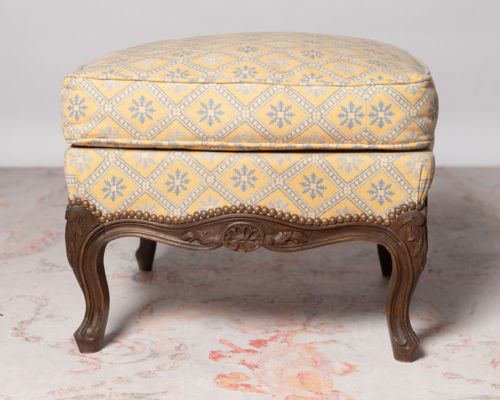
When you search for an antique upholstered pouffe, you are looking at low seating, footstools, and ottomans designed for domestic comfort. The pieces listed on this page span the nineteenth century, including Victorian examples alongside French country and Anglo-Indian variants.
The forms vary from simple stools to box seats with hinged lids, functioning as both footrests and low seats. Rosewood frames predominate among the surviving examples, often paired with traditional textile coverings.
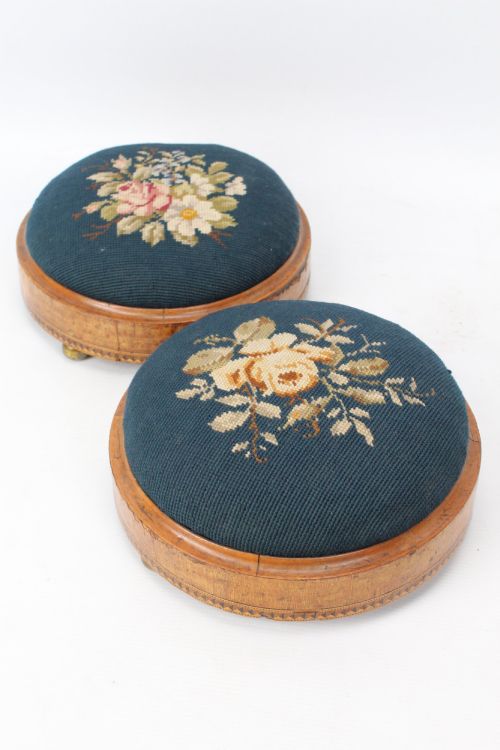
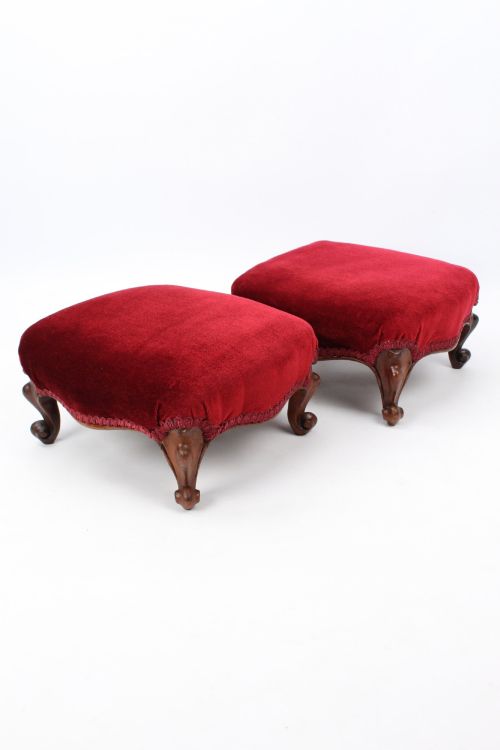
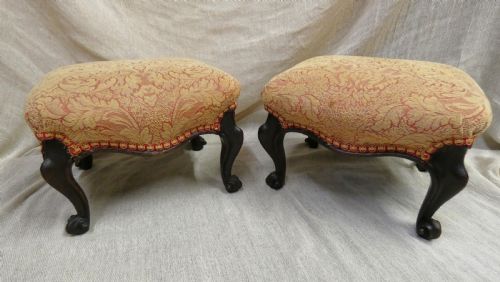
You are most likely to meet nineteenth-century rosewood frames paired with period fabrics, wools, or tapestries. The selection includes pairs of footstools as well as solitary stools of unusual proportions.
How they were made
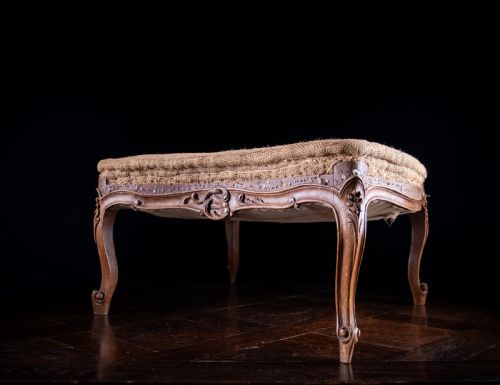
Makers constructed the structural frames of these pieces using rosewood, shaping the timber into turned or carved supports. Brass fittings sometimes secure the structural elements or provide decorative accents.
Upholstery techniques involve securing textiles like linen, wool, tapestry, and general fabric over padded foundations. These traditional methods ensure the seat cushions and footrests maintain their supportive structure over generations.
Antique Upholstered Pouffe Retail Price Guide 2026
Typical asking prices for upholstered pouffe among the pieces listed under this phrase on Sellingantiques today, from the lower quarter to the upper quarter. They describe what is for sale here now, not the wider market.
Rosewood is the dominant timber across the nineteenth-century stools on this site, frequently paired with wool, linen, and tapestry upholstery.
What varies in quality
The refinement of the rosewood turning and carving dictates the baseline quality of the frame. Denser grain patterns and more intricate woodwork elevate certain stools above plain utilitarian examples.
The choice and execution of the upholstery material create a further distinction. Original or period-appropriate tapestry and wool textiles demonstrate a higher grade of craftsmanship than generic replacement fabrics.
The Antique Upholstered Pouffe Glossary
- Pouffe
- A low, upholstered seat or footstool without a back or arms. These pieces often feature fully padded sides and a cushioned top.
- Ottoman
- A padded seat or footstool, sometimes constructed with a hinged box seat for interior storage. Victorian examples frequently utilise this dual-purpose form.
- Rosewood
- A dense, dark timber prized for its rich grain and durability in nineteenth-century furniture construction. It forms the primary structural material for the stools on this page.
- Tapestry
- A form of textile art woven on a loom, frequently employed as decorative upholstery for period stools. It adds texture and colour to the seating surface.
Antique Upholstered Pouffe: Frequently Asked Questions
What is an antique upholstered pouffe?
An antique upholstered pouffe is a low seat or footstool dating from the nineteenth century, typically built with a rosewood frame.
These pieces combine functional timber construction with decorative textile upholstery, serving as footrests or casual seating in period interiors.
How were nineteenth century stools used?
Nineteenth-century stools served primarily as footrests before armchairs or sofas, or as moveable low seating near the fireside.
Some variants included box compartments beneath hinged seats to store small household items.
How do I clean antique upholstery?
Antique textiles such as wool, linen, and tapestry require gentle surface cleaning rather than harsh chemical treatments.
Consult a textile conservator to preserve the original fibres of nineteenth-century fabric.
How do I identify a Victorian pouffe?
Victorian pouffes and footstools are typically identified by their nineteenth-century rosewood frames and traditional textile coverings.
Details like turned timber legs and period upholstery styles help distinguish them from modern reproductions.