
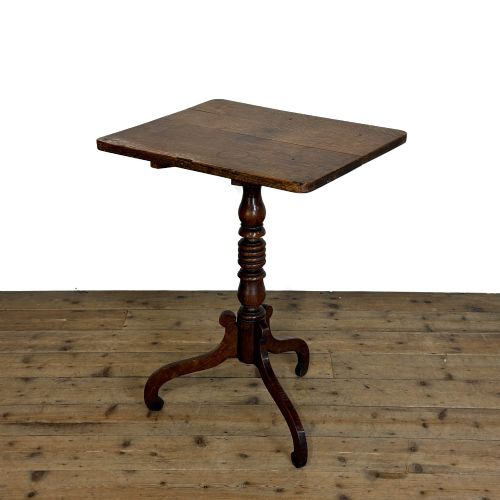
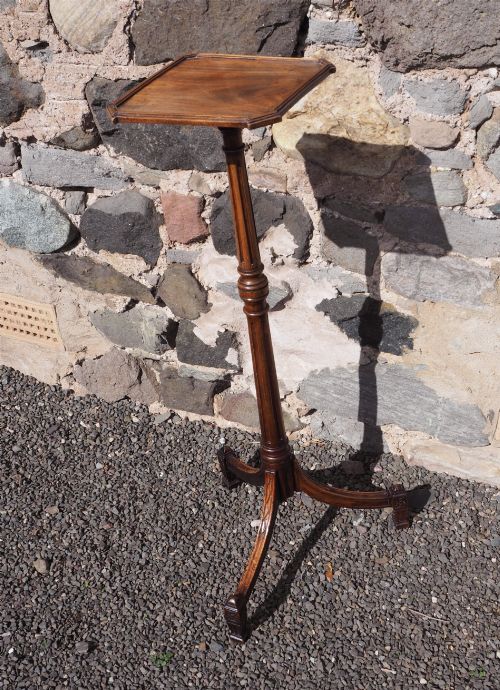
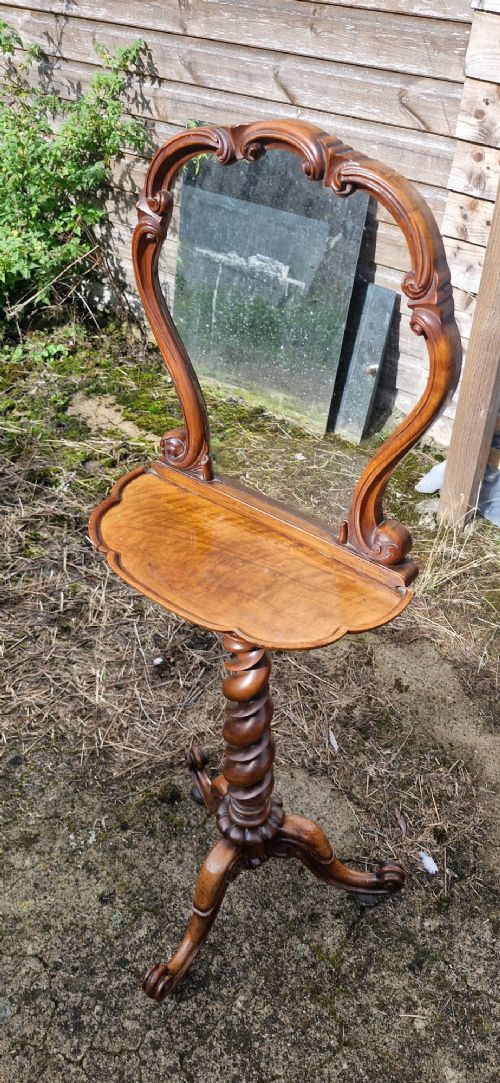
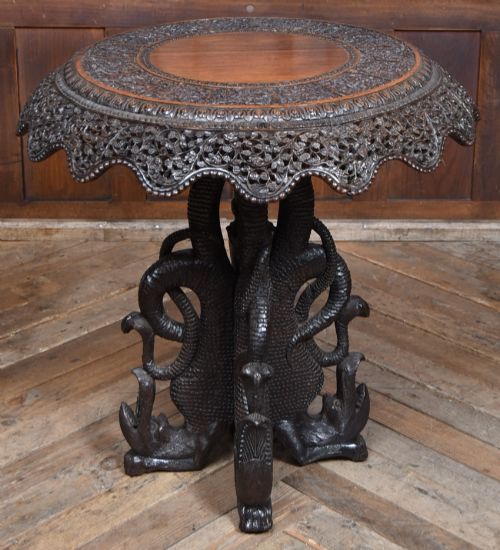
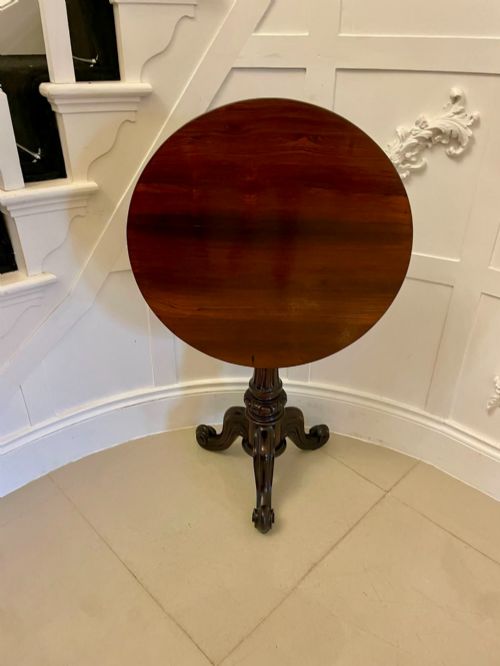
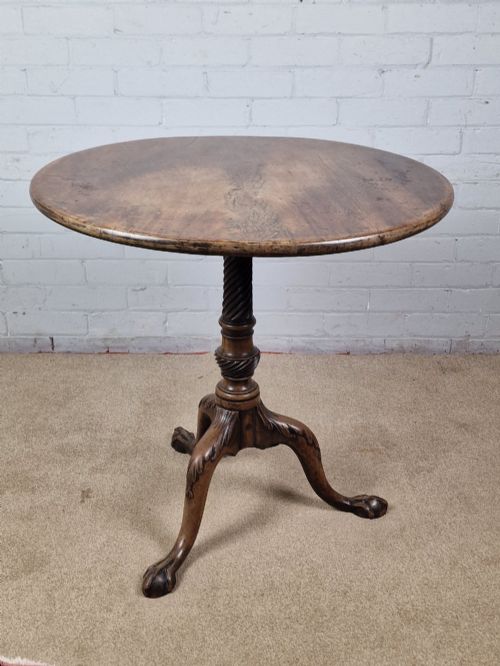


Antique Tripod Pedestal
An antique tripod pedestal brings versatile, small-scale surface space and sculptural three-legged support to any room.
Antique Tripod Pedestal
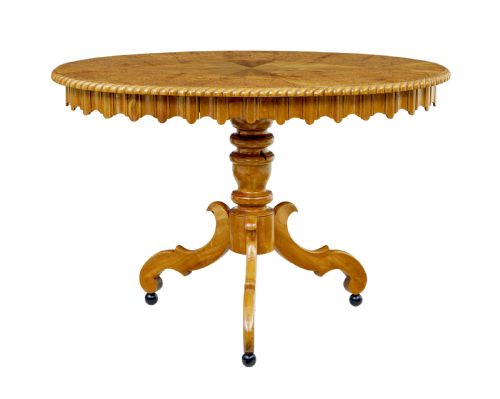
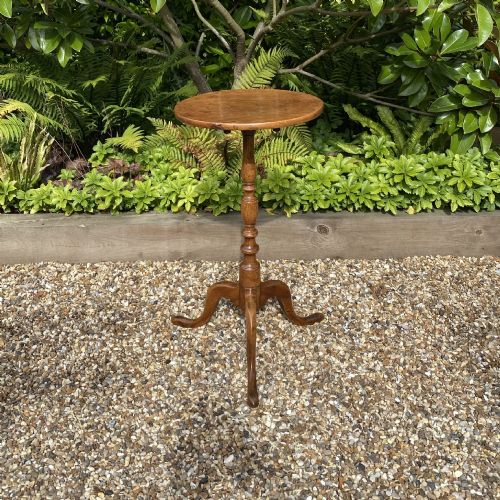
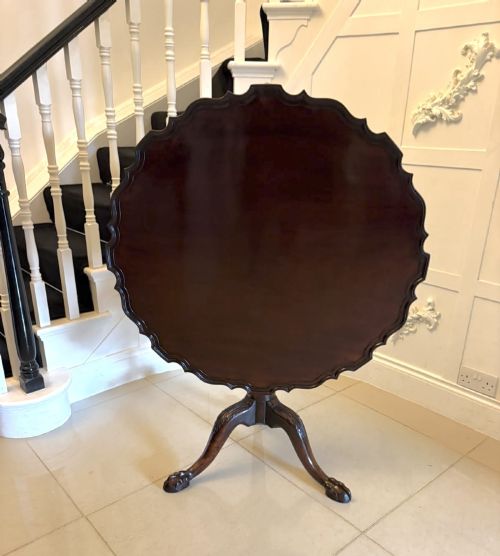
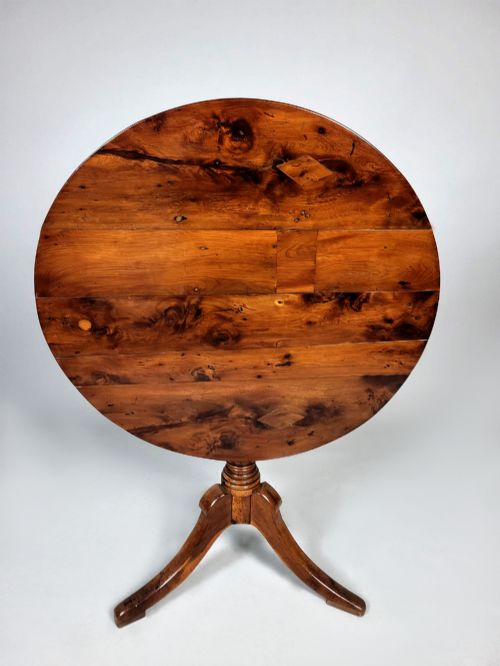
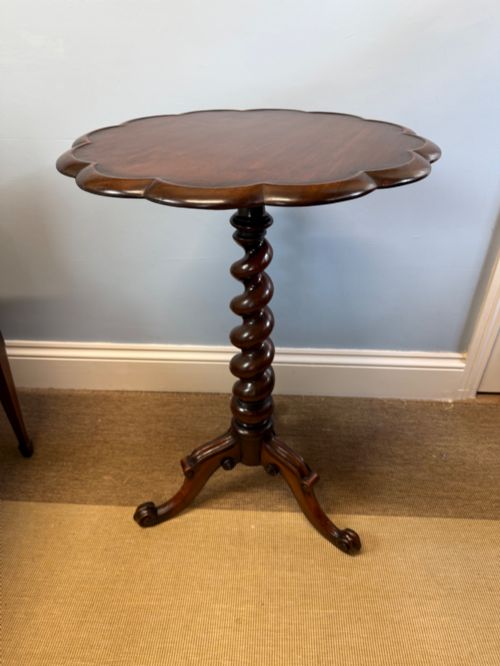
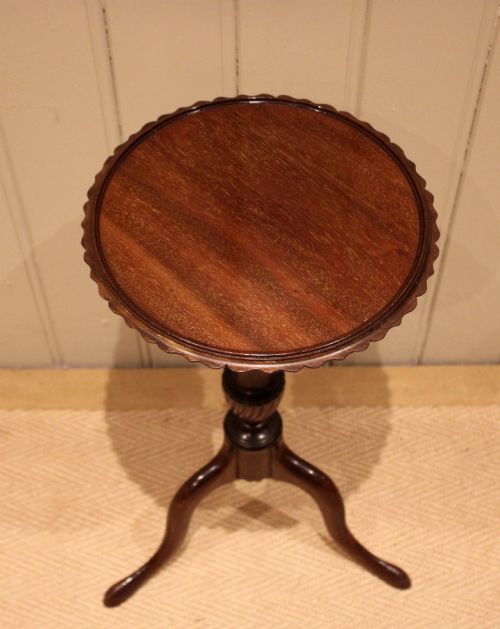
When you search for an antique tripod pedestal, you are looking at small tables supported by a central pillar and three feet, spanning periods from the 18th century through the Edwardian era. The pieces you are most likely to meet on this page are wine tables, occasional tables, and tilt-top tables in mahogany, walnut, or rosewood.
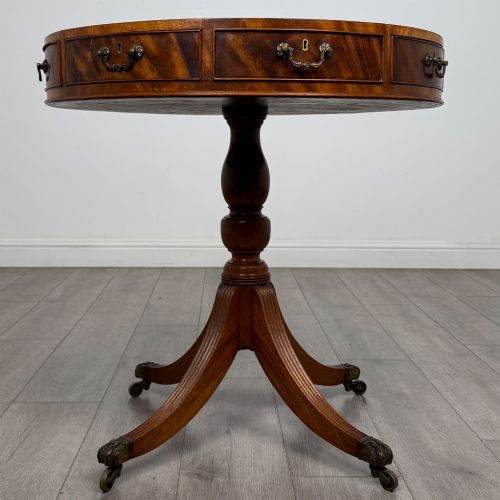
The object types range widely from compact candle stands and torcheres to larger centre tables, games tables, and dining tables resting on pedestals. Styles cover Georgian, Regency, and Victorian designs, alongside regional variations including Dutch, Irish, French, Swedish, and Burmese examples.
Earlier Georgian and 18th-century forms often feature tilt-top mechanisms, while Victorian and Edwardian iterations frequently serve as lamp or side tables with circular tops. Makers and designers occasionally include Gillow, reflecting the high standards of British cabinet making.
Materials and Construction
Cabinet makers constructed these pieces using dense hardwoods like mahogany, walnut, rosewood, and oak, frequently enhanced by burr wood veneers, marquetry inlay, or leather insert tops. Brass fittings and marble accents also appear across various regional styles.
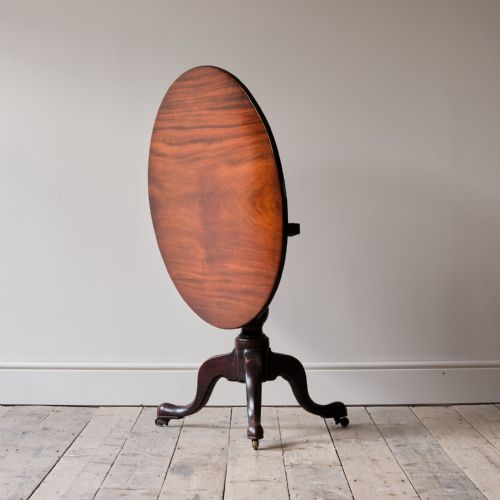
The characteristic three-legged base is joined to a central pedestal column, which often connects to a tilting mechanism allowing the top to pivot vertically when not in use. Turning, carving, and fine joinery govern the assembly of the pillar, legs, and circular or oval tops.
Listings feature mahogany, walnut, rosewood, oak, leather, marble, and elm across Georgian, Regency, and Victorian periods.
Judging Quality
Quality in these pieces rests upon the crispness of the timber carving, the choice of figured veneers such as burr walnut or Cuban mahogany, and the stability of the tripod joint. Superior examples display harmonious proportions between the top, the central column, and the splayed legs.
Attention to detail in the tilt-top mechanism, original brass catches, and finely turned pedestals separate standard production from exceptional examples. The integration of marquetry inlay or marquetry panels further elevates the workmanship.
Gillow
The Antique Tripod Pedestal Glossary
- Tripod table
- A small movable table supported on a central pillar with three legs. These versatile surfaces were easily transported around domestic rooms for dining, reading, or serving wine.
- Tilt-top table
- A table equipped with a mechanism allowing the top to rotate and lock into a vertical position. This clever design saved floor space when the table was not in use.
- Torchere
- A tall ornamental stand designed to support a lamp or candle. Originating in the 17th century, these slender pedestals often feature decorative carving.
- Wine table
- A compact occasional table designed for holding glasses and bottles. They frequently feature circular tops and tilt-top mechanisms.
- Marquetry
- Decorative woodwork where pieces of veneer are fitted into a ground to form intricate patterns. This technique frequently embellishes Victorian walnut lamp tables.
Antique Tripod Pedestal: Frequently Asked Questions
How were tilt-top tables used?
Tilt-top tables served multiple domestic purposes in drawing rooms and parlours, from holding tea services to displaying decorative objects.
When not needed, the top was pivoted vertically so the table could stand flat against a wall to preserve floor space.
What is a torchere stand?
A torchere is a tall, slender pedestal stand originally built to elevate a candle or oil lamp for extra illumination.
Over time, these pieces evolved to display vases, plants, or decorative lamps in corners and hallways.
How do I date a pedestal table?
Dating relies on identifying the prevailing style, timber choices, and construction methods associated with periods like Georgian, Regency, or Victorian.
Turned columns, leg profiles, and the presence of specific hardware or tilt mechanisms offer further clues to the decade of manufacture.
Where should I place a wine table?
Wine tables fit easily beside armchairs, sofas, or in tight corners where larger furniture will not go.
Their small circular tops provide a convenient surface for drinks, books, or small table lamps.