


Antique Trinket Chest Drawers
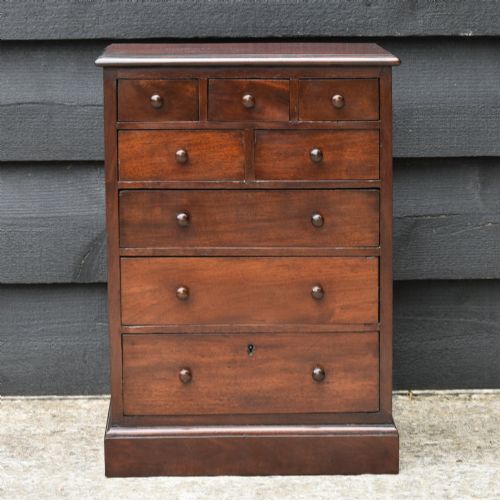
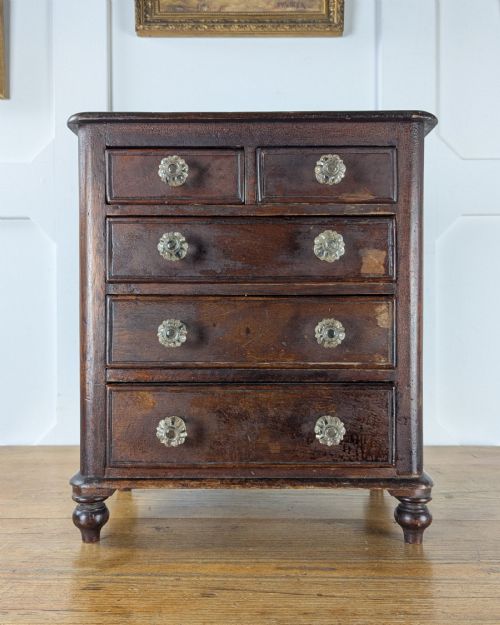
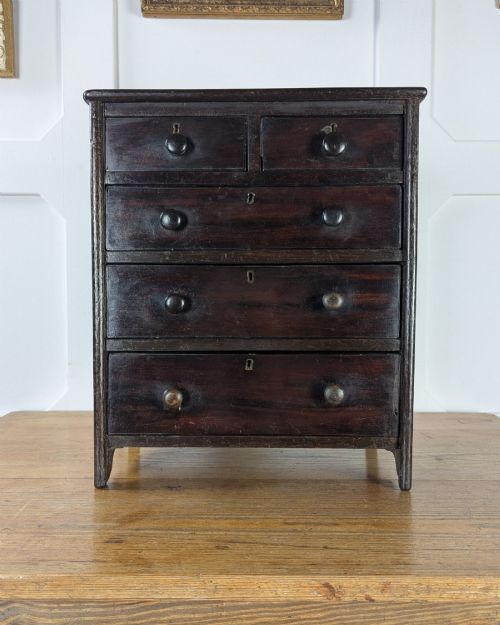
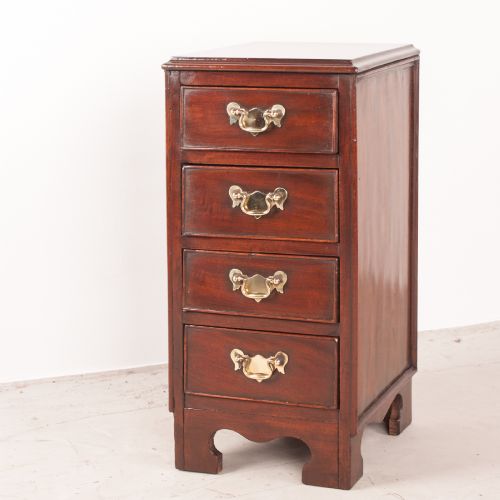
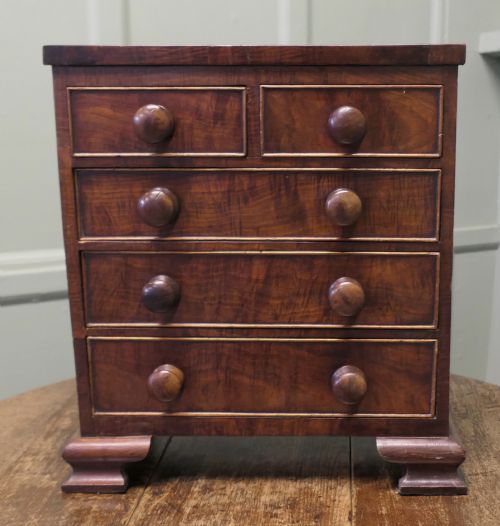
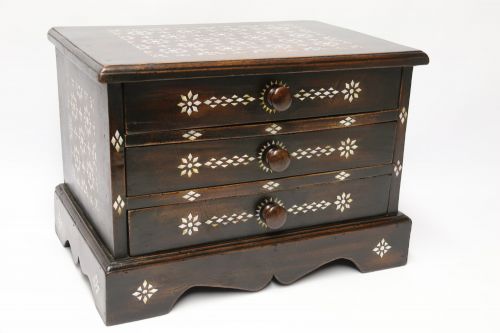
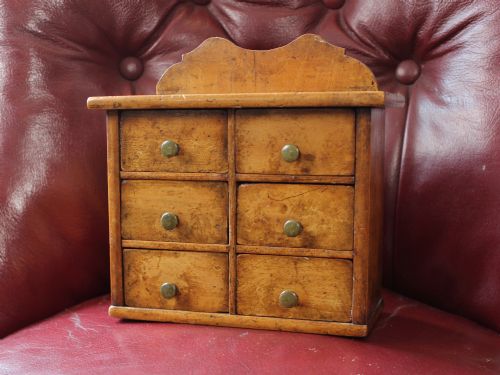
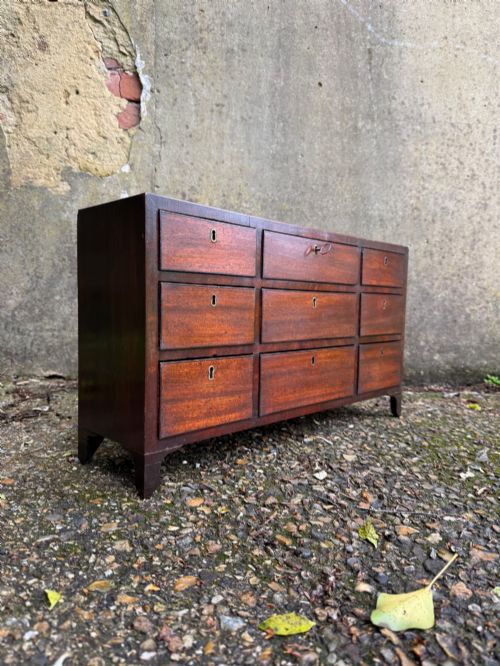
These antique trinket chest drawers are scaled-down pieces of cabinet-making that serve as miniature storage or jewellery boxes.
Antique Trinket Chest Drawers
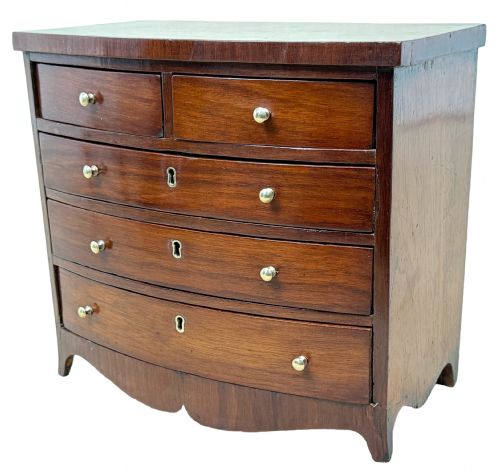
Antique trinket chest drawers encompass miniature chests, apprentice pieces, and small collector cabinets designed for jewellery and small valuables. The selection on this page leans heavily towards Victorian and Georgian mahogany miniature chests, alongside Edwardian examples and regional pieces in pine, oak, and fruitwood.
Makers originally produced these scaled-down items as cabinet-makers' showcase pieces, salesmen's samples, or domestic storage for trinkets and letters. Miniature bowfront chests and drawer flights appear frequently among the listings, offering practical tabletop storage with the proportions of full-sized furniture.
How they were made
Cabinet-makers constructed these small chests using dense timbers such as mahogany, walnut, oak, and fruitwood, often applying secondary woods like pine for internal drawer linings. Joinery techniques mirror full-size period furniture, utilising dovetailed drawer boxes and turned feet.
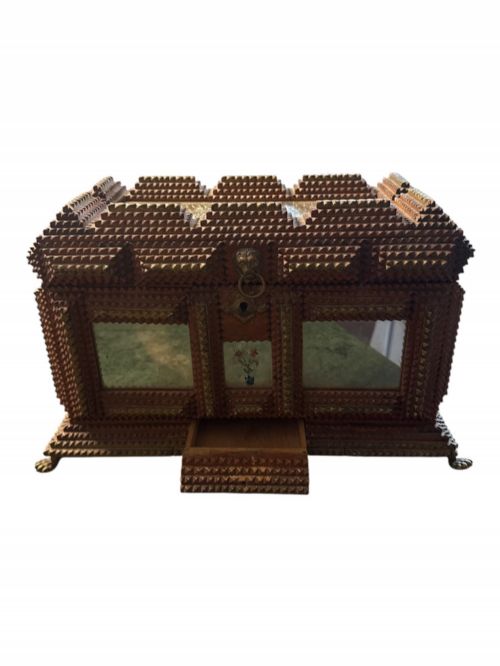
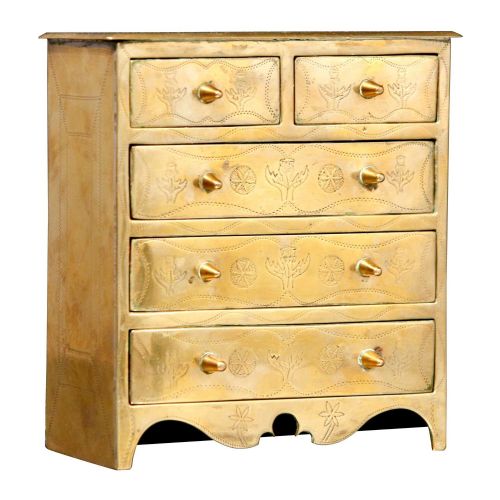
Decoration relied on timber figure rather than heavy ornament, though workshops occasionally incorporated brass handles, bone escutcheons, mother of pearl inlay, or intricate chip-carving seen in tramp art boxes.
Several small boxes incorporate hidden compartments behind secret drawers, designed to keep valuables safe from prying eyes.
What varies in quality
Quality rests in the fidelity of proportion and the crispness of the miniature dovetails joining the drawer carcases. Superior examples maintain exact scale relative to standard furniture, whereas lesser pieces can appear blocky or lack refined moulding details.
The choice of timber grain and the preservation of original polish or patination dictate the standing of a piece. Fine specimens show select mahogany or burr walnut figures that have matured evenly over centuries.
The Antique Trinket Chest Drawers Glossary
- Apprentice piece
- A cabinet-maker's demonstration item made to prove competence before joining a guild, or a master's scale model for a client. These objects display the maker's full skill on a reduced scale.
- Bowfront
- A curved cabinet front that swells outward in the centre, common in finer nineteenth-century miniature chests. This profile requires skilled shaping of both the drawer fronts and the carcase frame.
- Tramp art
- A form of folk art created by carving geometric patterns into wood from discarded cigar boxes or crates using a pocket knife. Pieces often feature layered chip-carved surfaces.
- Patina
- The surface sheen and colour acquired by wood through age, handling, and waxing over decades. A natural patina indicates uncompromised historical surfaces.
Antique Trinket Chest Drawers: Frequently Asked Questions
What were antique trinket chest drawers used for?
These small chests served multiple domestic purposes, acting as desktop repositories for letters, seals, and personal jewellery.
They also functioned as salesman samples or showcase items demonstrating a cabinet-maker's proficiency to prospective clients.
How do I date a miniature chest?
Dating relies on timber selection, structural joinery, and hardware styles that align with known periods like the Georgian or Victorian eras.
Secondary woods inside the drawers and the construction methods of the backboards offer further clues to the manufacturing decade.
Are apprentice pieces genuine antiques?
Many surviving miniature chests date from the eighteenth and nineteenth centuries, carrying authentic period construction and material wear.
Evaluating the dovetails and timber ageing helps distinguish genuine period miniatures from later reproductions.
How do I care for wooden trinket drawers?
Keep these items away from direct sunlight and rapid humidity changes to prevent the timber and veneer from splitting.
Apply a microcrystalline wax sparingly to nourish the surface without building up excessive residue on the antique polish.