

Antique Tribal Carving
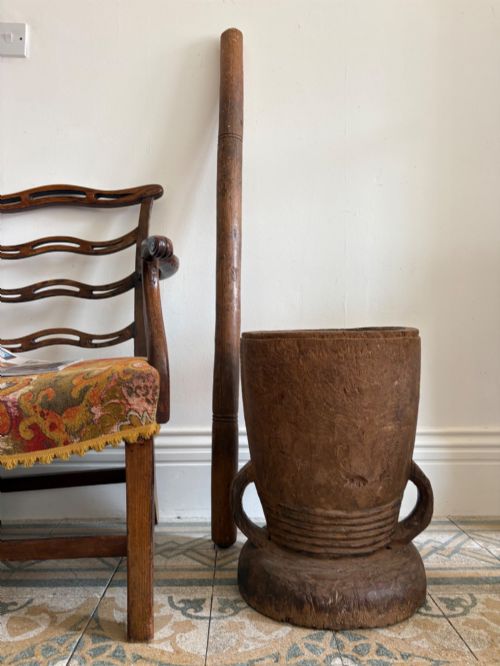
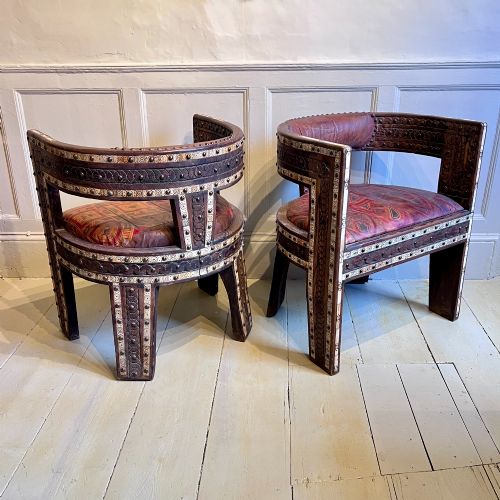
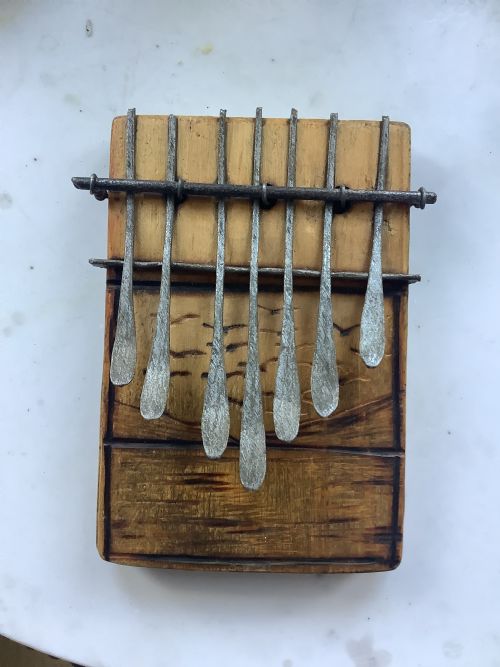
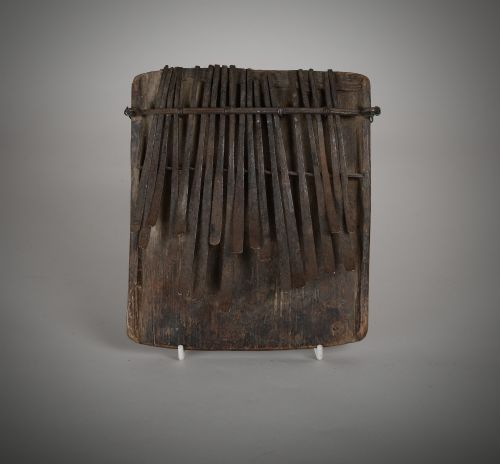
These pieces of antique tribal carving span diverse global cultures, offering tangible history and expressive form that collectors desire.
Antique Tribal Carving
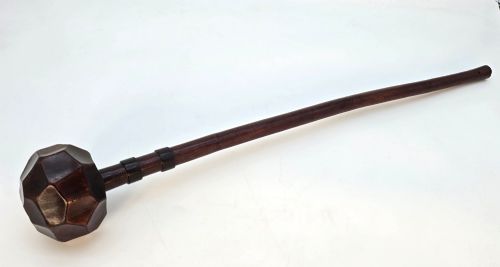
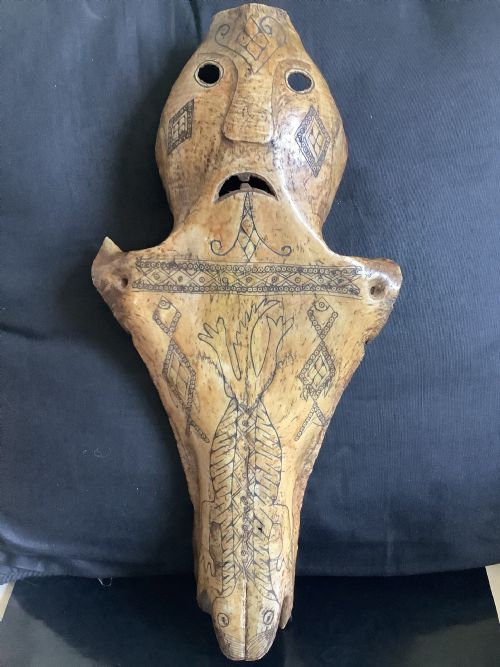
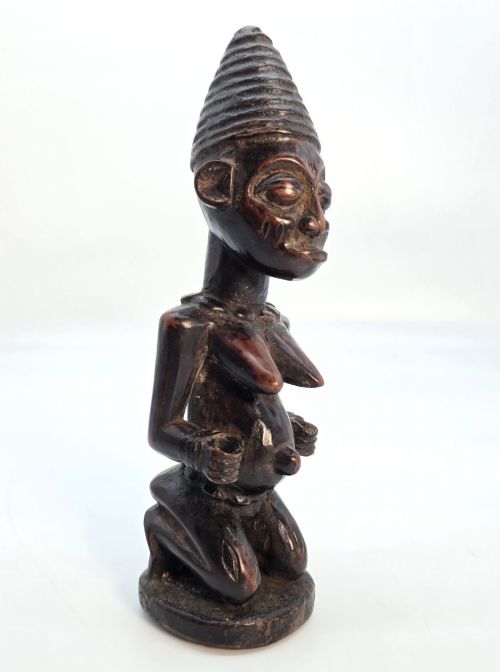
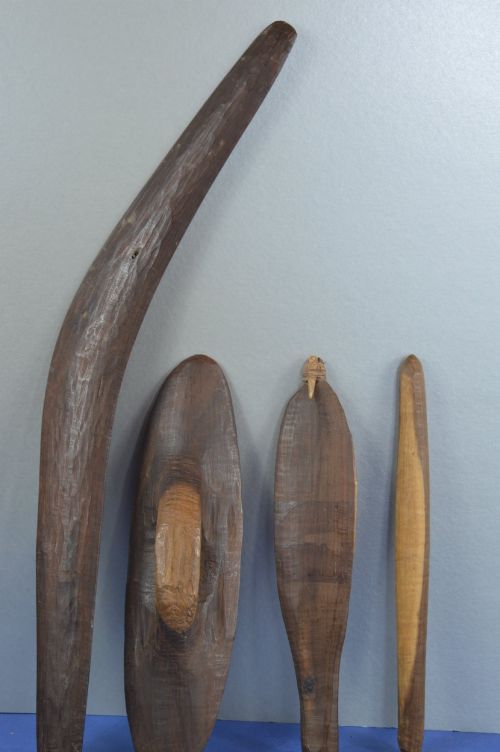
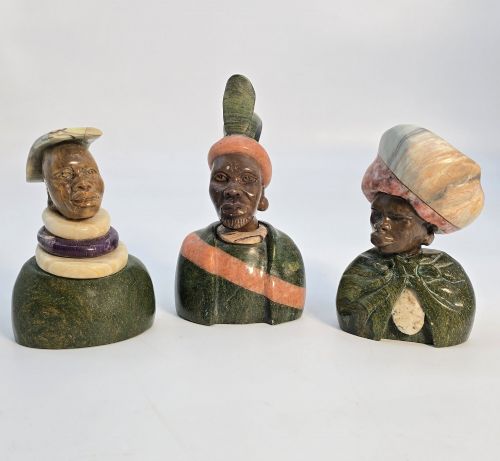
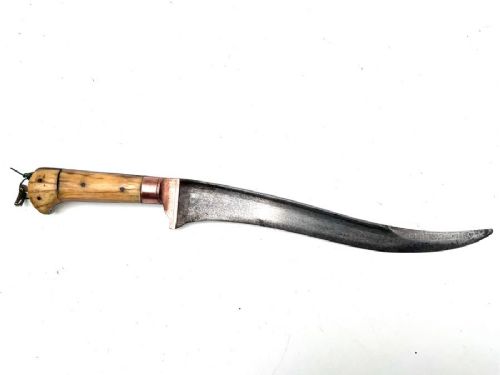
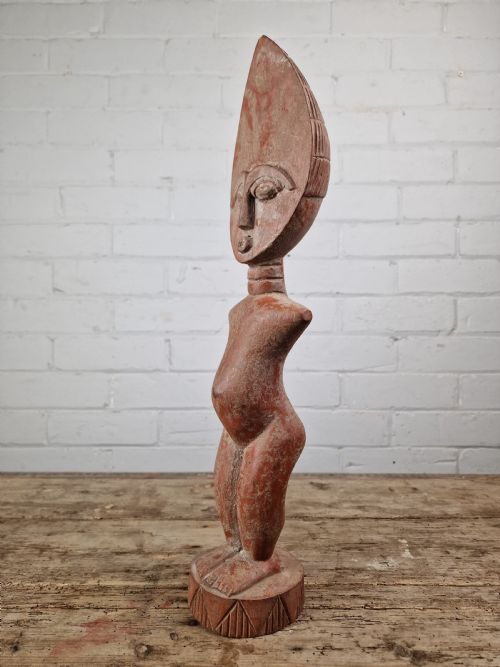
An antique tribal carving encompasses ritual masks, functional weapons, and figurative sculptures originating from African, Oceanic, Indigenous, and Asian cultures. Pieces range from nineteenth-century Zulu knobkerries and Fijian throwing clubs to West African fertility figures and Himalayan demon masks.
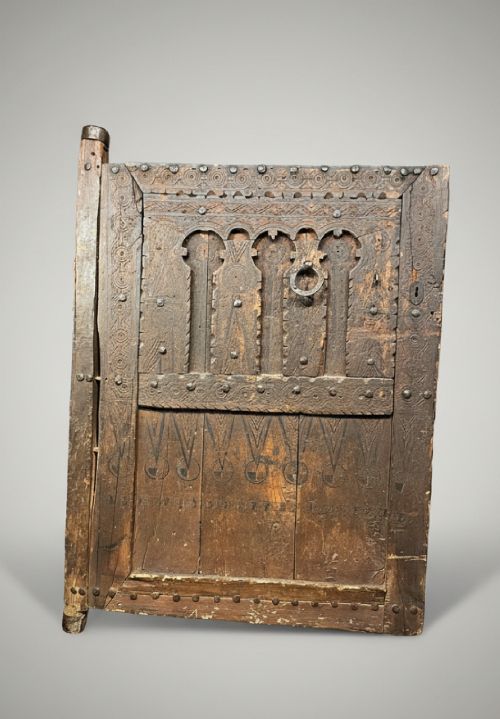
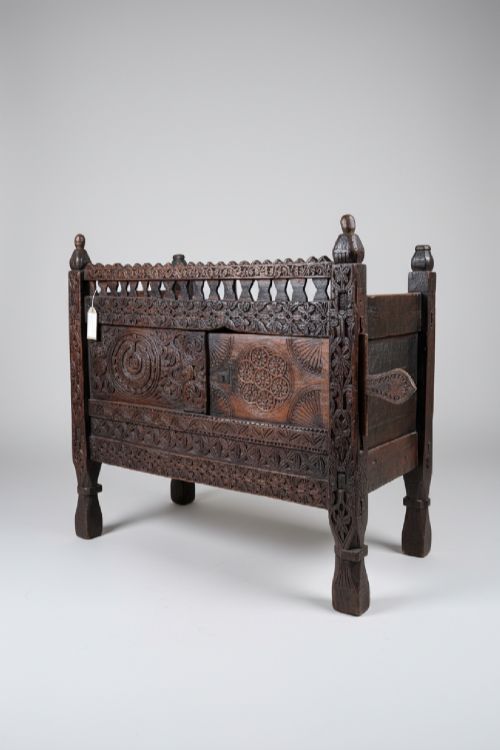
Originating across centuries, the selection includes seventeenth-century Afghan boxes alongside twentieth-century hardwood sculptures and headdresses. Each piece reflects the specific utilitarian or spiritual traditions of its makers.
How they were made
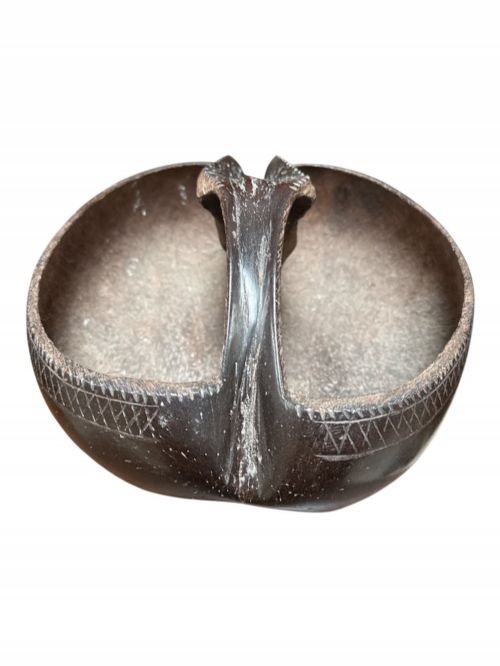
Makers primarily utilised hardwoods, fruitwood, and regional timbers, shaping trunks and branches with hand tools to create figures, vessels, and weaponry. Artisans frequently integrated secondary components such as bone, ivory, brass, iron, and fibre.
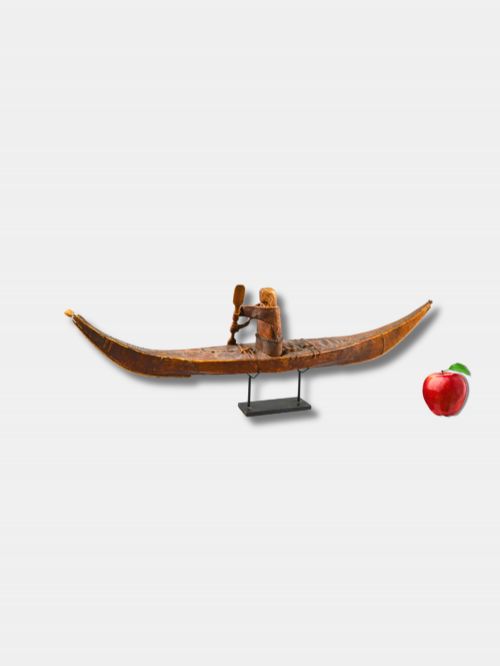
Surface treatment varied by region, incorporating natural pigments for painted details, intricate incised patterns, and polished patinas developed through handling and age. Animal skins, such as tanned seal skin, were employed in specific Arctic contexts.
The listings feature diverse materials including hardwood, bone, iron, brass, and fibre across periods spanning the seventeenth to twentieth centuries.
What varies in quality
Expressive depth and proportion distinguish superior figurative works and masks from simpler examples. The strength of the carving line and the clarity of indigenous tool marks determine the visual impact of a piece.
Material integrity and surface wear indicate authenticity and age, with genuine handling patinas and original pigments holding greater interest for collectors than inert surfaces.
The Antique Tribal Carving Glossary
- Knobkerrie
- A traditional southern African wooden club featuring a heavy knob at one end. These were utilised for hunting, combat, and as status symbols.
- Reliquary guardian
- A carved wooden figure placed upon a container holding ancestral remains. These objects protected sacred relics and reinforced lineage connections.
- Kifwebe
- A ceremonial mask associated with the Songye people of the Democratic Republic of Congo. Characterised by linear geometric patterns, they were worn during rituals.
- Dowry chest
- An ornate wooden container given upon marriage to store valuable possessions. They display regional carving styles and domestic symbolism.
Antique Tribal Carving: Frequently Asked Questions
How do I identify a genuine tribal carving?
Examine the material for natural ageing, tool marks, and handling patinas consistent with the stated origin period. Genuine pieces display wear patterns aligned with their functional or ritual use.
Consult specific regional stylistic traits and construction methods to confirm authenticity against known cultural artefacts.
What materials were commonly used in these carvings?
Carvers utilised local hardwoods, fruitwood, and dense timbers appropriate to their geographic region. Organic additions such as bone, ivory, brass, and fibre frequently supplement the wooden structures.
Specific items incorporate animal hides or metal fittings depending on whether the object served a domestic, ceremonial, or martial function.
How should I care for antique wooden carvings?
Maintain stable indoor humidity levels and keep wooden and organic objects away from direct sunlight and heat sources. Avoid applying modern oils or polishes that might alter the historic surface patina.
Dust gently with a soft, dry brush to preserve delicate pigments and carved details over time.