



Vintage Ethnic Wood Carving
These vintage ethnic wood carving pieces bring handcrafted texture into a room, drawing on traditions from Africa, India, and Indonesia.
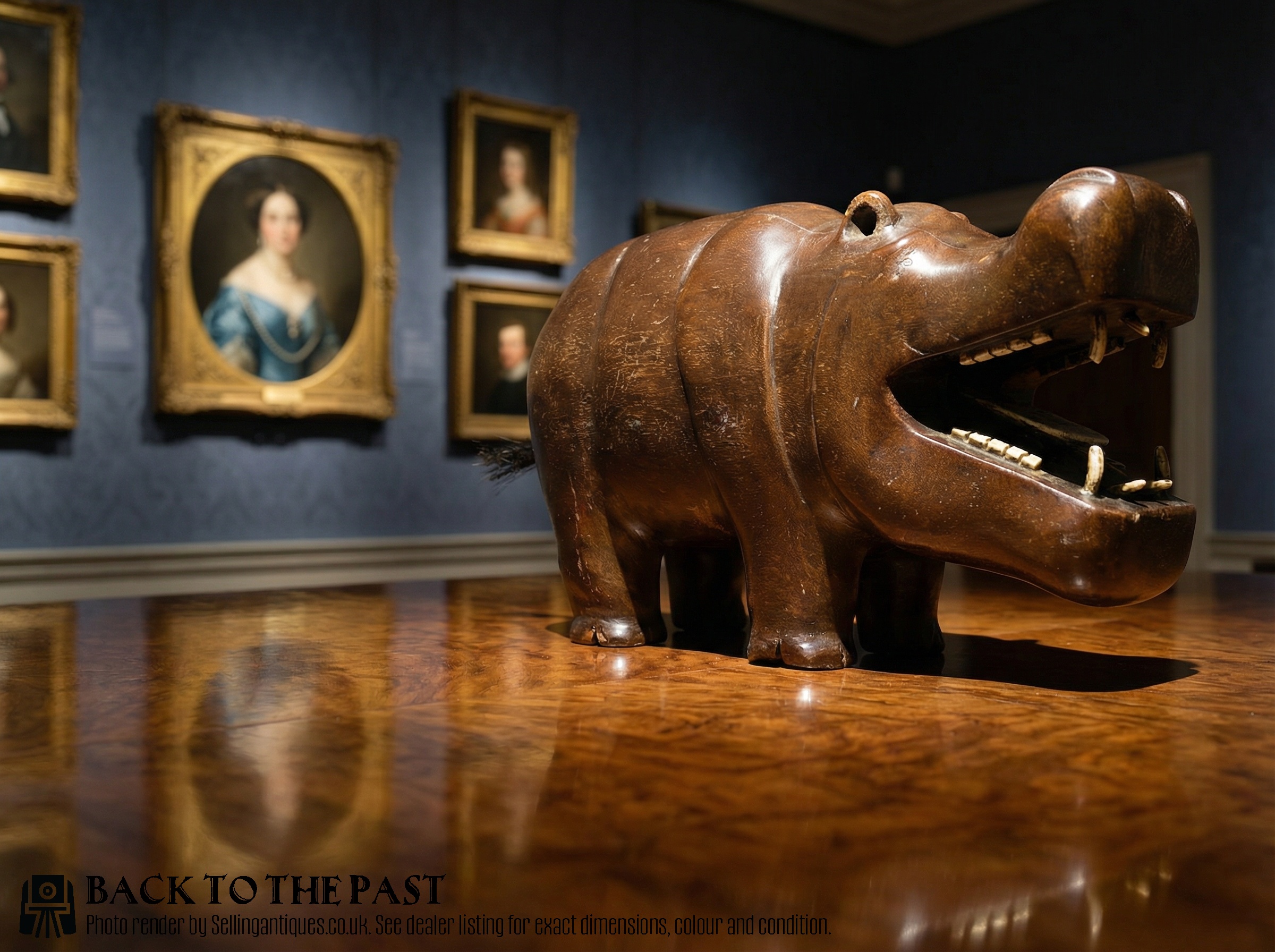
Vintage Ethnic Wood Carving
When you search for vintage ethnic wood carving, you encounter a diverse selection of regional artefacts, furniture, and sculptural works spanning the nineteenth century through to the 1930s. The material evidence on this page encompasses functional items like dowry chests and coffee tables alongside figural studies and tribal instruments.
The most common forms you meet here include carved hardwood tables, figures, and musical instruments originating from African, Indian, and Southeast Asian makers. These pieces showcase distinct regional styles such as African Tribal, Indian Folk Art, and Balinese craftsmanship.
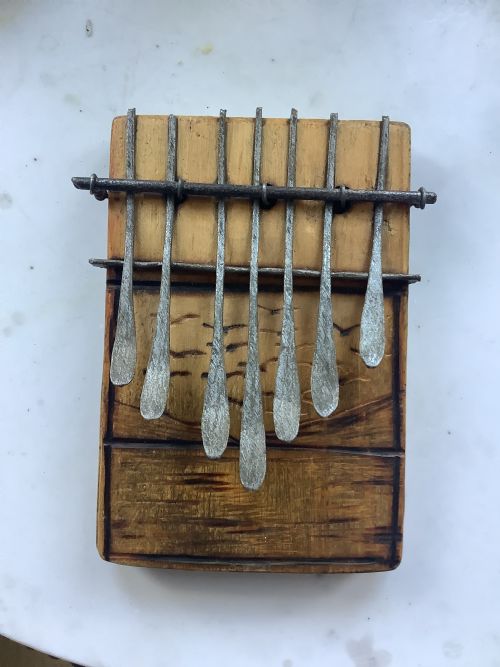
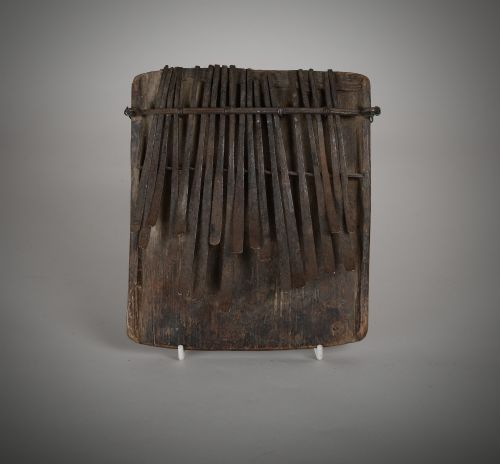
Objects range from practical storage cabinets and side tables to decorative sculptures, busts, and percussion instruments like thumb pianos. Each piece reflects the utilitarian or ritualistic needs of its culture of origin, utilising local timber traditions.
How they were made
Artisans constructed these works primarily using dense hardwoods and general timbers, frequently augmenting the wooden surfaces with secondary materials. Surviving examples incorporate bone inlay, iron fixtures, glass elements, and applied surface pigments.
Makers shaped the timber using traditional hand-carving techniques, working the hardwood to form intricate surface patterns, figural studies, and structural furniture forms. The integration of contrasting bone or metal details highlights the tactile nature of these regional objects.
Listings feature items dated from the nineteenth century up to 1930, originating from African, Indian, and Indonesian regions.
What varies in quality
Quality in these carvings rests upon the depth of detail, the crispness of the tool work, and the preservation of the original surface materials. Superior examples display confident, articulate carving that brings vitality to a figure or precision to geometric furniture motifs.
The integrity of the timber and the harmonious integration of secondary elements such as bone inlay or pigment also distinguish finer pieces. Wear should look consistent with age and use, leaving the core structural and sculptural character intact.
The Vintage Ethnic Wood Carving Glossary
- Hardwood
- Timber derived from broad-leaved trees, providing the dense and durable base necessary for intricate carving. Such woods resist splitting and hold fine detail well.
- Bone inlay
- A decorative technique where small pieces of bone are set flush into recesses carved into the wooden surface. This method creates contrasting geometric or figurative patterns.
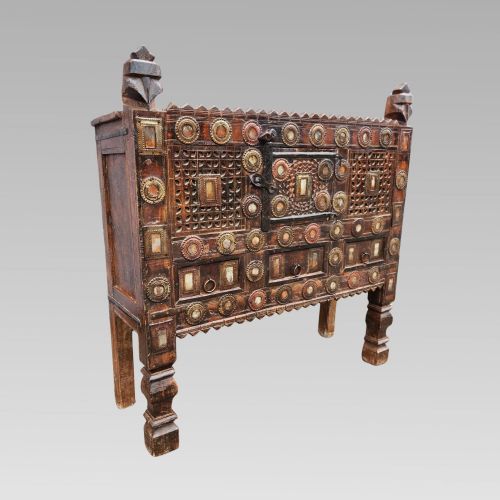
- Damchiya
- A traditional Indian low storage cabinet or dowry chest featuring heavily carved panels. These pieces often serve as focal points in domestic interiors.
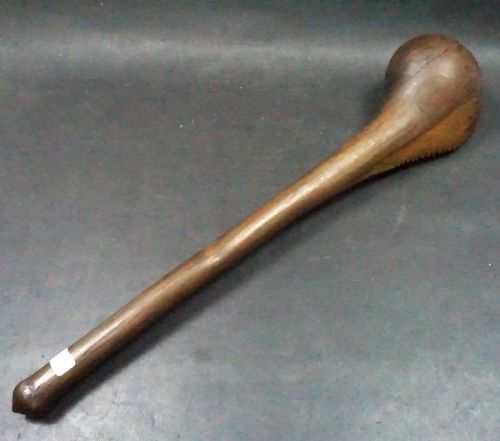
- Knobkerrie
- A traditional Southern African wooden club or throwing weapon featuring a heavy knob at the end. They are typically fashioned from a single piece of dense hardwood.
- Mbira
- A traditional African percussion instrument, also known as a thumb piano, consisting of a wooden board with staggered metal keys. Players pluck the keys with their thumbs to produce sound.
Vintage Ethnic Wood Carving: Frequently Asked Questions
What is vintage ethnic wood carving?
It encompasses handcrafted wooden objects, furniture, and sculptures produced across various global regions during the nineteenth and early twentieth centuries.
These pieces reflect traditional artistry, ranging from functional tables and chests to ceremonial figures and instruments.
How do I date these carvings?
Dating relies on stylistic markers, tool marks, material wear, and documented regional traditions from periods such as the nineteenth century up to the 1930s.
Comparing construction methods and timber ageing helps place an object within its historical timeframe.
How were these items used originally?
Many objects served everyday practical functions, such as storage chests, coffee tables, seating, and musical performance.
Others held cultural, ritualistic, or decorative significance within their respective communities.
How do I style them at home?
These carved pieces introduce texture, history, and cultural narrative into modern or traditional interiors as statement items.
They work effectively as standalone sculptural focal points or as functional furniture pieces like tables and cabinets.