

Antique Tin Glazed Plate
These pieces of antique tin glazed plate bring centuries of hand-painted ceramic craft to your wall or table.

Antique Tin Glazed Plate
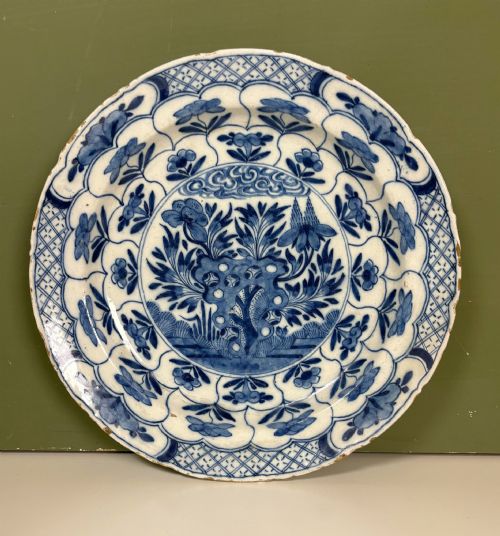
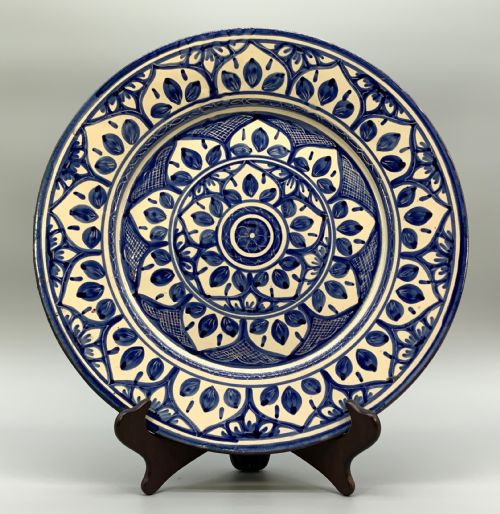
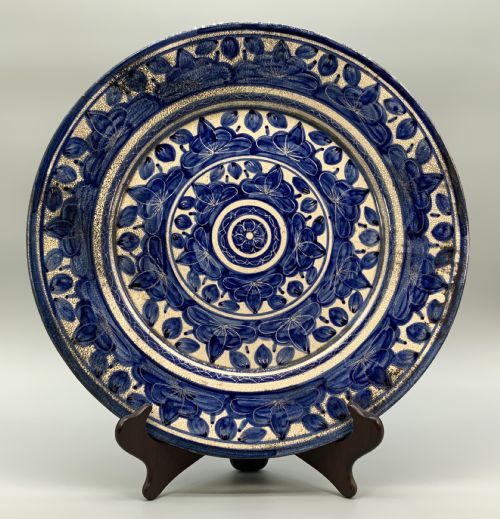
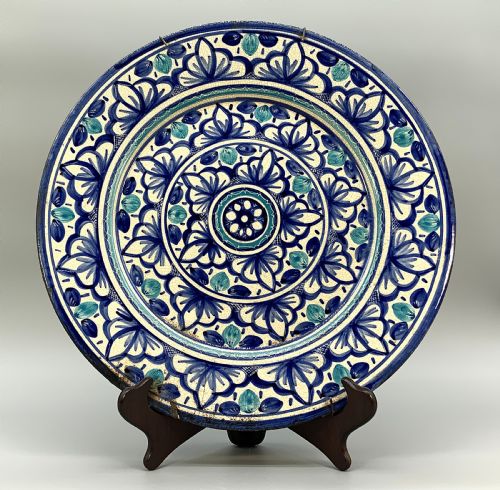
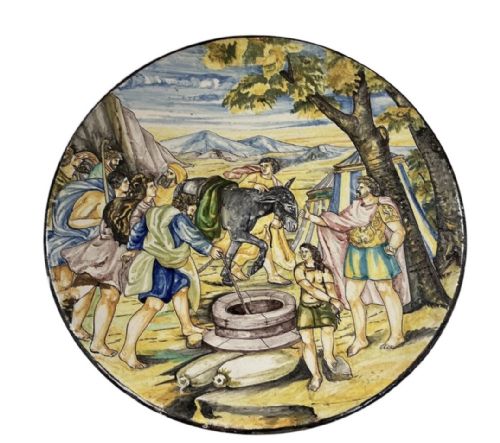
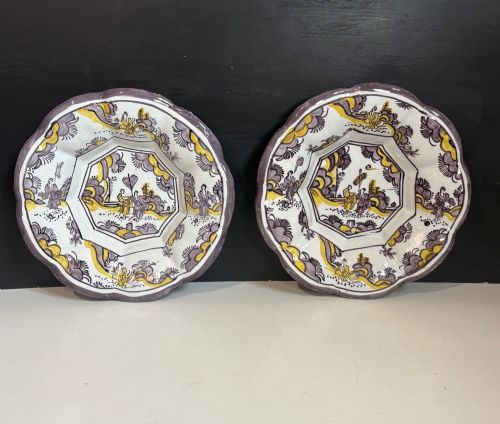
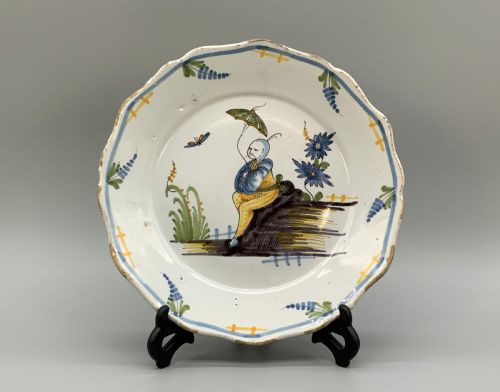
An antique tin glazed plate takes the form of chargers, shallow bowls, and decorative dishes originating from Dutch, English, French, Spanish, and Italian potteries. When searching for this phrase, collectors encounter pieces spanning the seventeenth to nineteenth centuries, alongside continental interpretations from later decades.
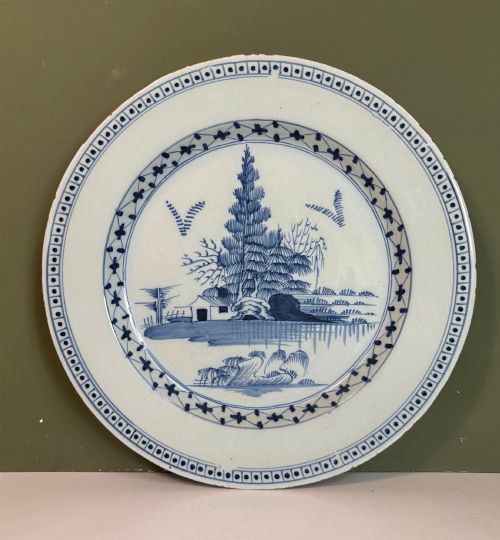
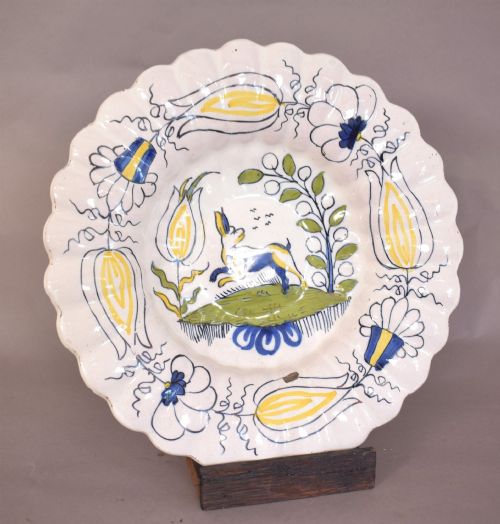
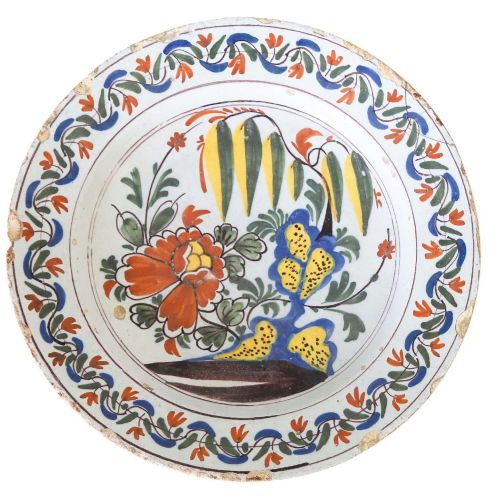
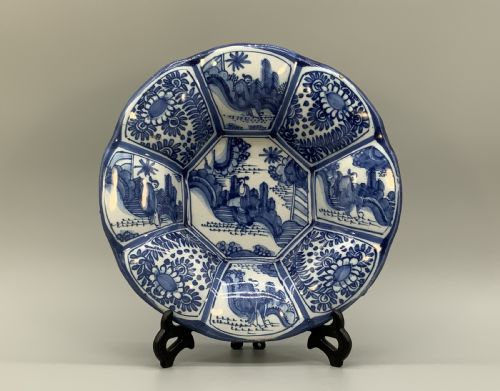
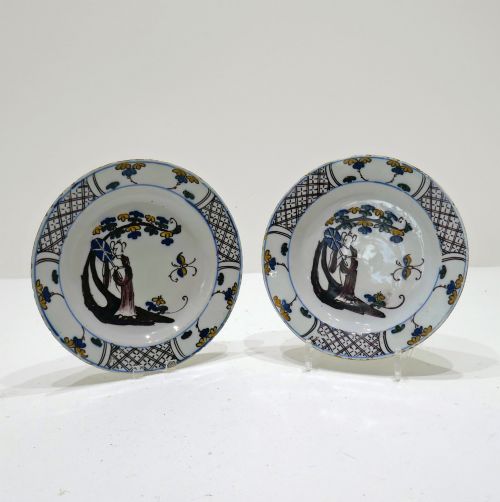
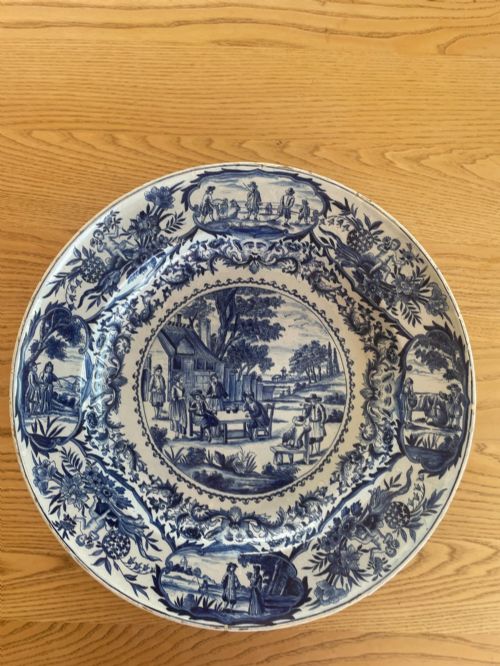
The most common examples on this page are eighteenth-century Delftware chargers and dishes featuring blue and white or polychrome pigments. These range from large wall-hanging presentation chargers down to smaller dining plates.
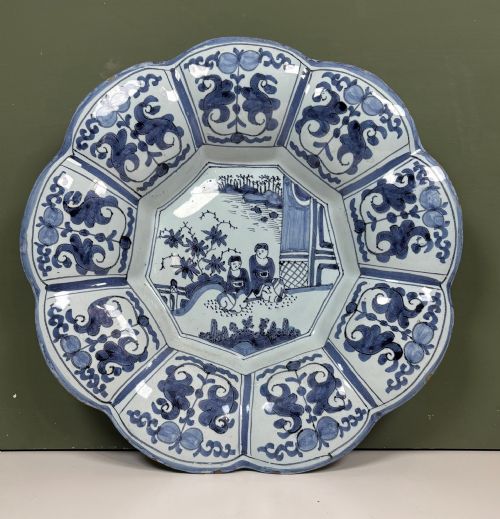
Forms include lobed dishes, Kraak styles, and geometric floral patterns derived from Dutch Baroque, French Rococo, and Moorish revivals. Each object reflects the utilitarian yet decorative impulses of historic European ceramic workshops.
How they were made
Potters shaped earthenware bodies and coated them in an opaque tin glaze that provided a smooth white ground for painting. Cobalt pigment, manganese, and yellow or green oxides were applied directly onto the raw glaze before firing.
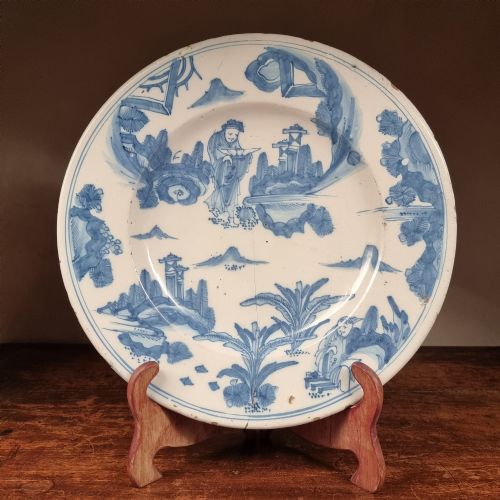
Grand feu techniques and hand-painted floral or Chinoiserie decorations required steady brushwork on absorbent surfaces. Pigments sank into the glaze during the kiln firing, creating permanent integration of colour and base.
Marriage plates recorded here commemorated seventeenth and eighteenth-century unions, preserving domestic milestones in blue and white tin glaze.
What varies in quality
Visual strength depends on the confidence of the hand-painted brushwork and the clarity of the cobalt or polychrome palette against the tin glaze. Tighter composition in floral, landscape, or historical scenes distinguishes superior output from simpler utilitarian items.
Condition involves assessing glaze stability and edge losses, though historical wear on earthenware bodies often accompanies genuine age. The ambition of the form, such as large lobed chargers or complex Istoriato narratives, dictates the upper tier of the range.
The Antique Tin Glazed Plate Glossary
- Tin-Glazed Earthenware
- Pottery fired with a lead glaze made opaque by the addition of tin oxide. This white surface serves as the canvas for painted decoration.
- Charger
- A large decorative plate or platter intended primarily for display on a wall or dresser rather than for daily dining.
- Delftware
- Tin-glazed earthenware made in the Netherlands or England, typically associated with blue and white or polychrome painting.
- Polychrome
- Decoration employing multiple colours, such as iron red, green, yellow, and manganese, alongside standard blue pigments.
- Kraak Style
- A Dutch imitation of sixteenth-century Chinese porcelain styles characterised by panelled borders and central botanical or aquatic motifs.
Antique Tin Glazed Plate: Frequently Asked Questions
How were antique tin glazed plates displayed?
Historic households frequently mounted large chargers on walls or stood them upright on dressers to showcase painted scenes and rich colours.
Smaller plates occasionally served at table, though tin glaze is prone to chipping along the edges with heavy use.
How do I tell English Delft from Dutch Delft?
English factories often utilised slightly warmer earthenware bodies and distinct glaze tones compared to the precise blue and white output of Delft potteries.
Palettes and rim shapes also offer clues to regional production centres like Bristol, London, or the Netherlands.
What is polychrome Delftware?
Polychrome pieces incorporate several pigments beyond traditional blue and white, introducing manganese purple, green, yellow, and iron red.
Artists used these additional colours to render floral sprays, figures, and geometric patterns with greater visual depth.
Can I hang an antique charger on the wall?
Many large chargers feature historic suspension holes or benefit from modern, non-damaging wire display hangers designed for heavy earthenware.
Ensuring stable wall fixings protects these fragile ceramic objects from accidental knocks.