

Antique Timber Sideboard
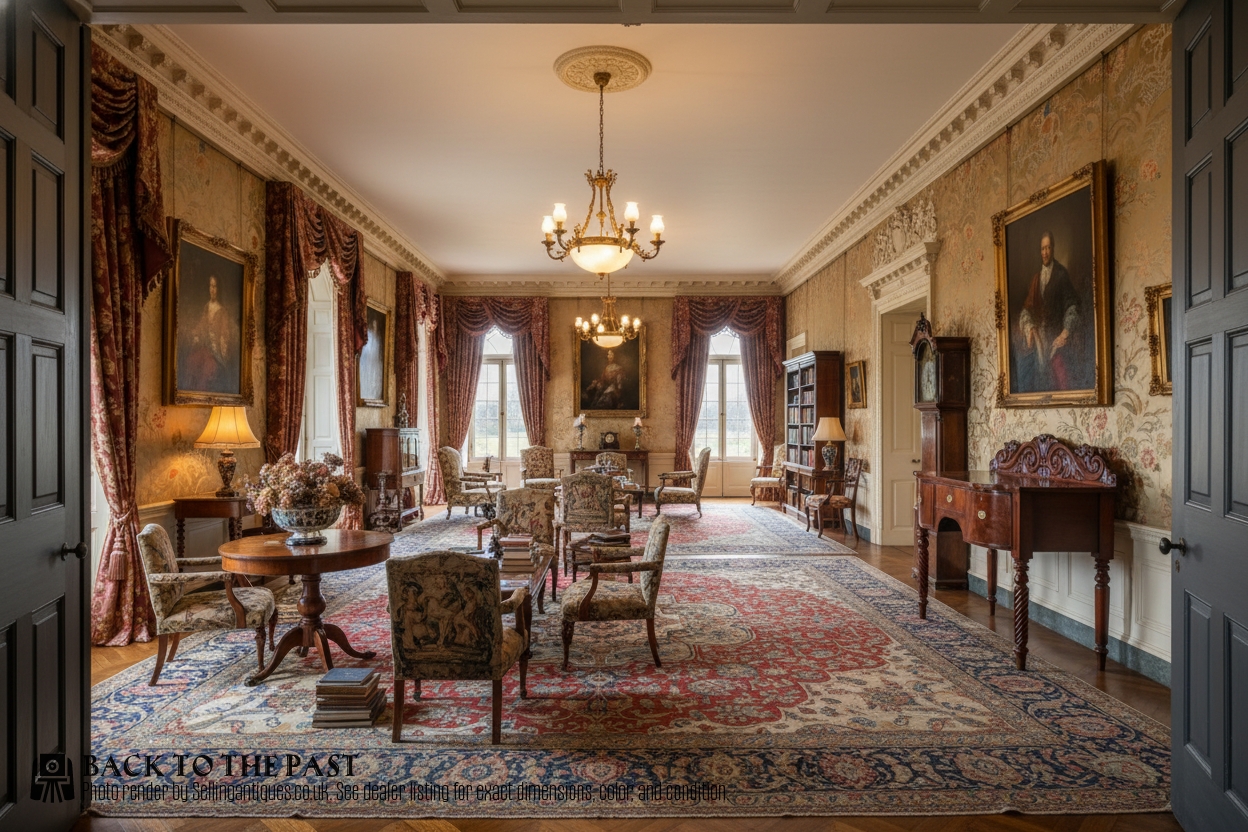
These antique timber sideboard pieces bring solid period presence and deep mahogany grain to a dining room.
What They Are
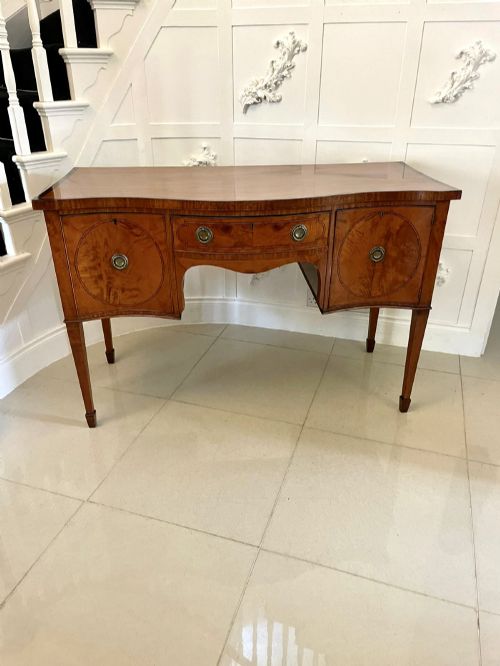
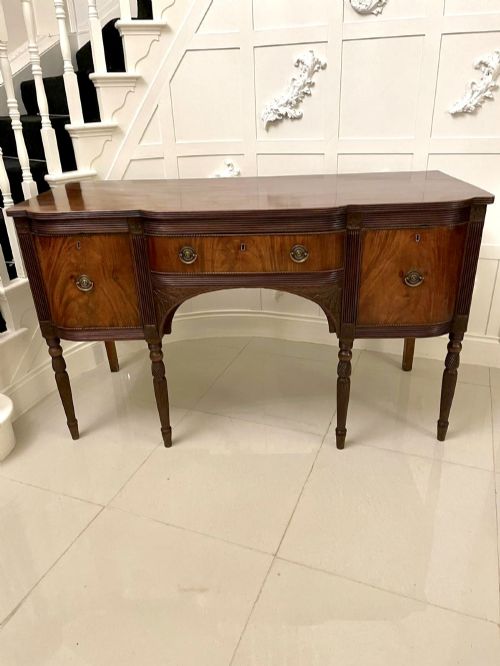
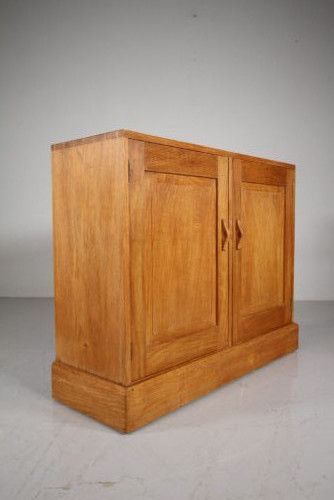
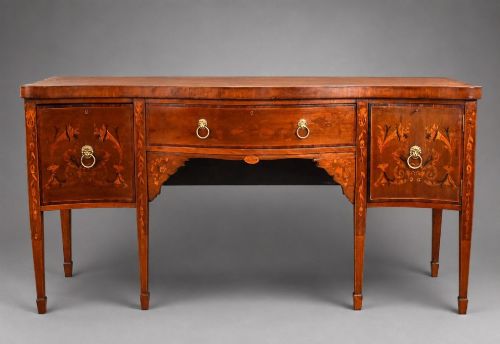
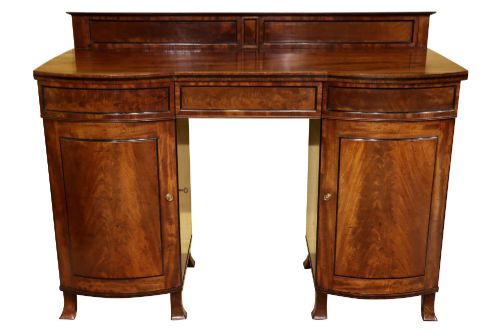
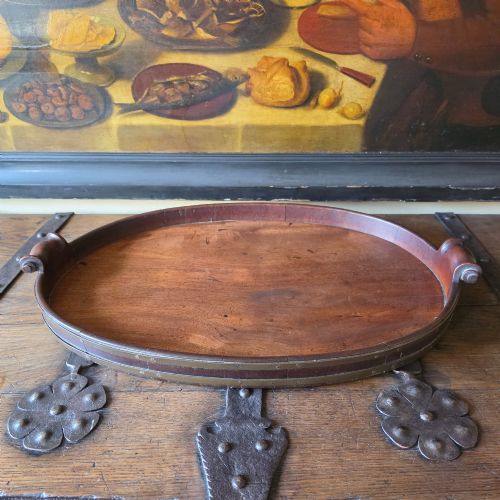
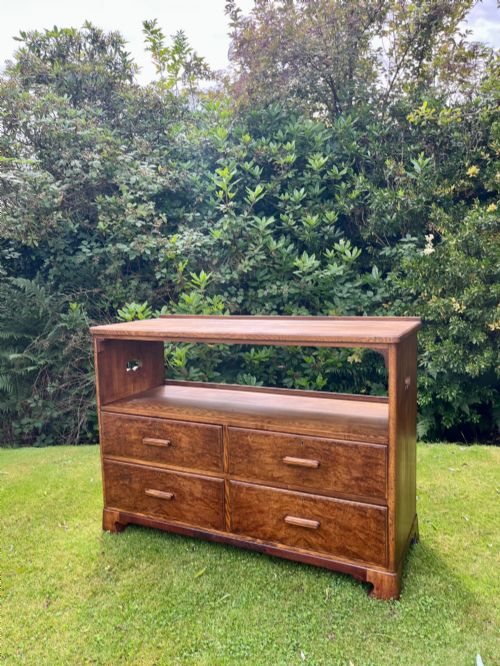
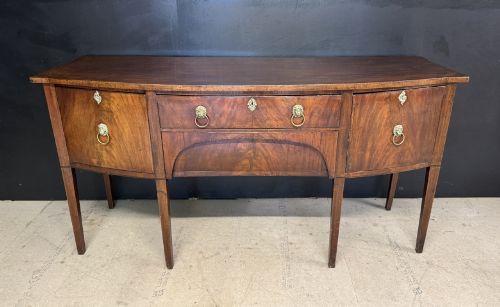
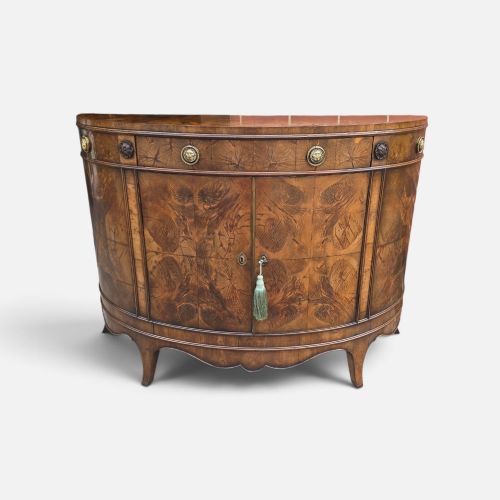
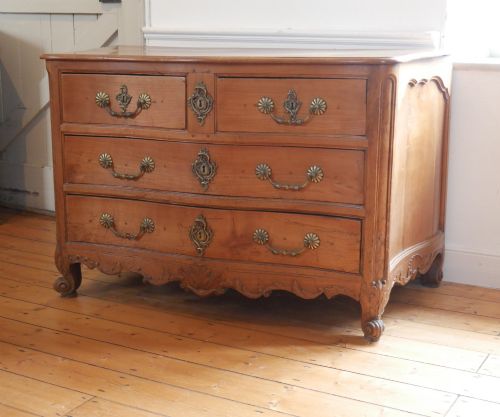
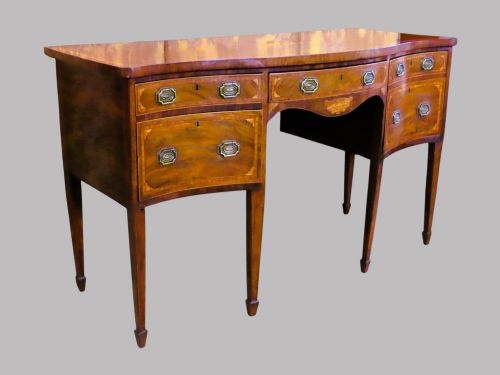
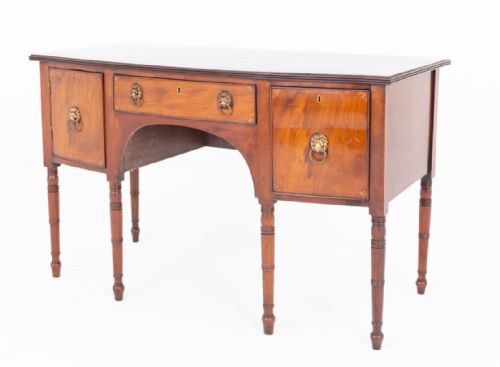
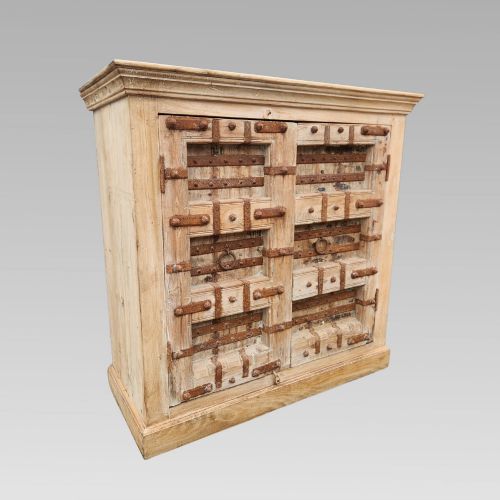
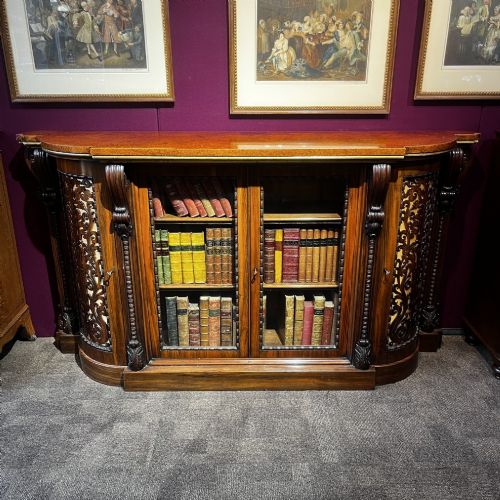
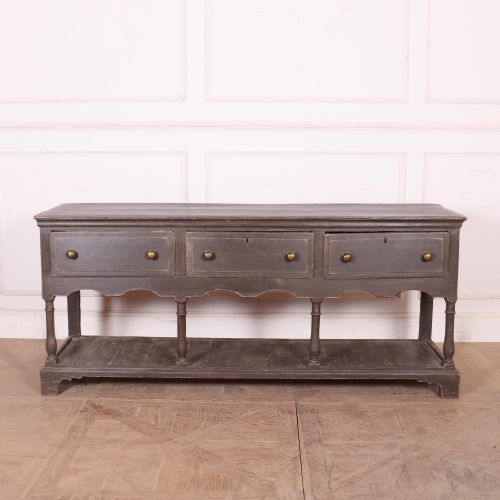
An antique timber sideboard serves as a substantial storage piece for the dining room or kitchen, evolving through Georgian, Regency, and William IV eras into formal serving furniture. The examples seen here range from grand breakfront and serpentine fronted formal designs to rustic farmhouse dresser bases and artisans workbenches.
Buyers will most frequently encounter mahogany pieces from the eighteenth and nineteenth centuries, often featuring boxwood inlay, flame veneer, or bow fronts. Alongside these formal dining room servers, the selection includes painted nineteenth century dresser bases and beech workbenches that demonstrate utilitarian forms.
How They Were Made
Cabinet makers constructed these pieces using solid timbers like mahogany, beech, oak, and pine, frequently applying flame mahogany veneer over secondary woods. Details such as boxwood inlay, painted finishes, and brass hardware provide decorative contrast to the timber surfaces.
Structural elements include dovetailed drawer construction and traditional joinery adapted to serpentine, bow front, and breakfront carcases. Artisans built workbenches and dresser bases with thick timber tops designed for heavy domestic or workshop use.
Retail Price Guide 2026
Typical UK retail prices for timber sideboard, calculated from the Sellingantiques database of over a million retail prices indexed since 2003. This retail price guide relies exclusively on Sellingantiques data; no external sources or auction records are used, so the figures do not describe the wider market.
The selection spans the eighteenth and nineteenth centuries, covering George III, Regency, and William IV styles in mahogany, beech, pine, and painted wood.
What Varies in Quality
Quality rests in the sophistication of the timber selection and the precision of the cabinetwork, such as the matching of flame mahogany veneer across a bow front. Finer pieces demonstrate careful shaping of serpentine or breakfront carcases combined with crisp boxwood stringing and original brass mounts.
Simpler vernacular examples like painted dresser bases and workbenches derive their character from honest utilitarian construction and patinated surfaces rather than formal stylistic elaboration.
The Antique Timber Sideboard Glossary
- Breakfront
- A cabinet form where the central section projects forward from the flanking outer sections. This arrangement creates depth and formal presence on eighteenth century dining room pieces.
- Serpentine front
- A furniture front characterised by a undulating curve that convexly arcs in the centre and concavely sweeps to the corners. It requires high skill from the cabinet maker to execute cleanly in solid timber.
- Bow front
- A convexly curved cabinet front that swells outward in a continuous arc. This popular nineteenth century shape softens the rigid angles of a room.
- Dresser base
- A low functional table or cabinet fitted with drawers and sometimes a lower shelf, originating from kitchen and pantry use. These pieces provide open or enclosed storage with generous surface areas.
- Flame mahogany
- A highly figured veneer cut from where a branch joins the main tree trunk, displaying a distinctive flamed or feather pattern. Cabinet makers used it to create striking visual movement on prominent drawer fronts and doors.
Frequently Asked Questions
What is an antique timber sideboard used for?
These pieces provide heavy surface space and deep drawer storage for dining rooms and kitchens. Historically they held serving dishes, cutlery, and linens during large meals.
Today they function as focal points in dining spaces or hallways, offering practical storage while displaying decorative objects on top.
How do I date an antique sideboard?
Dating relies on identifying stylistic markers associated with specific periods like the George III, Regency, or William IV eras. Form, leg style, and handling of timber veneers all point toward a specific decade of origin.
Construction details such as drawer joints and secondary woods like pine or oak also help confirm the period of manufacture.
Are workbenches used as sideboards?
French beech and oak artisans workbenches appear alongside traditional dining furniture because buyers repurpose them as kitchen islands or rustic sideboards. Their thick wooden tops and practical proportions suit contemporary open plan living.
Using a workbench in this manner adds industrial texture and robust workspace to a modern interior.