
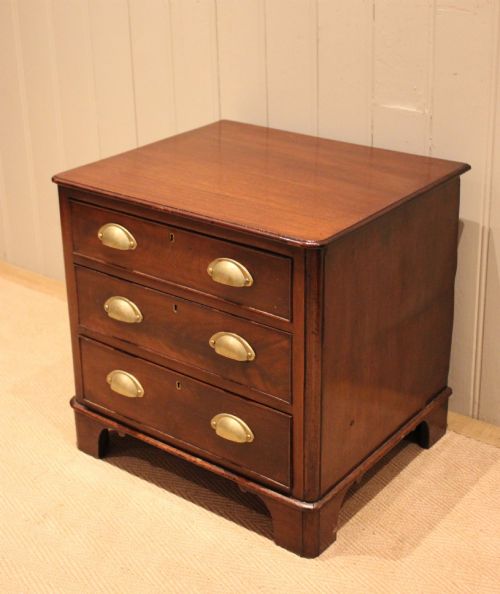
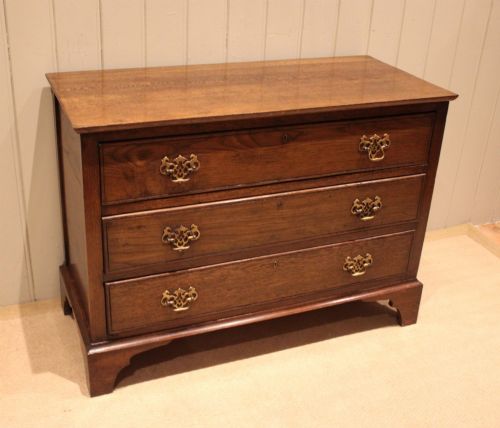
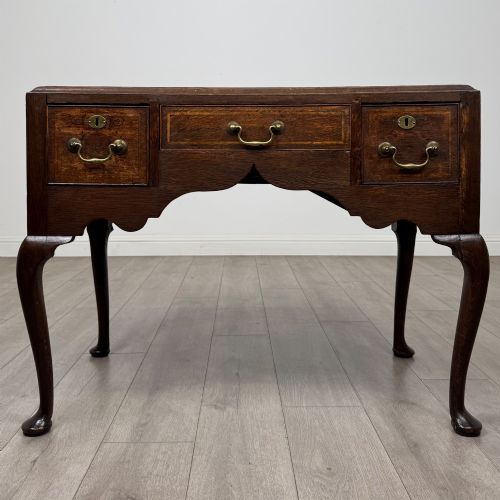
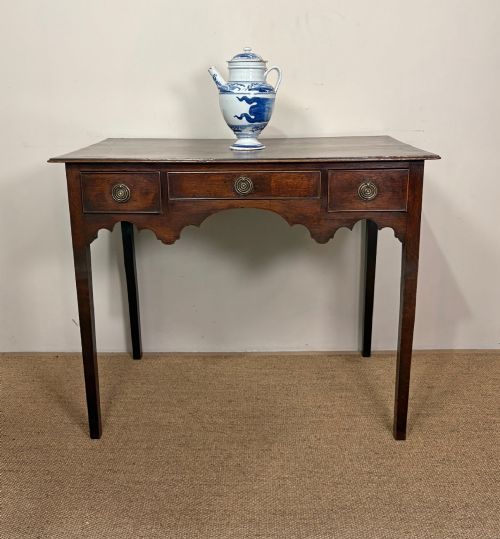
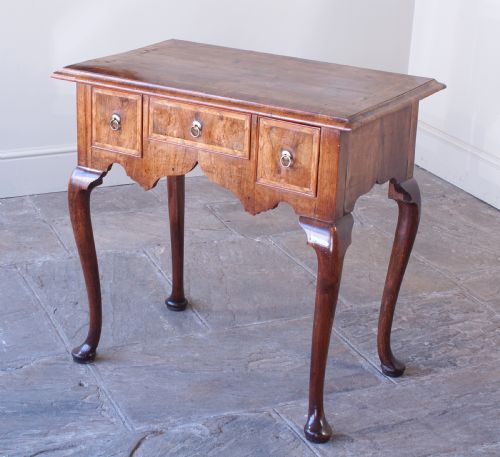
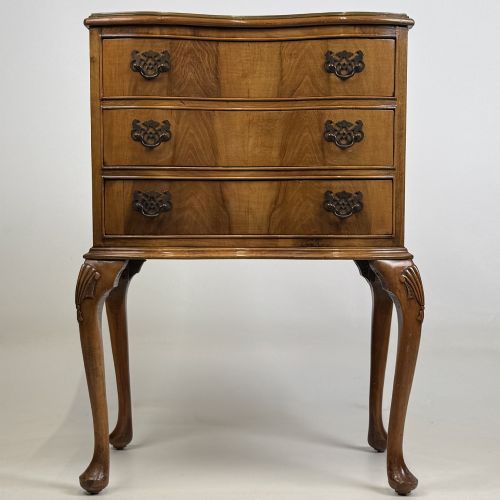

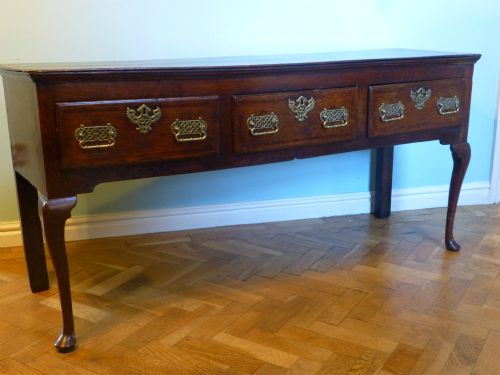
Antique Three Drawer Lowboy
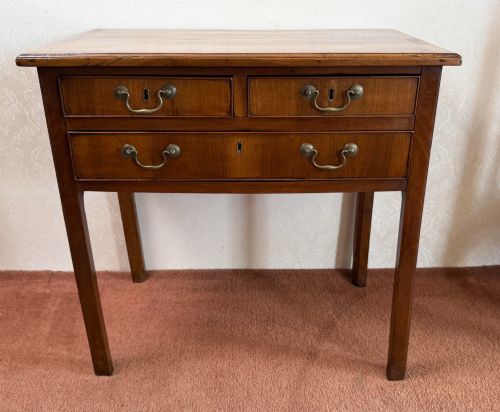
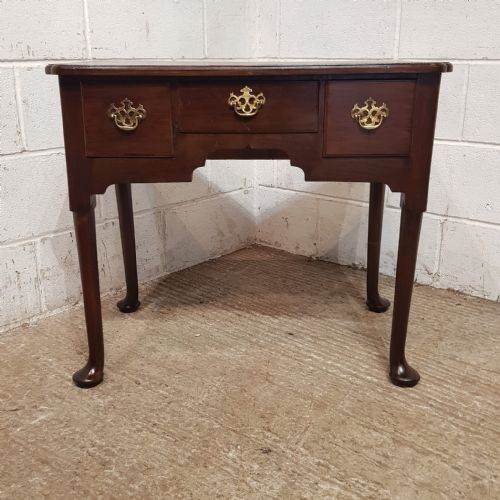
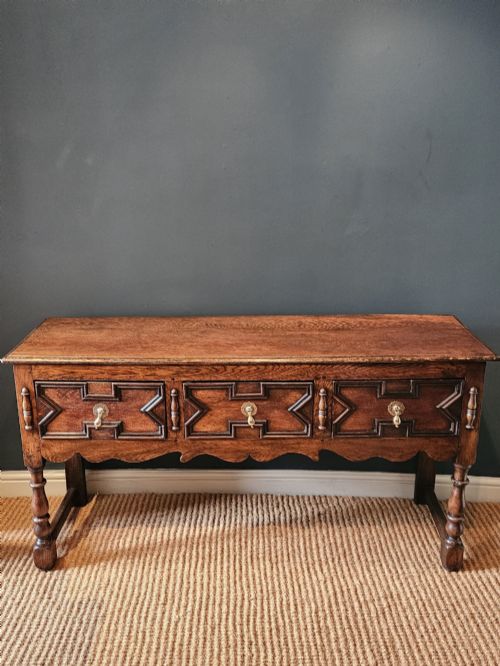
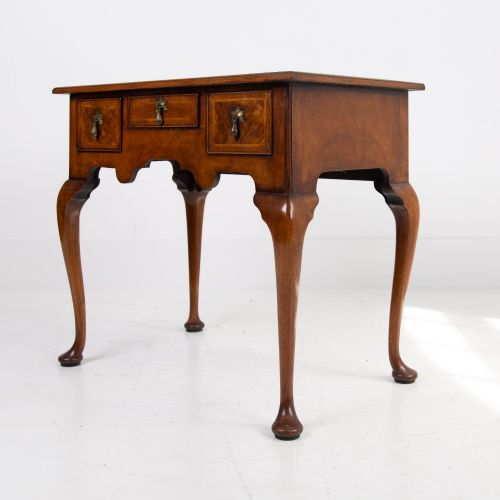
An antique three drawer lowboy brings compact eighteenth-century utility and rich walnut or oak grain into a modern room.
Understanding the antique three drawer lowboy
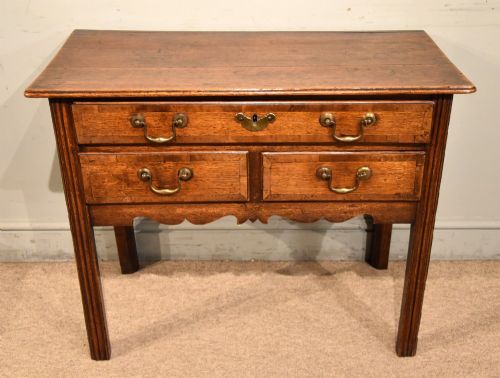
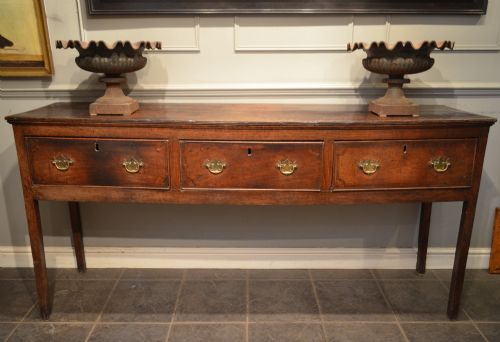
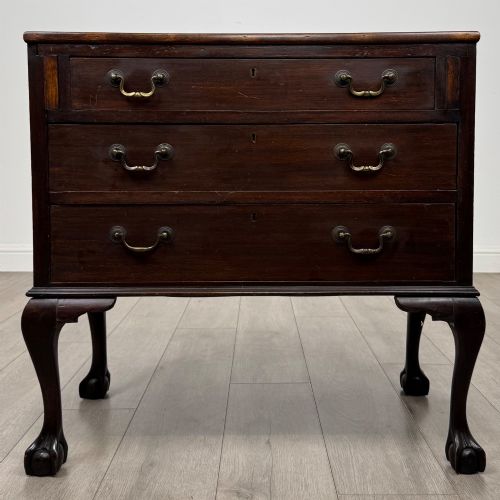
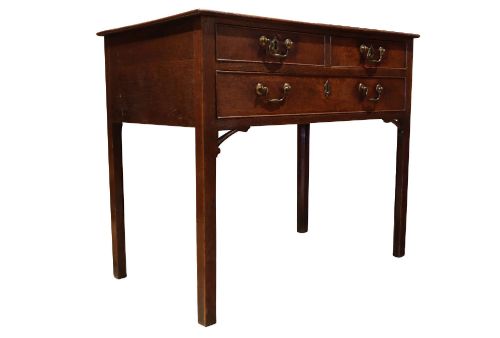
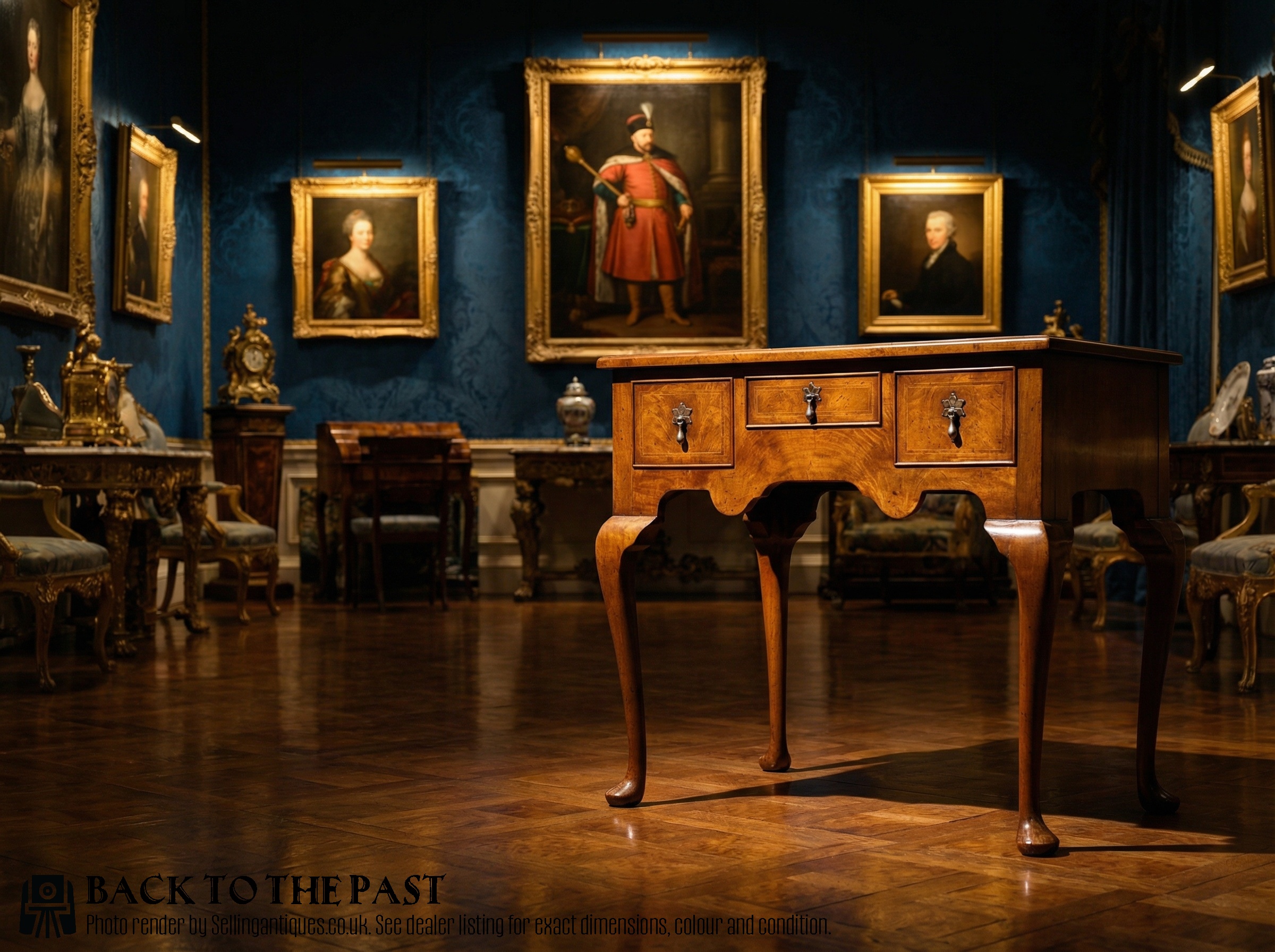
When you search for an antique three drawer lowboy, you are looking at small eighteenth-century side tables designed for dressing or writing. The pieces seen here span the eighteenth century alongside a later twentieth-century interpretation.
Most examples present a distinctive drawer arrangement beneath a flat top, resting on cabriole or straight legs. Walnut and oak dominate the surviving forms, often finished with feather banding or brass hardware.
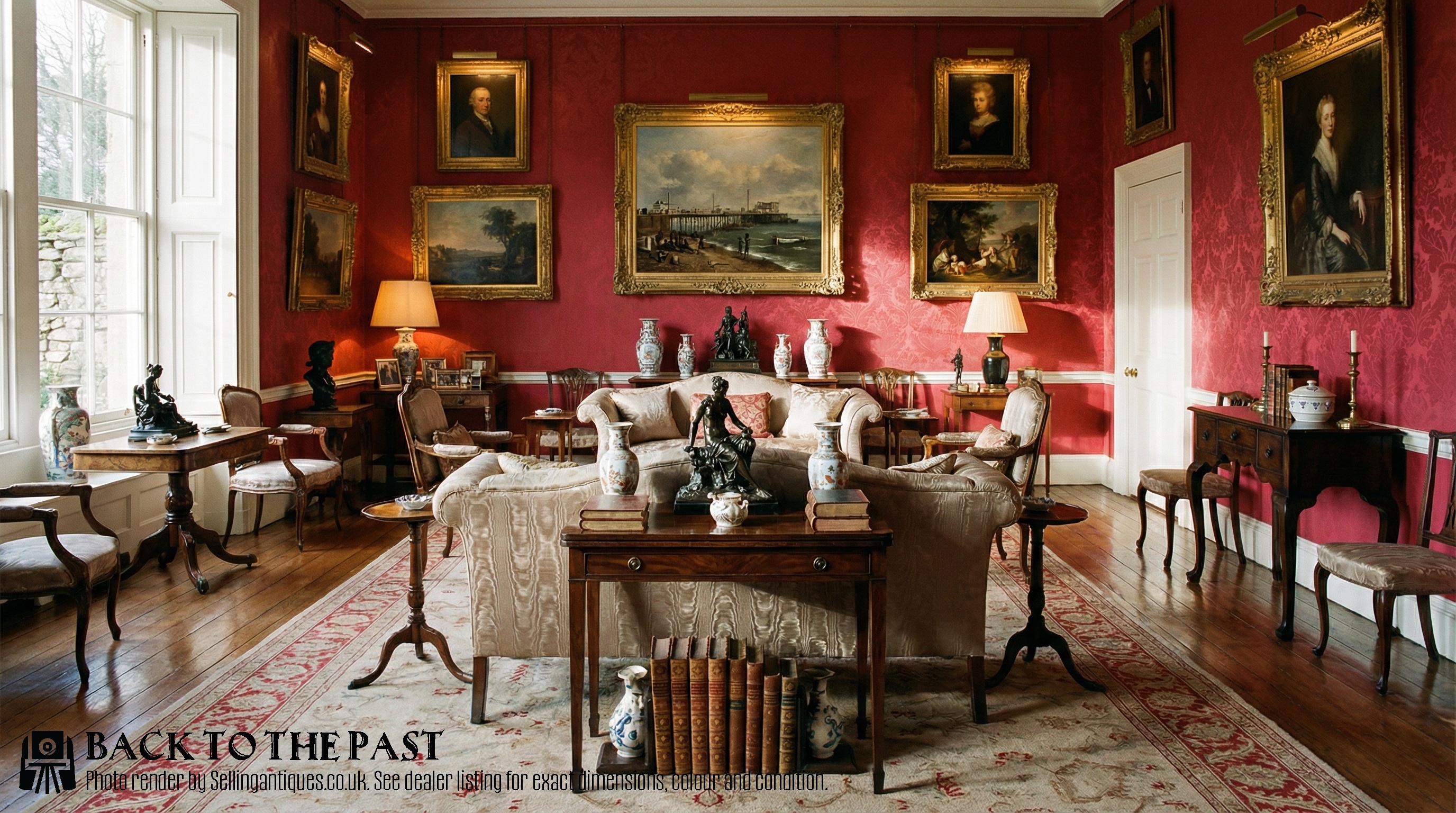
Originating in the eighteenth century, these versatile tables function equally well as hall tables, lamp stands, or compact dressing consoles today.
Materials and construction
Joiners built these tables primarily from solid timber and veneers, utilising walnut, red walnut, oak, and occasionally mahogany. Selected surfaces feature decorative feather banding to frame the wood grain.
Brass handles and escutcheons punctuate the drawer fronts, secured with period fastening methods. Leg forms range from curved cabriole styles to simpler structural supports.
Retail Price Guide 2026
Typical UK retail prices for three drawer lowboy, calculated from the Sellingantiques database of over a million retail prices indexed since 2003. This retail price guide relies exclusively on Sellingantiques data; no external sources or auction records are used, so the figures do not describe the wider market.
Early makers occasionally hid small trinkets behind drawer linings, leaving tiny modern surprises for future finders.
Assessing quality and character
The distinction between standard examples and finer pieces lies in the choice of timber and the crispness of decorative detailing such as feather banding. Finer walnut and red walnut surfaces display deeper patination and more intricate figuring.
Proportion and leg contouring dictate the visual balance of the table. Pieces with well-executed cabriole legs show greater refinement than simpler utilitarian variants.
The Antique Three Drawer Lowboy Glossary
- Lowboy
- A small table with drawers, typically used as a dressing or side table during the eighteenth century. They frequently feature a shaped apron beneath the central drawer.
- Feather banding
- A decorative inlay technique using veneer strips arranged in a herringbone pattern around drawer perimeters. This adds subtle geometric contrast to walnut surfaces.
- Cabriole leg
- A furniture leg that curves outward in a convex arc and tapers inward in a concave arc, ending in a pad or foot. This form became popular during the Queen Anne and George II periods.
- Red walnut
- A distinct American or European walnut variety prized for its warm reddish hue and pronounced grain patterns. Makers utilised it extensively in eighteenth-century case furniture.
- Escutcheon
- A protective brass plate surrounding a keyhole on a drawer front. These functional elements often contribute to the decorative rhythm of the facade.
Frequently Asked Questions
What is a lowboy used for?
Historically, these compact tables served as dressing tables for grooming or as writing surfaces in private chambers. Today, they find purpose in hallways, living rooms, and bedrooms as versatile side or lamp tables.
Their shallow depth allows them to fit into narrow spaces where standard furniture would overwhelm the room.
How do I date an oak lowboy?
Dating relies on examining construction techniques, timber choice, and hardware styles. Eighteenth-century examples display hand-cut joinery and period-appropriate brasses.
Comparing the piece against documented examples from the Queen Anne or Georgian eras helps confirm its age.
Are all lowboys made of walnut?
While walnut and red walnut are common, many notable examples utilise oak or mahogany. Timber choice often reflects regional availability and the stylistic preferences of the period.
Each wood species ages differently, developing distinct patinas over centuries of use.
What is feather banding?
Feather banding is an intricate inlay technique where thin strips of veneer are cut and laid at an angle to form a V-shaped pattern. Cabinetmakers used it to frame drawer fronts and tabletops.
This decorative detail signifies higher craftsmanship in eighteenth-century case pieces.